Plan and listen to Zócalo with Audiala.
Audio guide in your pocket, itinerary in your browser. Built for the way you actually visit.
Introduction
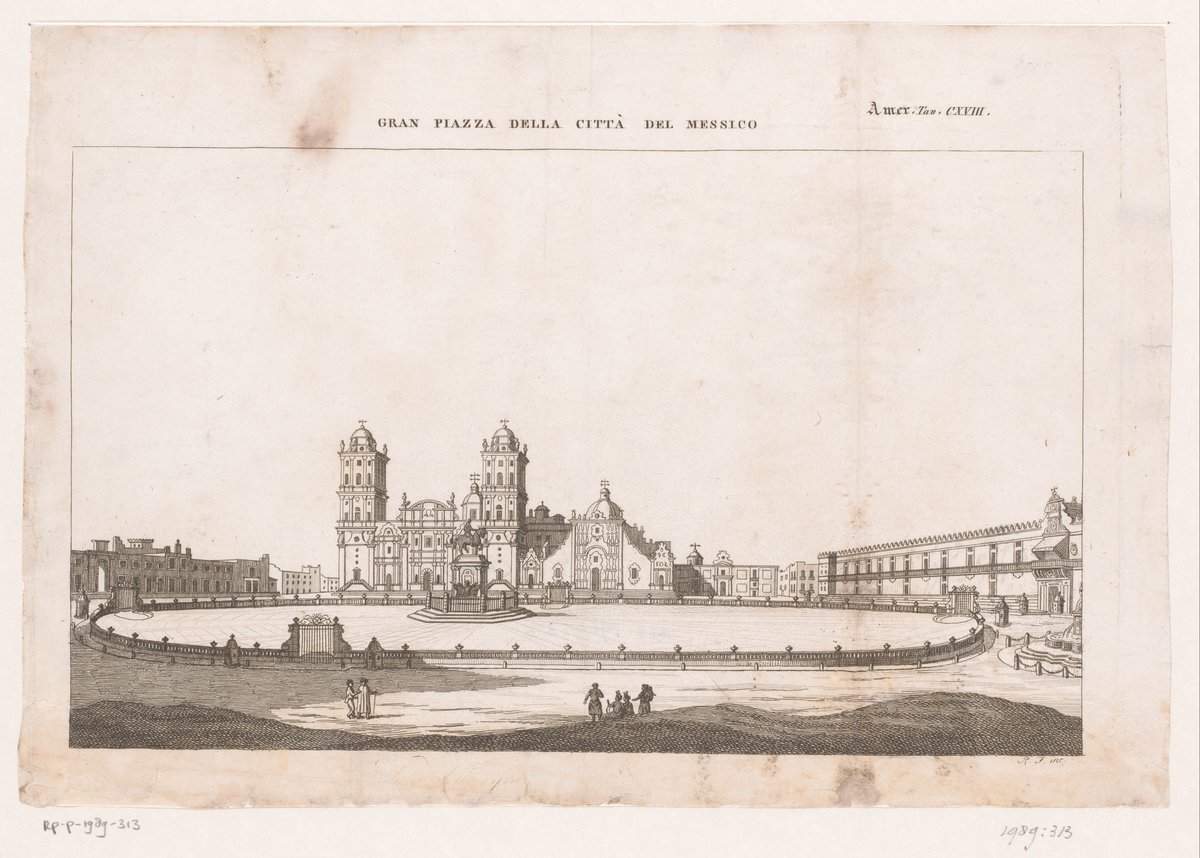
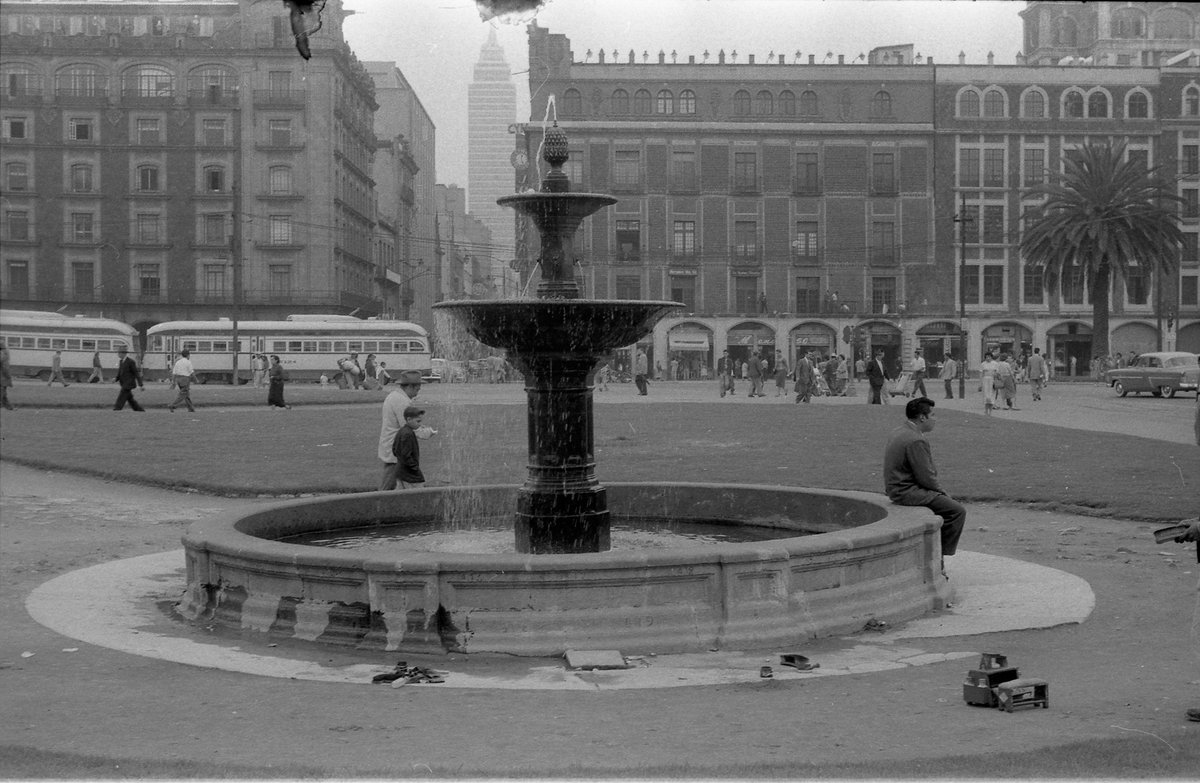
The Zócalo, formally known as Plaza de la Constitución, stands as the vibrant heart of Mexico City. This iconic square is not only the geographical center of the city but also a crucial landmark that embodies the rich tapestry of Mexico's history, culture, and social life. From its roots as a ceremonial center in the ancient Aztec city of Tenochtitlan to its transformation under Spanish colonial rule and its continued significance in modern Mexico, the Zócalo offers a fascinating journey through time. Visitors can explore a myriad of historical sites, including the Mexico City Metropolitan Cathedral, the National Palace, and the Templo Mayor, all of which frame this grand plaza and tell the stories of Mexico's past and present. Whether you're delving into the Aztec civilization, marveling at colonial architecture, or participating in national celebrations, the Zócalo serves as a living museum of Mexico's enduring legacy (Wikipedia, MexConnect, Is Mexico City).



Historical Significance
Pre-Colonial Era: Aztec Ceremonial Center
The Zócalo is situated on the site of the ancient Aztec city of Tenochtitlan. This area was the ceremonial heart of the Aztec Empire, known as the Teocalli, where significant religious and political activities took place. The Templo Mayor, the main temple of the Aztecs, was located just northeast of the modern-day Zócalo. According to Aztec legend, this site was considered the center of the universe (Wikipedia).
Colonial Period: Spanish Conquest and Transformation
In 1521, the Spanish conquistadors, led by Hernán Cortés, conquered Tenochtitlan. The Zócalo area was transformed into a European-style plaza, a common feature in Spanish colonial cities. The Spanish demolished the Aztec structures and built new ones, including the Mexico City Metropolitan Cathedral and the National Palace, over the ruins (MexConnect).
Post-Independence Era: Political and Social Hub
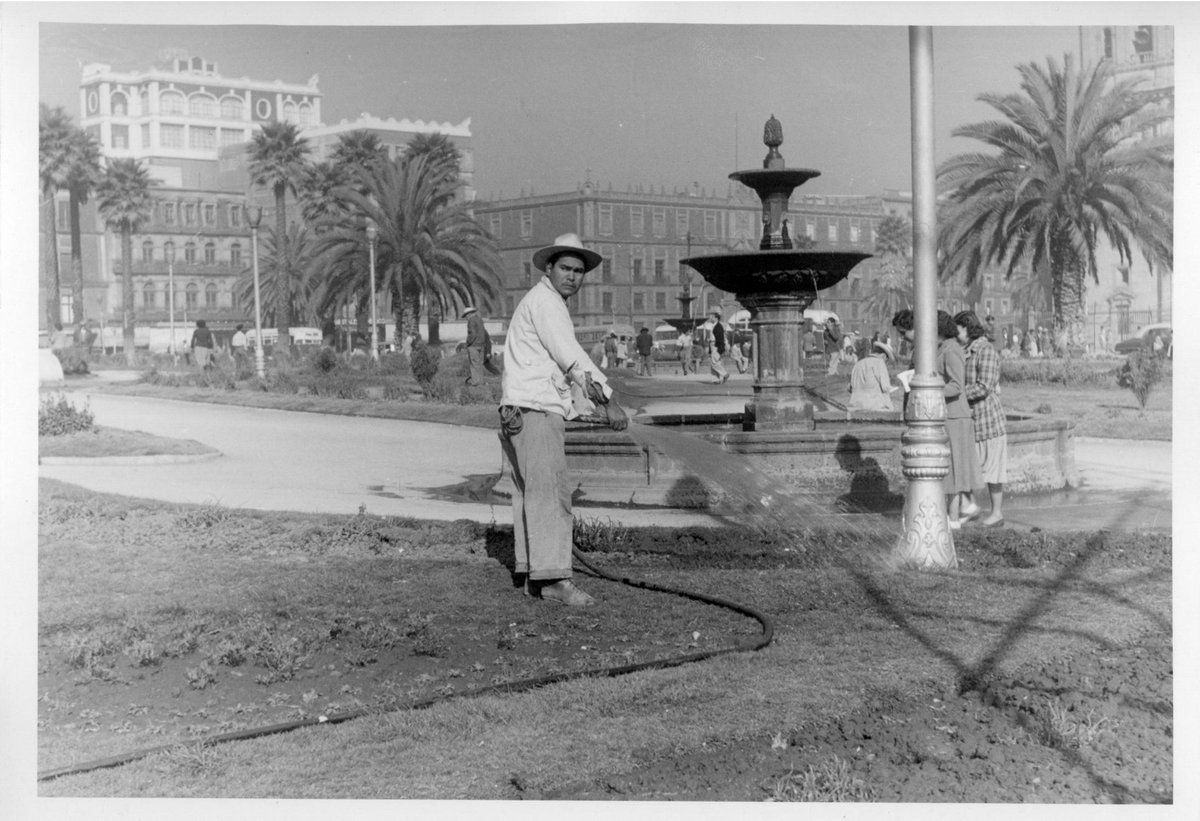
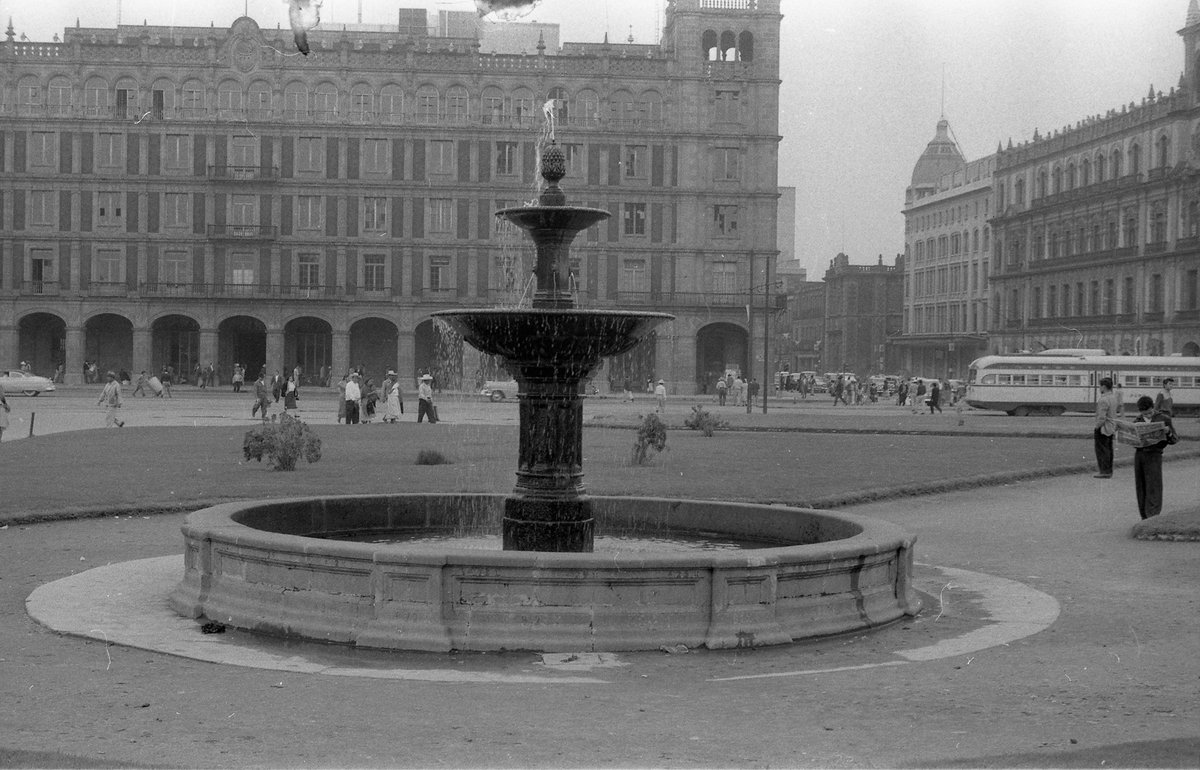
After Mexico gained independence from Spain in 1821, the Zócalo continued to serve as a central location for political and social activities. It has been the site of numerous significant events, including the swearing-in of viceroys, royal proclamations, military parades, and Independence Day celebrations. The square has also hosted foreign heads of state and served as a venue for national protests and celebrations (Wikipedia).
Modern Era: Cultural and Social Significance
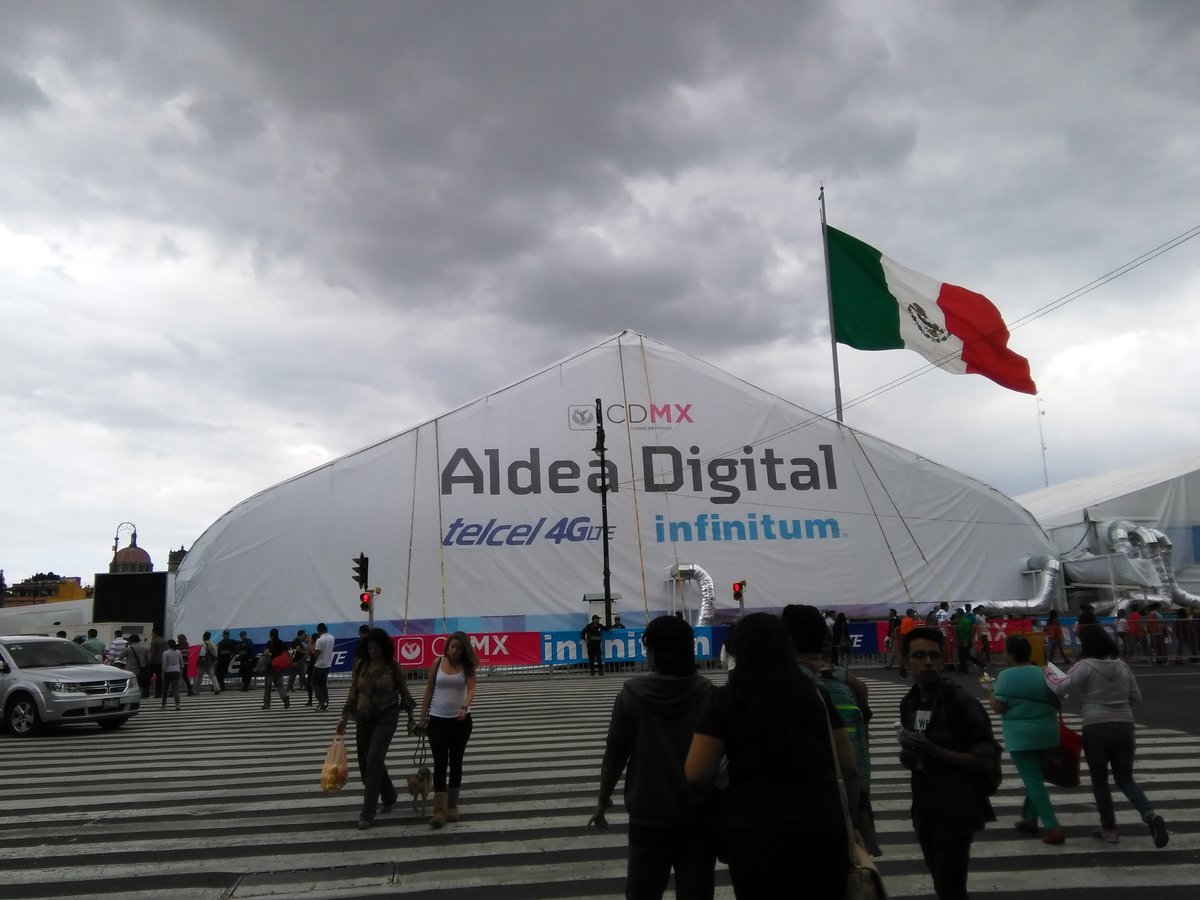
Today, the Zócalo remains a vibrant cultural and social hub. It hosts various events and celebrations throughout the year, including Cinco de Mayo, Independence Day, and Day of the Dead. These events attract both locals and tourists, offering a glimpse into Mexico's rich cultural heritage (Is Mexico City).
Visitor Information
Visiting Hours and Tickets
The Zócalo is open to the public 24/7, and there is no entrance fee for visiting the square itself. However, some surrounding attractions like the Metropolitan Cathedral and the Templo Mayor Museum may have specific visiting hours and admission fees. It's advisable to check the official websites for the most up-to-date information.
Travel Tips
- Getting There: The Zócalo is easily accessible by public transportation, including the metro (Line 2, Zócalo station) and various bus routes.
- Best Time to Visit: Early mornings or late afternoons are ideal for avoiding crowds and capturing great photos.
- Safety: While the Zócalo is generally safe, it's always wise to be cautious of your belongings and avoid late-night visits alone.
Nearby Attractions
- Templo Mayor: An archaeological site and museum offering insights into Aztec civilization.
- Palacio de Bellas Artes: A stunning cultural center just a short walk away.
- Alameda Central: A beautiful park perfect for a leisurely stroll.
Architectural Evolution
Blending of Styles
The architecture surrounding the Zócalo reflects the blending of different historical periods. The Metropolitan Cathedral, for example, showcases a mix of Gothic, Baroque, and Neoclassical styles due to its long construction period. Similarly, the National Palace combines colonial and modern elements, symbolizing the evolution of Mexican architecture over the centuries (MexConnect).
Symbol of National Identity
Flag Ceremony
A significant feature of the Zócalo is the enormous Mexican flag in its center. The flag is ceremoniously raised and lowered each day by soldiers of the Mexican army, symbolizing national pride and unity. This daily ritual is a poignant reminder of the Zócalo's role as a symbol of Mexican identity (Lonely Planet).
Diego Rivera's Murals
Diego Rivera's murals in the National Palace are another important symbol of national identity. These murals depict key moments in Mexican history, from the Aztec civilization to the Mexican Revolution, and serve as a visual representation of the country's rich and complex past (Mexico Insider).
FAQ
- What are the Zócalo's visiting hours? The Zócalo is open 24/7, but check specific hours for nearby attractions.
- Is there an entrance fee? The Zócalo itself is free, but some attractions may have admission fees.
- How do I get to the Zócalo? The Zócalo is accessible via metro (Line 2) and various bus routes.
- What events take place in the Zócalo? The Zócalo hosts events like Cinco de Mayo, Independence Day, and Day of the Dead celebrations.
Discover More
Planning a visit to Mexico City? Don't miss out on exploring the Zócalo and its surrounding attractions. Download our mobile app Audiala for more travel tips and follow us on social media for the latest updates and guides.
Tickets & tours.
These are guided options from our partners — same price as booking direct.
Prices are indicative — final pricing and availability are confirmed at checkout. Audiala may earn a commission from bookings made through these links.
Listen to the full story in the app
The whole Zócalo,
told well.
Audio guides for 1,100+ cities across 96 countries. History, stories, and local insight — offline ready.
Verified, and shown.
Researched and written by the Audiala editorial team from historical records, architectural archives, and local expertise.
Researched from Wikidata, Wikipedia & official sources · fact-checked · How we make our guides →