Plan and listen to Universidad Pontificia De México with Audiala.
Audio guide in your pocket, itinerary in your browser. Built for the way you actually visit.
Introduction
Nestled in the vibrant metropolis of Mexico City, the Universidad Pontificia de México (UPM) stands as a living testament to the city’s rich educational, religious, and cultural legacy. Tracing its origins to 1551 as the Royal and Pontifical University of Mexico—the first university in North America—UPM’s history is deeply interwoven with the colonial, spiritual, and academic fabric of Latin America (Encyclopedia.com, Britannica). This guide provides a detailed overview of its historical significance, visitor information, campus highlights, and tips for exploring the surrounding historical sites of Mexico City.
History and Cultural Significance
Founding and Colonial Roots
Established by royal decree from King Charles I of Spain on September 21, 1551, the Royal and Pontifical University of Mexico was the first university in North America and the second in the Americas, following the Universidad de Santo Domingo. Its foundation came in the wake of the Spanish conquest, built on the ruins of an Aztec temple and symbolizing the merging of indigenous and colonial histories. The university officially opened in 1553, quickly becoming a central institution for higher learning in New Spain (Encyclopedia.com).
Academic Influence and Evolution
The academic structure was modeled after Spain’s University of Salamanca, offering degrees in theology, law, medicine, and the arts—fields crucial for the formation of clergy and administrators in the Spanish colonies. The university became the intellectual and spiritual heart of colonial Mexico, influencing generations of scholars and leaders (Britannica).
Architectural Heritage
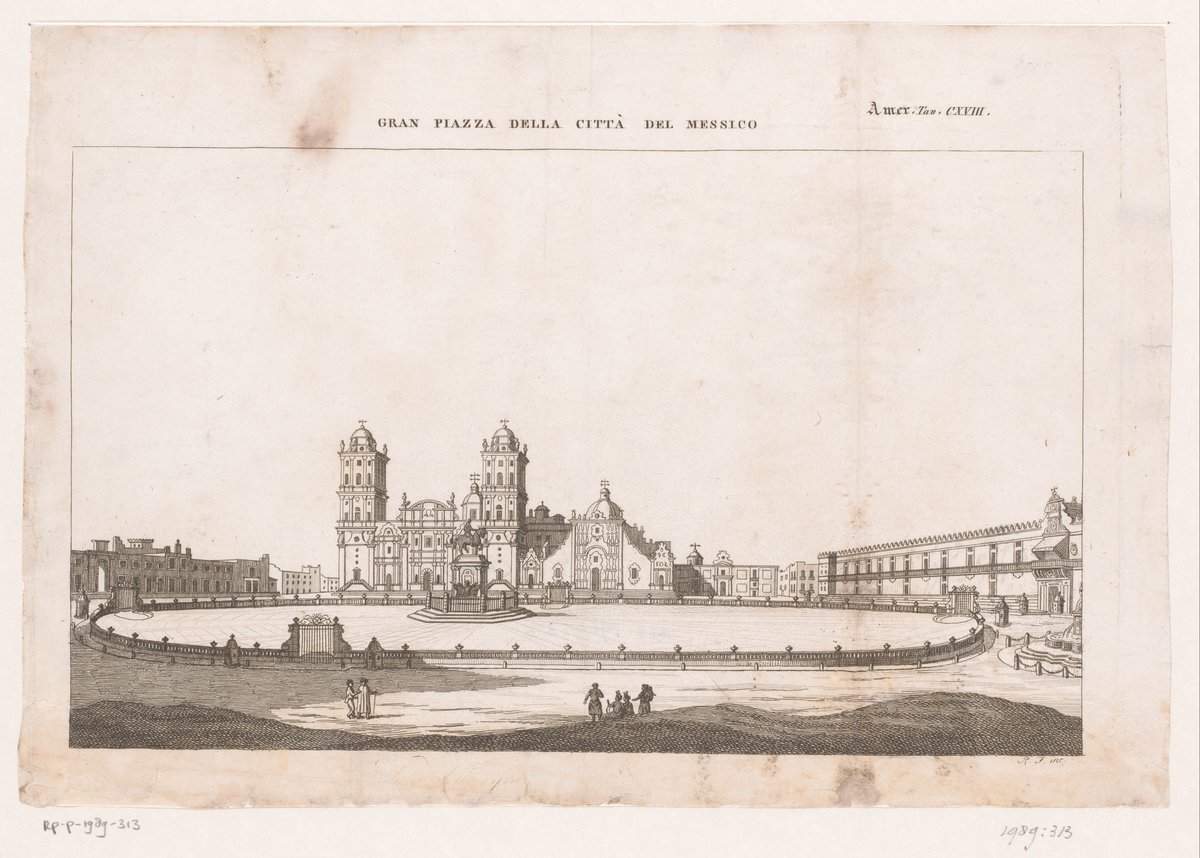
The university’s historic buildings, such as those originally situated at Plaza del Volador and Calle Moneda, reflect centuries of architectural evolution. While the original structures have undergone transformations, their legacy is preserved in archaeological remains and restored facades visible today, including at the UNAM Palace of Autonomy. These spaces are often included in historical walking tours of Mexico City, providing insights into the city’s colonial and pre-Hispanic roots.
Role in Mexican Society and Education
Throughout the colonial era and beyond, UPM educated leading clergy, jurists, and scientists, shaping the intellectual and cultural landscape of Mexico. Its library and archives have served as crucial repositories of knowledge, supporting both religious and secular scholarship.
Reforms, Closure, and Revival
Political reforms in the 19th century led to the university’s closure during the drive to secularize education. Its traditions and intellectual legacy were later carried forward by the National Autonomous University of Mexico (UNAM), founded in 1910. In 1982, UPM was re-established as a private Catholic institution in the Tlalpan district, with a renewed focus on theology, philosophy, canon law, and related fields (Top Universities List).
Visiting UPM: Practical Information
Hours, Tickets, and Accessibility
Main Campus (Tlalpan):
- Address: Guadalupe Victoria #98, Col. Tlalpan Centro, C.P. 14000, CDMX, Mexico
- Hours: Monday–Friday, 8:00 AM–6:00 PM
- Admission: Free general entry; valid photo ID required at check-in.
- Guided Tours: Available by prior arrangement through the admissions office.
- Accessibility: The campus features ramps, elevators, and accessible restrooms for visitors with disabilities.
Historical and Museum Sites (e.g., UNAM Palace of Autonomy):
- Hours: Typically Tuesday–Sunday, 10:00 AM–5:00 PM
- Admission: Free or by nominal donation; special events or guided tours may require advance booking and a small fee.
Campus Highlights and Visitor Facilities
- Main Academic Building: Modern design with open, light-filled spaces.
- Chapel: Central to campus life, hosting daily Mass and religious events.
- Library: Extensive collections in theology, philosophy, and humanities, open to external researchers by appointment.
- Gardens and Courtyards: Peaceful, landscaped areas for reflection and photography.
- Auditoriums and Community Spaces: Venues for lectures, conferences, and cultural events.
Dress Code: Modest attire is recommended, especially for religious or formal spaces.
Photography: Permitted outdoors; indoors or during events, please request permission in advance.
Travel Tips and Local Attractions
- Getting There: Easily accessible by Metrobus, local buses, taxis, or ride-sharing. The campus is about 30–45 minutes from downtown Mexico City.
- Nearby Attractions:
- Tlalpan Historic Center: Colonial churches, artisan shops, and traditional markets.
- Metropolitan Cathedral, National Palace, and Templo Mayor: Key sites in Mexico City’s historic center.
- Coyoacán: Home to the Frida Kahlo Museum and vibrant plazas.
- Safety: The campus is secure, but standard precautions are advised when traveling in Mexico City.
- Climate: Mexico City’s altitude means mild temperatures; dress in layers and stay hydrated.
Academic and Cultural Activities
UPM hosts a variety of public lectures, symposia, exhibitions, and liturgical celebrations. The university’s active outreach and partnerships with local parishes and cultural institutions reinforce its commitment to social justice and community engagement.
Frequently Asked Questions (FAQ)
Q: What are the visiting hours for Universidad Pontificia de México?
A: Monday–Friday, 8:00 AM–6:00 PM. Some historical sites may have different hours.
Q: Is there an entrance fee?
A: General admission is free; some special events or tours may require registration or a fee.
Q: Are guided tours offered?
A: Yes, guided tours are available by prior arrangement.
Q: Is the campus accessible for people with disabilities?
A: Yes, there are ramps, elevators, and accessible restrooms.
Q: Can I access the library as a visitor?
A: Yes, by appointment; the library is renowned for its theological and humanities collections.
Q: What should I wear?
A: Modest attire is recommended, especially for chapel visits or formal events.
Discover More
The Universidad Pontificia de México is not only a seat of academic excellence but also a living monument to Mexico’s religious and cultural heritage. Whether you are drawn by its history, architecture, or spiritual depth, a visit to UPM offers a rewarding window into centuries of learning and faith.
Plan your visit today:
- Check the latest event schedules and visitor information on the official UPM website.
- Download the Audiala app for interactive maps, guided tours, and up-to-date campus news.
- Follow UPM on social media to stay connected with ongoing academic and cultural activities.
Explore the university and its surrounding historical sites for a comprehensive experience of Mexico City’s past and present.
Listen to the full story in the app
The whole Universidad Pontificia De México,
told well.
Audio guides for 1,100+ cities across 96 countries. History, stories, and local insight — offline ready.

Verified, and shown.
Researched and written by the Audiala editorial team from historical records, architectural archives, and local expertise.
Researched from Wikidata, Wikipedia & official sources · fact-checked · How we make our guides →