Plan and listen to Torre Del Caballito with Audiala.
Audio guide in your pocket, itinerary in your browser. Built for the way you actually visit.
Introduction
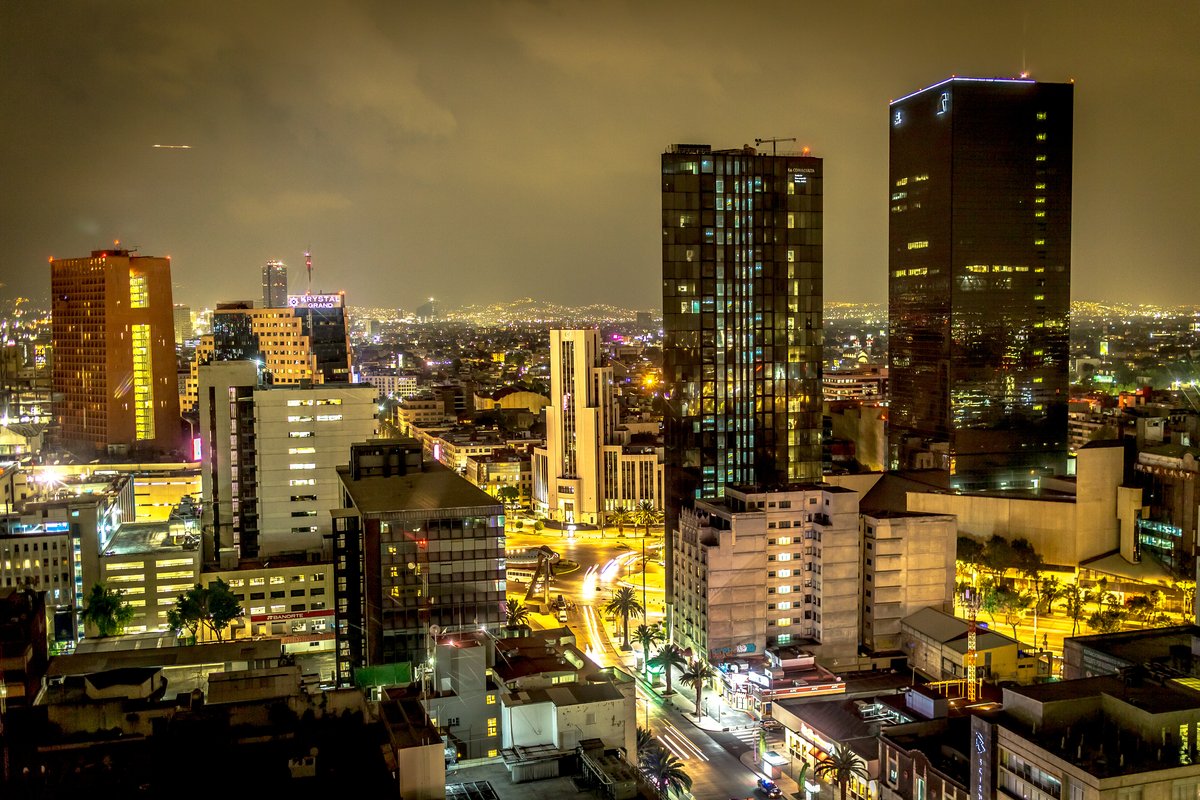
Torre del Caballito is one of Mexico City’s most prominent architectural and cultural landmarks. Rising 135 meters above the bustling Paseo de la Reforma, this modernist skyscraper blends cutting-edge engineering with rich artistic heritage. The tower’s surrounding plaza, crowned by Sebastián’s striking yellow “Cabeza de Caballo” sculpture, offers a unique glimpse into the city’s history, urban evolution, and creative spirit. Whether you’re an architecture enthusiast, art lover, or curious traveler, Torre del Caballito stands as a gateway to Mexico City’s vibrant public life and historical tapestry (Skyscraper Center, elcaballodeturin.com, Mexico City Official Website).

Origins and Development
Torre del Caballito’s history is tightly interwoven with Mexico City’s urban transformation of the late 20th century. Construction began in 1978, originally conceived as the Holiday Inn Plaza Caballito, a 60-story luxury hotel. Economic crises and the devastating 1985 earthquake halted the project, which was eventually reimagined and completed in 1988 as a modern office tower (Wikipedia, edemx.com). The final structure stands 135 meters tall, with 33 floors of office space and 15 underground parking levels.
Architectural Design and Engineering
Exterior and Structure
Designed by Adolfo Wiechers Escandón and Grupo Posadas de México, Torre del Caballito exhibits a sleek, modernist style. Its reflective glass and steel façade create a striking presence along Paseo de la Reforma, contrasting with neighboring neoclassical and contemporary buildings (Skyscraper Center). The building’s reinforced concrete core and steel frame were engineered to withstand the region’s seismic risks, using 70 seismic shock absorbers and 185 concrete piles driven 60 meters deep—critical for stability on the former lakebed beneath Mexico City (Wikipedia).
Innovative Systems
Torre del Caballito was among the city’s first “intelligent” buildings, equipped with a Building Management System (BMS) to control lighting, climate, elevators, and fire safety. The system optimizes energy use and enhances security, while the glass façade reduces solar heat gain and maximizes natural light.
Sustainability
Though predating modern green certifications, its BMS and efficient design promote energy and water conservation. The tower’s location encourages sustainable commuting via public transit.
The Name and Symbolism
The name “Torre del Caballito” pays homage to the site’s artistic legacy. Originally, the location featured Manuel Tolsá’s equestrian statue of King Charles IV—“El Caballito”—which was later moved to the National Art Museum (MUNAL) (elcaballodeturin.com). To maintain the horse motif, a new monumental sculpture was commissioned: Sebastián’s “Cabeza de Caballo,” unveiled in 1992.
This 28-meter-tall, yellow steel sculpture is both a work of public art and a functional vent for the city’s deep drainage system, ingeniously merging beauty and utility (Mexico City Official Website, Infobae). The horse’s head symbolizes strength, progress, and the city’s forward-looking identity.
Historical and Urban Context
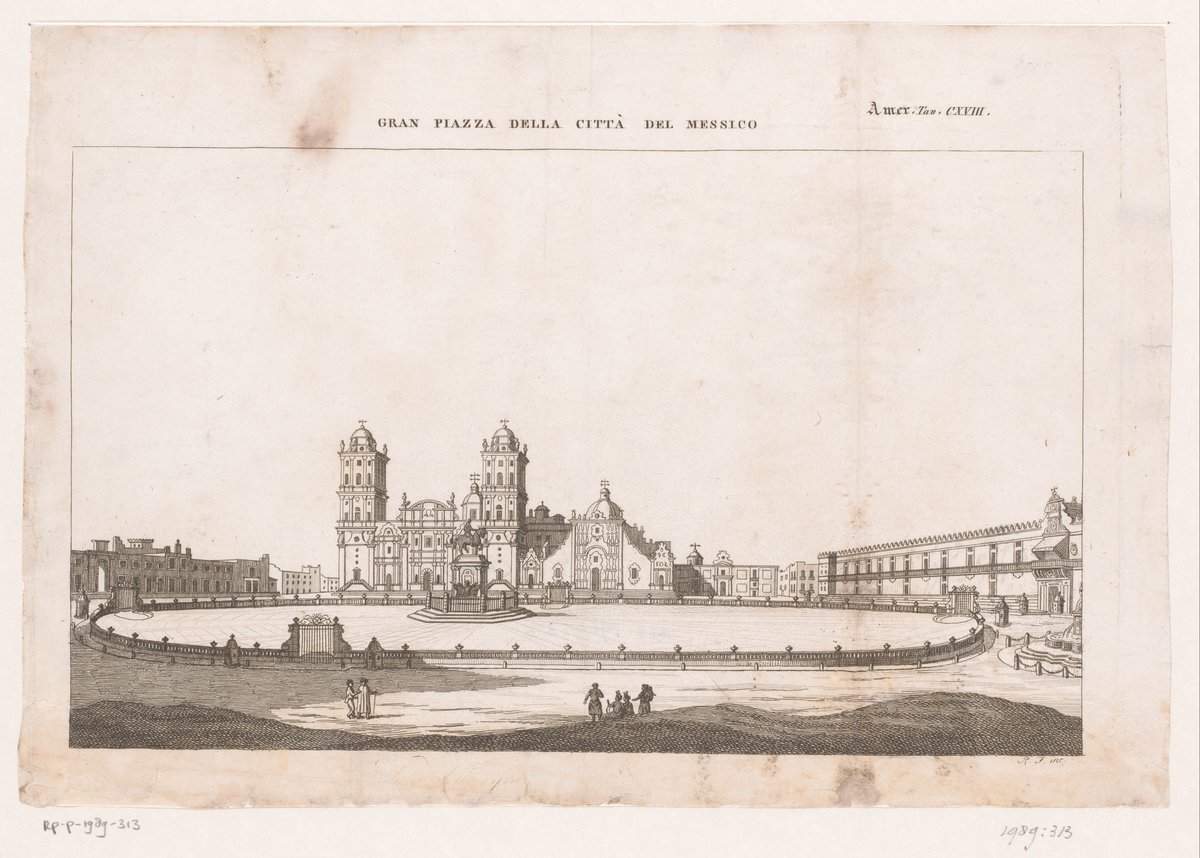
Located at Paseo de la Reforma 10 in the Tabacalera neighborhood, Torre del Caballito occupies a historic and strategic point in the city. Paseo de la Reforma, inspired by European boulevards, is a central artery lined with monuments, green spaces, and major institutions. The area around the tower has long been a hub of civic life, hosting parades, cultural events, and daily urban activity (MexicoHistorico.com).
The interplay between Torre del Caballito’s modernist architecture and Sebastián’s abstract sculpture reflects Mexico City’s blend of tradition and innovation, making it a visual anchor and a symbol of urban resilience.
Visiting Hours and Tickets
- Sculpture and Plaza Access: The “Cabeza de Caballo” sculpture and the surrounding plaza are open and accessible 24 hours a day.
- Building Interior: Torre del Caballito is a functioning office building and does not offer public interior tours.
- Tickets: There is no admission fee to visit the plaza or view the sculpture.
- Guided Tours: Some architectural walking and bike tours of Paseo de la Reforma include the tower and sculpture as highlights (Evendo).
Accessibility and Travel Tips
- Location: Av. Paseo de la Reforma 10, Tabacalera, Cuauhtémoc, Mexico City.
- Public Transport:
- Metro: Line 2 (Blue Line) to Bellas Artes station, then a 10-minute walk.
- Bus: Lines marked ‘Reforma’ or ‘Centro Histórico’ stop nearby.
- Ride-sharing: Uber and similar services are safe and convenient (The Unconventional Route).
- Accessibility: The plaza and sidewalks are wheelchair-friendly.
- Best Time to Visit: Daylight hours, especially around sunset for photography. Spring (March–May) is ideal due to mild weather (Travellers Worldwide).
- Safety: The area is generally safe during the day; use ride-sharing at night.
Nearby Attractions
Torre del Caballito is surrounded by major cultural and historical sites:
- National Art Museum (MUNAL): Home to the original “El Caballito” statue.
- Palacio de Minería: A neoclassical building hosting exhibitions and events.
- Alameda Central Park: A historic public park ideal for a stroll.
- Monumento a la Revolución: A monument and museum celebrating Mexican history.
- Museo Nacional de Antropología and Chapultepec Castle: Easily accessible for extended explorations (trek.zone).
Cultural Impact and Community
Torre del Caballito is more than a skyscraper—it is a gathering point for locals and tourists, a subject of art and photography, and a backdrop for civic events like the Día de Muertos parade. The area’s lively atmosphere is enhanced by street vendors, artists, and public performances. The landmark’s integration of art, engineering, and urban life exemplifies Mexico City’s creative energy and layered history (MexicoHistorico.com).
FAQ
Q: Can I enter Torre del Caballito for a tour?
A: No, the building is primarily office space and is not open for public interior visits.
Q: Are there entrance fees?
A: No, viewing the sculpture and exterior is free.
Q: What are the visiting hours?
A: The plaza and sculpture are accessible 24/7; best visited in daylight.
Q: How do I get there by public transport?
A: Metro Line 2 (Bellas Artes station) or buses marked ‘Reforma.’
Q: What other attractions are nearby?
A: MUNAL, Palacio de Minería, Alameda Central, and Monumento a la Revolución.
Listen to the full story in the app
The whole Torre Del Caballito,
told well.
Audio guides for 1,100+ cities across 96 countries. History, stories, and local insight — offline ready.
Verified, and shown.
Researched and written by the Audiala editorial team from historical records, architectural archives, and local expertise.
Researched from Wikidata, Wikipedia & official sources · fact-checked · How we make our guides →