Plan and listen to Tlaxcoaque with Audiala.
Audio guide in your pocket, itinerary in your browser. Built for the way you actually visit.
Introduction
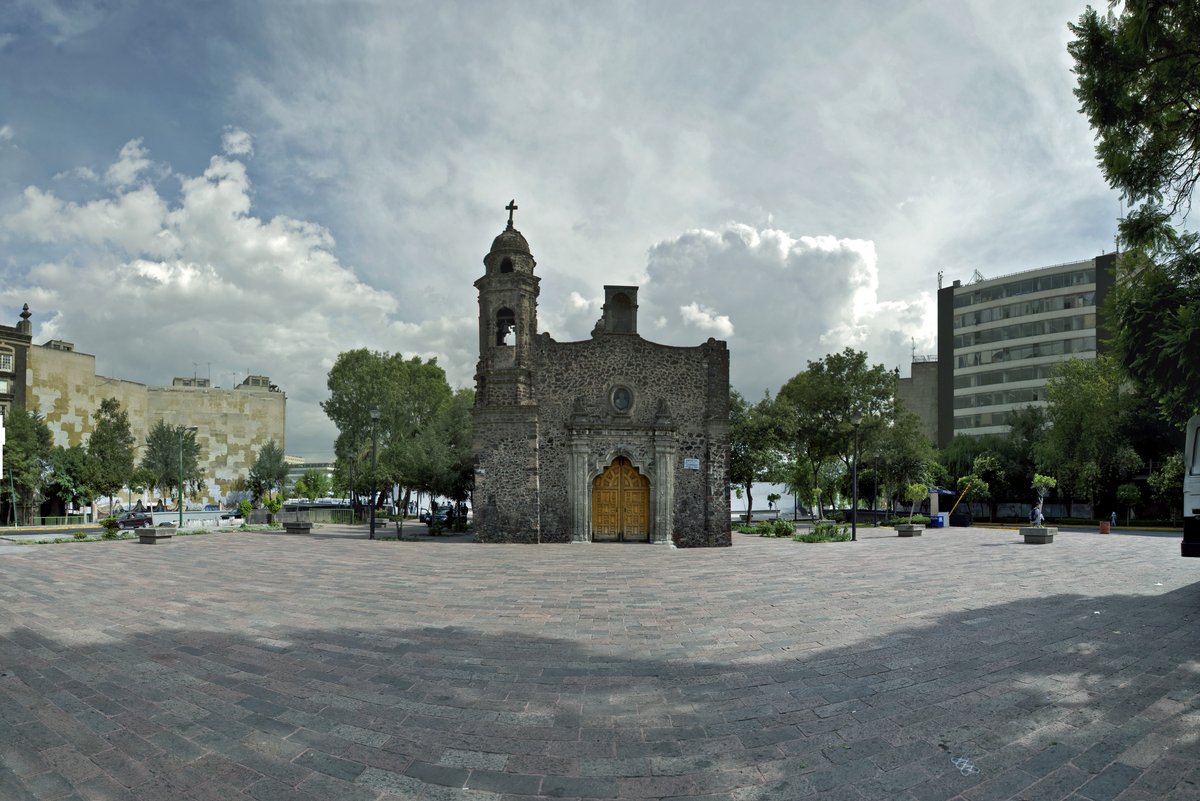
Plaza Tlaxcoaque, located in the bustling heart of Mexico City, is not just a public square but a living testament to the rich tapestry of Mexico’s history. From its origins as a gateway to the ancient Aztec capital of Tenochtitlan to its transformation through the Spanish colonial era and its role in the Mexican Inquisition, this plaza has witnessed centuries of change and evolution. Today, it stands as a vibrant cultural hub, seamlessly blending its storied past with the lively present of one of the world’s largest cities. Visitors are drawn not only by its historical significance but also by the myriad of attractions that surround it, such as the Palacio de Cultura Tlaxcoaque and the Memorial to Victims of the Inquisition, which offer profound insights into the cultural and historical dynamics of Mexico City. Whether you are a history buff, a culture enthusiast, or a casual traveler, Plaza Tlaxcoaque is a must-visit destination that promises a unique and enriching experience. (Exploring Plaza Tlaxcoaque, 2024)

Exploring Plaza Tlaxcoaque - History, Visiting Hours, and Cultural Highlights in Mexico City
Plaza Tlaxcoaque, nestled in the heart of Mexico City, boasts a history as rich and layered as the nation itself. Its story intertwines with pre-Hispanic civilizations, colonial influences, and the bustling metropolis it finds itself in today. Whether you're a history enthusiast or a casual traveler, this guide will help you explore the significance and visitor details of Plaza Tlaxcoaque.
A Look Back - Plaza Tlaxcoaque's Storied Past
Pre-Hispanic Era - A Gateway to Tenochtitlan
Long before the Spanish conquest, the area now known as Plaza Tlaxcoaque served as a crucial entry point to the grand Aztec capital, Tenochtitlan. One of the causeways connecting the island city to the mainland, known as "Tlacoqualco," traversed this very spot. This causeway, meaning "place where they use darts," likely served as a defensive point for the Aztecs.
Colonial Transformation - From Marketplace to Inquisition
The Spanish conquest brought significant changes to the area. The bustling marketplace that once thrived here was transformed into a site marked by colonial structures. One such edifice was the Hospital de San Juan de Dios, established in the 16th century to care for the indigenous population.
A darker chapter unfolded in the 17th century when the Plaza became home to the Tribunal del Santo Oficio, the infamous Mexican Inquisition. This period saw the persecution of those deemed heretical, casting a shadow over the Plaza's history.
19th and 20th Centuries - A Space in Transition
The 19th century ushered in a period of change and upheaval for Mexico. Plaza Tlaxcoaque witnessed the echoes of these transformations. The Inquisition was abolished, and the Plaza took on various roles, including serving as a bullring for a time.
The 20th century saw the Plaza undergo significant urban development. The construction of Avenida 20 de Noviembre cut through the area, forever altering its landscape. Despite these changes, Plaza Tlaxcoaque remained a vibrant public space, a testament to its enduring significance in the city's fabric.
Plaza Tlaxcoaque Today - A Blend of History and Modernity
Today, Plaza Tlaxcoaque stands as a testament to the passage of time, a space where echoes of the past intertwine with the vibrancy of modern Mexico City.
The Palacio de Cultura Tlaxcoaque - A Cultural Hub
Dominating the Plaza is the imposing Palacio de Cultura Tlaxcoaque. This grand building, once a colonial-era customs house, now serves as a vibrant cultural center. Within its walls, visitors can explore a range of exhibitions, from historical artifacts to contemporary art. The Palacio stands as a symbol of the Plaza's transformation from a site of commerce and control to a hub of cultural expression.
The Memorial to Victims of the Inquisition - Remembering the Past
A poignant reminder of a darker chapter in the Plaza's history is the Memorial to Victims of the Inquisition. This somber monument, featuring a sculpture of a chained figure breaking free, serves as a tribute to those who suffered under the Inquisition's reign. It stands as a powerful symbol of the importance of remembering the past and striving for a more just future.
A Gathering Place for the Community
Beyond its historical significance, Plaza Tlaxcoaque remains a vital public space for the residents of Mexico City. It's a place where people gather, socialize, and enjoy the city's vibrant atmosphere. Street vendors offer their wares, adding to the lively ambiance. The Plaza's central location and historical resonance make it a popular destination for both locals and tourists alike.
Visitor Information - Making the Most of Your Visit
Plaza Tlaxcoaque Visiting Hours
Plaza Tlaxcoaque is open to the public 24 hours a day, seven days a week. However, specific attractions within the Plaza, such as the Palacio de Cultura Tlaxcoaque, have their own visiting hours, typically from 10 AM to 6 PM.
Plaza Tlaxcoaque Tickets
There is no admission fee to enter Plaza Tlaxcoaque itself. However, entry to certain exhibitions or events at the Palacio de Cultura Tlaxcoaque may require a ticket. Ticket prices vary depending on the exhibition and can be purchased at the entrance or online.
Nearby Attractions
While visiting Plaza Tlaxcoaque, consider exploring nearby historical sites in Mexico City. The Zócalo, Mexico City's main square, is just a short walk away and offers a wealth of cultural and historical landmarks, including the Metropolitan Cathedral and the National Palace.
Travel Tips
- Public Transport - Plaza Tlaxcoaque is easily accessible by public transport. The closest metro station is Pino Suárez, which is a short walk from the Plaza.
- Best Time to Visit - The Plaza is less crowded during weekdays, making it an ideal time for a more relaxed visit.
- Safety - While the area is generally safe, it's always wise to stay aware of your surroundings and keep an eye on your belongings.
FAQ
What are the visiting hours for Plaza Tlaxcoaque?
Plaza Tlaxcoaque is open 24/7, but specific attractions within the Plaza have their own visiting hours, typically from 10 AM to 6 PM.
How much are tickets to Plaza Tlaxcoaque?
There is no admission fee to enter Plaza Tlaxcoaque itself. However, some exhibitions or events at the Palacio de Cultura Tlaxcoaque may require a ticket. Prices vary and can be purchased at the entrance or online.
Listen to the full story in the app
The whole Tlaxcoaque,
told well.
Audio guides for 1,100+ cities across 96 countries. History, stories, and local insight — offline ready.
Verified, and shown.
Researched and written by the Audiala editorial team from historical records, architectural archives, and local expertise.
Researched from Wikidata, Wikipedia & official sources · fact-checked · How we make our guides →