Plan and listen to Templo Mayor with Audiala.
Audio guide in your pocket, itinerary in your browser. Built for the way you actually visit.
Introduction: The Legacy of the Templo Mayor
Located in the heart of Mexico City’s historic center, the Templo Mayor stands as a testament to the grandeur and complexity of the Aztec civilization. Once the spiritual and political core of Tenochtitlan—the vibrant Mexica capital—the site continues to captivate visitors with its rich history, architectural marvels, and cultural significance. The Templo Mayor, or “Great Temple,” was dedicated to the twin deities Huitzilopochtli and Tlaloc, embodying the duality at the heart of Aztec cosmology. Its rediscovery in the late 20th century reignited interest in Mexico’s indigenous heritage, leading to extensive archaeological excavations and the creation of the Templo Mayor Museum. Today, this UNESCO World Heritage site offers an unparalleled window into Aztec art, ritual, and society and serves as a powerful symbol of Mexican identity (Metropolitan Museum of Art, Storied Sunset, TripSavvy).
This guide provides everything you need for a memorable visit to Templo Mayor, including ticket information, visiting hours, accessibility, travel tips, and highlights of nearby attractions.
- Introduction
- Origins and Construction of Templo Mayor
- Architectural Features and Symbolism
- Religious and Cultural Significance
- Destruction and Rediscovery
- Archaeological Discoveries and the Museum
- Visitor Experience: Tickets, Hours & Accessibility
- Travel Tips and Nearby Attractions
- The Templo Mayor’s Role in Aztec Civilization
- National Significance in Modern Mexico
- The Templo Mayor in Contemporary Culture
- Site of Memory and Reflection
- FAQs
- Planning Your Visit
- References

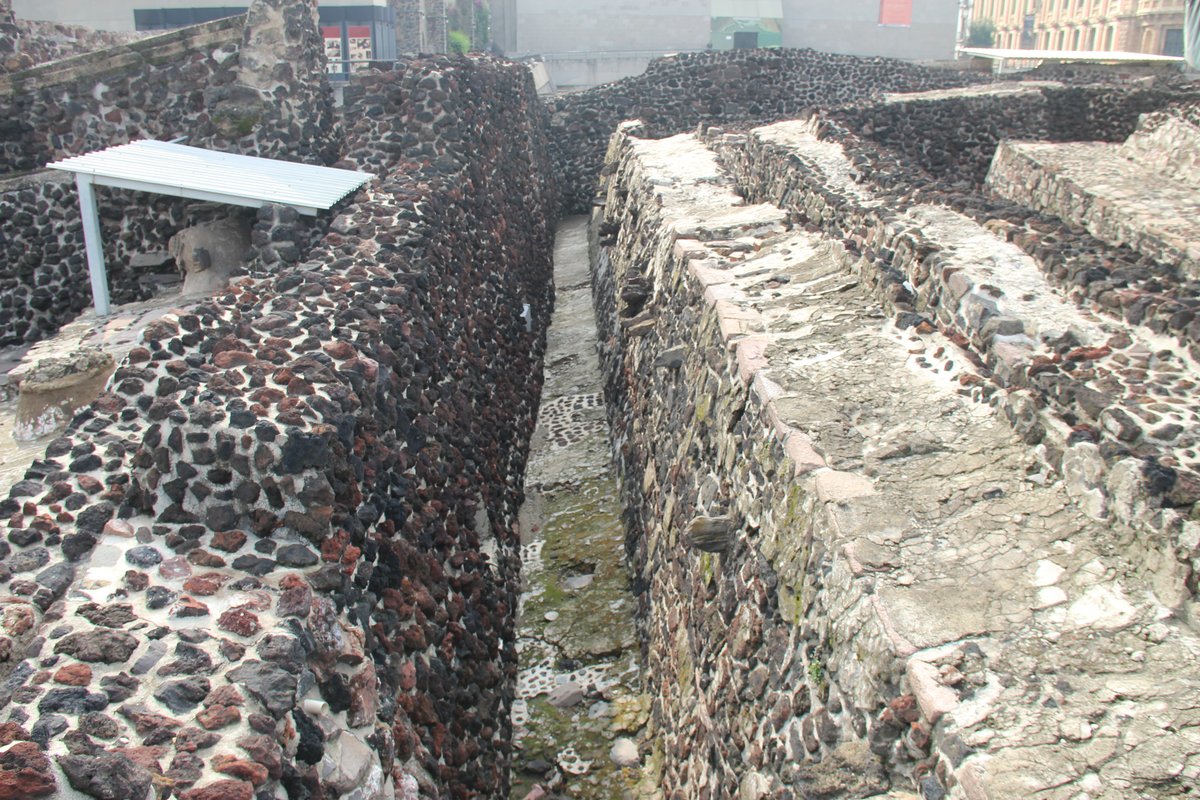
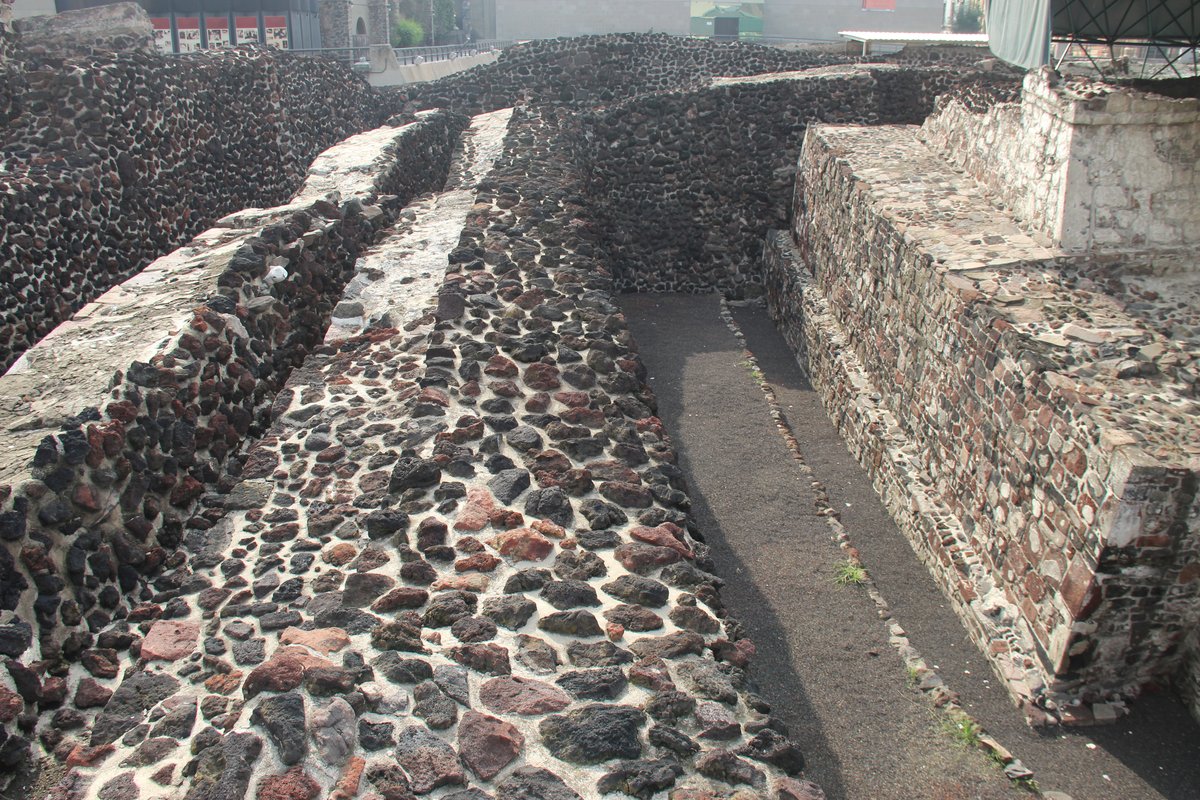
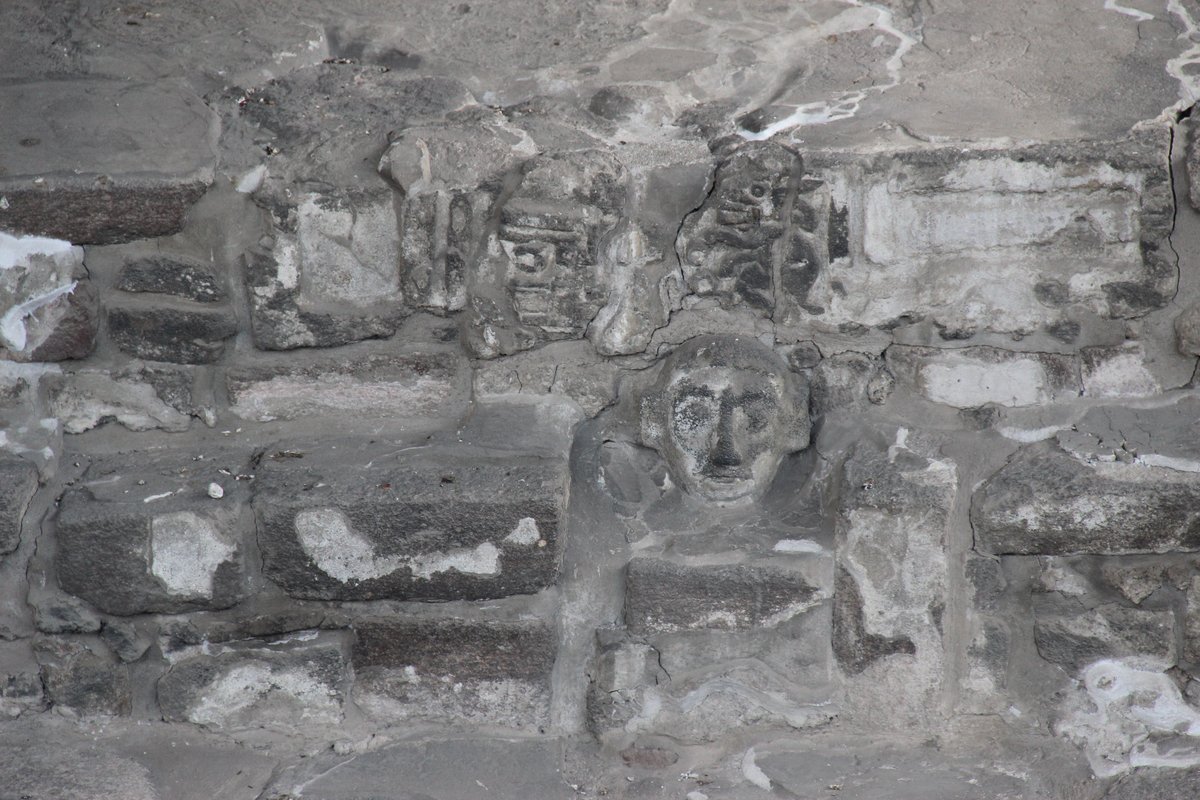
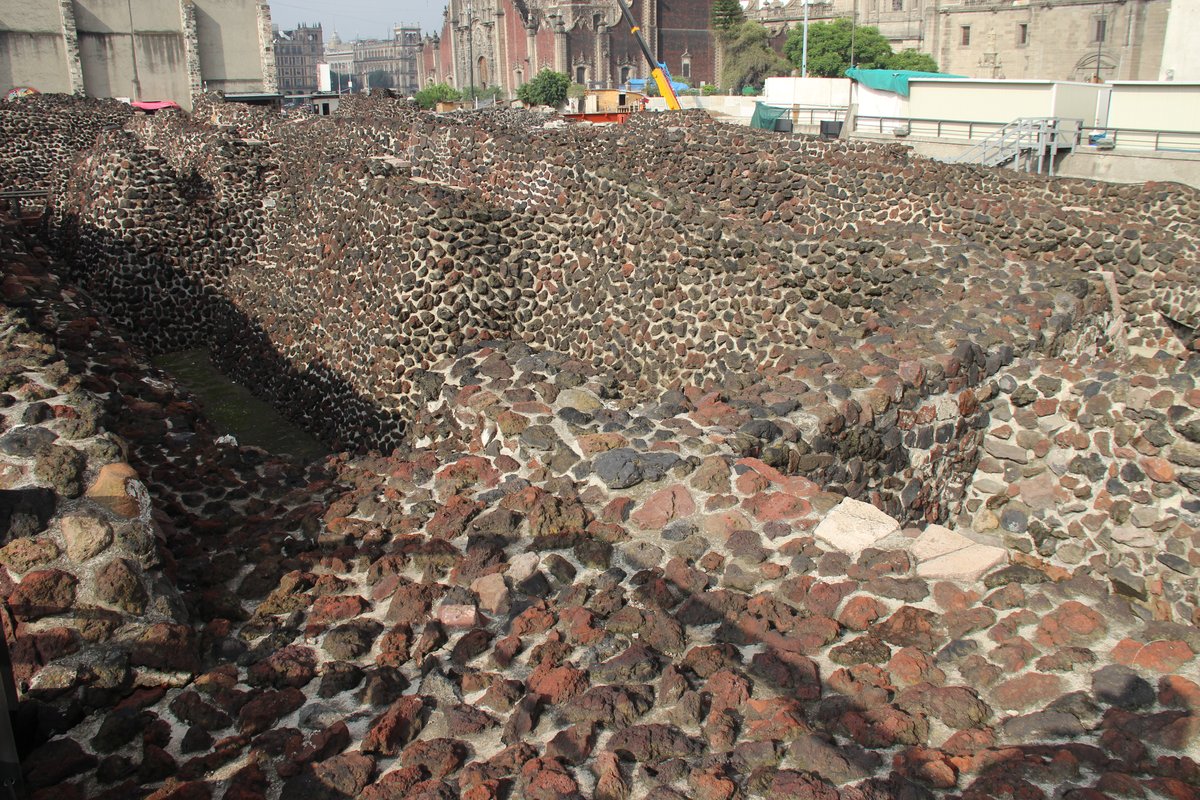
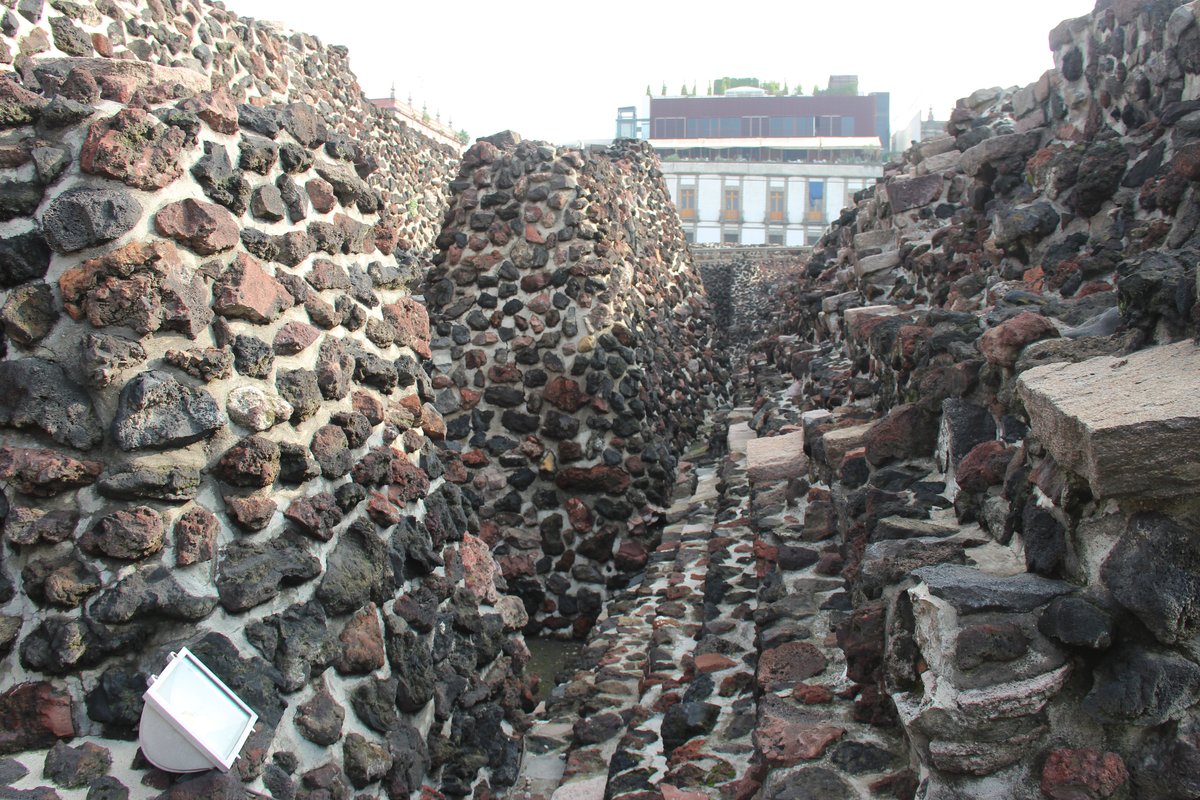
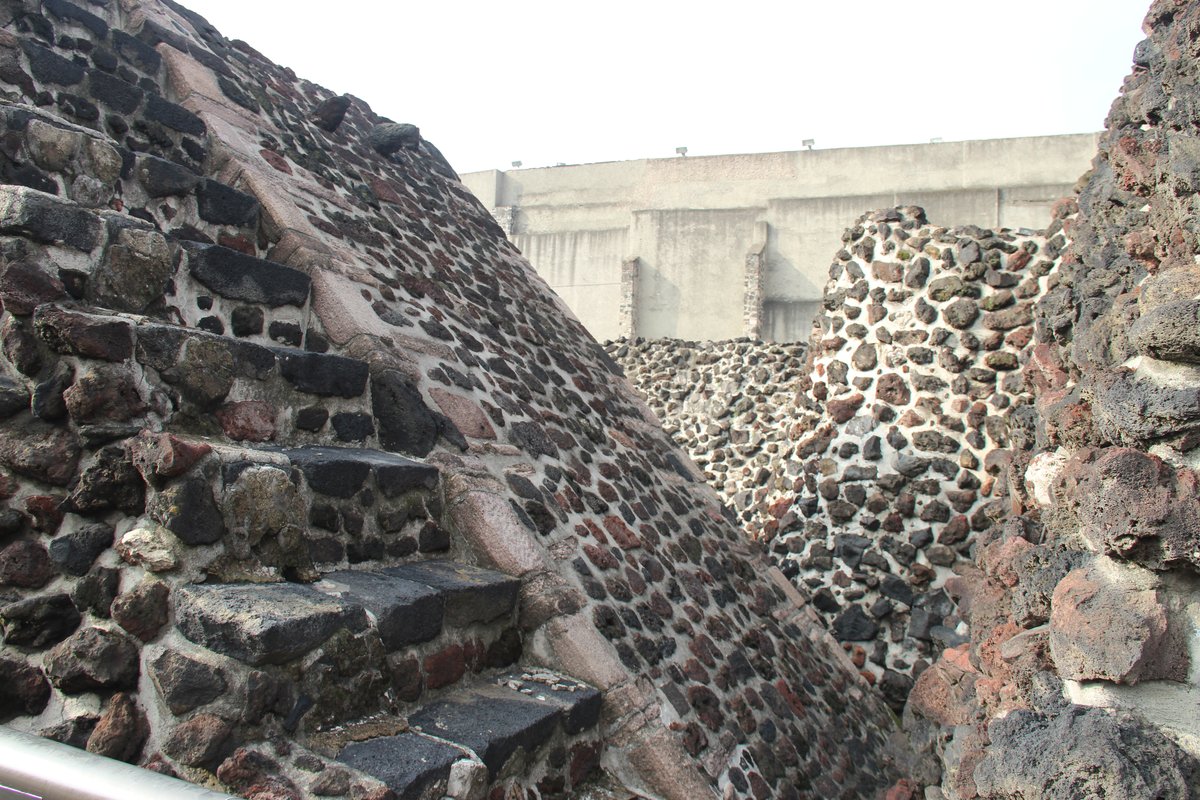
Origins and Construction of Templo Mayor
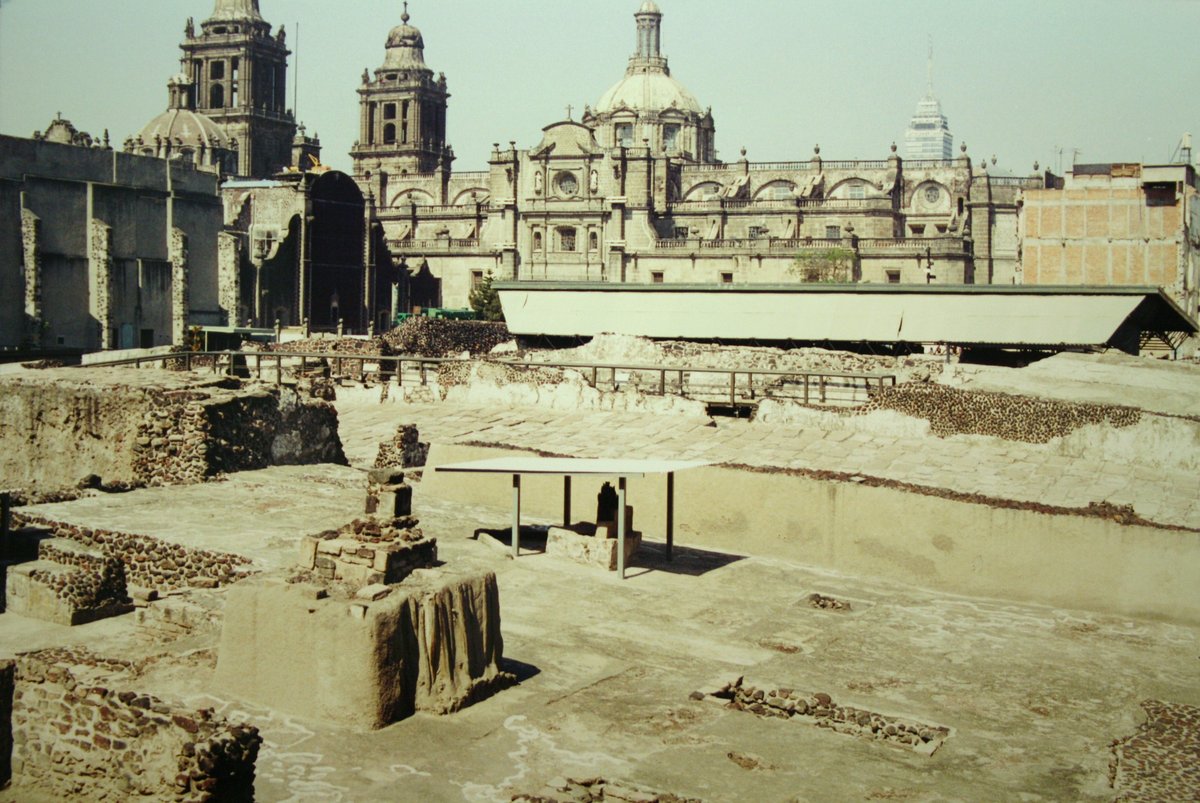
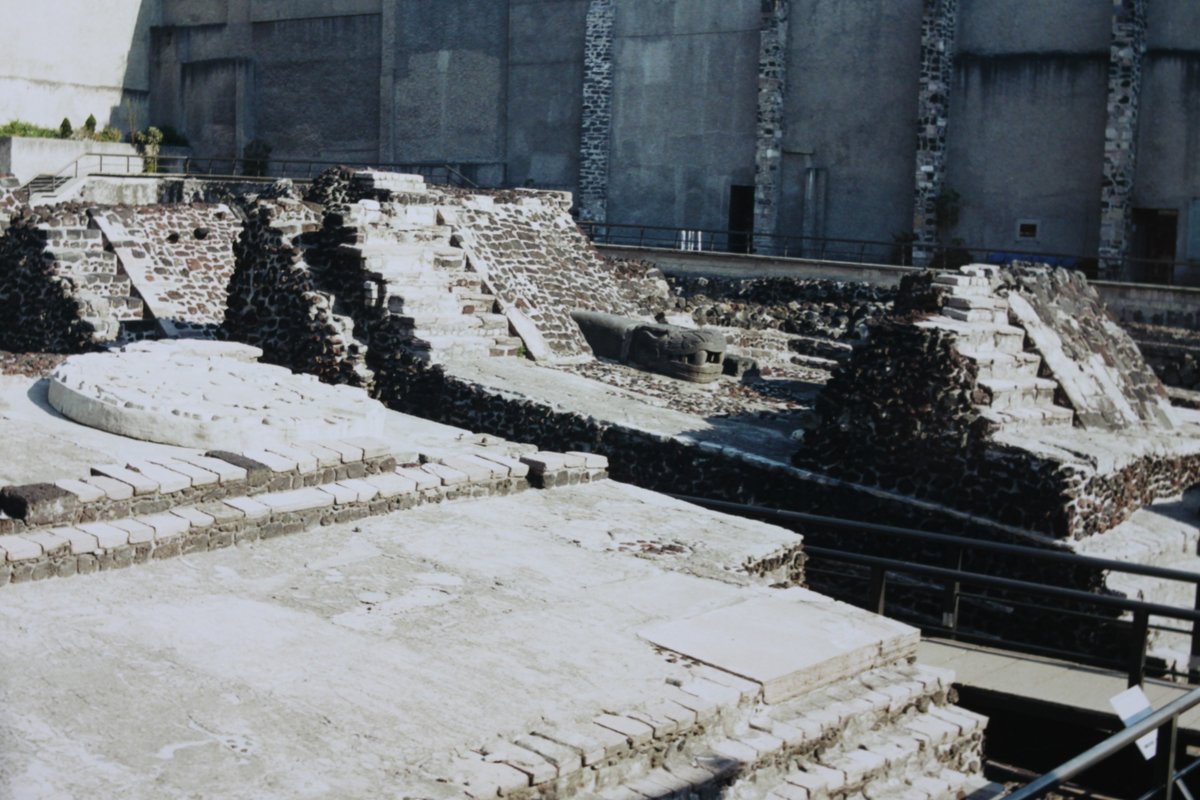
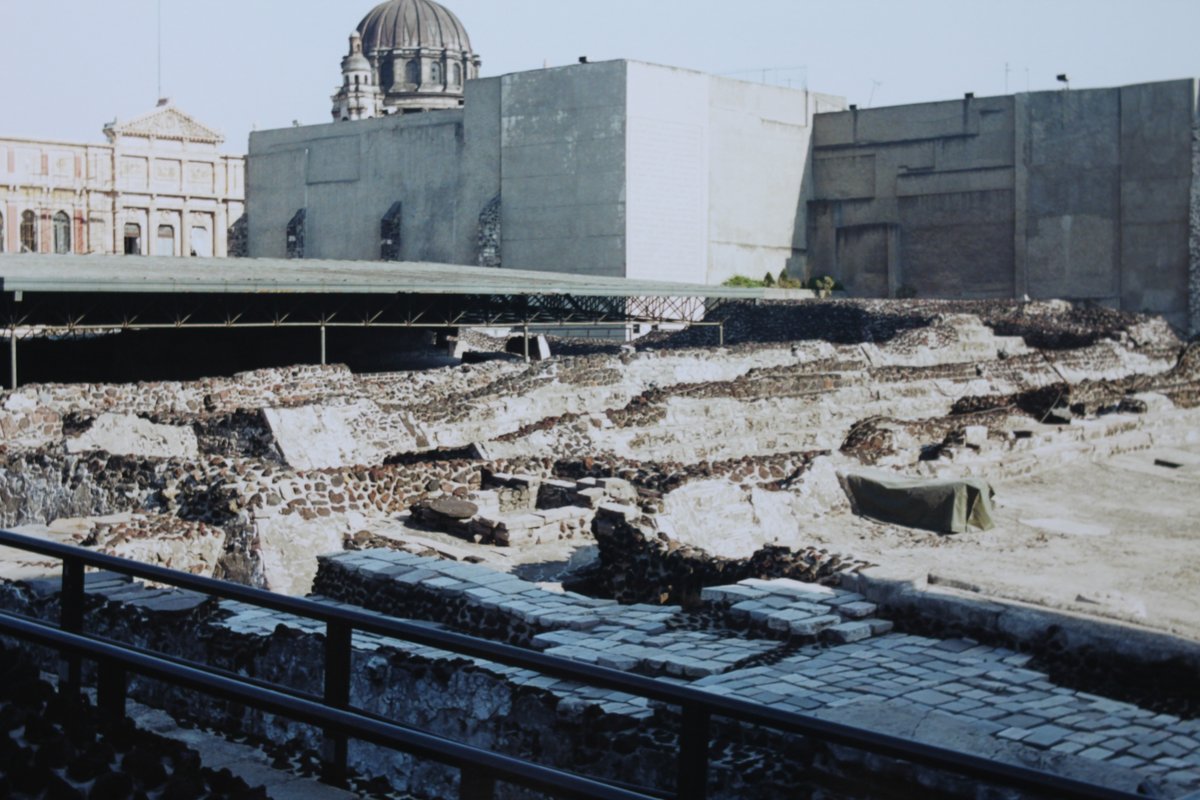
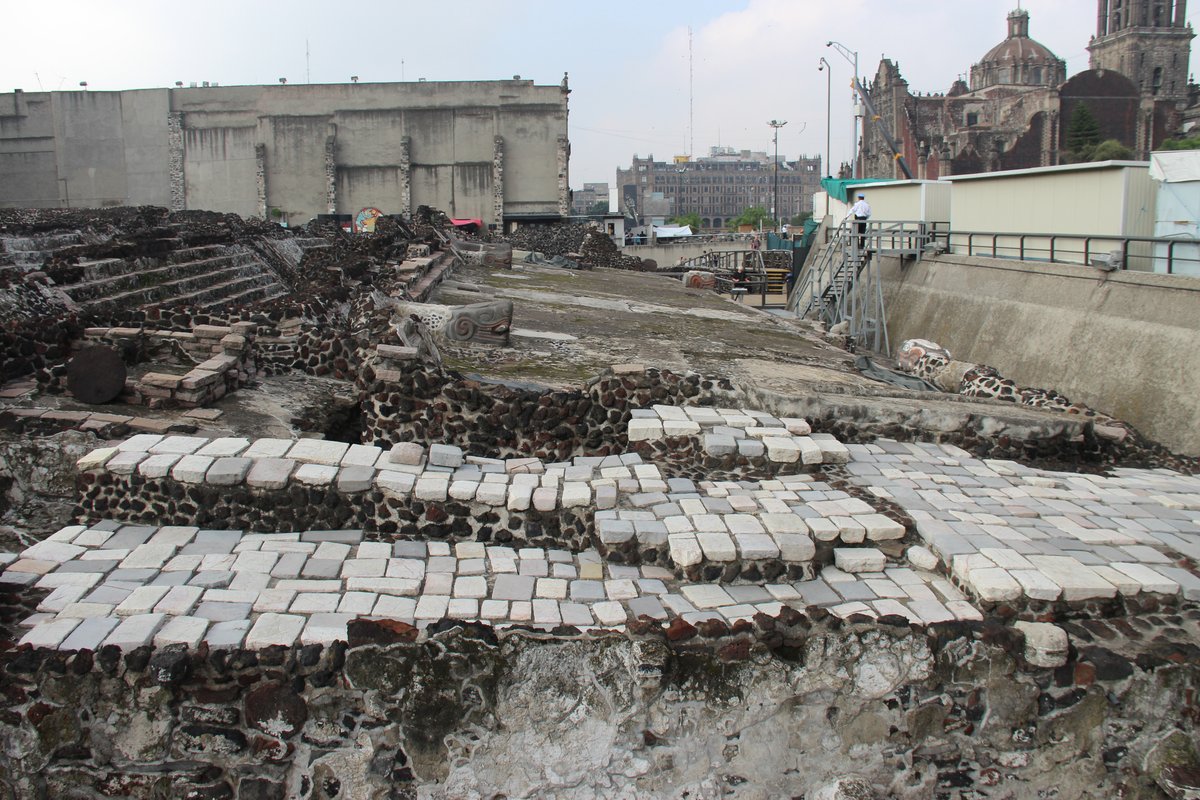
Founded by the Mexica people in 1325 CE, the Templo Mayor was built at the center of Tenochtitlan, following a prophecy involving an eagle devouring a snake on a cactus. The temple underwent at least seven major construction phases, reaching its most impressive height under Motecuhzoma I by 1454 CE (Metropolitan Museum of Art).
Architectural Features and Symbolism
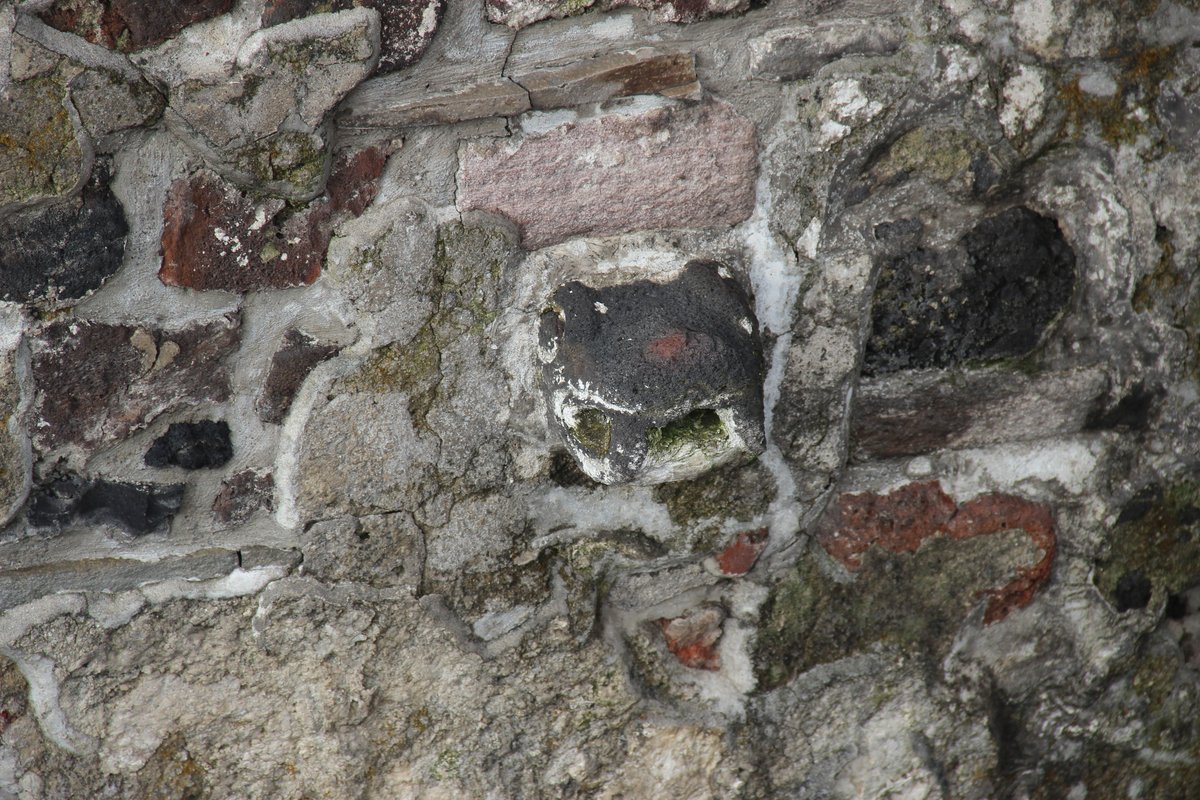
The Templo Mayor was a double pyramid approximately 27 meters high, with twin shrines honoring Huitzilopochtli (war/sun) and Tlaloc (rain/agriculture) (Britannica). Its design mirrored sacred Aztec mountains, and the site included iconic elements like the serpent balustrades and the monumental Coyolxauhqui Stone.
Religious and Cultural Significance
The temple was the heart of Aztec religious life, hosting major ceremonies—often including human sacrifice—believed to sustain the cosmos. It was also a political symbol: each ruler contributed to its expansion, affirming divine legitimacy and imperial power (Metropolitan Museum of Art). The surrounding precinct featured important buildings such as the Calmecac and Tzompantli.
Destruction and Rediscovery
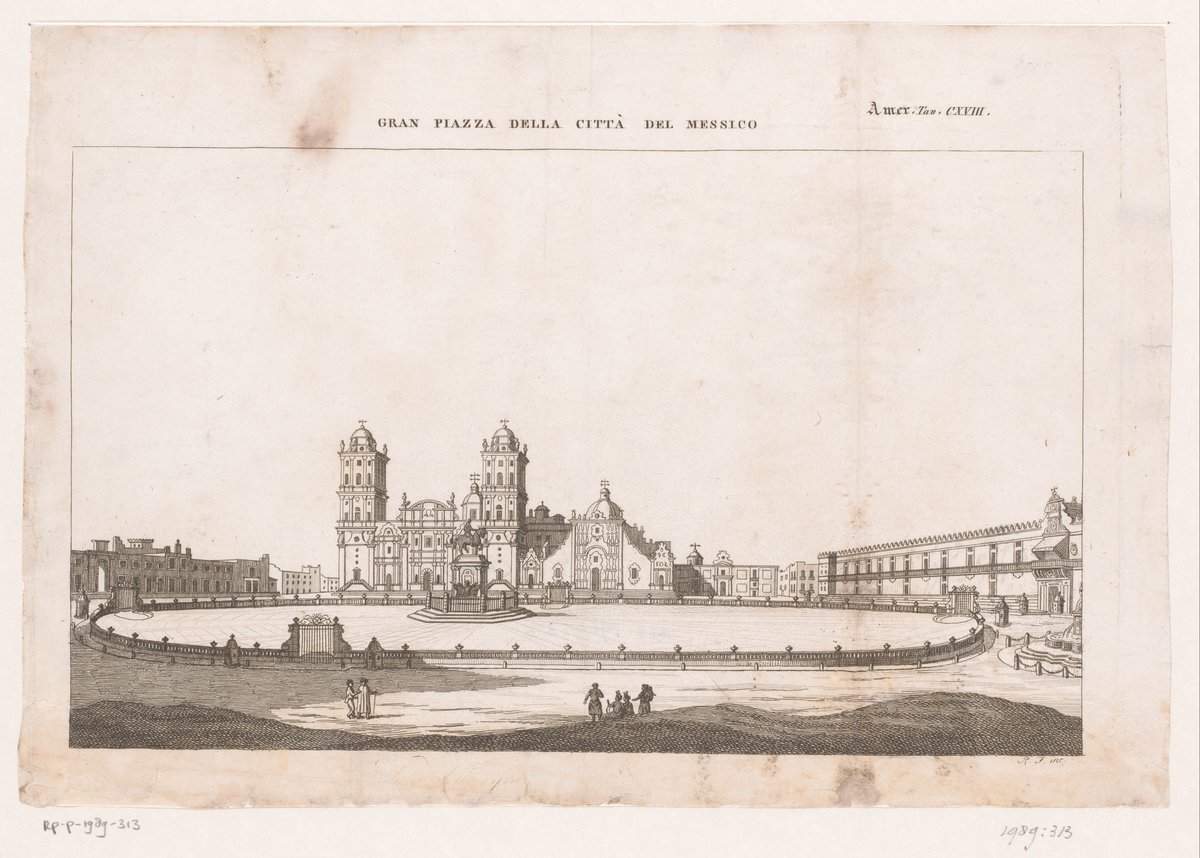
After the Spanish conquest in 1521, the Templo Mayor was demolished, its stones used to build colonial structures like the Metropolitan Cathedral (HollyMelody). The site remained hidden until 1978, when workers discovered the Coyolxauhqui Stone, leading to major archaeological excavations (History Hit).
Archaeological Discoveries and the Museum
Excavations have uncovered more than 7,000 artifacts, from ceremonial knives and jewelry to deity sculptures (WhichMuseum). The Templo Mayor Museum, opened in 1987, features eight thematic galleries exploring Mexica religion, society, and daily life (HollyMelody).
Visitor Experience: Tickets, Hours & Accessibility
Location and Access
- Address: Seminario 8, Centro Histórico, Cuauhtémoc, 06060 Ciudad de México, adjacent to the Zócalo and Metropolitan Cathedral (Trip.com).
- Public Transport: Zócalo metro station (Line 2) is a five-minute walk.
Visiting Hours
- Tuesday to Sunday: 9:00 AM–5:00 PM
- Closed: Mondays and select public holidays
Tickets
- General admission: 90–100 MXN (approx. $5 USD)
- Discounts: Free for children under 13, students, seniors (with valid ID), and Mexican citizens/residents on Sundays (Museums Explorer).
- Where to buy: At the museum entrance; online tickets for special events may be available (INAH Templo Mayor).
Accessibility
- Facilities: Ramps, accessible restrooms, and raised walkways are available, though some outdoor areas have uneven surfaces (Audiala).
- Assistance: Available upon request.
Site Layout
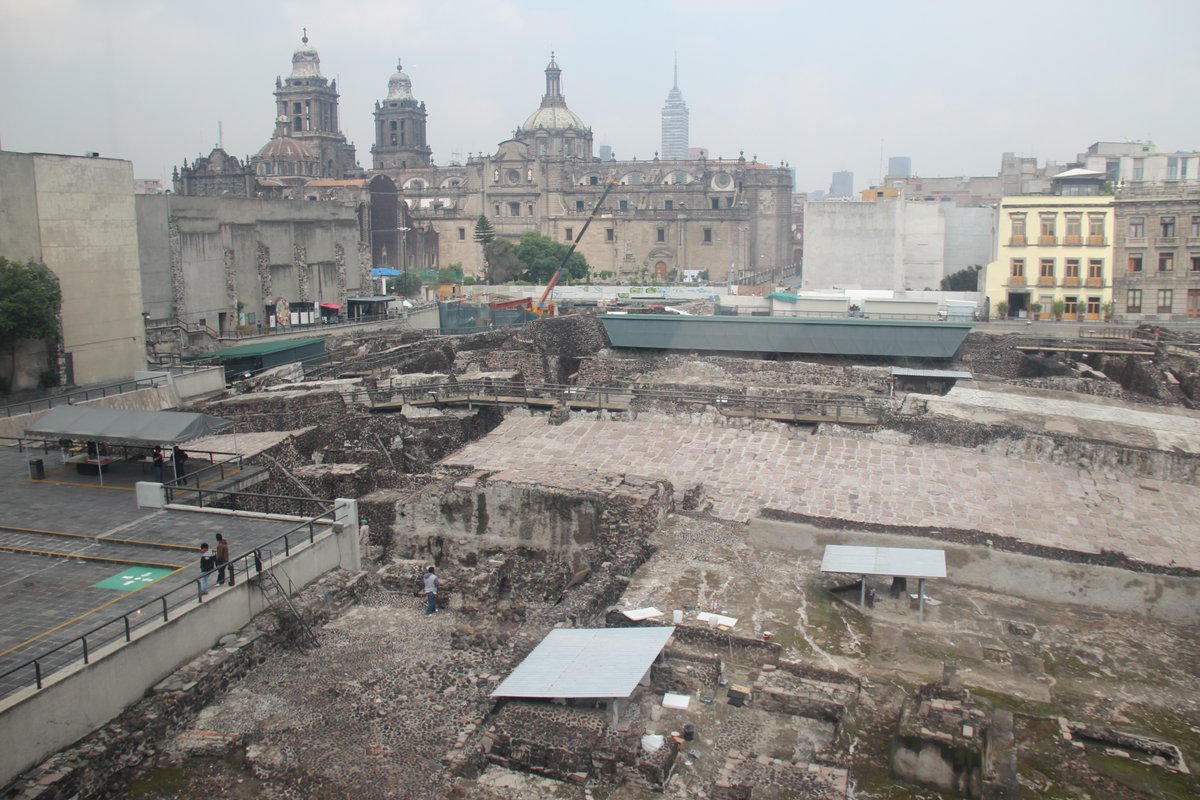
Visitors enter through the museum, then access the archaeological zone via walkways that provide views of the temple’s remains, ceremonial platforms, and key artifacts like the Coyolxauhqui Monolith.
Travel Tips and Nearby Attractions
- Best time to visit: Early mornings and weekdays for fewer crowds.
- Tour options: Guided tours in Spanish and English are available; audio guides may also be offered (TripSavvy).
- Amenities: Restrooms, a gift shop, a café, and lockers.
- Photography: Non-flash photography allowed; professional equipment requires permission.
- Combine your visit: Explore the Zócalo, Metropolitan Cathedral, and National Palace, all within walking distance (Trip.com).
The Templo Mayor’s Role in Aztec Civilization
Spiritual and Religious Center
The Templo Mayor was the spiritual axis of Tenochtitlan, with twin temples symbolizing the duality of Aztec cosmology—war and fertility, sun and rain (Storied Sunset). Major religious rites, including human sacrifices, reinforced both spiritual beliefs and imperial authority.
Political and Social Hub
Aztec rulers legitimized their power through ceremonies at the Templo Mayor, which also served as a repository for tribute and offerings from conquered peoples. The precinct was surrounded by key administrative and ceremonial buildings, highlighting its central role in governance and social structure (Storied Sunset).
Artistic and Cultural Legacy
The Templo Mayor was a treasury of art and artifacts, reflecting both Mexica creativity and cultural exchange with other Mesoamerican peoples. Thousands of offerings—jade masks, goldwork, ceramics—are now on display in the museum, demonstrating the sophistication of Aztec civilization (Storied Sunset).
National Significance in Modern Mexico
Symbol of Identity
The rediscovery of the Templo Mayor reconnected modern Mexico with its indigenous past, making the site a powerful symbol of national identity and resilience (Storied Sunset).
UNESCO World Heritage
As part of the Historic Center of Mexico City, the Templo Mayor is recognized by UNESCO for its global significance. Managed by INAH, it is a model for urban heritage preservation (INAH Official Site).
Education and Research
The site attracts international scholars and serves as a center for archaeological research, public education, and cultural dialogue, emphasizing indigenous voices and perspectives.
The Templo Mayor in Contemporary Culture
Civic and Cultural Events
The site and adjacent Zócalo host national celebrations, festivals, and cultural events, highlighting the ongoing relevance of the Templo Mayor in Mexico City’s public life.
Tourism and Art
As a major tourist attraction, the Templo Mayor supports local businesses and cultural institutions. Its history and discoveries inspire art, literature, and media, making it a symbol of indigenous resilience.
Site of Memory and Reflection
The Templo Mayor is a space for commemoration and dialogue between past and present. Ceremonies by indigenous groups and interpretive materials encourage visitors to reflect on the complexities of Mexico’s history and the enduring significance of its indigenous heritage.
Frequently Asked Questions (FAQs)
Q: What are the Templo Mayor visiting hours?
A: Open Tuesday to Sunday, 9:00 AM–5:00 PM; closed Mondays.
Q: How much do tickets cost?
A: 90–100 MXN (approx. $5 USD); free for children under 13, students, seniors, and Mexican citizens/residents on Sundays.
Q: Can I buy tickets online?
A: Most tickets are purchased at the entrance; some special event tickets may be available online.
Q: Is the Templo Mayor accessible?
A: The museum and key walkways are wheelchair accessible; some outdoor areas have uneven terrain.
Q: Are guided tours offered?
A: Yes, in Spanish and English, with audio guides available.
Q: How long should I plan for my visit?
A: Allocate 1.5–2.5 hours to fully explore the museum and ruins.
Planning Your Visit
To make the most of your visit:
- Arrive early, especially on weekends and free-admission Sundays.
- Wear comfortable shoes and bring sun protection.
- Respect preservation guidelines and avoid touching artifacts.
- Enhance your experience with a guided tour or the Audiala mobile app for interactive guides and real-time updates (Audiala).
Combine your visit with Mexico City’s nearby historical sites for a comprehensive cultural experience.
Tickets & tours.
These are guided options from our partners — same price as booking direct.
Prices are indicative — final pricing and availability are confirmed at checkout. Audiala may earn a commission from bookings made through these links.
Listen to the full story in the app
The whole Templo Mayor,
told well.
Audio guides for 1,100+ cities across 96 countries. History, stories, and local insight — offline ready.
Verified, and shown.
Researched and written by the Audiala editorial team from historical records, architectural archives, and local expertise.
Researched from Wikidata, Wikipedia & official sources · fact-checked · How we make our guides →