Plan and listen to Teatro Fru Fru with Audiala.
Audio guide in your pocket, itinerary in your browser. Built for the way you actually visit.
Introduction
Teatro Fru Fru, situated in the heart of Mexico City’s Centro Histórico, is an enduring symbol of the city’s rich artistic and architectural heritage. Since its inauguration in 1899 as Teatro Renacimiento, this iconic venue has witnessed over a century of cultural innovation, social transformation, and urban legend. Renamed and revitalized under the flamboyant stewardship of Irma Serrano (“La Tigresa”), Teatro Fru Fru stands out for its blend of Belle Époque opulence, avant-garde programming, and mystical allure. Its storied past and ongoing restoration make it a must-visit for theater lovers, history buffs, and travelers seeking to immerse themselves in Mexico City’s vibrant past and present (Cultura Colectiva; Let’s Travel to Mexico; Donde Ir).

History and Origins
Inauguration and Early Years
Teatro Fru Fru, originally Teatro Renacimiento, opened in 1899 during the Porfiriato—a period marked by modernization and the flourishing of the arts in Mexico City. The theater was the first in the capital to boast electric lighting, an innovation that symbolized progress and cosmopolitan ambition (Cultura Colectiva). Its seven-story structure, gold-and-red interiors, and lavish ornamentation quickly earned it a reputation as a cultural gathering place for Mexico City’s elite.
In 1906, the venue was purchased by Francisco Cardona, husband of the celebrated actress Virginia Fábregas, further cementing its status as a leading stage for dramatic arts. The theater became a hub for Mexico’s theatrical vanguard, hosting renowned performances and attracting influential artists.
Mid-20th Century to the Irma Serrano Era
Throughout the 20th century, the theater experienced periods of both prominence and decline. Its central location on Donceles Street ensured steady patronage, while the building’s ornate interior and flexible programming allowed it to adapt to changing tastes.
A major transformation occurred in 1973 when Irma Serrano acquired the theater, renaming it Teatro Fru Fru. Serrano invested in significant renovations and introduced bold, controversial productions, including her own starring turn in “Naná” and collaborations with avant-garde figures such as Alejandro Jodorowsky. Her tenure also saw the creation of the secretive cabaret “La Cueva de La Tigresa,” cementing the theater’s reputation for artistic daring (Cultura Colectiva).
Cultural Significance and Notable Eras
Platform for Artistic Innovation
Teatro Fru Fru rapidly became a beacon of theatrical progress, introducing electric lighting and serving as a stage for experimental works. Early female leaders like Virginia Fábregas challenged social norms, expanding opportunities for women in Mexican theater (Milenio).
Space for Social Transgression and Inclusion
Under Irma Serrano, Fru Fru championed taboo subjects and countercultural expression, making space for LGBTQ+ narratives and performances that addressed sexual diversity and social issues. The theater hosted groundbreaking events, such as midnight shows spotlighting lesbian themes, and provided a stage for artists advocating for AIDS awareness and LGBTQ+ rights (Milenio).
Popular Culture and Media
Fru Fru’s striking interiors have featured in international films and music videos, including the James Bond film “Spectre” and Disclosure’s “Omen” with Sam Smith. The theater's adaptability was also evident during the COVID-19 pandemic, when artists like Mon Laferte recorded streamed concerts in its historic halls (Milenio).
Community Engagement and Resilience
Despite closures and restoration periods, Fru Fru remains a vital space for emerging and established artists, from independent theater companies to the Ballet Folklórico Nacional de México de Silvia Lozano, which celebrated its 65th anniversary here in 2025 (AllEvents).
Legends, Mystique, and Paranormal Tales
Teatro Fru Fru’s storied past is enriched by urban legends and tales of the supernatural. Stories abound of hauntings, unexplained phenomena, and occult rituals, some tracing back to the theater’s use as a morgue after the 1985 earthquake. The “El Catrín del Fru Fru” phantom and the infamous demon statue at the entrance add to its enigmatic charm, making it a favorite among ghost story enthusiasts and adventurous visitors (Cultura Colectiva).
Architectural and Artistic Features
- Location: Donceles 24, Centro Histórico, Mexico City.
- Facade: Seven-story building with eclectic neoclassical and French influences, remarkable among the area’s colonial architecture.
- Interior: Horseshoe-shaped auditorium, plush crimson velvet seating, gilded ornamentation, marble accents, and crystal chandeliers evoke Belle Époque grandeur.
- Distinctive Elements: The devilish faun statue by the entrance, cabaret-inspired decor, and labyrinthine layout contribute to a unique visitor experience (Let’s Travel to Mexico).
Visiting Information: Hours, Tickets, and Accessibility
Hours
- General Schedule: Historically, the theater operated Tuesday to Sunday, with performance times typically from 3:00 PM to 9:00 PM. Daytime tours and opening times may vary.
- Current Status (June 2025): Teatro Fru Fru is undergoing restoration and is closed for regular public visits, but opens occasionally for private events and film shoots. For updates, consult the theater’s official website or social media channels (Donde Ir).
Tickets
- Purchase: When open, tickets are sold online via the official website and at the box office. Prices typically range from 150 to 500 MXN depending on the event.
- Discounts: Students, seniors, and groups may enjoy special rates.
- Advance Booking: Strongly recommended, especially for popular shows.
Accessibility
- Facilities: Wheelchair access and designated seating are available, though historic features may present challenges. Advance notice is advised for visitors with special needs.
- Other Amenities: Restrooms and concessions are offered during regular operation, but are unavailable during restoration.
Special Events, Tours, and Nearby Attractions
Tours
- Guided tours are occasionally available, focusing on the theater’s history, architecture, and legends. Availability is limited and should be confirmed via official channels.
Special Events
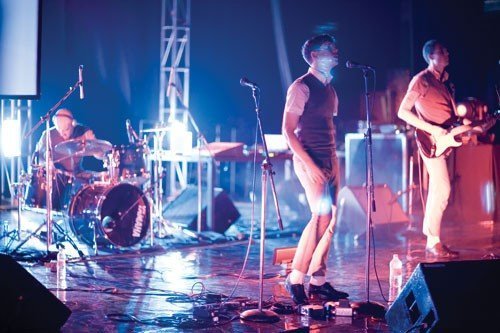
- The theater hosts a range of performances, from cabaret and avant-garde theater to dance and concerts. Check the event calendar for updates.
Nearby Attractions
- Palacio de Bellas Artes: Mexico’s premier cultural venue.
- Museo Nacional de Arte: Showcasing Mexican art across eras.
- Alameda Central: Historic park.
- Calle Donceles: Noted for bookstores and antique shops.
Frequently Asked Questions (FAQ)
Q: What are the visiting hours of Teatro Fru Fru?
A: Historically, Tuesday–Sunday, 3:00 PM–9:00 PM. Check official sources for current status and special event times.
Q: How can I buy tickets?
A: Online via the official website or at the box office when open.
Q: Is the theater wheelchair accessible?
A: Yes, though some areas may be difficult to access due to historic architecture.
Q: Are guided tours available?
A: Occasionally, by advance booking. Monitor official announcements.
Q: What are some nearby attractions?
A: Palacio de Bellas Artes, Museo Nacional de Arte, Alameda Central, Calle Donceles.
Visitor Tips and Travel Advice
- Transportation: Accessible via Metro (Bellas Artes, Allende) and bus. Parking is limited; public transit is recommended.
- Safety: Visit during daylight hours; use authorized taxis or rideshares after dark.
- Dress: Casual, layered clothing is recommended, especially during June’s rainy season.
- Photography: Permitted in public areas; restrictions may apply during performances or restoration.
- Language: Most signage is in Spanish; translation apps can be helpful.
Listen to the full story in the app
The whole Teatro Fru Fru,
told well.
Audio guides for 1,100+ cities across 96 countries. History, stories, and local insight — offline ready.
Verified, and shown.
Researched and written by the Audiala editorial team from historical records, architectural archives, and local expertise.
Researched from Wikidata, Wikipedia & official sources · fact-checked · How we make our guides →