Plan and listen to Statue Of Paul P. Harris with Audiala.
Audio guide in your pocket, itinerary in your browser. Built for the way you actually visit.
Introduction
Nestled in the cosmopolitan Polanco neighborhood, the Statue of Paul P. Harris in Mexico City is a meaningful tribute to the founder of Rotary International, a global organization renowned for its dedication to humanitarian service and fostering international friendship. Located in the tranquil Parque América, this monument not only celebrates public art and history but also invites visitors to reflect on Rotary’s enduring values—“Service Above Self,” ethical leadership, and community engagement (Rotary International). Since its establishment in 1905 in Chicago, Rotary International has expanded worldwide, with a strong presence in Mexico since 1921. The statue symbolizes this legacy and the ongoing commitment of Mexican Rotary clubs to impactful projects in education, health, and social welfare.
Situated in a park celebrated for its international monuments and cultural events, the statue is easily accessible by public transportation and open daily without charge. Whether you wish to admire its artistic details, attend Rotary commemorative events, or simply enjoy a quiet moment in a leafy oasis, this site offers a unique window into Mexico City's embrace of global cooperation and civic pride. This guide provides comprehensive information on visiting hours, nearby attractions, and practical tips to help you make the most of your visit (Mexico City Government, Wikiwand - Parque América).
Historical Background and Rotary International
Origins of Rotary International and Paul P. Harris
Paul P. Harris (1868–1947), a visionary lawyer from Racine, Wisconsin, founded Rotary International in 1905 in Chicago alongside three colleagues. Initially conceived as a networking club for professionals, Rotary’s guiding principle, "Service Above Self," highlights ethical standards, community service, and international understanding (Rotary International). Rotary expanded rapidly, achieving international reach by 1911, and solidified its philanthropic impact through the Rotary Foundation in 1917, supporting projects such as polio eradication, clean water initiatives, and scholarships.
Rotary in Mexico: Early History and Expansion
Rotary’s presence in Mexico began with the Rotary Club of Ciudad de México in April 1921. The club’s inclusive charter brought together local and international professionals, emphasizing cultural exchange and community service (Rotary CDMX). Over the decades, Rotary clubs across Mexico have contributed significantly to education, health, and social welfare.
Visiting the Paul P. Harris Statue
Location and Directions
The Paul P. Harris statue is situated in Parque América, in the upscale Polanco neighborhood of Mexico City. The park is accessible via the Polanco Metro Station (Line 7) and several bus routes. Taxi and rideshare services are also readily available. The statue stands prominently in front of the Church of San Agustín, surrounded by manicured gardens and benches.
Visiting Hours and Accessibility
- Opening Hours: Daily from 6:00 AM to 10:00 PM.
- Admission: Free—no ticket is required to visit the park or statue.
- Accessibility: The park and statue area are wheelchair accessible, with paved paths suitable for strollers and mobility aids.
Unique Features and Photographic Spots
Crafted by renowned Mexican sculptor Miguel Peraza and inaugurated in May 2006, the statue features expressive realism and is best photographed during the golden hours of early morning and late afternoon. Informational plaques accompany the monument, and nearby benches offer comfortable spots for rest and reflection.
Nearby Attractions and Special Events
Parque América is home to several other international monuments, including the bust of Don Pedro D. Murillo, a gift from Bolivia. Visitors can also explore the nearby Church of San Agustín, the luxury shops and restaurants of Polanco, and museums such as Soumaya and Jumex (Mexico City Government). The park regularly hosts international cultural events and Rotary celebrations, including guided tours and ceremonies.
Symbolic and Cultural Significance
The statue embodies Rotary’s core values—service, peace, and international friendship—and reflects Paul Harris’s vision of global fellowship. Its location in Polanco, a district known for its cosmopolitan character and cultural diversity, highlights Mexico City’s openness to international collaboration. The monument also serves as a focal point for Rotary events and public gatherings, fostering community engagement and civic pride.
Frequently Asked Questions (FAQ)
Q: Is there an entrance fee to visit the Paul P. Harris statue?
A: No, visiting the statue and Parque América is free of charge.
Q: What are the best times for photography?
A: Early mornings and late afternoons offer the best natural lighting.
Q: Is the statue accessible for people with disabilities?
A: Yes, the park has paved, wheelchair-accessible paths.
Q: Are guided tours available?
A: Occasionally, Rotary clubs or cultural organizations offer guided tours during special events.
Q: Can I visit the statue during Rotary events?
A: Yes, the statue is a focal point during Rotary commemorations and international gatherings.
Practical Tips for Visitors
- Getting There: Polanco Metro Station (Line 7) is a 10-minute walk from Parque América. Taxis and rideshare services are safe and convenient.
- Safety: Polanco is generally safe, but exercise standard precautions.
- Language: While some locals speak English, basic Spanish phrases will enhance your experience.
- Weather: Mexico City’s altitude brings intense sun—bring sunscreen, a hat, and water.
- Nearby: Explore Soumaya Museum, Jumex Museum, and Avenida Presidente Masaryk for shopping and dining (Nomadic Matt).
Visual Highlights
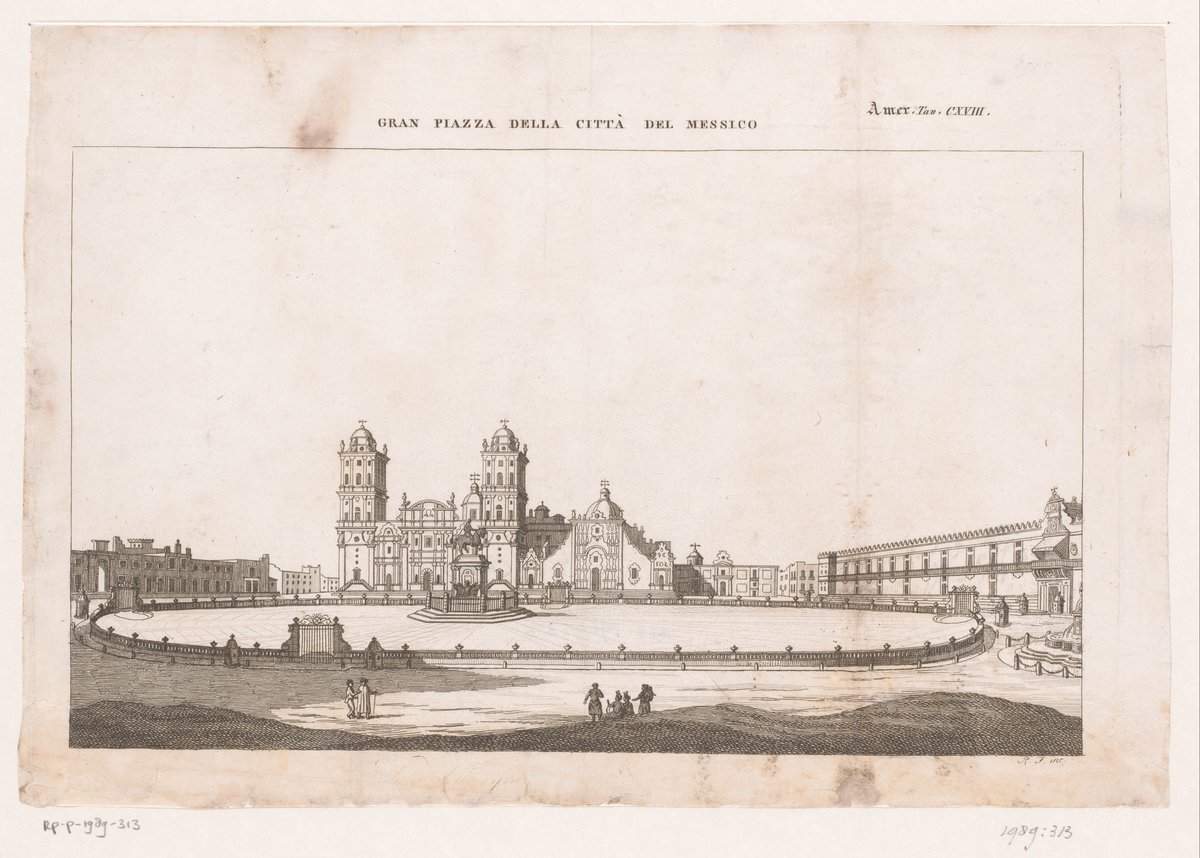
Alt: Paul P. Harris statue in Mexico City
Alt: Parque América scenic view with statue and Church of San Agustín
Related Articles
- Rotary International’s Global Projects
- Mexico City Historical Landmarks
- Top Parks to Visit in Polanco
Listen to the full story in the app
The whole Statue Of Paul P. Harris,
told well.
Audio guides for 1,100+ cities across 96 countries. History, stories, and local insight — offline ready.

Verified, and shown.
Researched and written by the Audiala editorial team from historical records, architectural archives, and local expertise.
Harris Statue in Mexico City: History, Tips, and Nearby Attractions, 2025, Rotary International
Harris in Parque América, Mexico City: Hours, History & Tips, 2025, Wikiwand
Harris in Mexico City: Hours, Tickets, and Historical Significance, 2025, Wikipedia
Harris in Mexico City: Hours, Tickets, and Cultural Insights, 2025, Wikimedia Commons
Researched from Wikidata, Wikipedia & official sources · fact-checked · How we make our guides →