Plan and listen to San Juan Market, Mexico City with Audiala.
Audio guide in your pocket, itinerary in your browser. Built for the way you actually visit.
Introduction to Mercado de San Juan Ernesto Pugibet
Mercado de San Juan Ernesto Pugibet is a fascinating destination that encapsulates the essence of Mexico City's vibrant culture, rich history, and culinary diversity. Established in 1955 and named after the French entrepreneur Ernesto Pugibet, who played a pivotal role in the commercial development of the area, this market has evolved significantly over the decades (Mexico Desconocido). Nestled in the heart of the city's historic center, near landmarks such as the Alameda Central and Palacio de Bellas Artes, the market has become a prominent cultural hub renowned for its eclectic mix of products, from exotic meats to gourmet cheeses (Lonely Planet). The architectural design of the market, reflecting the mid-20th-century modernist style, was revolutionary at the time and has set a precedent for future market constructions in the city (Arquitectura Viva).
Beyond its architectural and economic significance, Mercado de San Juan plays a crucial role in the local economy by providing livelihoods for hundreds of vendors and attracting tourists and food enthusiasts from around the globe (Forbes Mexico). It is a gastronomic paradise, offering a variety of exotic meats such as crocodile, lion, and ostrich, as well as a wide array of seafood and gourmet ingredients, making it a favorite among chefs and culinary enthusiasts (Eater). The market also serves as a social space where people gather to share stories, recipes, and cultural traditions, fostering a sense of community that is cherished by locals and visitors alike (BBC Travel).
Despite facing challenges such as competition from supermarkets and online shopping platforms, Mercado de San Juan has shown remarkable resilience by adapting to new trends while preserving its traditional charm and authenticity (El Financiero). As we delve deeper into this guide, we will explore the market's history, significance, visitor tips, and much more, providing a comprehensive overview of why Mercado de San Juan Ernesto Pugibet is a must-visit destination in Mexico City.

Complete Guide to Visiting Mercado de San Juan Ernesto Pugibet - History, Significance, and Visitor Tips
Introduction
Mercado de San Juan Ernesto Pugibet is not just a market; it is a living testament to Mexico City's rich history, cultural diversity, and economic vitality. This guide provides an in-depth look at its history, significance, and practical tips for visitors.
History and Significance
Origins and Early Development
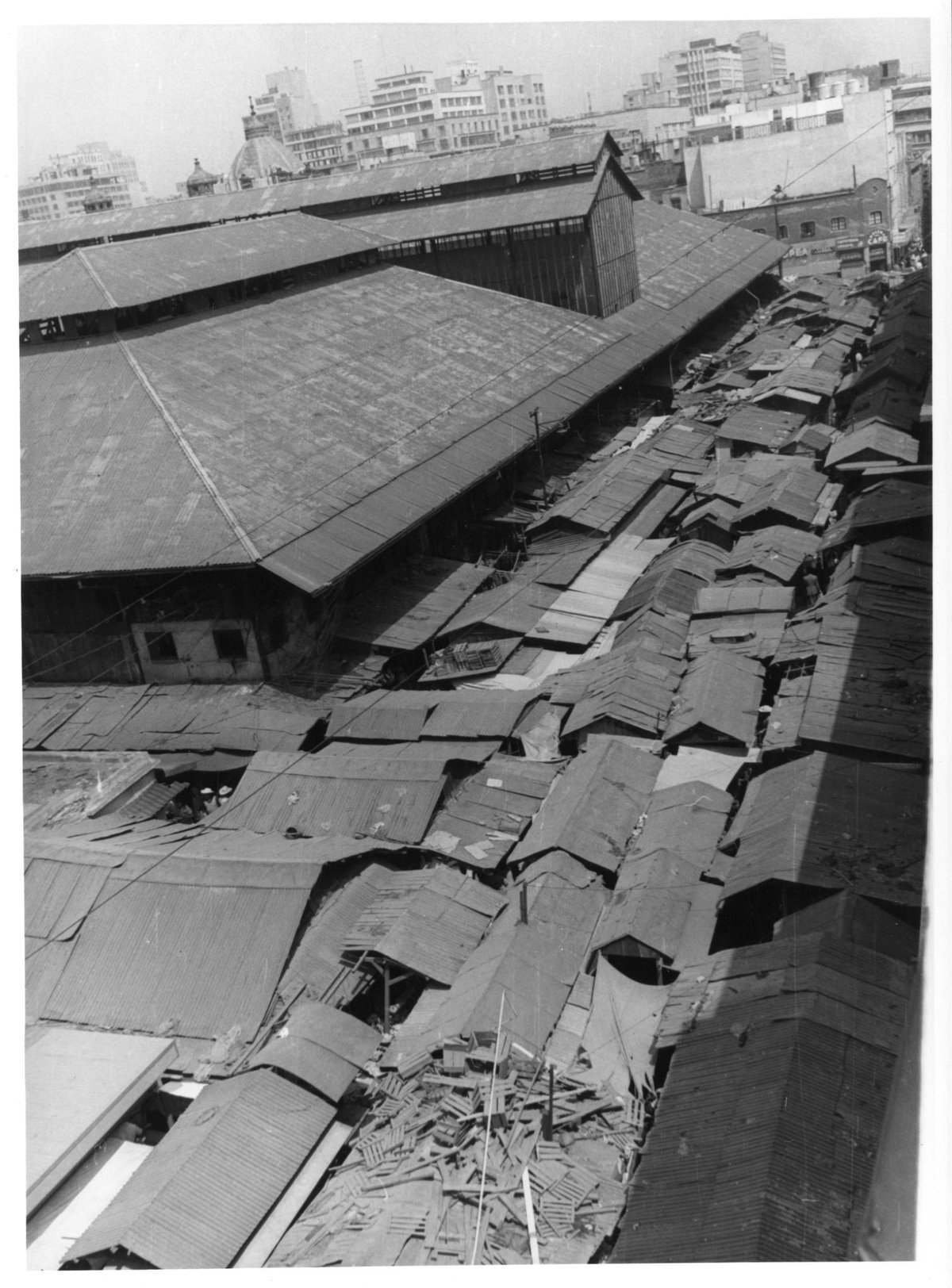
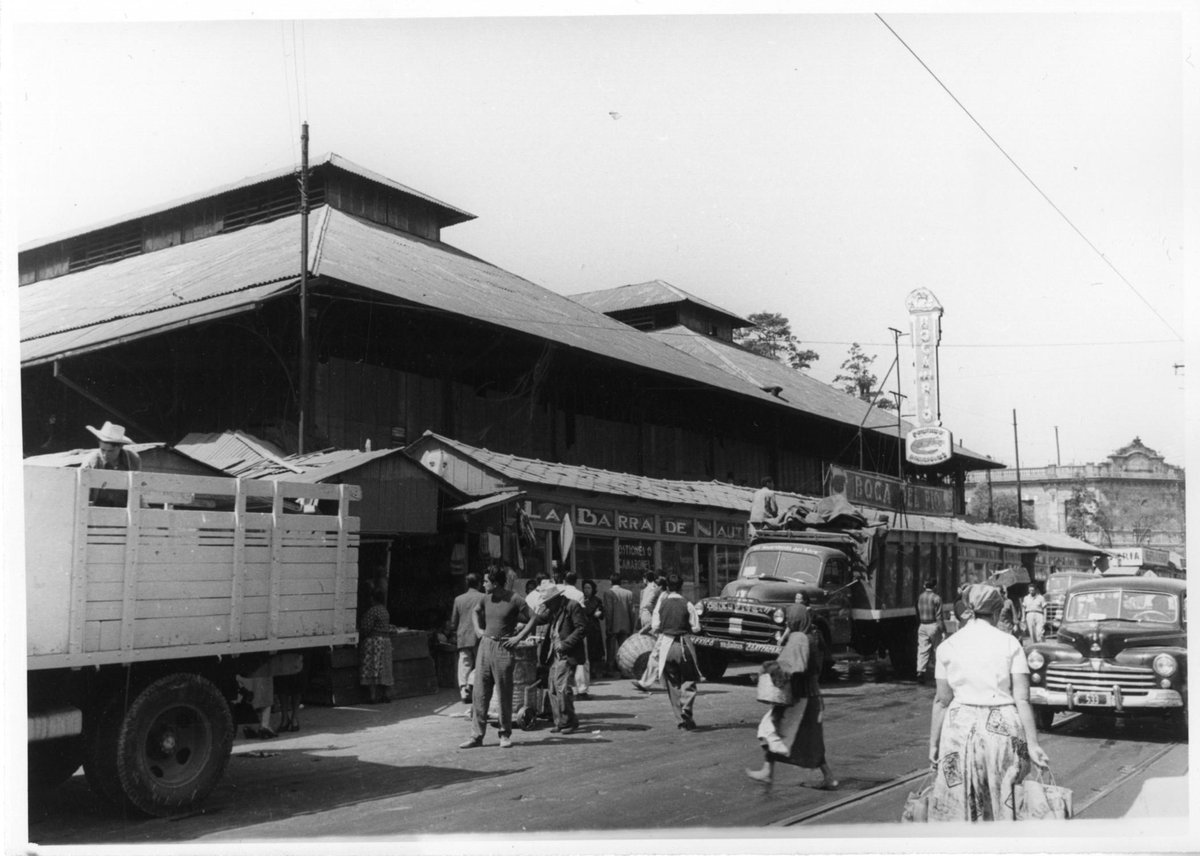
Mercado de San Juan Ernesto Pugibet, located in the heart of Mexico City, has a rich history dating back to the early 20th century. The market was established in 1955, named after Ernesto Pugibet, a French entrepreneur who significantly contributed to the commercial development of the area. Pugibet was instrumental in modernizing the market infrastructure, which initially started as a small trading post. The market's location in the historic center of Mexico City, near the Alameda Central and Palacio de Bellas Artes, made it a strategic spot for commerce (Mexico Desconocido).
Architectural Significance
The architectural design of Mercado de San Juan reflects the mid-20th-century modernist style, characterized by its functional layout and spacious interiors. The market was designed to accommodate a large number of vendors and customers, with wide aisles and high ceilings to ensure proper ventilation and natural light. This design was revolutionary at the time and set a precedent for future market constructions in Mexico City (Arquitectura Viva).
Cultural Hub
Mercado de San Juan has always been more than just a place for buying and selling goods; it has been a cultural hub where people from different backgrounds come together. The market is renowned for its diverse range of products, including exotic meats, seafood, and gourmet ingredients that are hard to find elsewhere in the city. This diversity reflects the multicultural nature of Mexico City itself, where indigenous traditions blend seamlessly with influences from around the world (Lonely Planet).
Economic Impact
The market has played a crucial role in the local economy, providing livelihoods for hundreds of vendors and their families. It has also attracted tourists and food enthusiasts from around the globe, contributing to the city's tourism industry. The economic significance of Mercado de San Juan cannot be overstated, as it has been a vital part of the local supply chain, especially for restaurants and hotels in the area (Forbes Mexico).
Evolution Over the Decades
Over the decades, Mercado de San Juan has evolved to meet the changing needs of its customers. In the 1980s and 1990s, the market underwent several renovations to modernize its facilities and improve hygiene standards. These changes were necessary to comply with new health regulations and to enhance the shopping experience for visitors. Despite these modernizations, the market has managed to retain its traditional charm and authenticity (El Universal).
Significance in Gastronomy
Mercado de San Juan is particularly famous for its gastronomic offerings. It is a paradise for food lovers, offering a wide array of exotic meats such as crocodile, lion, and ostrich, as well as a variety of seafood and gourmet cheeses. The market is a favorite among chefs and culinary enthusiasts who come here to source unique ingredients for their dishes. This has cemented its reputation as a key player in Mexico City's vibrant food scene (Eater).
Social and Community Role
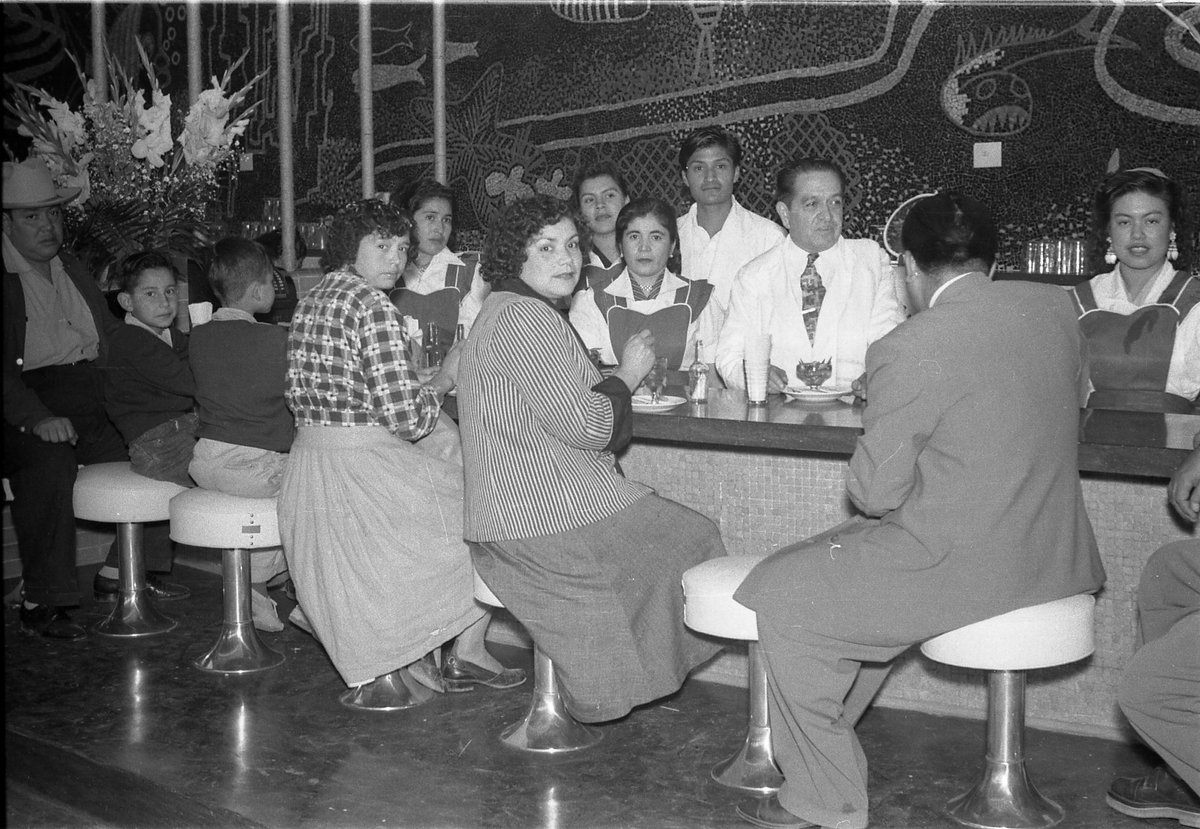
The market also serves as a social space where people gather to share stories, recipes, and cultural traditions. It is common to see families shopping together, vendors engaging in friendly banter, and tourists marveling at the unique products on display. This sense of community is one of the market's most cherished aspects, making it a beloved institution in Mexico City (BBC Travel).
Challenges and Resilience
Like many traditional markets, Mercado de San Juan has faced its share of challenges, including competition from supermarkets and online shopping platforms. However, the market has shown remarkable resilience, adapting to new trends while preserving its core values. Initiatives such as online delivery services and social media marketing have helped the market stay relevant in the digital age (El Financiero).
Future Prospects
Looking ahead, Mercado de San Juan is poised to continue its legacy as a cornerstone of Mexico City's cultural and economic landscape. Plans for further modernization and expansion are in the works, aimed at enhancing the market's infrastructure and attracting a new generation of customers. These efforts will ensure that Mercado de San Juan remains a vibrant and essential part of the city's fabric for years to come (Excélsior).
Visitor Information
- Visiting Hours - The market is open from 8:00 AM to 6:00 PM daily.
- Tickets - There is no entry fee to visit Mercado de San Juan.
- Travel Tips - The market is easily accessible via public transportation. The nearest metro station is Salto del Agua.
- Nearby Attractions - While visiting, consider exploring nearby landmarks such as the Alameda Central, Palacio de Bellas Artes, and Torre Latinoamericana.
- Accessibility - The market is wheelchair accessible, with ramps and wide aisles to accommodate visitors with mobility challenges.
Special Events and Tours
Mercado de San Juan frequently hosts special events such as food festivals, cooking demonstrations, and cultural celebrations. Guided tours are available for those interested in learning more about the market's unique offerings and history. These tours provide an excellent opportunity to sample exotic foods and meet the vendors.
Photographic Spots
For photography enthusiasts, Mercado de San Juan offers numerous picturesque spots. The vibrant stalls, colorful produce, and bustling atmosphere make it a perfect location for capturing the essence of Mexico City's market culture.
FAQ
- What are the best times to visit Mercado de San Juan? The market is less crowded early in the morning and late in the afternoon.
- Are there any special foods I should try? Be sure to try the exotic meats and gourmet cheeses, which are specialties of the market.
- Is the market family-friendly? Yes, Mercado de San Juan is a family-friendly destination with something for everyone.
- Do vendors accept credit cards? While some vendors accept credit cards, it is advisable to carry cash for smaller purchases.
Discover More
Planning a visit? Make sure to download the Audiala mobile app for more travel tips and updates. Follow us on social media for the latest news and events at Mercado de San Juan!
Tickets & tours.
These are guided options from our partners — same price as booking direct.
Prices are indicative — final pricing and availability are confirmed at checkout. Audiala may earn a commission from bookings made through these links.
Listen to the full story in the app
The whole San Juan Market, Mexico City,
told well.
Audio guides for 1,100+ cities across 96 countries. History, stories, and local insight — offline ready.
Verified, and shown.
Researched and written by the Audiala editorial team from historical records, architectural archives, and local expertise.
Researched from Wikidata, Wikipedia & official sources · fact-checked · How we make our guides →