Plan and listen to Parque Tezozómoc with Audiala.
Audio guide in your pocket, itinerary in your browser. Built for the way you actually visit.
Introduction
Mexico City, one of the oldest and most culturally rich cities in North America, has a history that dates back to the early 14th century. The founding of this metropolis is deeply rooted in the legendary tale of Tenochtitlan, the capital of the Mexica people, more commonly known as the Aztecs. According to Aztec mythology, their god Huitzilopochtli guided the Mexica to a swampy island in the Valley of Mexico, where they witnessed an eagle perched on a cactus, devouring a serpent. This prophetic vision, which occurred in 1325, marked the site where they would establish Tenochtitlan, a city that would grow into a powerful empire (source).
The transformation of Tenochtitlan from a cluster of chinampas, or artificial islands, into a magnificent metropolis showcases the ingenuity and resourcefulness of the Mexica people. The city's strategic location and sophisticated infrastructure made it a hub of commerce, religion, and culture in Mesoamerica. However, the arrival of Hernán Cortés and the Spanish conquistadors in 1519 brought about a dramatic shift. The fall of Tenochtitlan in 1521 led to the establishment of Mexico City on its ruins, marking the beginning of a new era under Spanish colonial rule (source).
Today, Mexico City stands as a testament to its layered history, with remnants of its Aztec past interwoven with colonial architecture and modern urban development. This historical context not only shapes the city's unique identity but also offers visitors a rich tapestry of cultural and historical sites to explore.
The Legend of Tenochtitlan
The story of Mexico City's foundation begins with the compelling legend of the Mexica people, more commonly known as the Aztecs. According to their mythology, the Mexica, led by their god Huitzilopochtli, embarked on a journey from Aztlán, a mythical homeland, to find a new home. Huitzilopochtli prophesied that they would find the site for their new city where they saw an eagle perched on a cactus, devouring a serpent.
In 1325, after two centuries of wandering, the Mexica arrived at a swampy island in the Valley of Mexico. There, they witnessed the prophesied eagle on a nopal cactus, clutching a snake in its talons. This image, now immortalized on the Mexican flag, marked the spot where they would establish their capital city, Tenochtitlan.
Tenochtitlan - The Rise of an Empire
Despite the challenges of building a city on a lake, the Mexica, through ingenuity and resourcefulness, transformed Tenochtitlan into a magnificent metropolis. They constructed chinampas, artificial islands made of mud and reeds, to cultivate crops and expand the city's habitable area. A complex system of canals and causeways connected these islands, facilitating transportation and trade.
Tenochtitlan flourished as the center of the Aztec Empire, which, at its peak, stretched across much of Mesoamerica. The city became a hub of commerce, religion, and culture, renowned for its impressive temples, palaces, and bustling marketplaces. The Templo Mayor, dedicated to Huitzilopochtli and the rain god Tlaloc, stood as a testament to the Aztecs' architectural prowess and religious beliefs.
The Spanish Conquest and the Birth of Mexico City
The arrival of Hernán Cortés and the Spanish conquistadors in 1519 marked a turning point in Tenochtitlan's history. The Spanish, aided by indigenous allies and superior weaponry, besieged the city for 80 days. The fall of Tenochtitlan in 1521 marked the end of the Aztec Empire and the beginning of Spanish colonial rule in Mexico.
Cortés, determined to erase the symbols of Aztec power, ordered the destruction of Tenochtitlan. On its ruins, he established a new city, initially called México-Tenochtitlán, later shortened to Mexico City. The Spanish built their own structures atop the remnants of Aztec temples and palaces, incorporating the stones and foundations into their colonial architecture.
Mexico City - A Colonial Capital
Under Spanish rule, Mexico City became the capital of the Viceroyalty of New Spain, a vast territory encompassing much of North and Central America. The city flourished as a center of trade and administration, attracting settlers from Spain and other parts of Europe. The Spanish implemented a grid system for the city's layout, a stark contrast to the organic structure of Tenochtitlan.
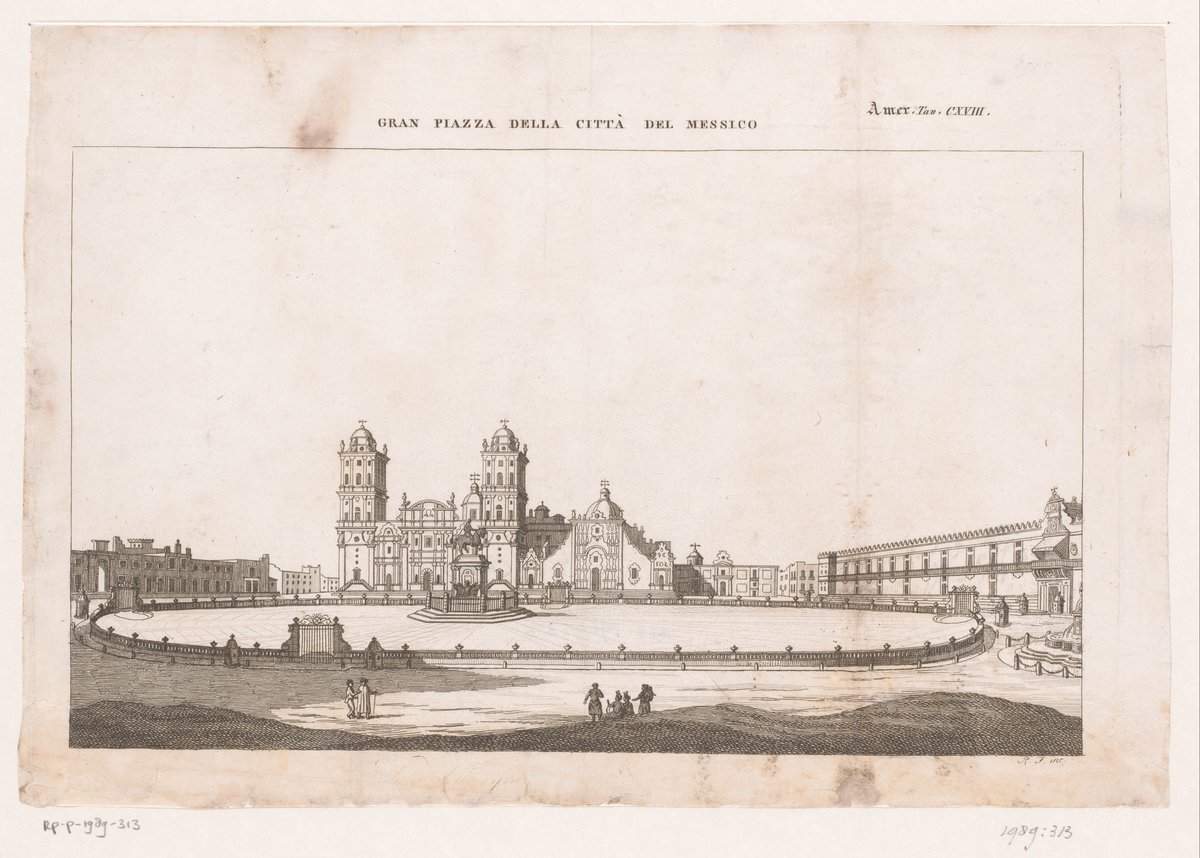
The colonial period saw the construction of numerous churches, convents, and government buildings, many of which still stand today as testaments to the city's layered history. The Metropolitan Cathedral, built on the site of the Templo Mayor, and the Palacio Nacional, the seat of government, are prime examples of Spanish colonial architecture.
Independence and Beyond
Mexico City played a pivotal role in the country's struggle for independence from Spain. In 1810, Miguel Hidalgo y Costilla, a priest from the town of Dolores, issued his famous "Grito de Dolores" (Cry of Dolores), a call to arms against Spanish rule, sparking the Mexican War of Independence. After eleven years of conflict, Mexico achieved independence in 1821, with Mexico City becoming the capital of the newly established nation.
The city continued to evolve, witnessing periods of growth, upheaval, and transformation. The Mexican Revolution (1910-1920) brought about significant social and political changes, leaving its mark on the city's landscape and identity.
Visiting Historical Sites in Mexico City
To fully appreciate the rich history of Mexico City, visitors can explore numerous historical sites:
Templo Mayor
Discover the ruins of the Great Temple of the Aztecs.
- Visiting Hours: Tuesday to Sunday, 9 AM - 5 PM
- Tickets: $4 USD (approx.)
The Metropolitan Cathedral
A stunning example of Spanish colonial architecture.
- Visiting Hours: Daily, 8 AM - 8 PM
- Tickets: Free entry, donations appreciated
Palacio Nacional
The seat of the Mexican government with beautiful murals by Diego Rivera.
- Visiting Hours: Tuesday to Sunday, 9 AM - 5 PM
- Tickets: Free entry
Chapultepec Castle
A historic castle offering panoramic views of the city.
- Visiting Hours: Tuesday to Sunday, 9 AM - 5 PM
- Tickets: $5 USD (approx.)
Special Events and Guided Tours
- Special Events: Mexico City hosts numerous cultural events throughout the year, such as the Day of the Dead celebrations and the Independence Day parade. Check local event calendars for dates and details.
- Guided Tours: Enhance your visit with guided tours that offer in-depth insights into the city's history. Many tours are available, ranging from walking tours to bus tours, often including stops at multiple historical sites.
Photographic Spots
Capture the essence of Mexico City's history with these top photographic spots:
- Zócalo: The main square, surrounded by historic buildings, offers a perfect backdrop for photos.
- Basilica of Our Lady of Guadalupe: A pilgrimage site with stunning architecture.
- Frida Kahlo Museum: Also known as Casa Azul, this museum offers vibrant photo opportunities.
Listen to the full story in the app
The whole Parque Tezozómoc,
told well.
Audio guides for 1,100+ cities across 96 countries. History, stories, and local insight — offline ready.

Verified, and shown.
Researched and written by the Audiala editorial team from historical records, architectural archives, and local expertise.
Researched from Wikidata, Wikipedia & official sources · fact-checked · How we make our guides →