Plan and listen to Old Customs Buildings, Mexico City with Audiala.
Audio guide in your pocket, itinerary in your browser. Built for the way you actually visit.
Introduction
The Old Customs Buildings, locally known as "Antiguas Aduanas" or "Vieja Aduana," are emblematic landmarks in Mexico City's Centro Histórico. These structures are enduring symbols of the city's colonial heritage, economic development, and architectural splendor. Once pivotal hubs for regulating and taxing the flow of goods during the era of New Spain, they have transitioned into vibrant cultural venues and government offices, while retaining their historical significance. This comprehensive guide offers historical context, practical visitor information, and insights into the cultural legacy of these iconic buildings.

Colonial Foundations and Historical Role
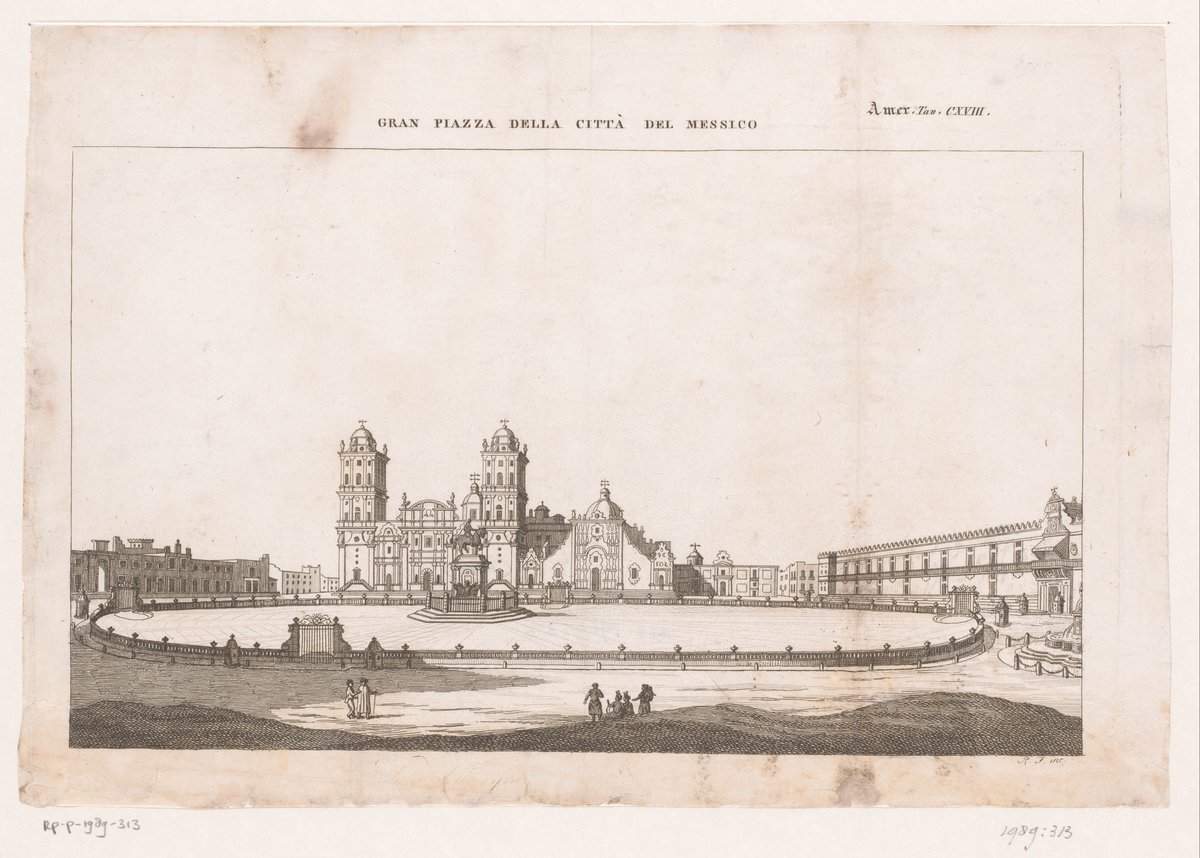
After the Spanish conquest of Tenochtitlán in 1521, Mexico City emerged as the administrative and commercial heart of New Spain (Historical Timeline of Mexico City). Customs houses were established near the Zócalo and along key trade corridors, notably the Veracruz-Mexico City route, to control and tax goods entering and leaving the city (Historic Center of Mexico City). Their role was critical in enforcing the Spanish Crown’s mercantile policies and ensuring revenue through tariffs.
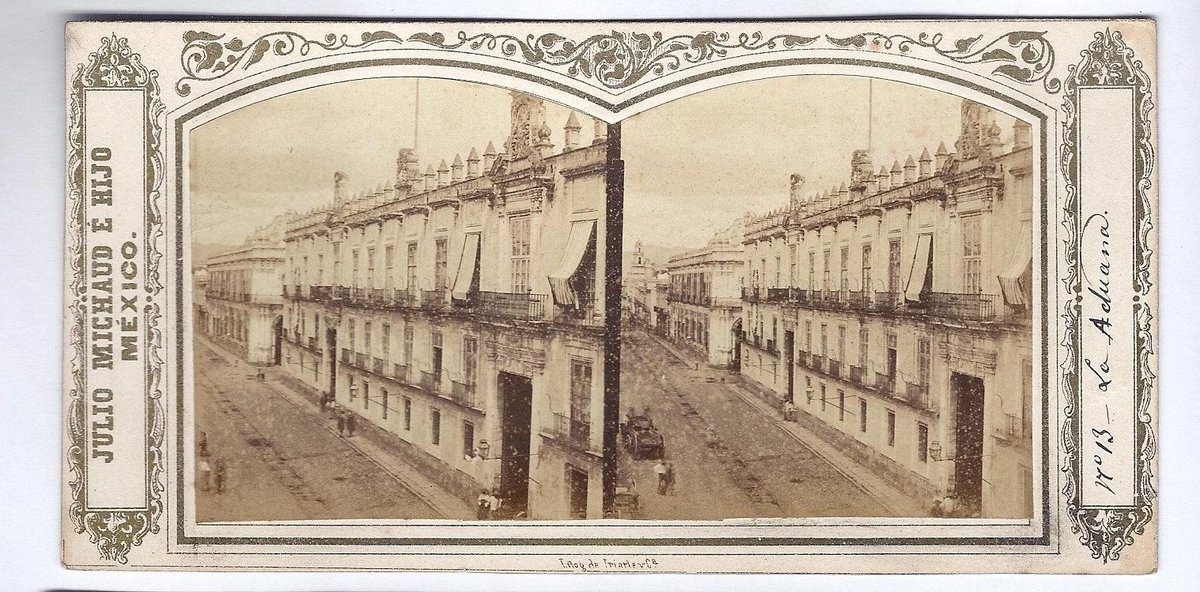
The customs office’s origins date to the late 16th and early 18th centuries, with major expansions under architect Pedro de Arrieta, who unified multiple properties into a grand baroque and neoclassical complex. The customs facilities served as storage and inspection points for precious commodities like silver, cochineal, textiles, and luxury goods, underpinning the colonial economy.
Architectural Evolution
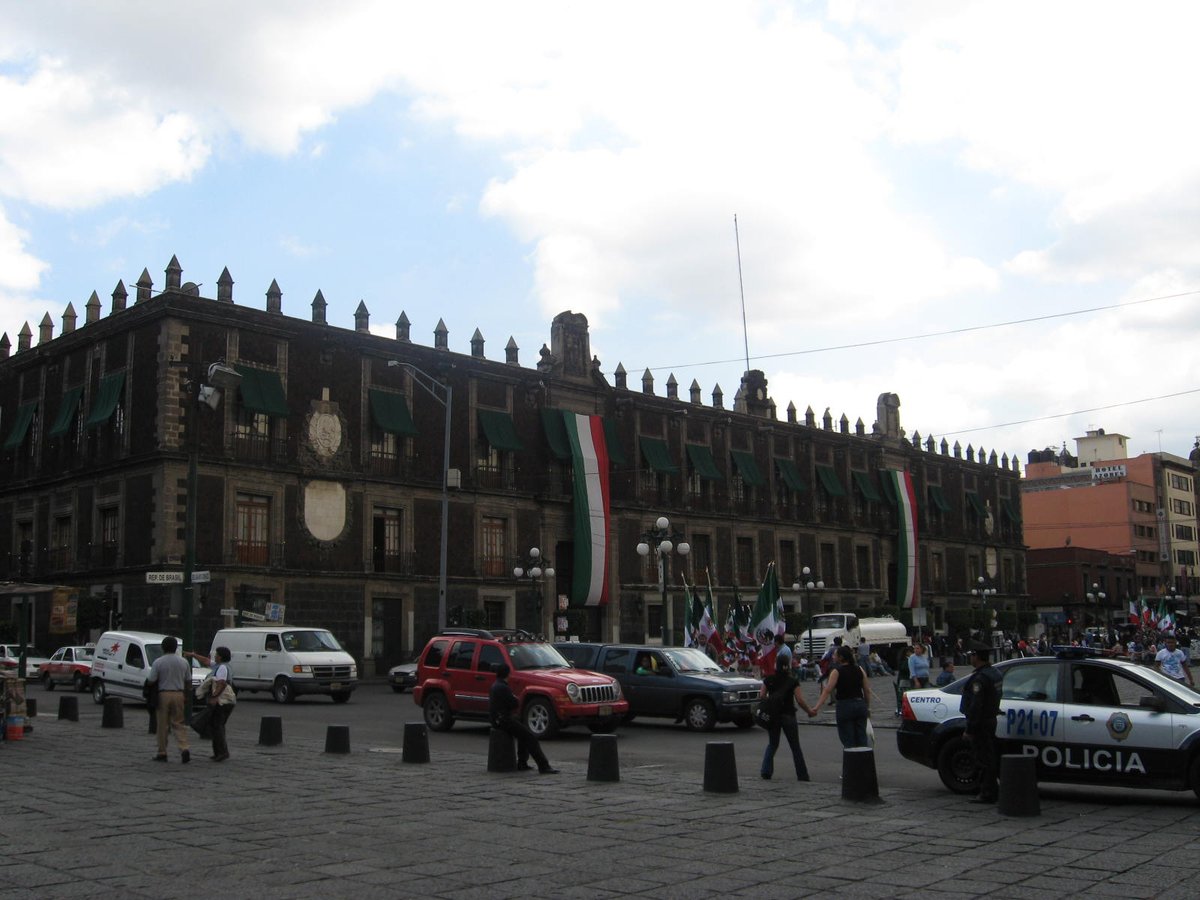
The Old Customs Buildings are outstanding examples of Spanish Baroque and Neoclassical architecture. Built primarily from tezontle (red volcanic stone) and cantera (pale volcanic stone), they feature:
- Imposing Facades with grand portals and decorative stonework.
- Arched Colonnades and spacious interior courtyards designed for commercial inspection.
- Ornate Ironwork and Balconies illustrating stylistic influences of their time (Borda House, Mexico City).
Key elements, such as the unified facade by Pedro de Arrieta, were meant to project the power and wealth of the Spanish Crown. The customs complex occupies the entire east side of Plaza Santo Domingo, forming a prominent part of the urban landscape.
Economic and Urban Impact
These buildings were at the heart of colonial Mexico City’s commerce, regulating the movement and taxation of goods. Their operation fostered the growth of a bustling commercial district around streets like Madero, Bolívar, and 16 de Septiembre—areas that remain vibrant today (Centro Historico Guide).
Post-Independence Transformation
Following Mexican independence in 1821, significant reforms modernized customs operations. Many Old Customs Buildings were repurposed for new civic uses—housing government offices, banks, cultural centers, and museums. The Borda House, for example, transitioned over time from a customs facility to a cinema, a post office, and a bank museum (Borda House, Mexico City).
Preservation and UNESCO Status
The Old Customs Buildings are part of the UNESCO World Heritage-listed Historic Centre of Mexico City (UNESCO). Restoration and adaptive reuse efforts have preserved their historic architecture and integrated contemporary functions such as art exhibitions and cultural events. The customs complex is now home to government offices, notably the Secretaría de Educación Pública (SEP), and features murals by artists like David Alfaro Siqueiros (mexicocity.cdmx.gob.mx).
Visitor Information
Visiting Hours
- General Hours: Monday to Friday, 9:00 AM to 5:00 PM. Public access may be limited as parts of the buildings serve as government offices. For exhibitions or special events, hours may differ—check official sources for updates.
Tickets
- Admission: Exterior and courtyard access is generally free. Some interior exhibitions or government areas may be restricted or require advance arrangements. Special guided tours may have associated fees.
Accessibility
- Physical Access: Wheelchair access is available at main entrances and select exhibition areas, though some areas remain challenging due to the historic structure.
- Visitor Tips: Inquire ahead with the SEP or local tourism offices for specific accessibility accommodations.
Travel Tips and Getting There
- Location: East side of Plaza Santo Domingo, Centro Histórico, near República de Venezuela and Luis González Obregón streets. The main customs building is at República de Brasil 31.
- Public Transport: Nearest metro stations are Zócalo, Allende, and Bellas Artes—all a short walk away.
- Best Time to Visit: Mornings or early afternoons on weekdays to avoid crowds.
- Safety: The area is safe during daylight; stay alert for pickpockets and avoid isolated streets at night (theunconventionalroute.com).
Nearby Attractions
- Palace of Iturbide: A baroque palace and cultural center (Notable sites west of the Zocalo).
- Zócalo and Metropolitan Cathedral: The main square and the city’s largest church.
- Templo Mayor Museum: Archaeological site of the Aztec main temple.
- Palace of the Inquisition and Santa Catarina Church: Other notable colonial landmarks within walking distance.
Guided Tours and Special Events
Several walking tours of the Centro Histórico feature the Old Customs Buildings, providing in-depth historical context and access to key interiors. The buildings also occasionally host cultural events, exhibitions, and public art displays. Check local listings or official tourism websites for current schedules (letstraveltomexico.com).
Frequently Asked Questions (FAQ)
Q: What are the Old Customs Buildings' visiting hours?
A: Typically Monday to Friday, 9:00 AM to 5:00 PM. Confirm exact hours before visiting.
Q: Is there an entry fee?
A: Most areas are free to visit; special exhibits or guided tours may require tickets.
Q: Are guided tours available?
A: Yes, several guided walking tours include the Old Customs Buildings.
Q: Are the buildings accessible to wheelchair users?
A: Partial accessibility is available; check with the site for details.
Q: Where are the Old Customs Buildings located?
A: At República de Brasil 31, Centro Histórico, near Plaza Santo Domingo.
Q: What else can I see nearby?
A: The Zócalo, Templo Mayor, Palace of the Inquisition, and more are within easy walking distance.
Discover More
Download the Audiala app for personalized travel guides, up-to-date visiting hours, and exclusive tour options for the Old Customs Buildings and other Mexico City historical sites. Follow us on social media for event updates, insider tips, and cultural highlights. Begin your exploration of Mexico City's remarkable past today!
Listen to the full story in the app
The whole Old Customs Buildings, Mexico City,
told well.
Audio guides for 1,100+ cities across 96 countries. History, stories, and local insight — offline ready.
Verified, and shown.
Researched and written by the Audiala editorial team from historical records, architectural archives, and local expertise.
Researched from Wikidata, Wikipedia & official sources · fact-checked · How we make our guides →