Plan and listen to Museo De La Secretaría De Hacienda Y Crédito Público with Audiala.
Audio guide in your pocket, itinerary in your browser. Built for the way you actually visit.
Introduction
Nestled in the heart of Mexico City’s Centro Histórico, the Museo de la Secretaría de Hacienda y Crédito Público (SHCP) provides a captivating immersion into Mexico’s rich historical, architectural, and artistic tapestry. Occupying the Antiguo Palacio del Arzobispado—a colonial-era palace built atop pre-Hispanic Mexica ruins—the museum bridges centuries of indigenous heritage, colonial grandeur, and modern creativity. Its collections are renowned for the innovative “Pago en Especie” program, which allows Mexican artists to pay taxes through artwork, resulting in a treasure trove of masterpieces. With free admission, accessible facilities, and a central location, the museum is a must-see for anyone exploring Mexico City’s historical and cultural landmarks (Museo de la SHCP Official Site; Mexico City Government; Museos de México).


Origins and Historical Evolution
Pre-Hispanic Foundations and Colonial Beginnings
The site of the Museo de la SHCP holds deep historical resonance. Archaeological excavations revealed remnants of the Templo de Tezcatlipoca, an ancient Mexica pyramid, directly beneath the palace. This extraordinary palimpsest underscores the museum’s unique position at the crossroads of indigenous and colonial histories (Wikipedia; Mexicoescultura).
Construction of the Antiguo Palacio del Arzobispado commenced in 1530 under Friar Juan de Zumárraga, the first bishop and later archbishop of New Spain. Originally a modest residence, the palace expanded into a grand administrative and religious center, reflecting the city’s growing importance during the colonial era (ArteInformado).
19th and 20th Century Transformations
Following the 1859 Ley de Nacionalización de Bienes Eclesiásticos, which transferred church properties to the state, the palace shifted to governmental use. Restoration efforts after the 1985 earthquake led to the discovery of pre-Hispanic remains and culminated in the building’s inauguration as a museum in 1994. The museum’s adaptive reuse preserves both its architectural integrity and layers of Mexico City’s history (WhichMuseum).
Architectural Highlights
Baroque Splendor and Historic Details
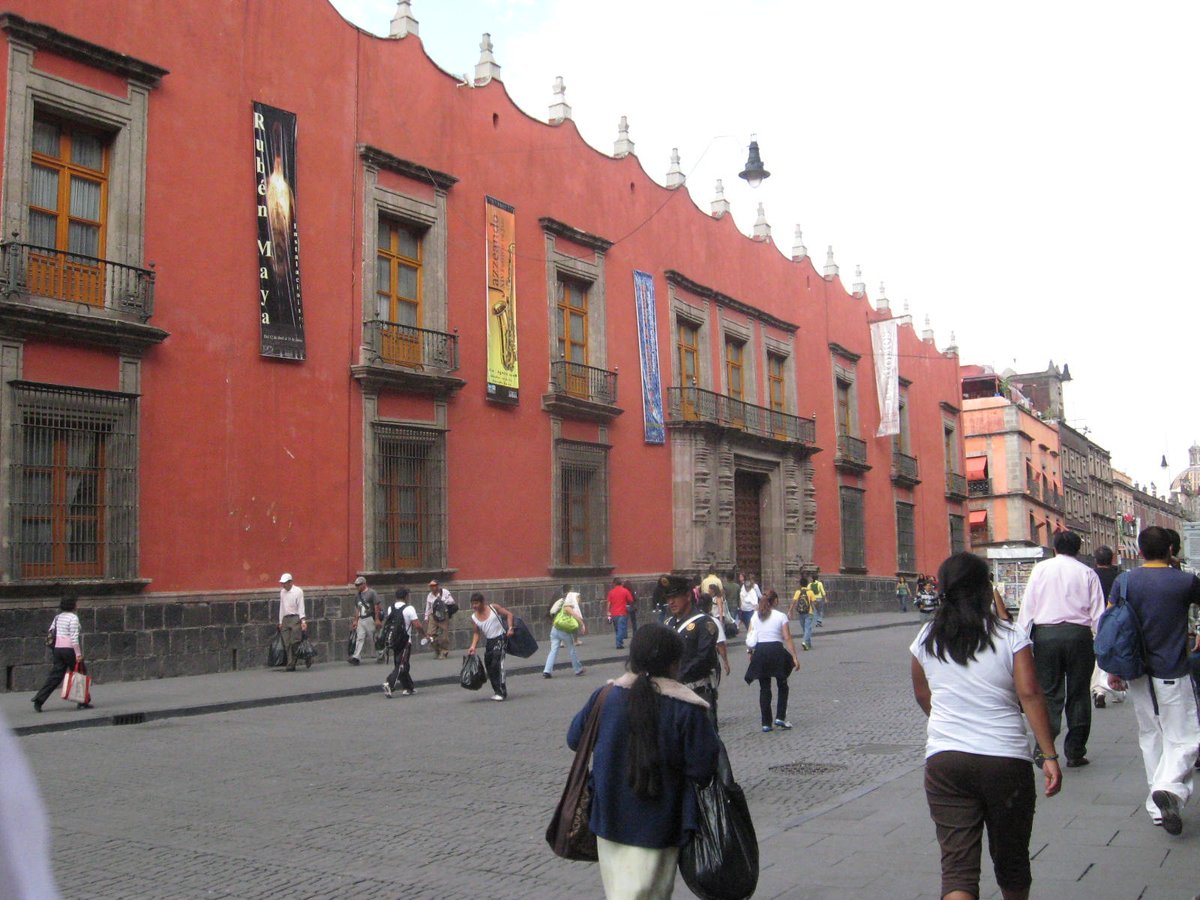
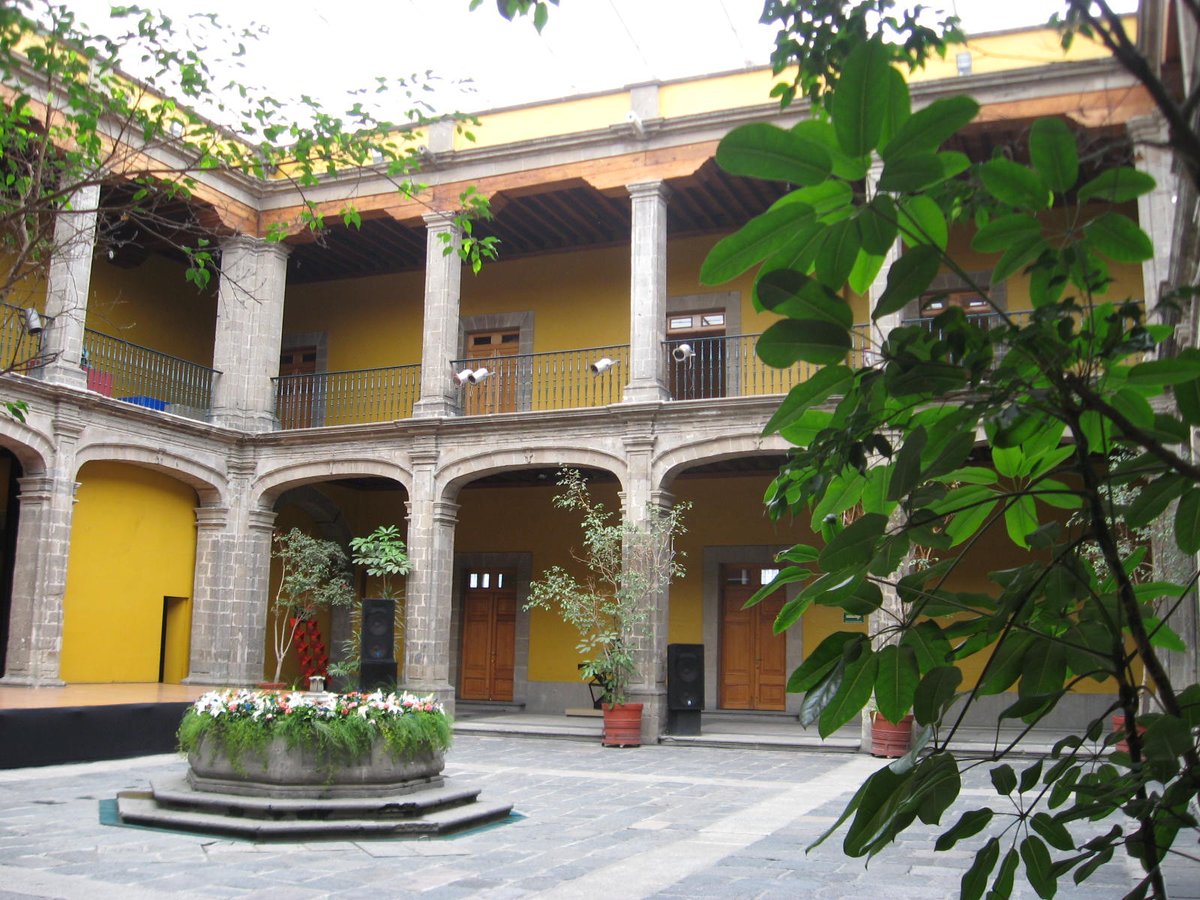
The Antiguo Palacio del Arzobispado is a masterpiece of Mexican Baroque architecture. Its façade is characterized by inverted arches, pinnacles, ornamental ironwork, and distinctive estipite columns. Two spacious courtyards, surrounded by arcaded corridors and cantera stone pillars, create a tranquil atmosphere and reveal the building’s colonial elegance. Decorative wooden doors and intricate tilework further exemplify the craftsmanship of New Spain (Mexicoescultura).
Restoration and Archaeological Integration
Restoration in the late 20th century not only preserved the palace’s baroque features but also integrated archaeological remains of the Tezcatlipoca platform into the museum’s exhibits. This seamless blend of ancient and colonial elements offers visitors a unique perspective on Mexico City’s layered past.
Art Collections and Cultural Significance
The “Pago en Especie” Program
Central to the museum’s identity is the “Pago en Especie” initiative, established in 1957. It allows artists to pay their taxes with artwork, creating one of the most significant public collections of modern and contemporary Mexican art. Artists such as Leonora Carrington, Francisco Toledo, Vicente Rojo, Juan Soriano, and Manuel Felguérez have contributed, resulting in a diverse and ever-evolving collection (SHCP Recintos Culturales).
Permanent and Temporary Exhibitions
- Colonial Art: Religious paintings, sculptures, and altarpieces from the 16th to 18th centuries.
- Modern and Contemporary Art: Works by Diego Rivera, Rufino Tamayo, David Alfaro Siqueiros, José Clemente Orozco, Graciela Iturbide, and others.
- Graphic Arts: Extensive collections of prints and engravings that reflect Mexico’s artistic and political history.
- Rotating Exhibitions: Thematic shows and retrospectives that bring fresh perspectives and highlight emerging voices in Mexican art (Museos de México).
Educational and Cultural Activities
The museum is a vibrant cultural hub, hosting lectures, workshops, performances, and family programs. Its dynamic programming ensures ongoing relevance and community engagement.
Visitor Information
Hours and Admission
- Days: Tuesday to Sunday
- Hours: 10:00 AM – 5:00 PM (some sources list 6:00 PM; verify via official site before your visit)
- Closed: Mondays and public holidays
- Admission: Free for all visitors; no tickets or advance reservation required (Official Museo De La Secretaría De Hacienda Y Crédito Público Website)
Accessibility
The museum is equipped with ramps and elevators, ensuring access for visitors with mobility challenges. Accessible restrooms and seating are available throughout the building.
Location and Transportation
- Address: Moneda 4, Centro Histórico, Cuauhtémoc, Mexico City
- Metro: Zócalo (Line 2, Blue) and República de Argentina (Line 4) stations are nearby.
- Bus: Numerous lines serve Centro Histórico; look for stops near Zócalo.
- Parking: Limited. Paid parking lots are available a short walk away.
Facilities and Travel Tips
- Restrooms and Cloakroom: Available on site.
- Photography: Permitted in most areas without flash or tripods.
- Information: Bilingual signage throughout, though some details are in Spanish only.
- Best Times to Visit: Weekday mornings for a quieter experience.
- Self-Guided and Group Visits: Educational materials and occasional guided tours are available; check for current offerings.
Guided Tours and Special Events
While official guided tours may be limited, detailed signage and multimedia displays facilitate self-guided exploration. The museum frequently hosts temporary exhibitions, workshops, and cultural events; check the museum’s official website or social channels for updates.
Frequently Asked Questions (FAQ)
Q: What are the Museo de la SHCP’s visiting hours?
A: Open Tuesday to Sunday, 10:00 AM to 5:00 PM (verify closing time before your visit).
Q: Is admission free?
A: Yes, entry is free for all visitors; no tickets required.
Q: Are guided tours available?
A: Guided tours can sometimes be arranged by appointment; contact the museum for the latest information.
Q: Is the museum accessible for visitors with disabilities?
A: Yes, ramps, elevators, and accessible restrooms are provided.
Q: Can I take photographs inside?
A: Non-flash, non-tripod photography is allowed in most areas.
Q: What’s the best way to get there by public transport?
A: Metro stations Zócalo (Line 2) and República de Argentina (Line 4) are closest. Numerous buses also serve the area.
Q: Are there facilities for storing bags and coats?
A: Yes, a cloakroom is available.
Nearby Attractions
Enhance your cultural itinerary by visiting:
- Zócalo: Mexico City’s historic main square
- Palacio Nacional: Seat of the federal executive, featuring Diego Rivera murals
- Metropolitan Cathedral: Iconic colonial cathedral
- Museo Nacional de Arte: A few blocks away, with an outstanding art collection
All attractions are within easy walking distance in Centro Histórico.
Listen to the full story in the app
The whole Museo De La Secretaría De Hacienda Y Crédito Público,
told well.
Audio guides for 1,100+ cities across 96 countries. History, stories, and local insight — offline ready.
Verified, and shown.
Researched and written by the Audiala editorial team from historical records, architectural archives, and local expertise.
Researched from Wikidata, Wikipedia & official sources · fact-checked · How we make our guides →