Plan and listen to Monumento A La Raza with Audiala.
Audio guide in your pocket, itinerary in your browser. Built for the way you actually visit.
Introduction
Nestled at the intersection of Avenida de los Insurgentes, Circuito Interior, and Calzada Vallejo in the Cuauhtémoc borough, the Monumento a La Raza is among Mexico City’s most significant urban landmarks. Rising 50 meters high, this imposing pyramid honors the country’s Indigenous heritage and mestizo identity, standing as a testament to the nation’s cultural fusion and enduring spirit. Built between 1930 and 1940, the monument’s design draws inspiration from pre-Columbian pyramidal architecture, most notably the stepped pyramids of Teotihuacan and Xochicalco. Its crowning feature, a monumental bronze eagle devouring a serpent atop a nopal cactus, is a direct reference to the Aztec founding legend of Tenochtitlán and the central icon of Mexican national identity.
This comprehensive guide details everything you need to know before visiting the Monumento a La Raza—its history, cultural symbolism, visiting hours, accessibility, nearby attractions, restoration efforts, and practical travel tips. Whether you are a history enthusiast, architecture lover, or cultural explorer, the Monumento a La Raza offers a unique window into Mexico’s past and its evolving urban identity.
For further information and updates, consult sources such as Wikiwand, Mexico City Official Tourism, and Urbipedia.

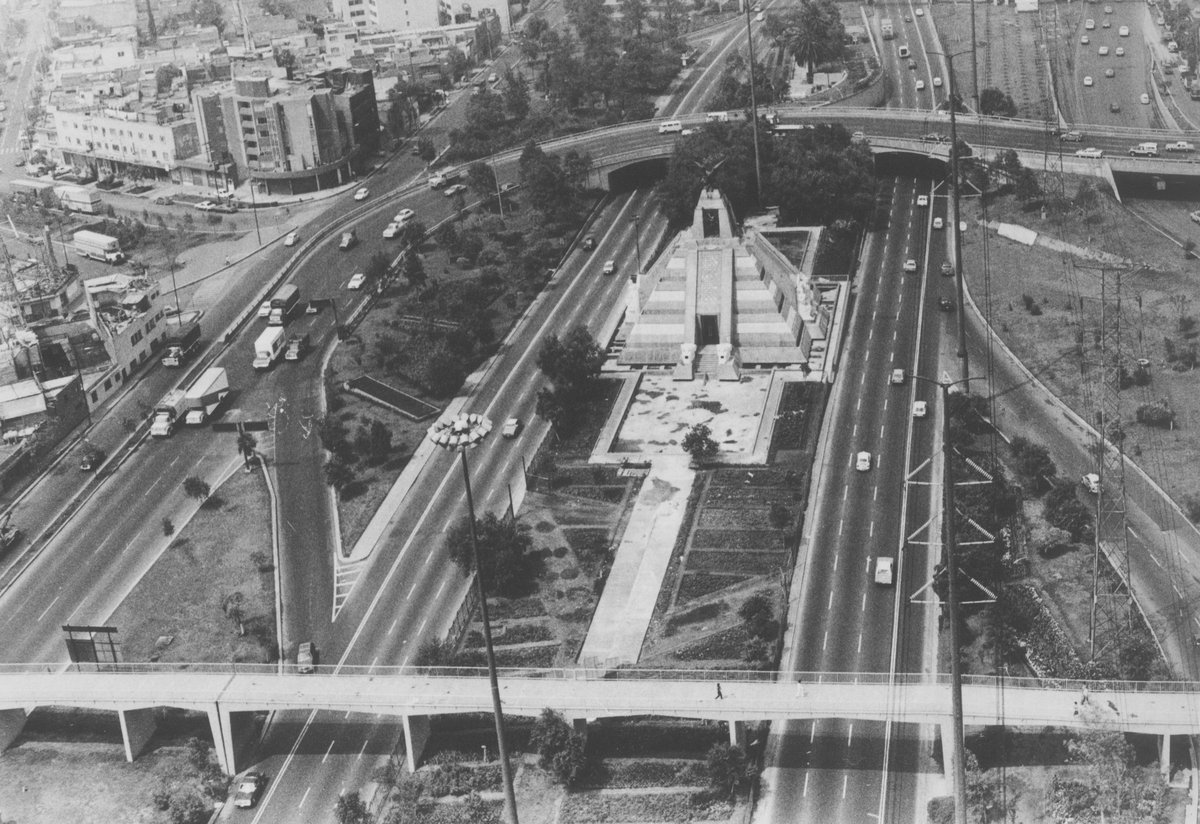
Monumental Structure and Layout
Origins and Construction
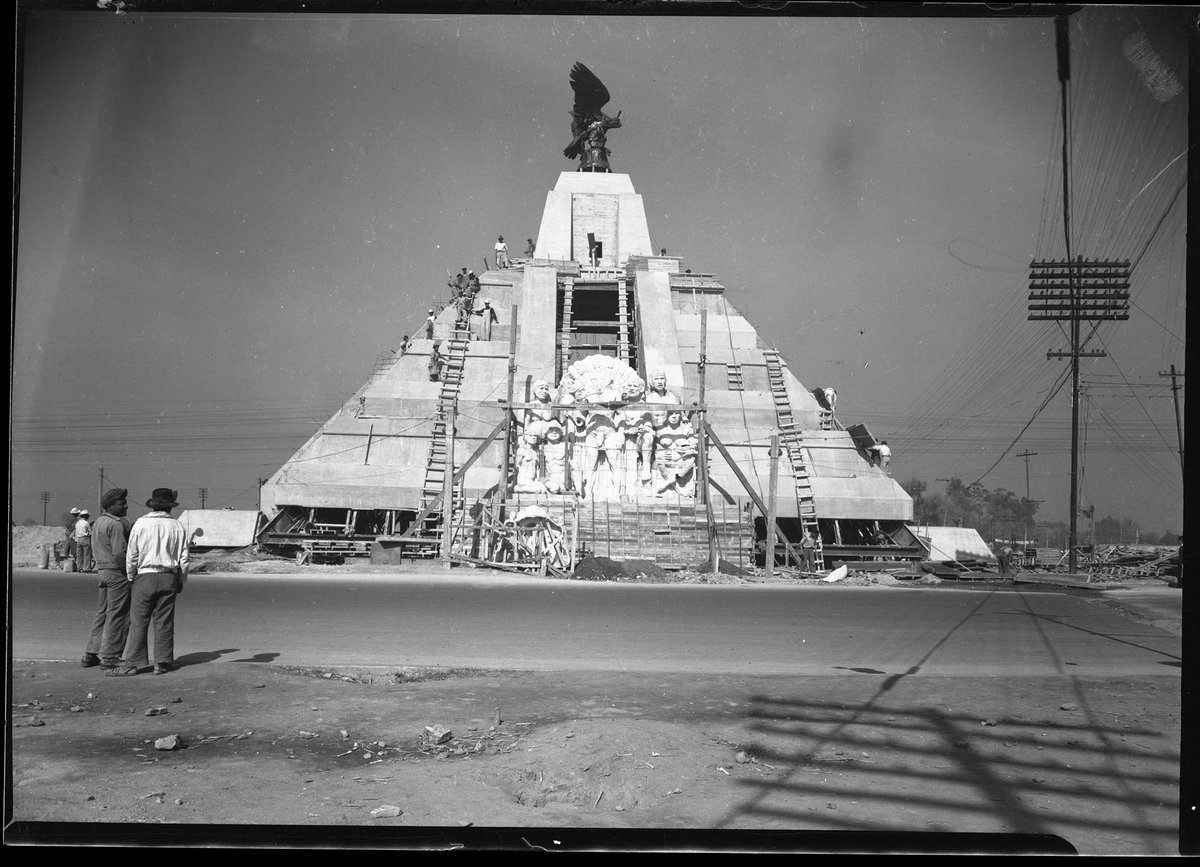
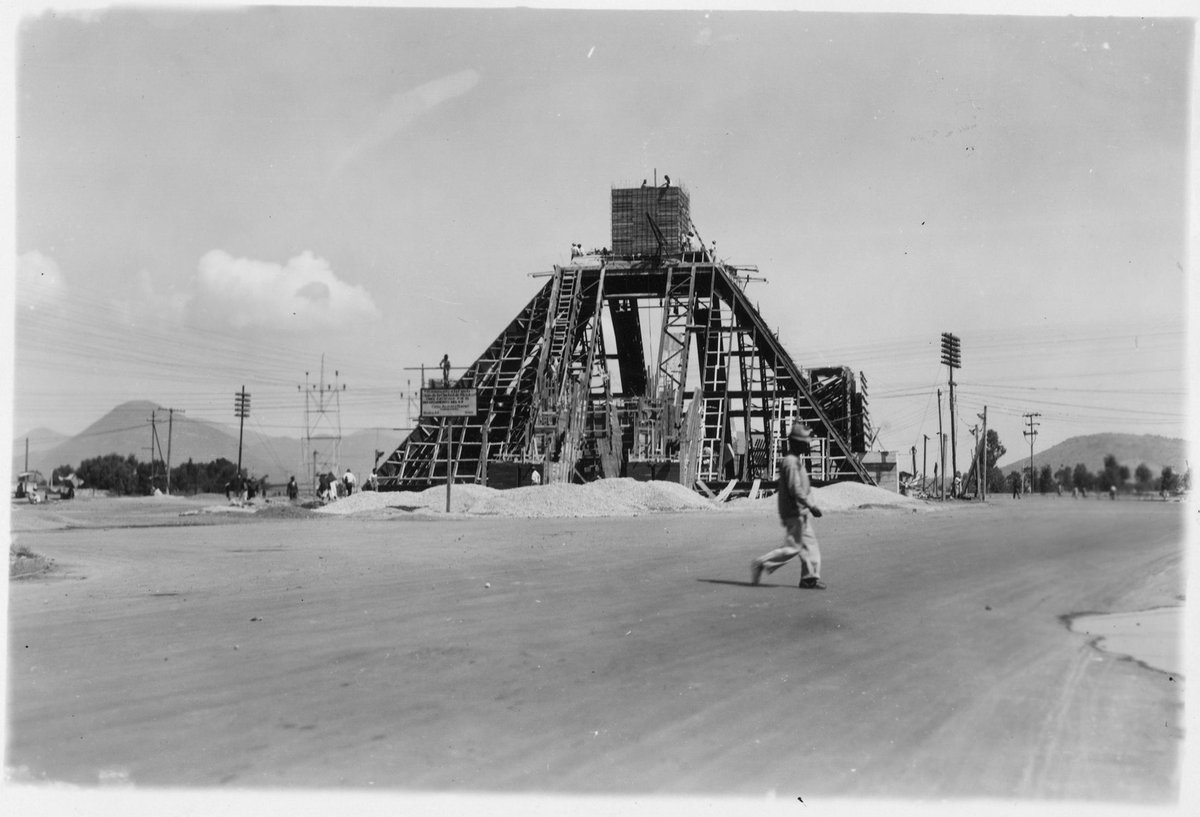
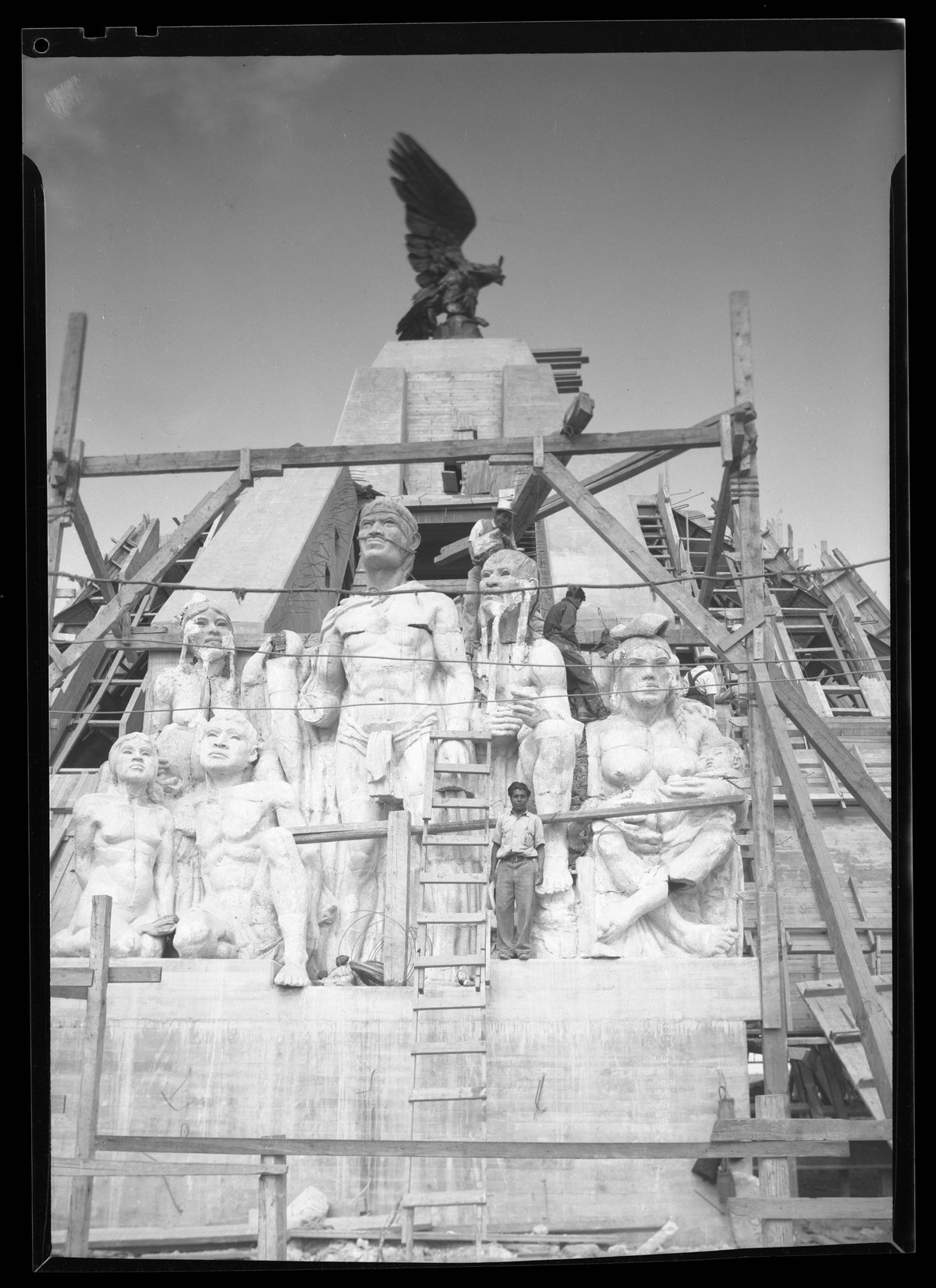
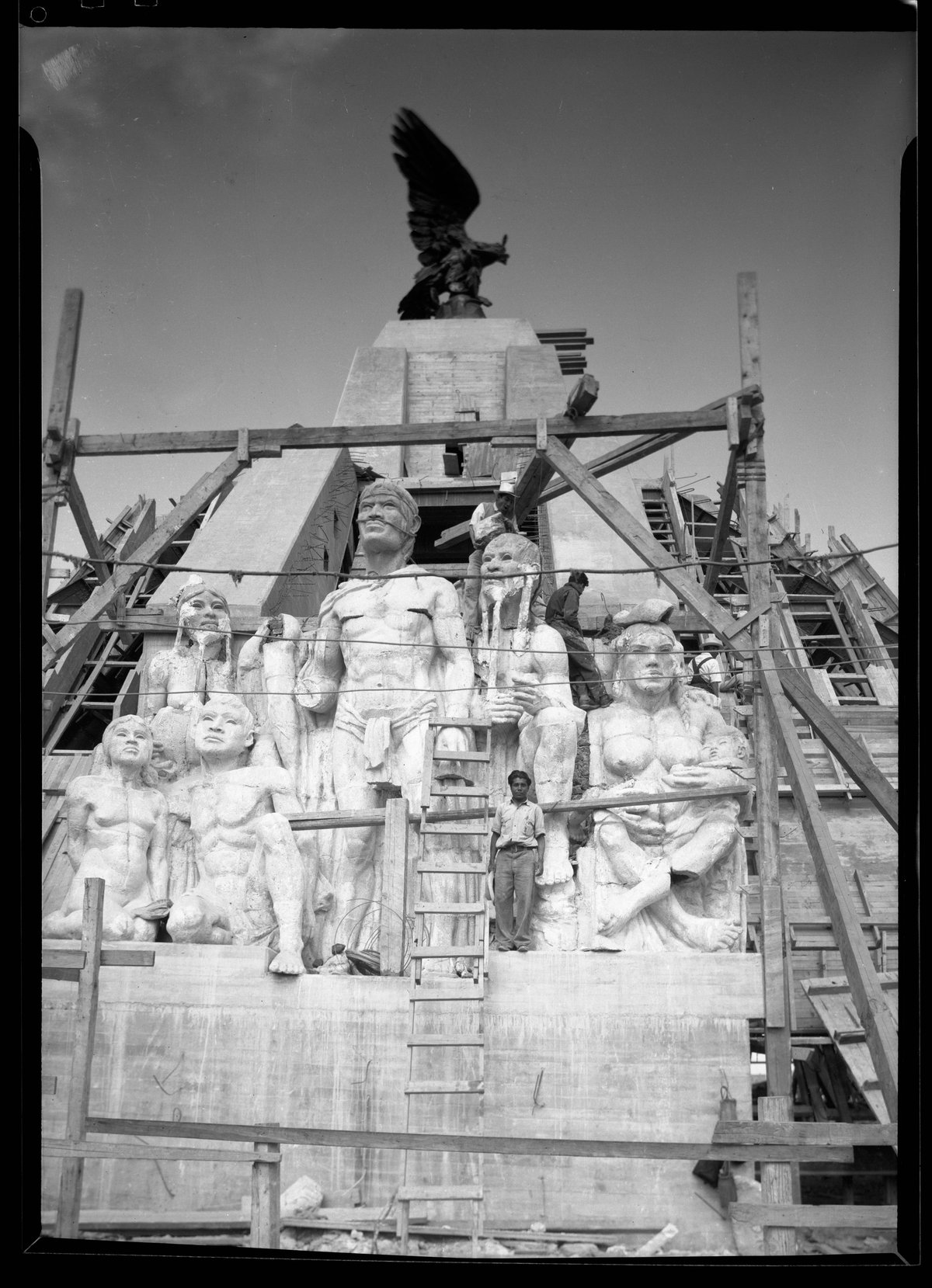
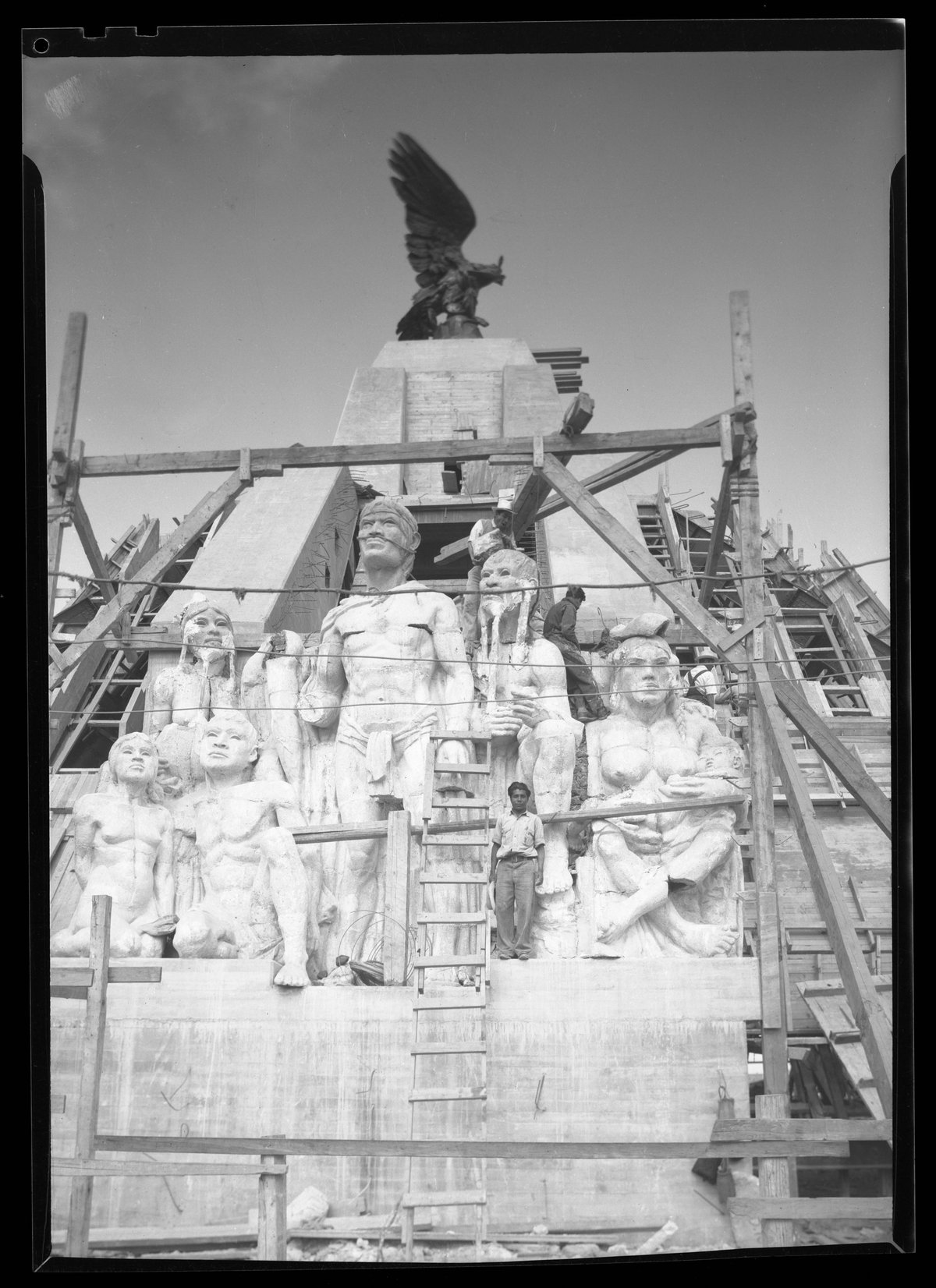
The Monumento a La Raza was conceived as part of a post-revolutionary initiative to celebrate Mexico’s Indigenous roots and the creation of a mestizo nation. Construction began in 1930 under the direction of engineer Francisco Borbolla and architect Luis Lelo de Larrea, with contributions from Augusto Petriccioli. The monument was inaugurated on October 12, 1940, aligning with Día de la Raza—a date now reinterpreted as Día de la Resistencia Indígena to honor Indigenous resilience.
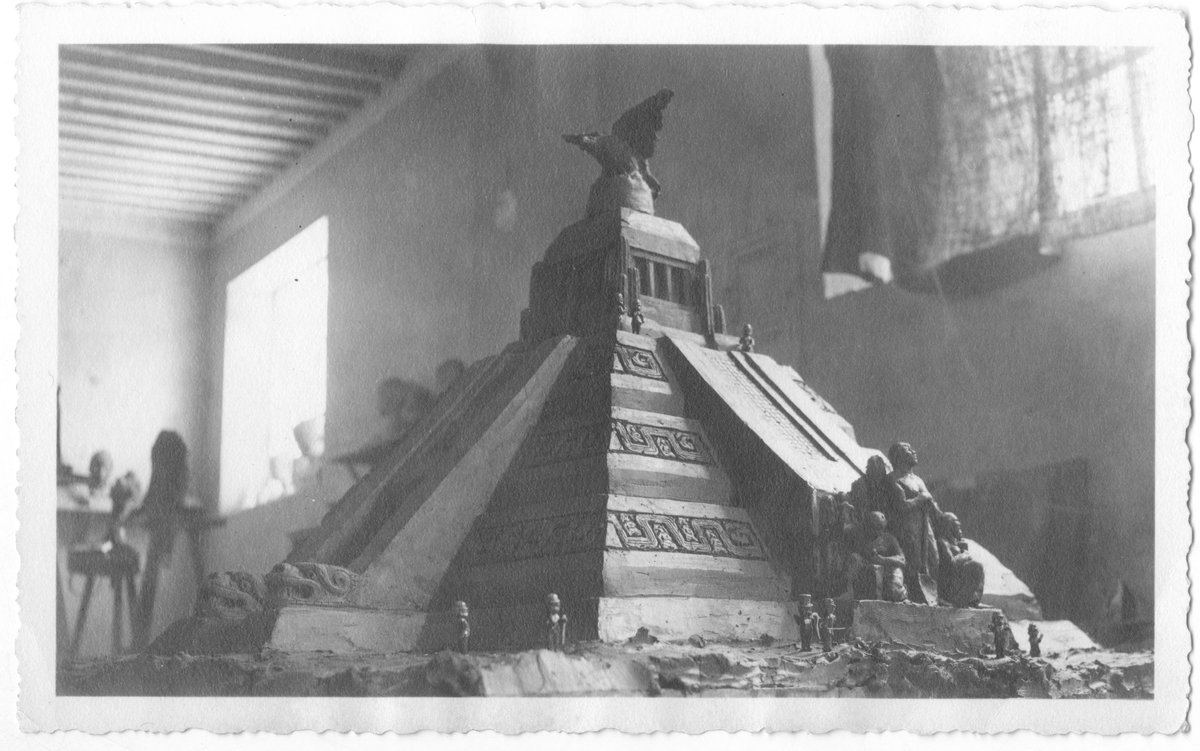
The structure comprises three superimposed truncated pyramids, inspired by pre-Hispanic ceremonial centers. This “false pyramid” form is not an archaeological relic but a modern homage to ancient architecture, integrating durable materials such as reinforced concrete, stone, and bronze (Urbipedia).
Architectural Features and Sculptural Elements
The monument’s four faces are defined by smooth, inclined planes bordered by vertical pilasters, evoking the stepped pyramids of Teotihuacan and Xochicalco (Los Monumentos del Mundo). Two grand staircases—each guarded by monumental serpent heads—provide access to the upper platform and the interior.
The most recognizable feature is the colossal bronze eagle and serpent ensemble atop the pyramid. Sculpted by Jesús F. Contreras, the eagle measures 5.75 meters from wingtip to wingtip, and the serpent stretches 5.3 meters. Originally intended for the Palacio Legislativo, the sculpture was repurposed for Monumento a La Raza after the Revolution (Infobae).
Bronze bas-reliefs adorn the monument’s base, depicting tlatoanis (rulers) of the Aztec Triple Alliance and Cuauhtémoc, the last Aztec emperor. Horizontal friezes inspired by the feathered serpent (Quetzalcoatl) motifs from Xochicalco are integrated into the pyramid’s tiers, visually connecting the monument to Mexico’s ancient civilizations.
On the lower southern base, two monumental sculptural groups dramatize key moments in Mexican history:
- Grupo de la Fundación de México: Depicts the legendary founding of Tenochtitlán.
- Grupo Defensa de Tenochtitlán: Commemorates the defense of the Aztec capital against Spanish conquest.
Cultural Symbolism and National Identity
The Monumento a La Raza is more than an architectural feat; it is a symbolic bridge between Mexico’s Indigenous and modern identities. The eagle and serpent imagery directly references the Mexica creation myth and the emblem of the national flag, while the pyramid structure and serpent motifs allude to Mesoamerican cosmology.
“La Raza” refers to the diverse peoples of Mexico, celebrating mestizaje—the blending of Indigenous and European cultures. The monument’s dedication on Día de la Raza underscores its role in shaping narratives around national unity, resistance, and cultural memory (Excelsior).
Visiting the Monumento a La Raza
Visiting Hours and Tickets
- Hours: The monument and its gardens are generally open to the public daily from 8:00 AM to 3:00 PM. While the monument is an open-air site, access to the garden may be limited outside these hours.
- Tickets: Entry is free; no ticket is required.
- Best Times to Visit: Weekday mornings are ideal for avoiding crowds and heavy traffic.
Accessibility and Visitor Tips
- Access: The monument is situated in a busy median and is accessible via pedestrian bridges over Insurgentes Norte. La Raza Metro station (Lines 3 and 5) and Metrobús Lines 1 and 3 serve the area, with clear signage to the monument.
- Mobility: While there are pathways and pedestrian bridges, the location may be challenging for individuals with limited mobility due to heavy traffic and stairs. Visitors should exercise caution.
- Photography: The monument’s scale and artistic details provide excellent photographic opportunities, especially at sunrise or sunset.
- Amenities: There are cafés and shops nearby, but no dedicated visitor center at the monument.
Guided Tours and Visitor Experience
No official guided tours are offered at the site, but many local tour operators include the monument in historical city tours. Mobile guide apps can enhance your self-guided exploration.
Nearby Attractions and Special Events
- Parque de los Periodistas Ilustres: A nearby park featuring statues of Mexican journalists.
- Museo de la Medicina Mexicana: Offers insights into Mexico’s medical history.
- Basilica of Our Lady of Guadalupe: One of Latin America’s most important pilgrimage sites, a short distance north.
- Chapultepec Park and National Museum of Anthropology: Easily accessible by metro or taxi.
The monument is a focal point for Día de la Raza (October 12) and other cultural commemorations. Check local event calendars for special activities.
Public Reception and Contemporary Significance
Symbolic Importance and Neighborhood Identity
The monument has shaped the identity of its surrounding area, now commonly known as “La Raza.” Its silhouette is featured in the pictograms for the La Raza metro and Metrobús stations. While some critics have found its design controversial, most locals regard it as an earnest tribute to Mexico’s layered history and a daily reminder of cultural resilience (Oncenoticias).
Critiques and Cultural Debates
Some architects and historians have critiqued the monument’s blend of modernist and pre-Hispanic styles. The monument’s dedication, once focused on “Día de la Raza,” now reflects shifting perspectives, with growing emphasis on Indigenous resistance and heritage (Diario de México).
Preservation and Restoration Efforts
Recent Initiatives
In response to years of neglect, vandalism, and urban challenges, the Mexico City government initiated a multi-phase restoration project in October 2024. Efforts focus on cleaning stone and bronze elements, repairing the eagle and serpent sculptures, and addressing social issues like homelessness at the site (Diario de México), (Excelsior).
Technical Aspects and Community Engagement
Specialized teams ensure restoration adheres to conservation best practices, with enhanced lighting and security planned. Public education campaigns accompany the physical restoration, fostering community pride and participation. Long-term maintenance strategies are being developed to ensure the monument’s preservation.
Frequently Asked Questions (FAQ)
Q: What are the visiting hours for Monumento a La Raza?
A: Generally 8:00 AM to 3:00 PM daily, though the open-air site can be viewed at any time.
Q: Is there an entrance fee?
A: No, entry is free.
Q: How do I get there by public transportation?
A: The La Raza Metro station (Lines 3 and 5) and Metrobús Lines 1 and 3 offer direct access. Several bus routes also serve the area.
Q: Are guided tours available?
A: No official tours onsite, but many operators include it in city tours.
Q: Is the monument wheelchair accessible?
A: Accessibility is limited due to pedestrian bridges and stairs; exercise caution.
Q: What other attractions are nearby?
A: The Basilica of Our Lady of Guadalupe, Parque de los Periodistas Ilustres, and the National Museum of Anthropology.
Discover More
The Monumento a La Raza stands as a powerful testament to Mexico’s Indigenous heritage, national identity, and urban evolution. Free to visit and easily accessible, it is a must-see for those seeking to understand the story of Mexico City. Continued restoration and community engagement promise a vibrant future for this cultural landmark.
To enrich your visit:
- Download the Audiala app for audio guides and virtual tours.
- Explore related articles on Mexico City’s historical sites.
- Stay updated on restoration progress and cultural events by following us on social media and official tourism websites.
Listen to the full story in the app
The whole Monumento A La Raza,
told well.
Audio guides for 1,100+ cities across 96 countries. History, stories, and local insight — offline ready.
Verified, and shown.
Researched and written by the Audiala editorial team from historical records, architectural archives, and local expertise.
Researched from Wikidata, Wikipedia & official sources · fact-checked · How we make our guides →