Plan and listen to La Santisima Church with Audiala.
Audio guide in your pocket, itinerary in your browser. Built for the way you actually visit.
Introduction
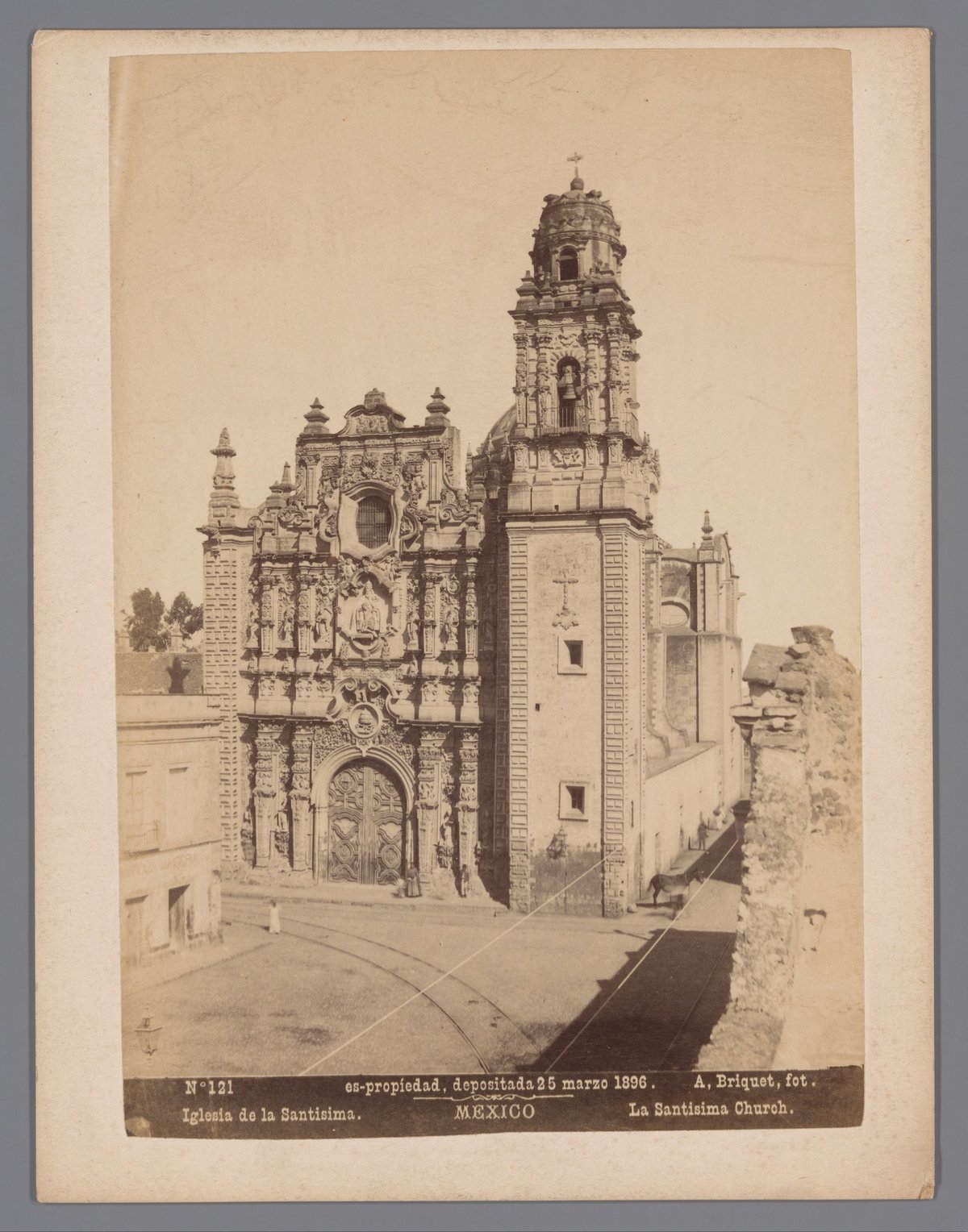
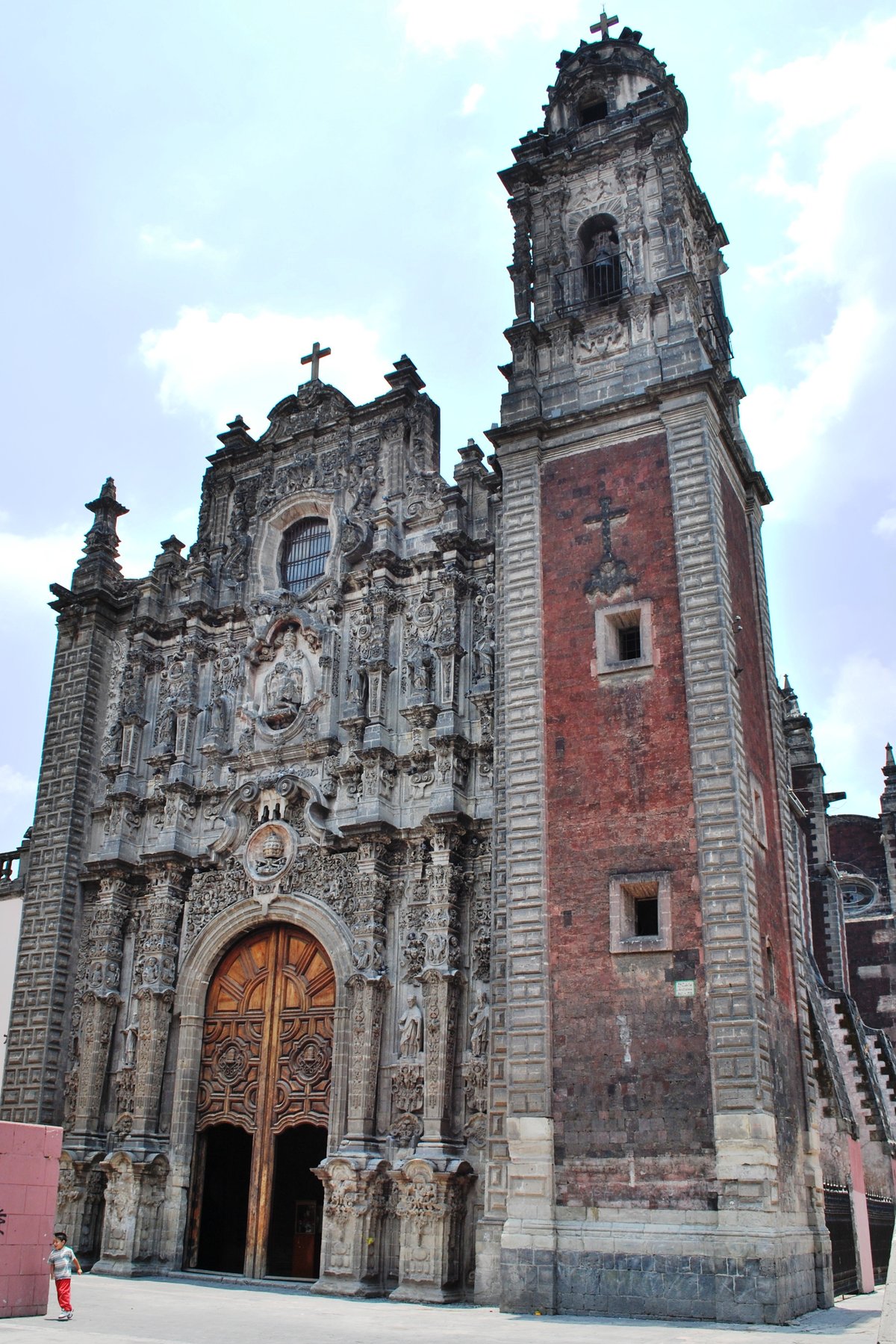
La Santísima Church (Iglesia de la Santísima Trinidad), nestled in Mexico City’s vibrant historic center, stands as a striking testament to Mexico’s rich colonial past and enduring cultural vitality. Built between 1755 and 1783, the church is celebrated for its exuberant Mexican Baroque and Churrigueresque architecture, marked by intricate stonework and dramatic sculptural detail. Originally founded by a guild of tailors and later associated with the Trinitarian Order, La Santísima Church’s layered history mirrors the broader story of New Spain, blending indigenous roots with Catholic tradition. Today, it remains an active site of worship, a hub for community life, and a highlight for visitors exploring Mexico City historical sites.
Whether you are drawn by history, architecture, religious devotion, or cultural exploration, La Santísima Church offers a unique window into the city’s evolving identity. This comprehensive guide outlines the church’s history, architectural features, visiting hours, accessibility, ticketing, and nearby attractions, providing everything you need for an enriching visit.

Visiting Hours, Tickets, and Accessibility
Visiting Hours
La Santísima Church is generally open to visitors from 8:00 AM to 7:00 PM, Tuesday through Sunday. The church is closed on Mondays and may have adjusted hours during major religious festivals or public holidays. Arriving early is recommended for a quieter experience and optimal lighting for photography.
Tickets and Entry
Admission is free for all visitors. Donations are appreciated and support both ongoing preservation and the church’s charitable programs.
Accessibility
The main entrance features a ramp, allowing wheelchair access, although some interior areas may have uneven floors due to the building’s age. Visitors with mobility challenges are encouraged to plan ahead and may request assistance from staff.
Guided Tours
While official guided tours are not offered by the church itself, a variety of local operators and walking tour companies include La Santísima Church on their itineraries. These tours provide historical and artistic context, enriching your visit (Touropia).
Historical Background and Architectural Evolution
Early Origins
The church’s origins date to the early 16th century, when a guild of tailors established a small hermitage on land formerly part of the Aztec capital, Tenochtitlan. In 1567, the Order of Saint Clare briefly managed the site before it returned to the tailors and, later, to the Trinitarian Order, reflecting the complex religious landscape of colonial Mexico.
By 1577, the Hermandad de San Pedro, founded by Pedro Gutiérrez Pisa, established a hospital and hospice for elderly clergy on the site. This brotherhood eventually merged with the Trinitarians to become the Cofraternidad de la Santísima Trinidad, deepening the church’s charitable mission (Mexico News Daily).
Construction and Baroque Flourish
The current church was constructed between 1755 and 1783, attributed to architect Ildefonso de Iniesta Bejarano. Its design, reminiscent of the nearby Sagrario Metropolitano, features a three-nave basilica layout with a wide central aisle, accommodating large congregations and ceremonial events (Wikipedia).
Churrigueresque Façade
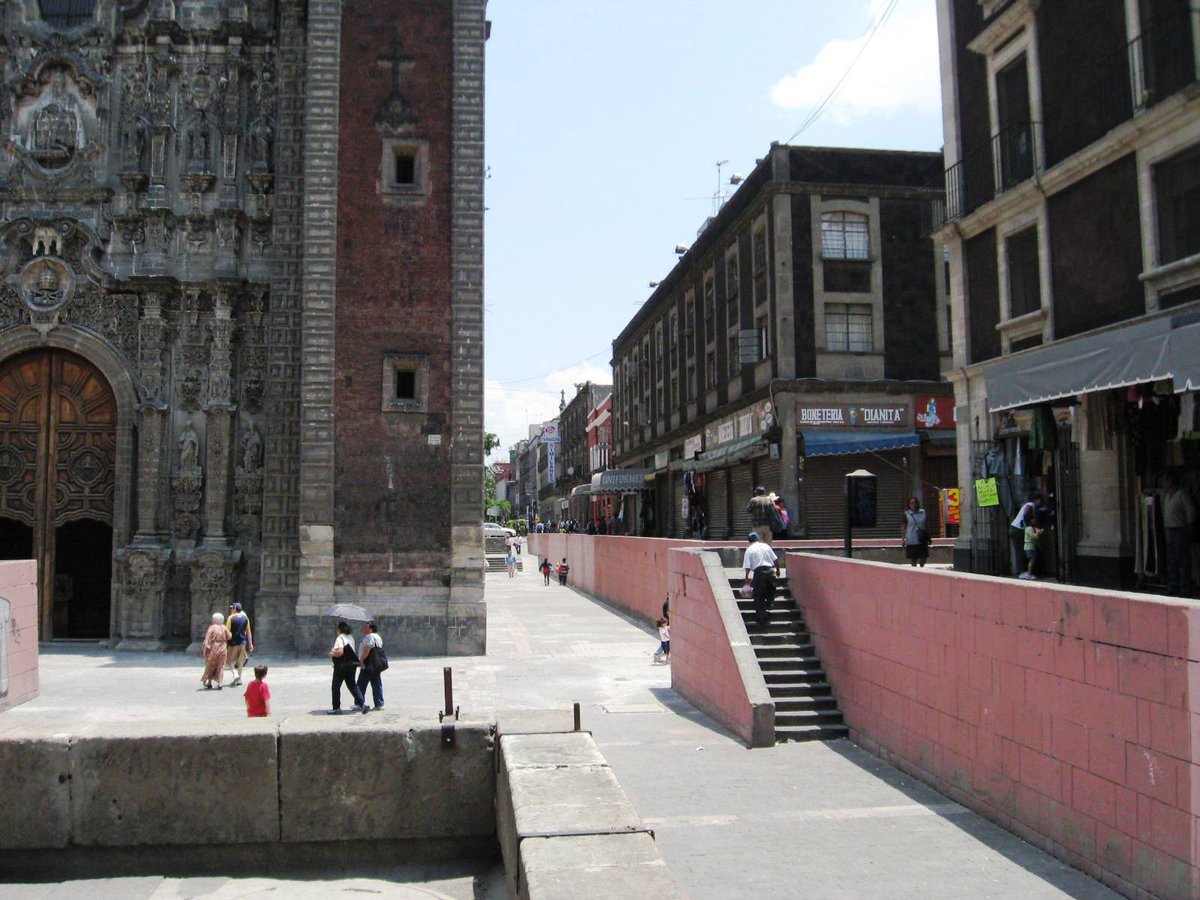
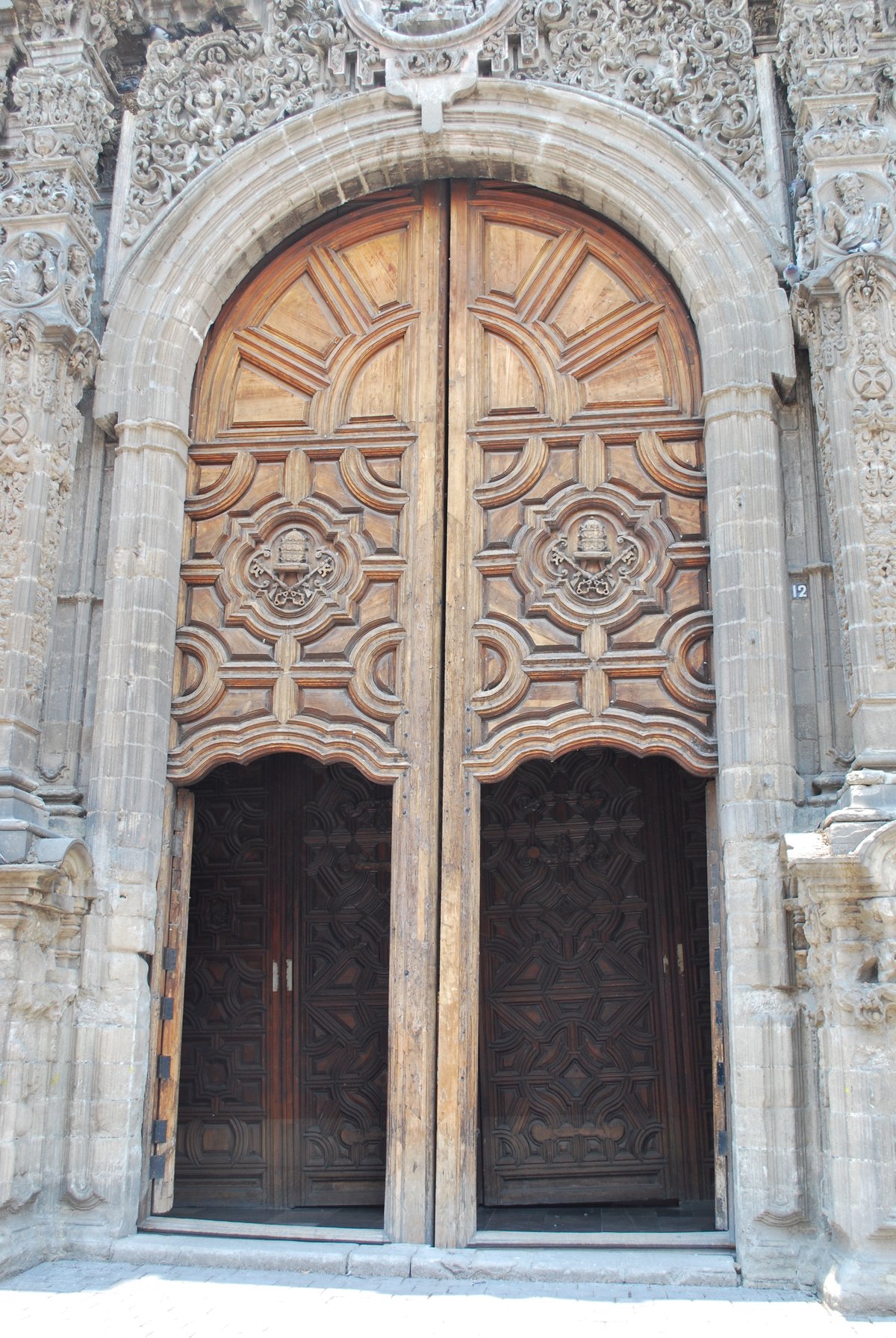
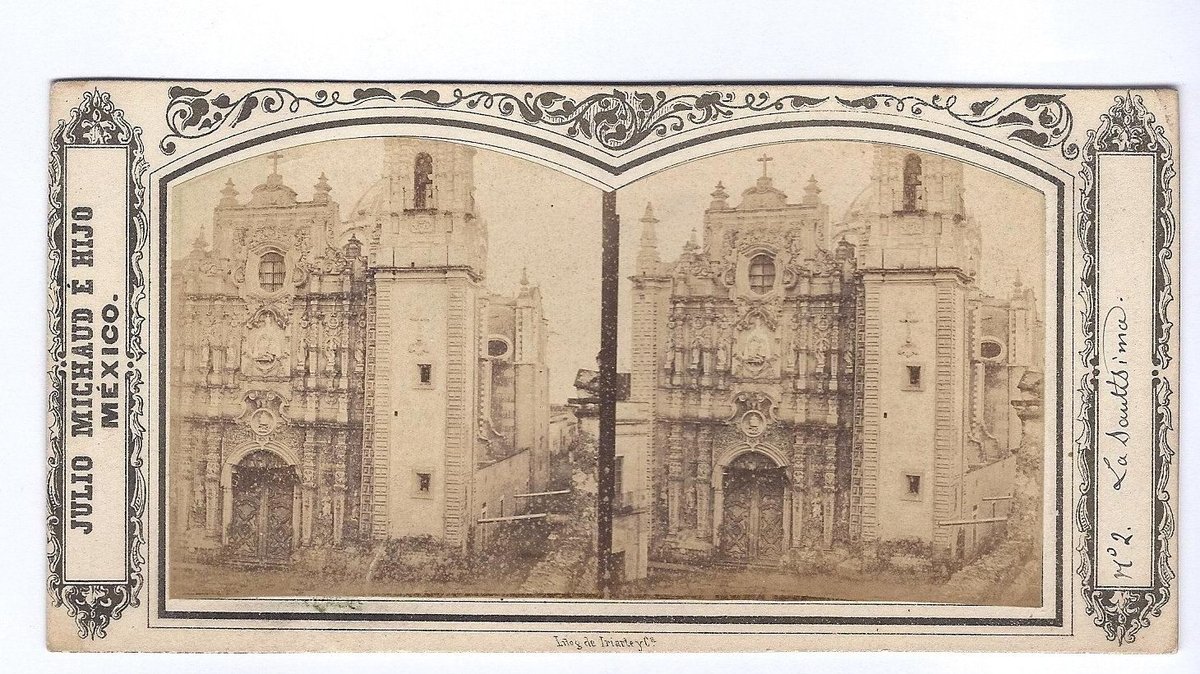
La Santísima Church’s façade is a celebrated example of Mexican Churrigueresque Baroque, a style noted for lavish ornamentation and bold sculptural details. The façade is adorned with estípite (inverted pyramid) columns, statues of saints, and a powerful sculptural group depicting Christ with his head in God’s lap—a rare and moving motif (Lonely Planet). Materials such as tezontle and cantera volcanic stones were expertly carved by indigenous and mestizo artisans.
Structural Challenges and Preservation
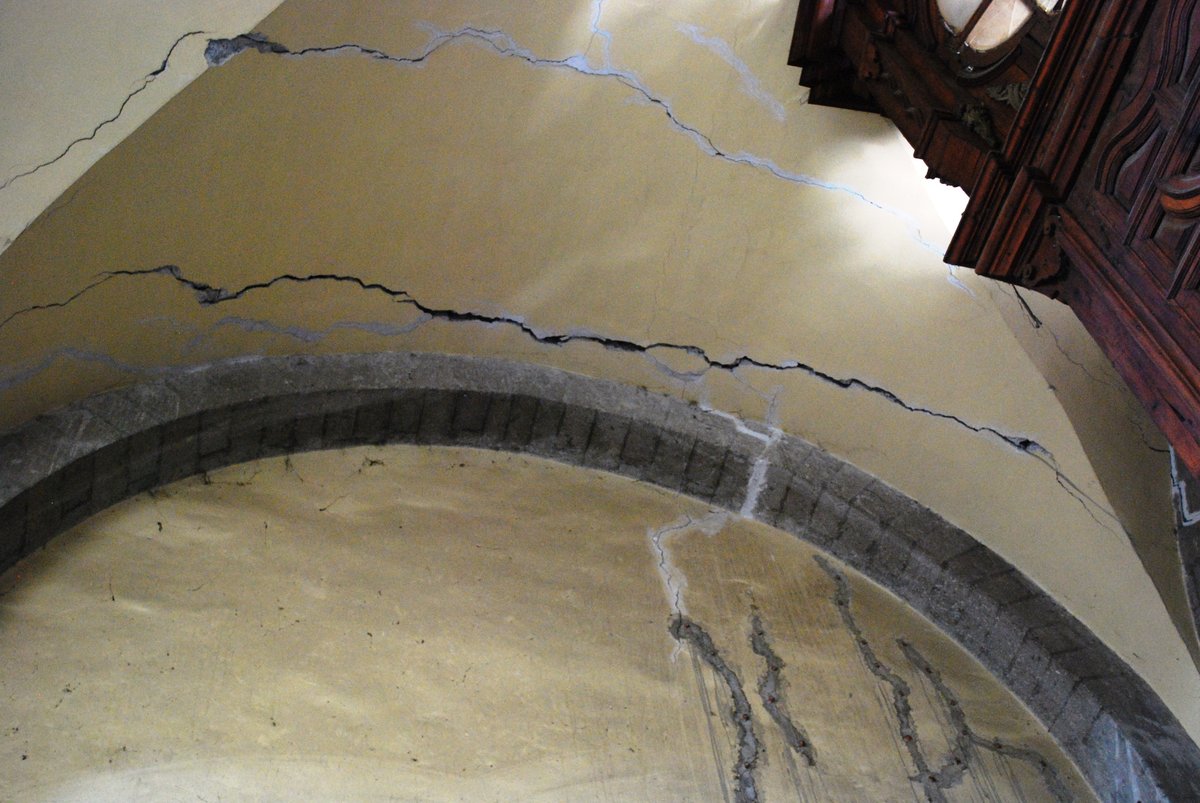
Sited on the former lakebed of Lake Texcoco, the church has faced persistent structural instability. The floor was raised in the early 19th century to counteract flooding, and major repairs were undertaken in the mid-1800s and again in the 20th century due to subsidence. Stabilization efforts—including the installation of stone wedges and foundation excavations—continue to preserve this historic landmark (Wikipedia).
Artistic Heritage and Interior Highlights
While some original interior decoration has been lost, notable features remain:
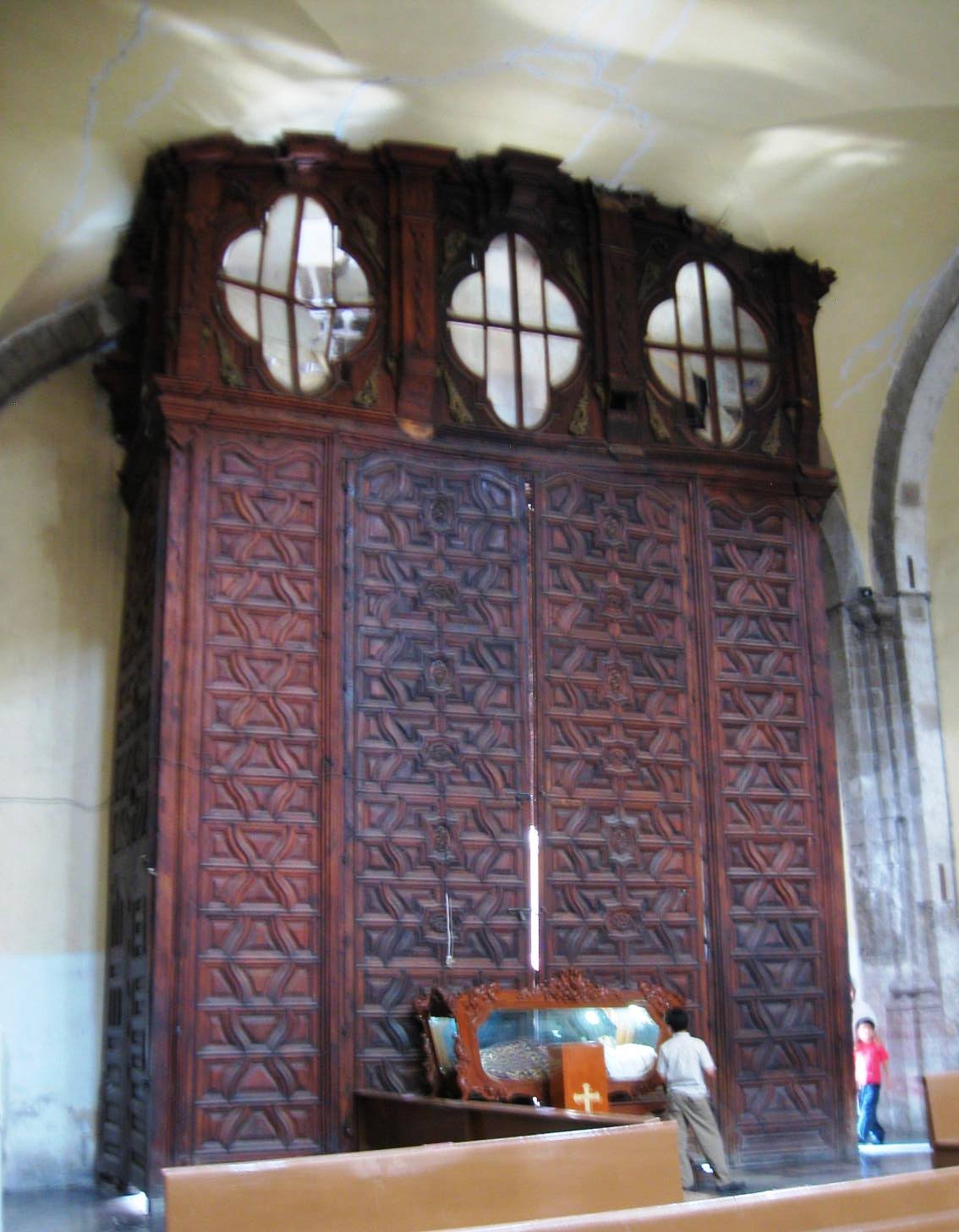
- Cedar Wood Screen: The main entrance showcases a finely carved cedar wood screen with geometric motifs and mermaid figures.
- Choir Balustrade: Decorated with fruit basket motifs, highlighting colonial craftsmanship.
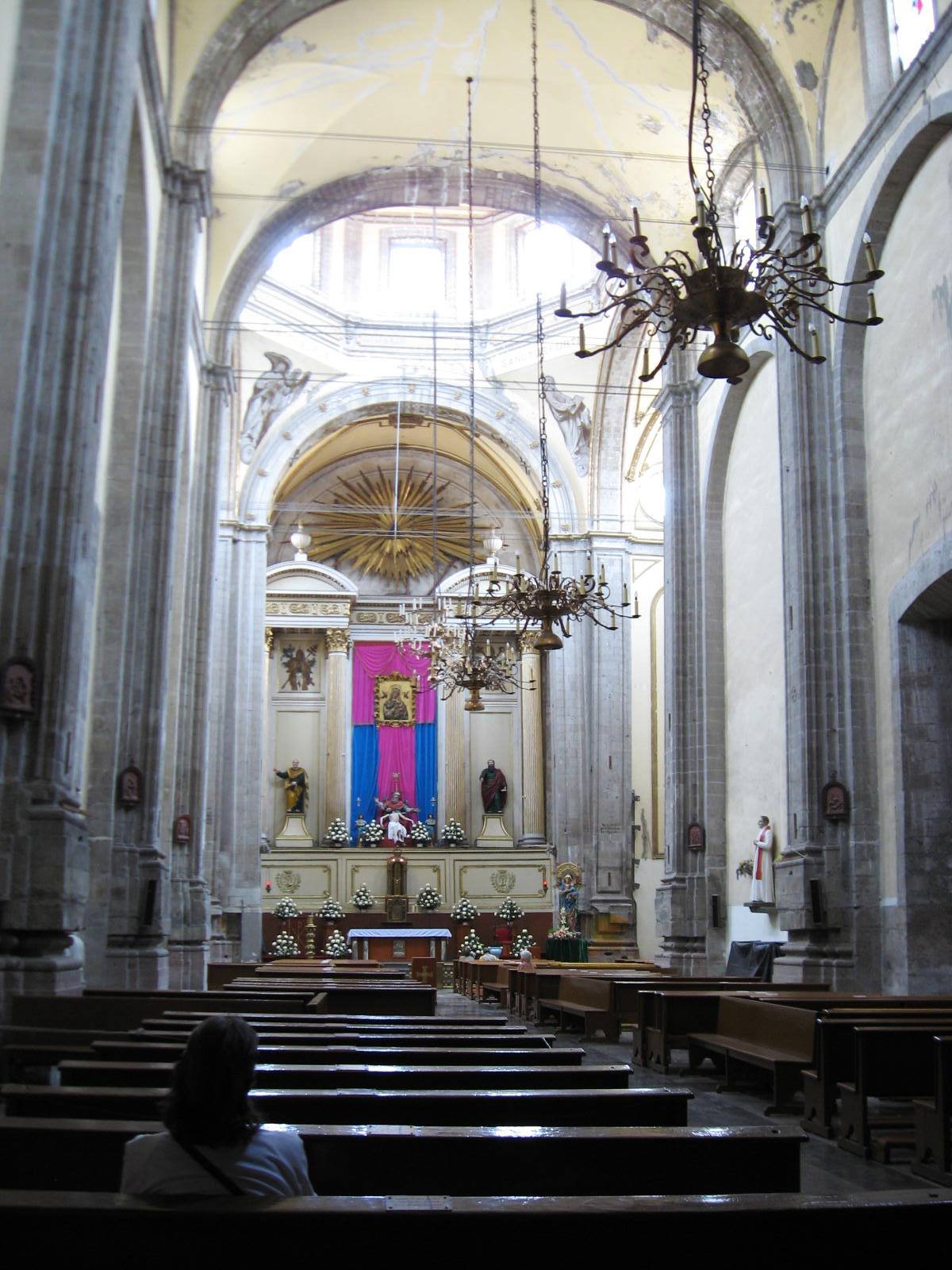
- Altarpieces & Artwork: Gilded altars and paintings blend European and indigenous influences. Side chapels honor local saints and aspects of the Trinity.
- Children’s Toy Case: A unique feature dedicated to donated toys for children, reflecting the church’s ongoing community engagement (Have Camera Will Travel).
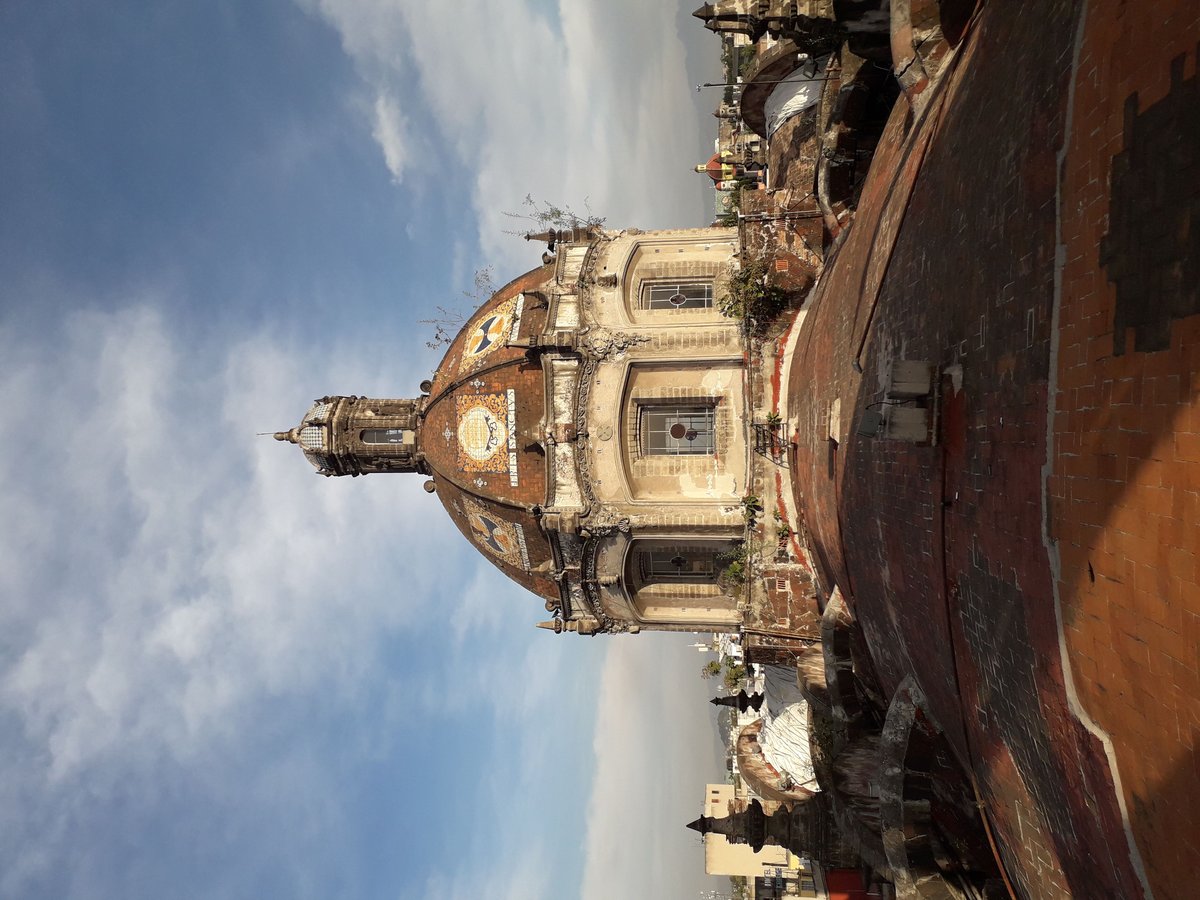
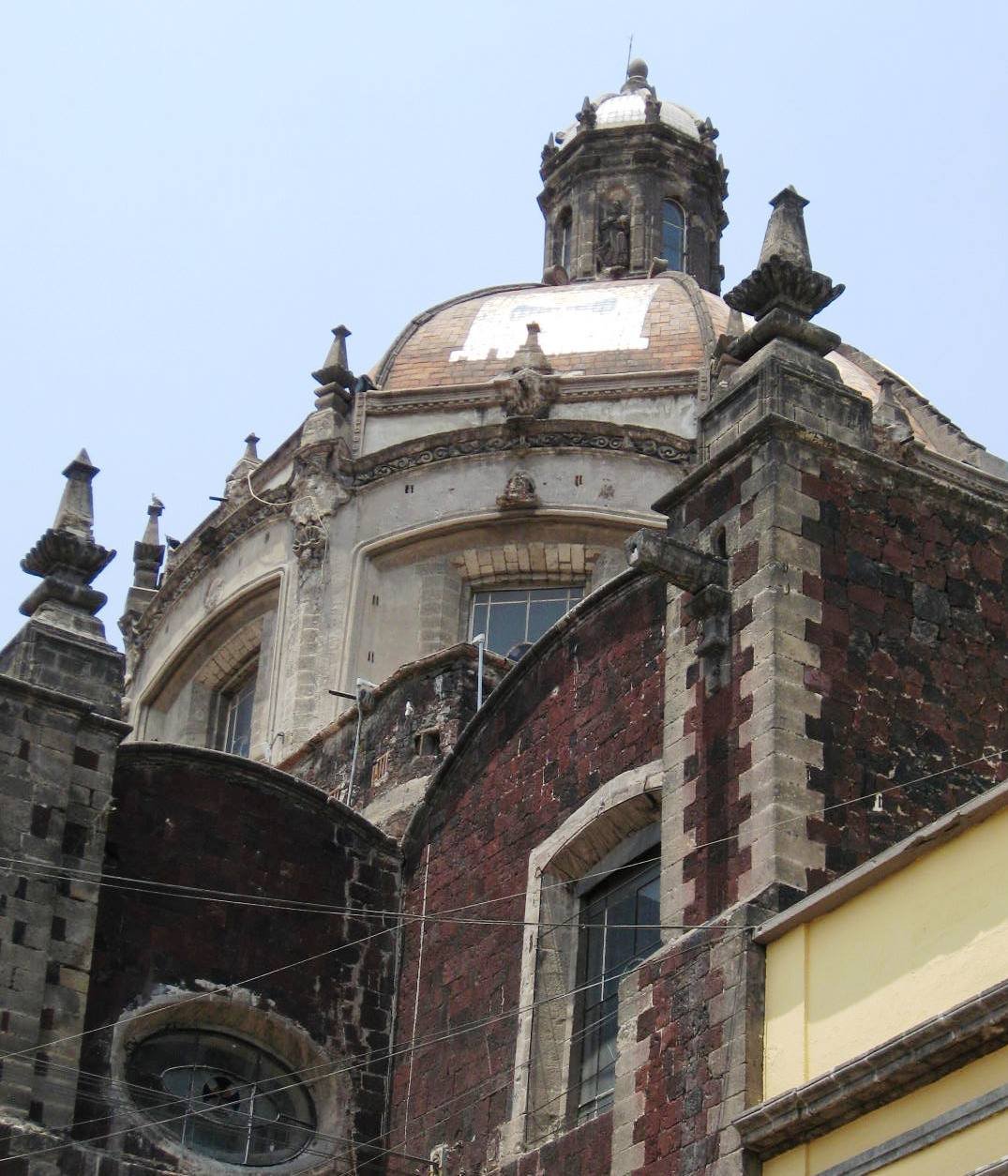
The basilica’s interior is illuminated by clerestory windows, with barrel vaults and domes enhancing both grandeur and acoustics—making it a favored site for sacred music concerts (Wikipedia).
Social and Community Functions
Historically, La Santísima Church was part of a larger hospital and hospice complex serving elderly clergy and the poor—a mission rooted in the Brotherhood of the Holy Trinity’s traditions. Though the hospital closed in the 19th century, the church remains a center for charitable outreach, food distribution, and educational initiatives, reflecting its longstanding social commitment.
Urban Context and Nearby Attractions
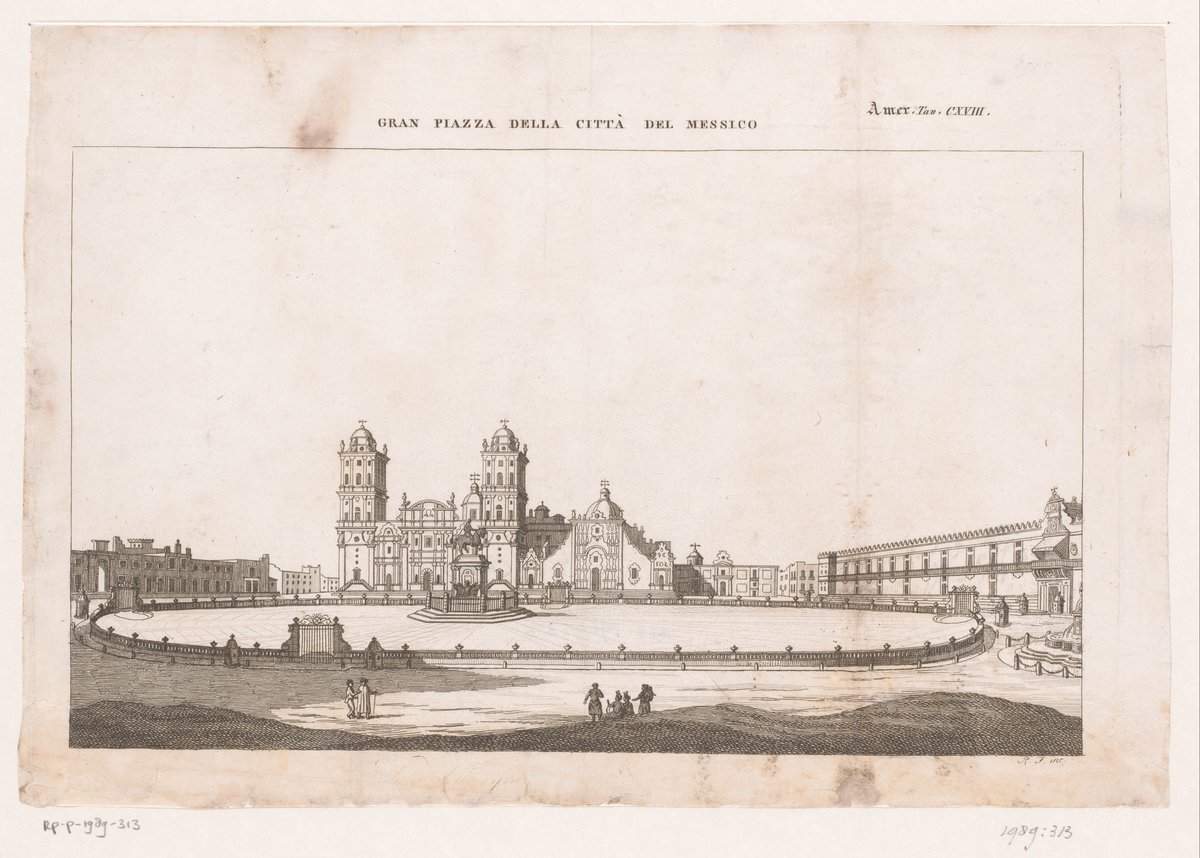
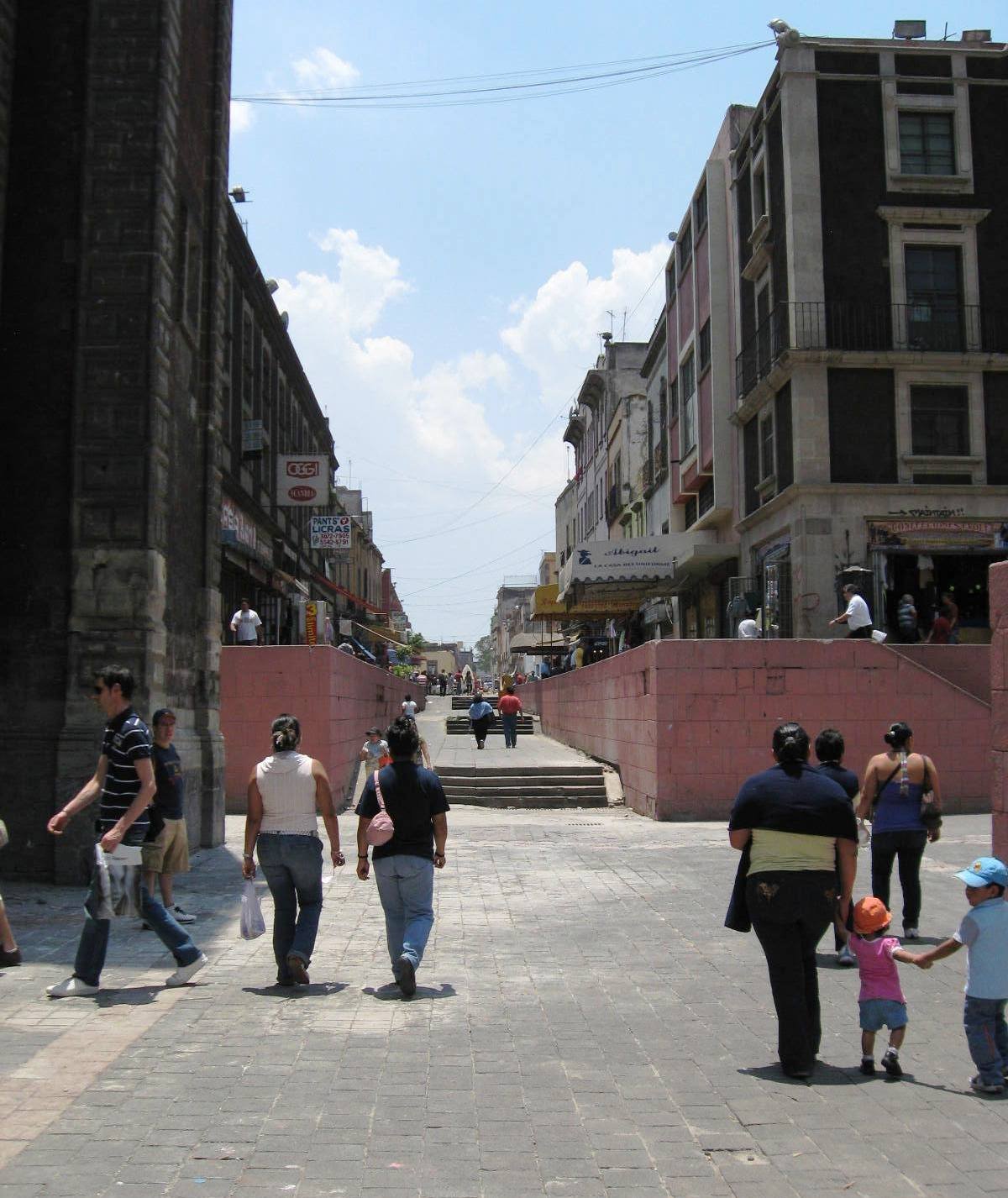
La Santísima Church is located at 12 La Santísima Street, corner of Emiliano Zapata Street, Centro Histórico, Mexico City (Wikipedia). Its central location makes it easy to visit alongside other major Mexico City historical sites, such as:
- Metropolitan Cathedral – A magnificent blend of architectural styles, just a short walk away.
- Templo Mayor – The ruins and museum of the Aztec main temple.
- Palacio Nacional – Home to Diego Rivera’s murals (Touropia).
- Palacio de Bellas Artes – A premier cultural venue with stunning Art Nouveau design.
- Alameda Central and La Merced Market – For park strolls and local cuisine.
The surrounding plaza offers a peaceful oasis in the bustling city and provides excellent views of the church façade (Trek Zone).
Religious and Cultural Significance
La Santísima Church is dedicated to the Holy Trinity, a central tenet of Catholic faith. However, its significance extends to a broader cultural and spiritual context, blending Catholic and indigenous traditions. Major feast days, especially Trinity Sunday, bring vibrant processions, music, and traditional dances to the neighborhood. The church is inclusive, serving a diverse congregation and accommodating devotional practices that reflect Mexico’s syncretic religious heritage (Mexico News Daily).
Daily and weekly masses, baptisms, weddings, and funerals all take place here, reinforcing the church’s central role in communal life.
Practical Visitor Tips
- Best Times to Visit: Weekday mornings for peaceful exploration; Trinity Sunday or other feast days for cultural immersion.
- Dress Modestly: As a sign of respect, especially during services.
- Photography: Allowed in most areas, but avoid flash and be discreet during services.
- Safety: The historic center is generally safe by day; use common sense with valuables.
- Combine Visits: Pair your trip with nearby historic sites and local markets for a full cultural experience.
- Check for Events: The church occasionally hosts concerts and art events—ask at the parish office or check local listings.
Frequently Asked Questions (FAQs)
Q: What are La Santísima Church’s visiting hours?
A: Tuesday–Sunday, 8:00 AM–7:00 PM; closed Mondays.
Q: Is there an entry fee or are tickets required?
A: No, entry is free. Donations are welcome.
Q: Are guided tours available?
A: Not officially on site, but several local operators include the church in their walking tours.
Q: Is the church wheelchair accessible?
A: A ramp is available at the main entrance; some interior floors may be uneven.
Q: Can I take photos inside?
A: Yes, except during services or when worshippers are present. Flash photography is discouraged.
Q: Where is the church located?
A: 12 La Santísima Street, corner Emiliano Zapata Street, Centro Histórico, Mexico City.
Q: What nearby attractions are recommended?
A: Metropolitan Cathedral, Templo Mayor, Palacio Nacional, Palacio de Bellas Artes, Alameda Central, La Merced Market, and more.
Listen to the full story in the app
The whole La Santisima Church,
told well.
Audio guides for 1,100+ cities across 96 countries. History, stories, and local insight — offline ready.
Verified, and shown.
Researched and written by the Audiala editorial team from historical records, architectural archives, and local expertise.
Researched from Wikidata, Wikipedia & official sources · fact-checked · How we make our guides →