Plan and listen to José Luis Cuevas Museum with Audiala.
Audio guide in your pocket, itinerary in your browser. Built for the way you actually visit.
Introduction: A Landmark of Art and History in Mexico City
In the cultural heart of Mexico City’s historic center, the José Luis Cuevas Museum stands as a bridge between the city’s colonial heritage and the avant-garde spirit of 20th-century modernism. Housed within the restored 17th-century Convent of Santa Inés, the museum is a living testament to Mexico’s layered past and ongoing cultural transformation. It honors the legacy of José Luis Cuevas (1934–2017), a rebellious, self-taught artist who defied the established muralist tradition and brought psychological depth and social critique to Mexican art. The museum’s extensive collections, signature installations, and iconic architecture make it a must-visit destination for art lovers, history enthusiasts, and travelers alike (Atlas Obscura, Lonely Planet, Mexico City Government).
This guide provides everything you need to know for a memorable visit: historical context, architectural highlights, practical information like José Luis Cuevas Museum visiting hours and ticket details, accessibility, travel tips, and nearby attractions.

Historical Background: The Convent of Santa Inés
Constructed in the early 17th century, the Convent of Santa Inés was founded on September 17, 1600, as a religious institution with 33 professed nuns—one for each year of Christ’s life. The convent’s residents reflected the complexity of colonial Mexican society, including nuns, maids, “donated women,” slaves, girls, widows, and relatives (mexicocity.cdmx.gob.mx). Architecturally, the building showcased colonial features: thick masonry, a central courtyard, and arched corridors. In the late 18th century, architect Manuel Tolsá supervised significant expansions, further defining its character.
The convent’s fortunes shifted dramatically in the 19th century. With the Reform Laws of 1861 and the Nationalization of Church Property Act, the nuns were expelled, and the property was sold, subdivided, and converted to tenement housing. Despite its decline, the convent and its adjacent church were declared national historic monuments in 1932 (bmorenomadic.com).
Transformation into a Museum
By the late 20th century, the former convent had suffered decades of neglect and damage, especially after the 1985 earthquake. In 1988, José Luis Cuevas—motivated to preserve both his artistic legacy and the historic building—acquired the property. With governmental support, he oversaw a meticulous restoration that honored the convent’s original features while adapting it for museum use (bmorenomadic.com). Archaeological and architectural studies preserved its colonial elements, breathing new life into a landmark of Mexico City’s historic center.
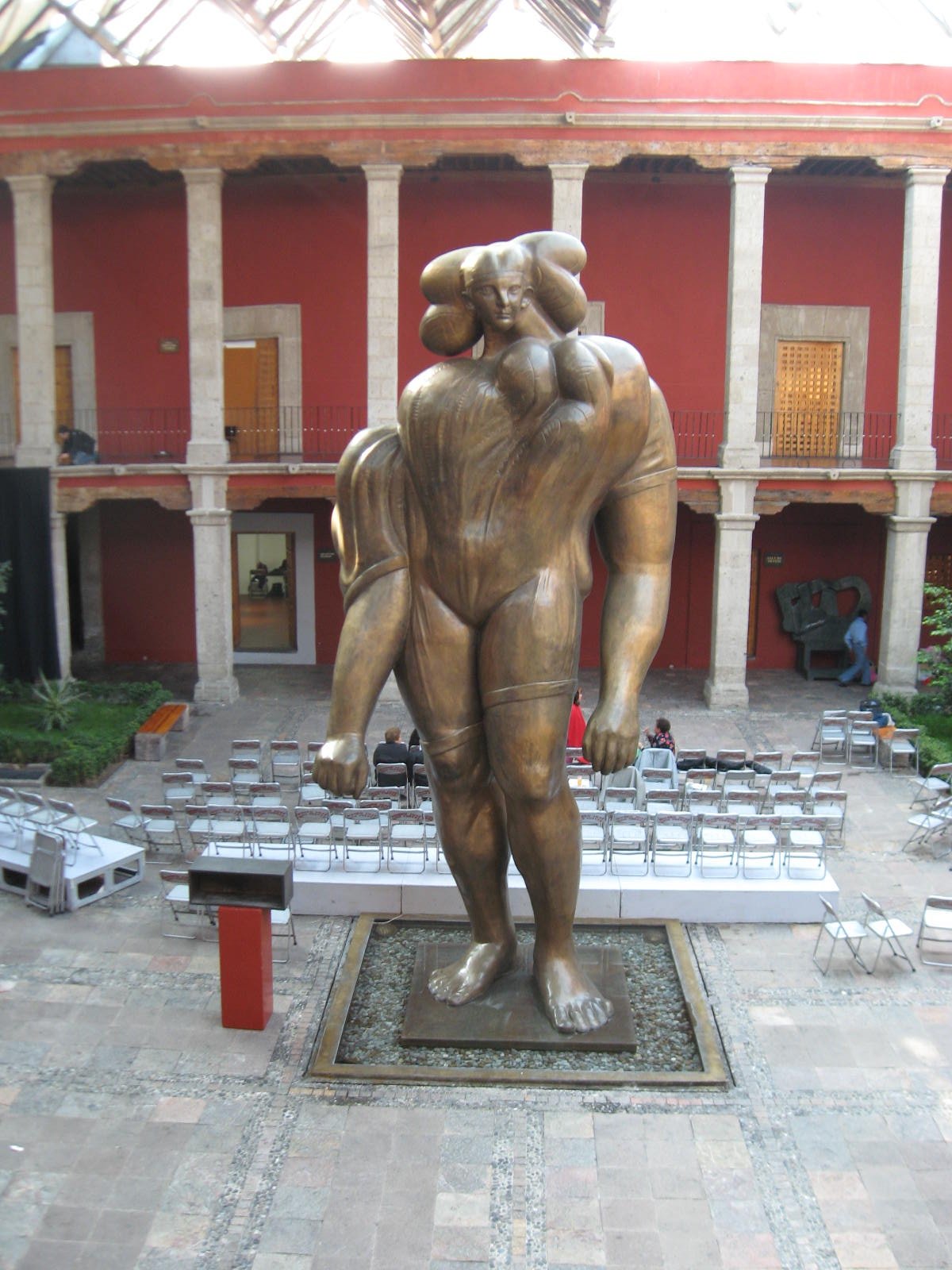
The museum officially opened its doors on July 8, 1992, with the unveiling of “La Giganta,” Cuevas’s monumental bronze sculpture, as a centerpiece. The event was attended by prominent figures from Mexico’s cultural and political spheres (lonelyplanet.com).
José Luis Cuevas: Artistic Vision and Legacy
José Luis Cuevas was a central figure in the “Generación de la Ruptura” or Breakaway Generation—an artistic movement in the 1950s that rejected the dominant post-revolutionary muralism of Rivera, Siqueiros, and Orozco. Cuevas’s work, marked by psychological intensity and a focus on society’s marginalized, challenged both artistic and social conventions (Art Museum of the Americas).
His bold, neo-expressionist style, characterized by distorted human figures and raw emotional content, opened new directions in Mexican and Latin American art. The museum houses nearly 2,000 of his works and those of other key artists such as Francisco Toledo, Leonora Carrington, Manuel Felguérez, and Remedios Varo (en.wikipedia.org).
Architectural Features & Collection Highlights
Colonial Ambience and Modern Adaptation
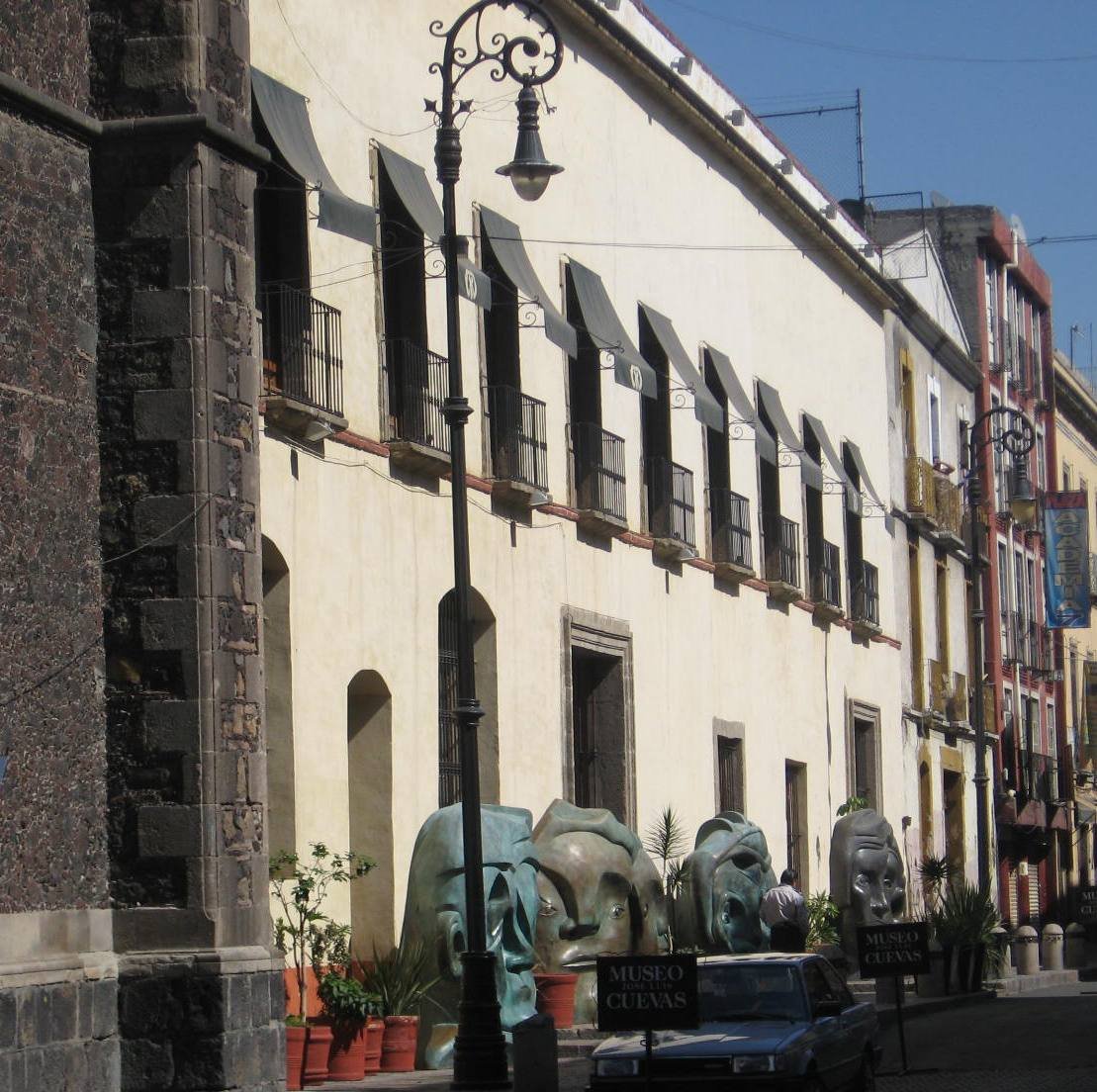
The museum retains the convent’s colonial architecture—thick stone walls, vaulted ceilings, arched corridors, and a serene central patio—while integrating modern amenities for accessibility and art conservation (Museo José Luis Cuevas Official Site). Adaptive reuse has preserved the building’s essential character, creating a dialogue between past and present.
“La Giganta”: The Iconic Sculpture
Dominating the central patio, “La Giganta” is an 8-meter-tall, 8-ton bronze sculpture that symbolizes dualities of gender, power, and myth. Its mysterious design—including a ghostly face that legend says appeared by chance—has become a symbol of the museum and a subject of local lore (Atlas Obscura).
Thematic and International Collections
The museum’s galleries are organized thematically, exploring Cuevas’s recurring motifs: alienation, social outcasts, eroticism, and existential angst. Special rooms feature works by international artists including Picasso, Isamu Noguchi, and Henry Moore, placing Cuevas’s work in a global context (Mexico Travel Blog).
Educational and Interactive Spaces
Workshops, guided tours, lectures, and multimedia displays deepen visitor engagement. Conservation labs and archives support ongoing research and preservation.
Visiting Information: Hours, Tickets, and Accessibility
- Visiting Hours: Tuesday–Sunday, 10:00 AM–6:00 PM. Closed Mondays and some public holidays (official website).
- Tickets: General admission is 50 MXN (approx. $2.50 USD). Free entry for all on Sundays; discounts for students, teachers, children, and seniors (WhichMuseum).
- Accessibility: The museum is fully wheelchair accessible, with ramps, elevators, and staff assistance as needed.
- Guided Tours: Available in Spanish and English by prior arrangement (Museos de México).
- Facilities: Restrooms, cloakroom, gift shop; no on-site café, but many eateries are nearby in Centro Histórico.
Signature Works: “La Giganta” and Artistic Themes
“La Giganta” anchors the museum’s identity—its towering, enigmatic form invites multiple interpretations and is steeped in urban legends. The permanent collection features Cuevas’s psychologically charged drawings and paintings that explore human vulnerability, social marginalization, and the grotesque (Atlas Obscura). Temporary exhibitions highlight contemporary artists connected to the Breakaway Generation or inspired by Cuevas’s legacy.
Visitor Tips and Nearby Attractions
- Best Time to Visit: Weekday mornings for a quieter experience; Sundays are free but busiest.
- What to Bring: Comfortable shoes for walking historic floors; camera for non-flash photography.
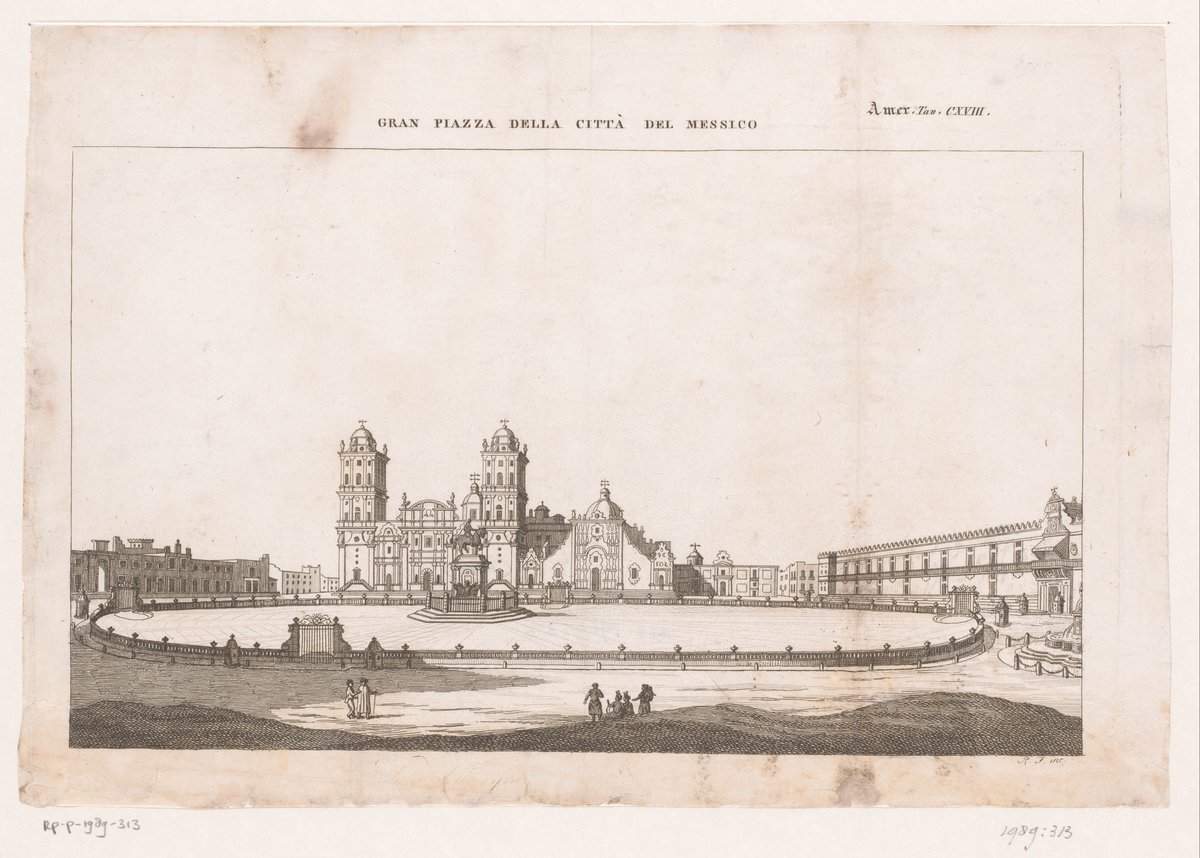
- Nearby Attractions: Zócalo, Metropolitan Cathedral, Palacio de Bellas Artes, Templo Mayor, and Alameda Central are all within walking distance (Fodor’s).
- Public Transport: Accessible via Metro (Allende or Salto del Agua stations) and multiple bus routes.
Frequently Asked Questions (FAQ)
Q: What are the José Luis Cuevas Museum’s visiting hours?
A: Tuesday–Sunday, 10:00 AM–6:00 PM; closed Mondays.
Q: How much is admission?
A: 50 MXN general admission; free on Sundays; discounts for students, seniors, and children.
Q: Is the museum accessible for wheelchair users?
A: Yes, with ramps, elevators, and staff support.
Q: Are guided tours available in English?
A: Yes, by prior arrangement.
Q: Is photography allowed?
A: Non-flash personal photography is permitted; professional equipment requires authorization.
Q: What other attractions are nearby?
A: Zócalo, Metropolitan Cathedral, Palacio de Bellas Artes, Templo Mayor, Alameda Central.
Summary: Essential Takeaways
The José Luis Cuevas Museum is a vibrant cultural beacon, masterfully integrating colonial architecture with the bold spirit of modern Mexican art. Its central location, modest fees, and accessible services make it an ideal destination for tourists and art aficionados alike. The museum not only preserves the legacy of José Luis Cuevas and his contemporaries but also fosters an ongoing artistic dialogue, ensuring that visitors experience both the richness of history and the energy of artistic innovation (Mexico City Government, Atlas Obscura, Lonely Planet).
Download the Audiala app for personalized audio tours, and follow the museum’s social media for updates on exhibitions and events.
Listen to the full story in the app
The whole José Luis Cuevas Museum,
told well.
Audio guides for 1,100+ cities across 96 countries. History, stories, and local insight — offline ready.
Verified, and shown.
Researched and written by the Audiala editorial team from historical records, architectural archives, and local expertise.
Researched from Wikidata, Wikipedia & official sources · fact-checked · How we make our guides →