Plan and listen to Fuente De La República with Audiala.
Audio guide in your pocket, itinerary in your browser. Built for the way you actually visit.
Introduction
Fuente De La República, often referred to as Fuente de Cibeles by some visitors, is a striking modern fountain at the intersection of Mexico City’s most iconic avenues—Paseo de la Reforma and Avenida de los Insurgentes. Inaugurated in 2007 to commemorate the centennial of the Mexican Revolution, this landmark merges art, history, and civic pride, offering visitors a dynamic urban experience. Open 24/7 and free to the public, it stands as a powerful symbol of national unity and the city’s ongoing transformation. This guide provides detailed information about the fountain’s history, significance, visiting hours, accessibility, nearby attractions, and practical tips for a memorable visit (CDMX Tourism Guide; bmorenomadic.com; Lonely Planet).
Historical Background
Pre-Colonial and Colonial Context
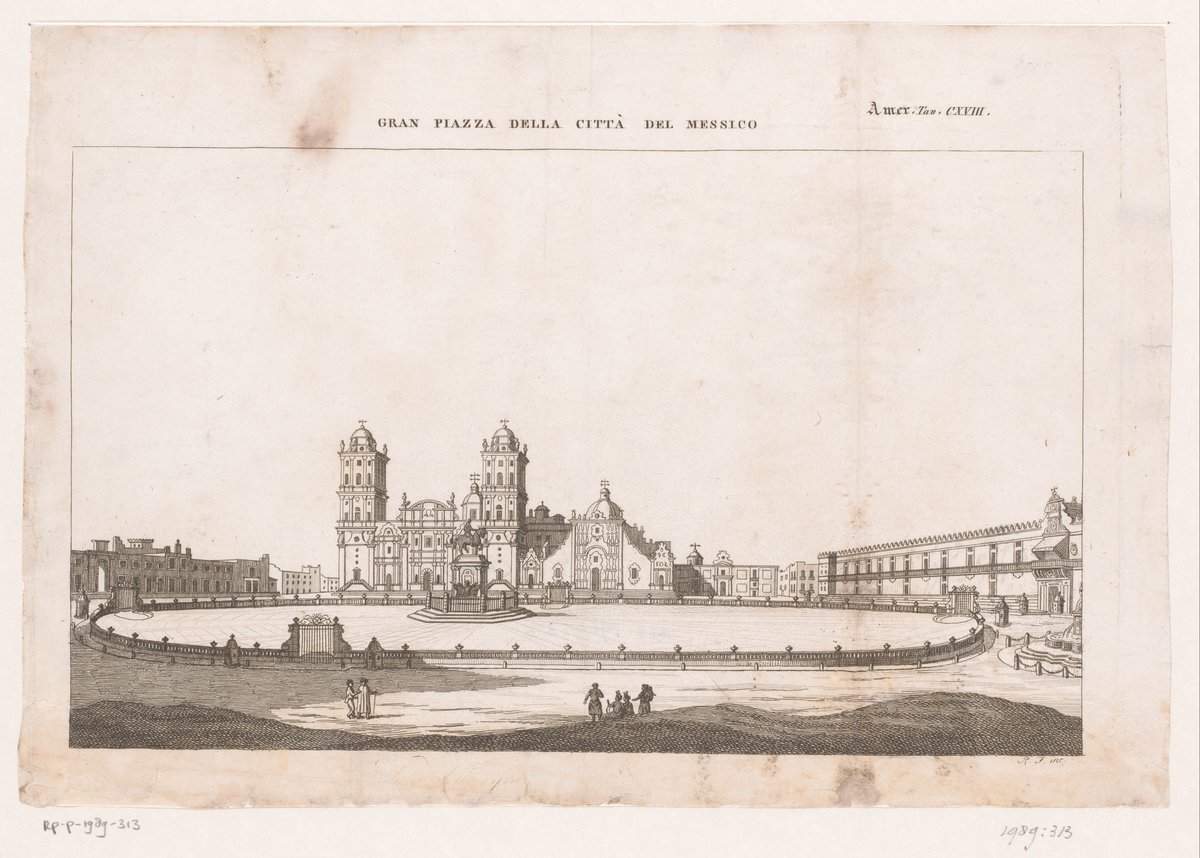
The site of Fuente De La República sits in a region steeped in history. The area was originally part of the Mexica (Aztec) empire, with Tenochtitlan founded in 1325 CE. Following the Spanish conquest in 1521, Mexico City rose over the ruins of Tenochtitlan, growing into New Spain’s capital, with its layout shaped by both indigenous and European influences (Mexico City Historical Timeline).
19th–20th Century Urban Development
Paseo de la Reforma, constructed under Emperor Maximilian I in the 1860s, became the city’s ceremonial avenue, lined with monumental landmarks. The area around Fuente De La República evolved as a hub of civic and cultural life, with nearby sites like the Monumento a la Revolución and the Angel of Independence reflecting key moments in Mexican history (storiedsunset.com).
Creation and Symbolism
The fountain was inaugurated in 2007 to mark the centennial of the Mexican Revolution (1910–1920). Its modernist design, featuring concentric circles and dynamic water jets, symbolizes national unity and the ongoing evolution of Mexican society. Its placement close to other major monuments creates a corridor of national memory (bmorenomadic.com).
Urban Context and Location
Fuente De La República is strategically positioned at the convergence of Paseo de la Reforma and Avenida Insurgentes. This location, a major roundabout, connects the historic city center with contemporary business districts and cultural neighborhoods, making it a vital node in Mexico City’s urban landscape. The area is also a key transport hub, easily accessible by Metrobus and Metro lines (CDMX Tourism Guide, p. 27).
Architectural and Artistic Features
The fountain’s design is a contemporary statement in public art. Its symmetrical, radiating water jets create a circular pattern representing unity, while programmable lighting transforms the space at night. The fountain’s sleek materials and minimalist form contrast with the classicism of nearby landmarks, demonstrating Mexico City’s blend of tradition and innovation (mexicohistorico.com).
Symbolism and Cultural Significance
Fuente De La República is more than an urban fountain; it is a living symbol of Mexico’s revolutionary ideals and collective identity. As a gathering point for celebrations, protests, and public performances, the fountain plays a vital role in the city’s civic life (es.wikipedia.org). Its design and location invite reflection on themes of unity, progress, and national memory.
Visiting Information
Hours & Admission
- Open: 24 hours a day, year-round
- Admission: Free; no tickets required
- Best times to visit: Early mornings and evenings (for soft light and night-time illumination)
Getting There
- Metro: “Revolución” (Line 2) is within a 5-minute walk
- Metrobus: Reforma and Insurgentes stations nearby
- By foot: Easily reachable from the Historic Center and major hotels
- Ride-hailing: Uber, Didi, and taxis can drop off at the plaza (InsidetheUpgrade)
Accessibility
The site is wheelchair accessible with wide sidewalks, curb cuts, and nearby Metro stations equipped with elevators (CDMX Tourism Guide, p. 40).
Nearby Attractions
- Monumento a la Revolución: Memorial arch with museum and observation deck (Wikipedia)
- Alameda Central: Mexico City’s oldest public park, great for walks and people-watching
- Museo Nacional de la Revolución: Located within the Monumento a la Revolución
- Paseo de la Reforma: Avenue lined with museums, statues, and green spaces (Eternal Spring CDMX)
- Torre Latinoamericana: Iconic skyscraper with panoramic views (Global Gallivanting)
- Zona Rosa and Colonia Juárez: Lively neighborhoods with restaurants, nightlife, and shopping
Practical Tips for Visitors
- Safety: The area is generally safe; watch for pickpockets during busy times (InsidetheUpgrade)
- Altitude: Mexico City is high-altitude; stay hydrated and take it easy on your first day (Travel.gc.ca)
- Weather: Mild year-round, rainy afternoons from June to September; bring an umbrella in rainy season (Lonely Planet)
- Restrooms: Available in nearby cafes and public spaces
- Language: Spanish is primary, but English is commonly spoken in tourism areas (Humanidades)
- Money: Credit cards widely accepted; carry cash for small vendors and public restrooms
- Connectivity: Buy a local SIM card for data; free Wi-Fi in some public spaces (TheUnconventionalRoute)
Accessibility
- Wheelchair/Stroller Access: Wide, paved walkways and ramps throughout the plaza and surrounding streets
- Metro/Metrobus: Most stations near the fountain have elevators and accessible entries
- Pet-Friendly: Dogs welcome on leashes
Events and Activities
- National Holidays: Independence Day (September 16) and Revolution Day (November 20) bring parades, performances, and vibrant lighting
- Cultural Festivals: Art installations, concerts, and public demonstrations occur throughout the year
- Sunday Cycling (“Muévete en Bici”): Paseo de la Reforma closes to cars, making the area ideal for walking or biking (TheUnconventionalRoute)
FAQ
Q: Do I need a ticket to visit Fuente De La República?
A: No, it is a public monument and free to visit 24/7.
Q: Is the fountain wheelchair accessible?
A: Yes, with ramps, wide sidewalks, and accessible Metro stations.
Q: Are guided tours available?
A: Many city walking tours include the fountain. Independent visits are easy and informative with mobile guide apps.
Q: Can I take photos?
A: Yes, photography is encouraged. Drones require special permits.
Q: What’s the best time to visit?
A: Early morning and evening for beautiful lighting and fewer crowds.
Listen to the full story in the app
The whole Fuente De La República,
told well.
Audio guides for 1,100+ cities across 96 countries. History, stories, and local insight — offline ready.

Verified, and shown.
Researched and written by the Audiala editorial team from historical records, architectural archives, and local expertise.
Researched from Wikidata, Wikipedia & official sources · fact-checked · How we make our guides →