Plan and listen to Fuente De Cibeles with Audiala.
Audio guide in your pocket, itinerary in your browser. Built for the way you actually visit.
Introduction to Fuente de Cibeles
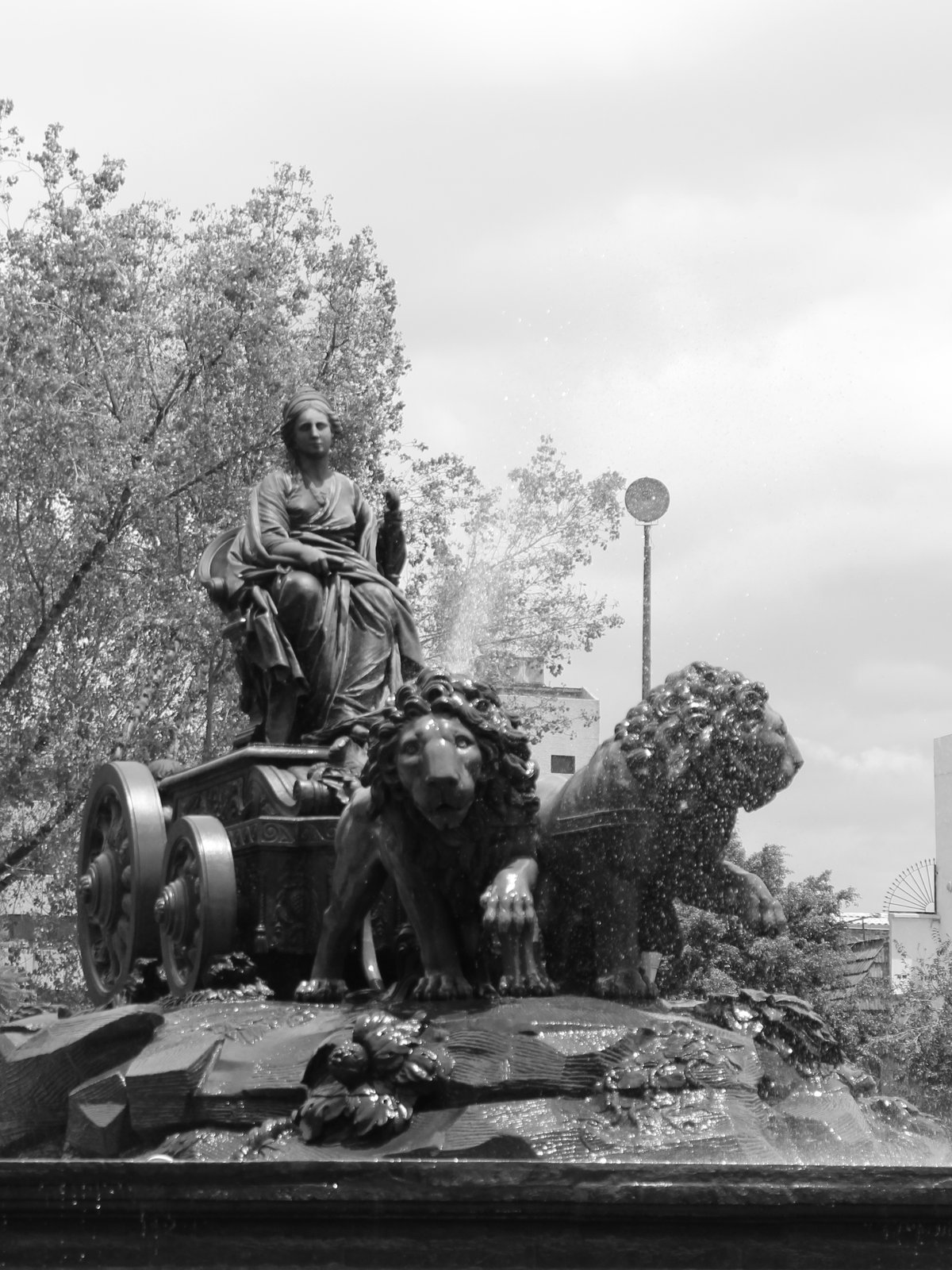
The Fuente de Cibeles in Mexico City stands as a testament to the enduring cultural and historical ties between Mexico and Spain. Inspired by the original fountain located in Madrid, Spain, this replica was inaugurated on September 5, 1980, as a symbol of friendship and shared heritage. The original Fuente de Cibeles, designed by Ventura Rodríguez in 1782, is a significant landmark in Madrid, and its counterpart in Mexico City has similarly become a beloved cultural icon (El Universal). Situated in the vibrant Roma neighborhood, the fountain features the Roman goddess Cybele, associated with fertility and nature, riding a chariot pulled by lions. This intricate design, meticulously recreated by artisans under the supervision of Spanish sculptor Manuel Manzano Monís, underscores the artistic and cultural significance of the monument (Museo Nacional de Antropología). The Fuente de Cibeles is more than just a historical replica; it is a living, breathing part of Mexico City's cultural landscape, serving as a focal point for community gatherings, celebrations, and public events (Secretaría de Cultura). This comprehensive guide will delve into the history, cultural importance, visitor information, and travel tips for those planning to visit this iconic fountain.

History of Fuente de Cibeles, Mexico City
Origins and Inspiration
The Fuente de Cibeles in Mexico City is a replica of the famous fountain located in Madrid, Spain. The original Fuente de Cibeles was designed by architect Ventura Rodríguez in 1782 and is situated in the Plaza de Cibeles in Madrid. The fountain in Mexico City was created as a symbol of the strong cultural and historical ties between Spain and Mexico. It was inaugurated on September 5, 1980, as part of a broader initiative to celebrate the shared heritage and friendship between the two nations (El Universal).
Design and Construction
The design of the Fuente de Cibeles in Mexico City closely mirrors that of its Spanish counterpart. The fountain features the Roman goddess Cybele, who is associated with fertility and nature, riding a chariot pulled by two lions. The lions represent the mythological characters Hippomenes and Atalanta, who were transformed into lions by the goddess Cybele as a punishment for their disrespect (Museo Nacional de Antropología).
The construction of the fountain was a collaborative effort between Mexican and Spanish artisans. The materials used were sourced locally, but the design specifications were meticulously followed to ensure an accurate replica. The project was overseen by the Spanish sculptor Manuel Manzano Monís, who ensured that the artistic integrity of the original fountain was maintained (Excélsior).
Cultural Significance
Historical Events and Milestones
Over the years, the Fuente de Cibeles has been the site of numerous historical events and milestones. One notable event was the celebration of the 500th anniversary of the discovery of America in 1992, which saw a series of cultural activities and exhibitions held around the fountain. Additionally, the fountain has been a focal point for various social and political demonstrations, reflecting its role as a central and symbolic landmark in the city (La Jornada).
Restoration and Preservation
Given its historical and cultural significance, the Fuente de Cibeles has undergone several restoration and preservation efforts. The most recent restoration took place in 2019, aimed at addressing wear and tear caused by environmental factors and urban pollution. The restoration project was a collaborative effort between the Mexican government and the Spanish Embassy, highlighting the continued commitment to preserving this important cultural landmark (INAH).
Influence on Local Architecture and Urban Planning
The presence of the Fuente de Cibeles has had a notable influence on local architecture and urban planning in Mexico City. The surrounding area, known as the Plaza Villa de Madrid, has been developed to complement the aesthetic and historical significance of the fountain. The plaza features a blend of modern and colonial architecture, creating a harmonious urban space that attracts both residents and visitors (Arquine).
Public Reception and Popularity
Since its inauguration, the Fuente de Cibeles has been warmly received by the public. It has become one of the most photographed landmarks in Mexico City, frequently appearing in travel guides, social media posts, and promotional materials for the city. The fountain's popularity is a testament to its enduring appeal and the successful integration of a piece of Spanish heritage into the cultural fabric of Mexico City (Turismo CDMX).
Visitor Information
Ticket Prices and Visiting Hours
The Fuente de Cibeles is located in a public space and can be visited free of charge. It is accessible 24/7, making it a convenient attraction for both day and night visits.
Travel Tips
- Best Time to Visit: Early morning or late afternoon to avoid the crowds and enjoy the best lighting for photography.
- How to Get There: The fountain is located in the Roma neighborhood, easily accessible by metro, bus, or taxi.
- Nearby Attractions: Explore the Roma and Condesa neighborhoods, known for their vibrant cultural scenes, cafes, and parks.
- Accessibility: The area around the fountain is pedestrian-friendly, with ramps and smooth paths suitable for wheelchairs and strollers.
Special Events and Guided Tours
The Fuente de Cibeles is often the center of special events and guided tours that delve into the historical and cultural significance of the fountain. Check local event listings or contact cultural organizations for information on upcoming events.
Photographic Spots
For photography enthusiasts, the Fuente de Cibeles offers numerous opportunities for stunning shots. The best angles can be captured from the surrounding plaza, especially during sunrise or sunset when the lighting enhances the fountain's intricate details.
Educational and Cultural Programs
The Fuente de Cibeles is also a focal point for educational and cultural programs aimed at promoting the shared history and cultural heritage of Spain and Mexico. Various cultural institutions and organizations regularly host events, workshops, and exhibitions around the fountain, fostering a deeper understanding and appreciation of the historical ties between the two countries (Instituto Cervantes).
Future Prospects
Looking ahead, the Fuente de Cibeles is expected to continue playing a vital role in the cultural and social life of Mexico City. Plans are in place to further enhance the surrounding area, including the development of new public spaces and cultural facilities. These initiatives aim to ensure that the fountain remains a vibrant and integral part of the city's cultural landscape for future generations (Gobierno de la Ciudad de México).
FAQ
What are the visiting hours for the Fuente de Cibeles? The fountain is accessible 24/7 as it is located in a public space.
Is there an entrance fee to visit the Fuente de Cibeles? No, there is no entrance fee. The fountain is free to visit.
Are there guided tours available? Yes, guided tours are often available. Check local event listings or contact cultural organizations for more information.
Listen to the full story in the app
The whole Fuente De Cibeles,
told well.
Audio guides for 1,100+ cities across 96 countries. History, stories, and local insight — offline ready.
Verified, and shown.
Researched and written by the Audiala editorial team from historical records, architectural archives, and local expertise.
Researched from Wikidata, Wikipedia & official sources · fact-checked · How we make our guides →