Plan and listen to Cuicuilco with Audiala.
Audio guide in your pocket, itinerary in your browser. Built for the way you actually visit.
Introduction to Cuicuilco
Cuicuilco stands as a remarkable testament to the birth of urban civilization in the Valley of Mexico, representing one of the oldest known civic-religious centers in Mesoamerica. Dating back to approximately 1400–1200 BCE—with its major urban development flourishing between 800 BCE and 150 CE—Cuicuilco offers a unique window into early city life, architectural ingenuity, and complex social organization in pre-Hispanic Mexico City (Atlas Obscura; World History Encyclopedia). Its iconic circular pyramid distinguishes it from later Mesoamerican pyramids and symbolizes the site’s religious and cosmological significance. The orientation and structure hint at a sophisticated understanding of astronomy and ritual practice.
Strategically located on the southern edge of ancient Lake Texcoco, Cuicuilco flourished due to fertile volcanic soils and a favorable environment for agriculture and trade, supporting a population estimated between 20,000 and 40,000 at its peak (History Hit; Mexico City Government). The city’s advanced urban planning featured residential zones, ceremonial plazas, and hydraulic engineering—making it a precursor to monumental centers like Teotihuacan. The catastrophic eruption of the nearby Xitle volcano (ca. 150–400 CE) buried Cuicuilco under thick lava flows, leading to its abandonment but also contributing to its preservation for modern archaeology (TheTravel; Wikipedia).
Today, Cuicuilco is a must-visit for anyone interested in Mexico’s ancient past. The site offers accessible visiting hours, affordable tickets, guided tours, and proximity to important cultural landmarks such as the National Autonomous University of Mexico (UNAM) and the Pedregal de San Ángel ecological reserve. This guide will provide all the essential details for exploring Cuicuilco’s historical legacy, archaeological wonders, and practical information for an enriching visit (Mexico Historico; CDMX Secreta).

Origins and Early Development
Cuicuilco is recognized as one of the oldest urban and ceremonial centers in the Valley of Mexico. The site’s earliest occupation dates back to around 1400–1200 BCE, with major development occurring between 800 BCE and 150 CE (Atlas Obscura; TheTravel). It began as a small agricultural community on the southern shore of ancient Lake Texcoco, gradually evolving into a complex city that mirrored the broader trend of urbanization in Mesoamerica.
By 800 BCE, Cuicuilco’s population had grown significantly—estimates range from 20,000 to 40,000 at its height (History Hit). Monumental architecture, including the circular pyramid, extensive residential compounds, irrigation canals, and fortifications, marked this era of prosperity. The city’s location on fertile land and its access to water sources fostered agricultural productivity and social stratification.
Architectural and Urban Features
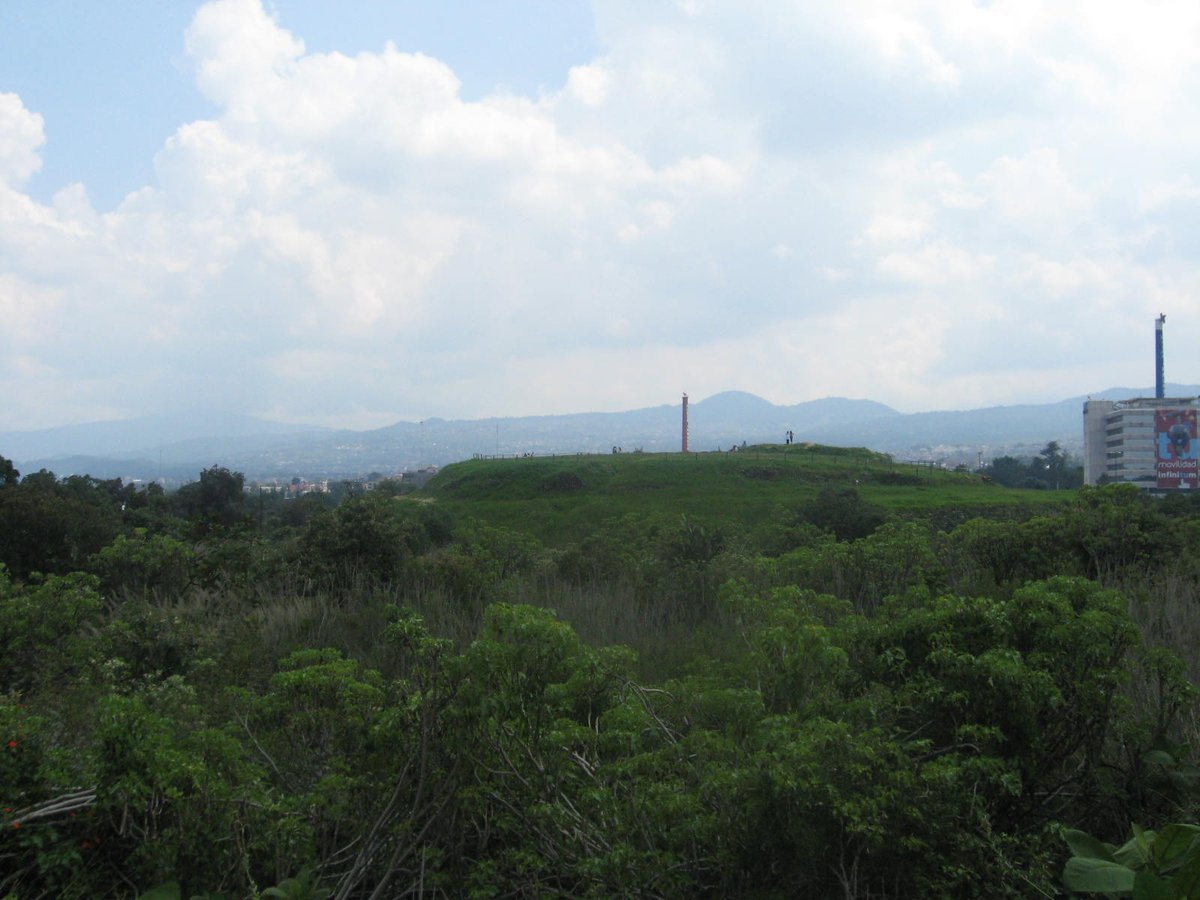
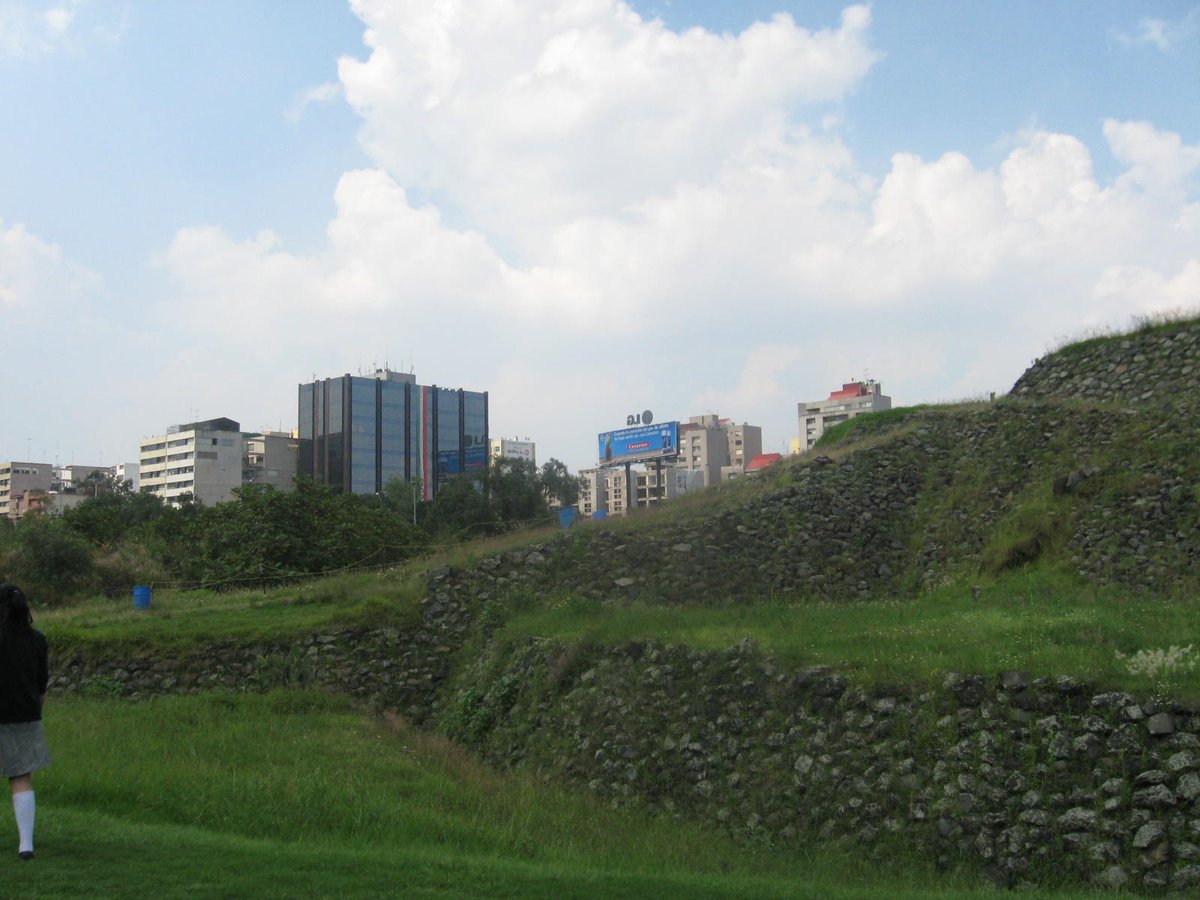
The circular pyramid, known as the Pirámide de Cuicuilco, is the site’s most distinctive structure. Standing about 23 meters high and 100 meters in diameter, it features a five-level, truncated cone design—unlike the later rectangular pyramids of Teotihuacan or the Maya (Atlas Obscura; History Hit). This unique form is thought to be connected to religious beliefs and possibly astronomical observations, with alignments that may correspond to solar cycles and fire deities.
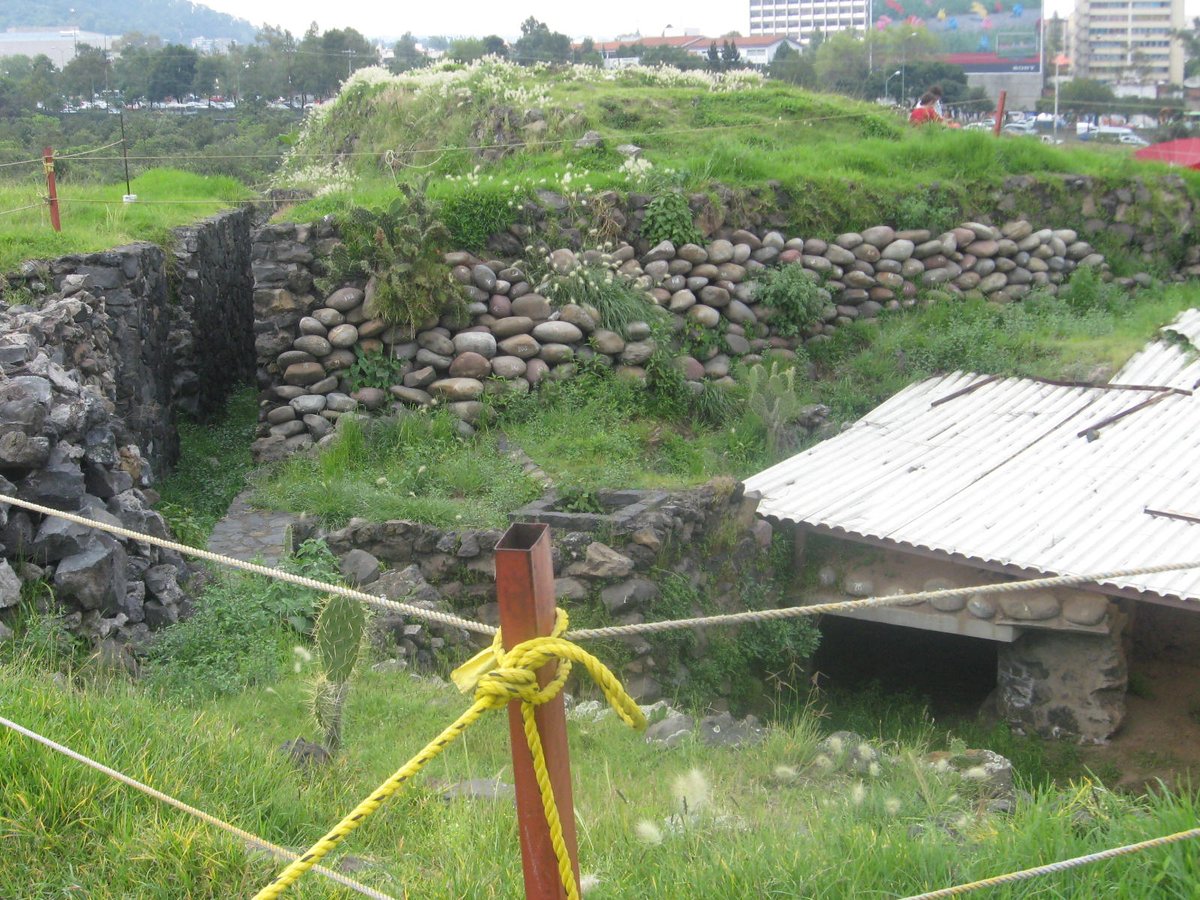
Excavations have revealed a sophisticated city layout: residential neighborhoods, ceremonial plazas, and an advanced water management system. Remnants of canals, drainage, and irrigation ditches highlight the engineering skills of the Cuicuilca people (History Hit). The infrastructure supported daily life and large ceremonial gatherings, indicating a highly organized society.
Religious and Cultural Significance
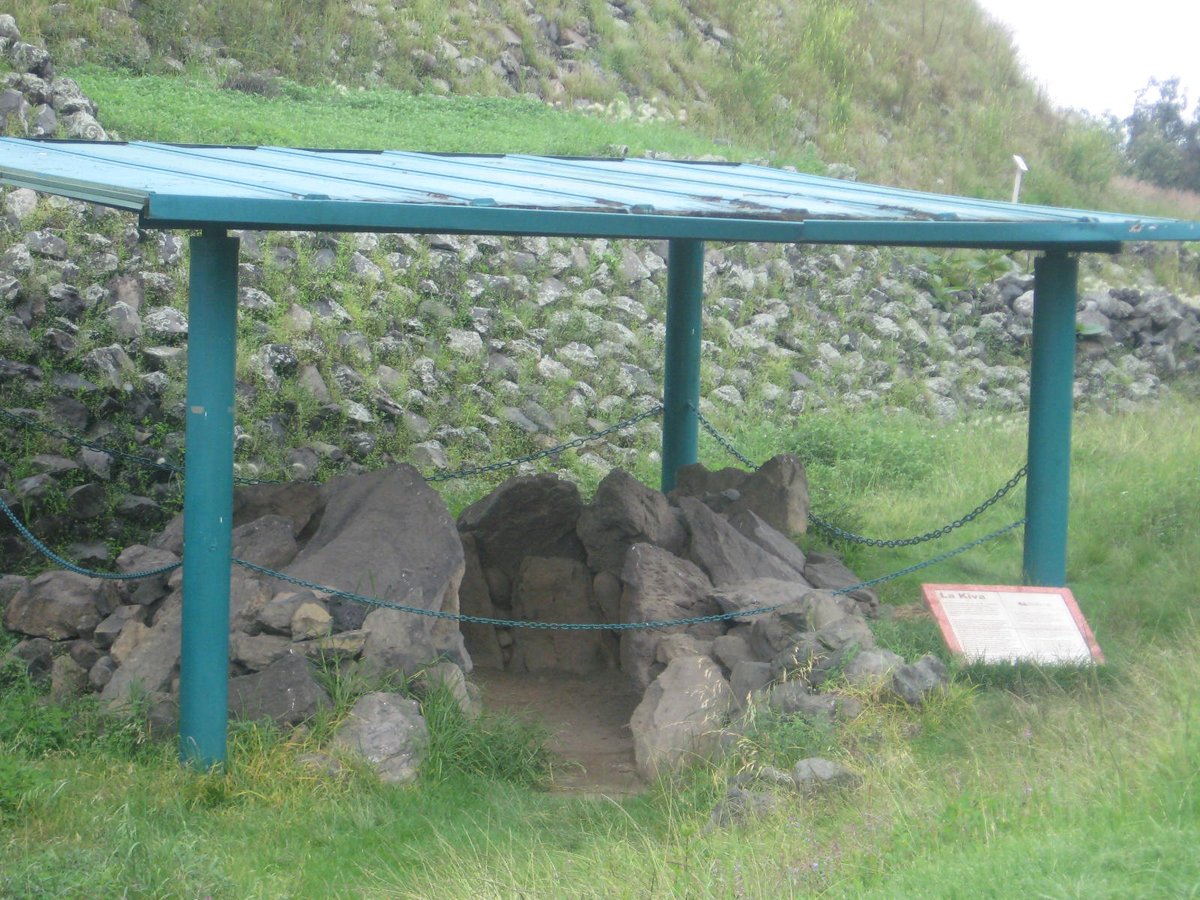
Cuicuilco’s spiritual center revolved around the worship of the “Old God of Fire,” a deity associated with renewal and cosmic cycles (Atlas Obscura). The circular pyramid likely functioned as both a ritual space and an astronomical observatory, integrating cosmology into urban design.
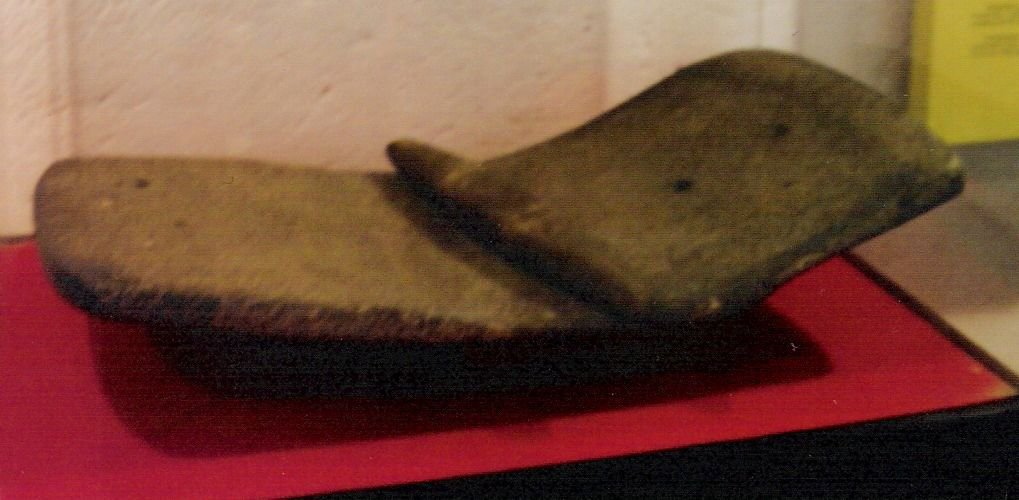
Artifacts discovered at the site—including ceramics, tools, ornaments, and human remains—provide valuable insights into the everyday and spiritual lives of its inhabitants (History Hit). These finds underscore Cuicuilco’s importance as a major civic-religious center and precursor to later urban civilizations in the region.
Catastrophe and Decline
Cuicuilco’s prominence ended abruptly between 150 and 400 CE when the Xitle volcano erupted, covering the city with up to 10 meters of lava and ash (TheTravel; Atlas Obscura). This disaster destroyed agricultural fields and forced the population to flee.
The city’s destruction coincided with the rise of Teotihuacan, and many scholars believe that Cuicuilca refugees contributed to Teotihuacan’s rapid expansion and cultural development (History Hit). In this way, Cuicuilco is seen as a cultural ancestor to Teotihuacan, transmitting architectural and religious traditions that shaped Mesoamerican civilization.
Rediscovery and Archaeological Investigations
For centuries, Cuicuilco lay hidden beneath the Pedregal de San Ángel lava field. Systematic excavations began in the 1920s and intensified in the 1960s, revealing the pyramid and a wealth of artifacts (History Hit). The lava both protected and complicated research, and the site’s full extent is still not entirely known.
Today, Cuicuilco is divided into two main archaeological zones: Cuicuilco A (the ceremonial center and pyramid) and Cuicuilco B (within the modern Olympic Village Sports Center) (TheTravel). Ongoing discoveries continue to illuminate the city’s significance and its links to other pre-Aztec cultures.
Visiting Cuicuilco: Hours, Tickets, and Practical Tips
Visiting Hours:
Tuesday to Sunday, 9:00 AM to 5:00 PM; closed Mondays and public holidays.
Tickets:
Entrance fees are typically 80–90 MXN for adults, with discounts for students and seniors. Mexican citizens and residents often enjoy free entry on Sundays. Purchase tickets on-site or online via the INAH website.
Accessibility:
Terrain includes uneven volcanic rock; some paths near the ceremonial center are accessible to those with limited mobility. The museum and visitor center are wheelchair-friendly.
Getting There:
Located in southern Mexico City, near Insurgentes Sur Avenue and Perisur shopping center. The nearest Metro station is Universidad (Line 3), with buses and taxis providing easy access.
Nearby Attractions:
Combine your visit with the UNAM campus, Pedregal de San Ángel ecological reserve, Perisur shopping mall, or the Universum Science Museum.
Site Layout, Main Features, and Photographic Opportunities
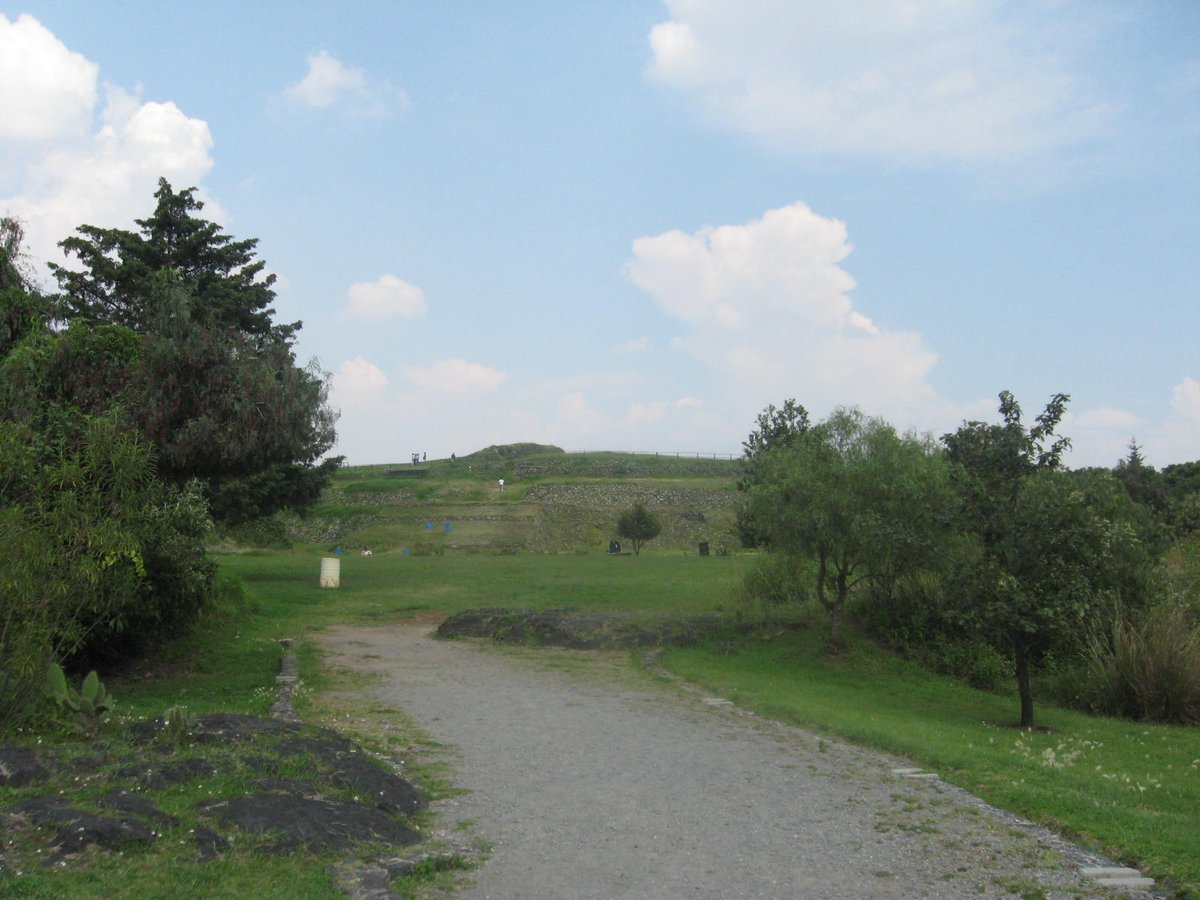
Cuicuilco covers about 18 hectares, centered on its monumental circular pyramid. Visitors can walk around the base and ascend designated paths. Informational plaques in Spanish and English explain the site’s history and the impact of the Xitle eruption. Photographic highlights include panoramic views from the pyramid base and shaded rest areas among native flora—mornings and late afternoons offer the best lighting.
Visitor Facilities
- Restrooms: Located near the entrance, accessible and well maintained.
- Visitor Center: Offers maps, brochures, and occasional exhibitions.
- Museum: Displays excavated artifacts with bilingual interpretive panels.
- Gift Shop: Sells books, souvenirs, and artifact replicas.
- Shaded Areas: Benches are available for rest throughout the site.
Guided Tours and Educational Activities
Guided tours are offered in Spanish and occasionally in English. Book at the visitor center or online via the INAH website for deeper historical context. Educational workshops and family-friendly activities are frequently available on weekends and school holidays.
Safety, Etiquette, and Accessibility
- Remain on marked paths; do not climb restricted areas or touch artifacts.
- Personal photography is permitted; tripods/drones require permits.
- Wear comfortable shoes, bring sun protection and water.
- The site is generally safe, with on-site security.
- Wheelchair users can access the museum and main paths; upper pyramid levels require stairs.
Best Times to Visit and Travel Tips
Weekday mornings are quieter; weekends and holidays can be busy. The dry season (November–May) is best for weather; rainy season brings lush vegetation but possible showers. Purchase tickets online to avoid queues. Combine your visit with the UNAM campus, Frida Kahlo Museum, or Xochimilco canals (Travel + Leisure).
Cultural Insights and Local Customs
Cuicuilco hosts indigenous ceremonies—especially during the spring equinox—and cultural events. Respectful observation is encouraged. Local vendors offer handicrafts and snacks near the entrance, supporting the community.
Environmental Considerations
The site features visible lava flows and diverse native vegetation. Stay on trails to protect the ecosystem. Cuicuilco is habitat to unique flora and fauna—avoid littering and unnecessary disturbance.
Language and Communication
Signage and interpretive materials are bilingual (Spanish and English). Most staff speak Spanish; some guides and museum personnel speak English. Printed guides or audio tours may be available.
Modern Challenges and Conservation
Cuicuilco is surrounded by urban development, with parts of the site under modern infrastructure (Mexico City Government; Wikipedia). Conservation is ongoing, but thick lava and urban expansion limit excavation and preservation.
Influence on Later Mesoamerican Cultures
Cuicuilco’s architectural and urban innovations influenced subsequent civilizations. The migration of survivors after the Xitle eruption likely contributed to Teotihuacan’s rise. Artifacts and styles from Cuicuilco have been identified at other sites, emphasizing its role as a cultural bridge (World History Encyclopedia).
Ongoing Research and Visitor Experience
Cuicuilco remains a vital site for understanding early Mesoamerican urbanism and religious practices. The on-site museum highlights archaeological finds and the contributions of early researchers. Educational programs and accessible facilities foster a deeper appreciation for Mexico’s ancient heritage (Mexico Historico).
Frequently Asked Questions (FAQ)
Q: What are Cuicuilco's opening hours?
A: Tuesday–Sunday, 9:00 AM–5:00 PM; closed Mondays.
Q: How much are tickets?
A: 80–90 MXN for adults; discounts for students, seniors, and children; free for Mexican residents on Sundays.
Q: Can I buy tickets online?
A: Yes, via the INAH website.
Q: Is Cuicuilco accessible for people with disabilities?
A: The main paths, museum, and visitor center are accessible; upper pyramid levels are not.
Q: Are guided tours available?
A: Yes, in Spanish regularly and sometimes in English.
Q: Are photography and drone use allowed?
A: Personal photography is allowed; permits are required for tripods and drones.
Related Articles
- Top Mexico City Historical Sites to Visit
- Guide to Visiting Teotihuacan
- Exploring UNAM: Culture and History
Listen to the full story in the app
The whole Cuicuilco,
told well.
Audio guides for 1,100+ cities across 96 countries. History, stories, and local insight — offline ready.
Verified, and shown.
Researched and written by the Audiala editorial team from historical records, architectural archives, and local expertise.
Researched from Wikidata, Wikipedia & official sources · fact-checked · How we make our guides →