Plan and listen to Che Guevara with Audiala.
Audio guide in your pocket, itinerary in your browser. Built for the way you actually visit.
Introduction
Mexico City played a pivotal role in the transformation of Ernesto “Che” Guevara from a young doctor and traveler into one of the most iconic revolutionary figures of the 20th century. After his experiences in Guatemala, Che arrived in Mexico City in 1954, finding refuge among a vibrant community of Latin American exiles, activists, and political thinkers. Here, he met the Castro brothers and became intricately involved in the planning that led to the Cuban Revolution. For visitors, the city offers a wealth of sites connected to Che’s legacy—from historic cafés and clandestine meeting spots to evocative murals and commemorative plaques. This guide details the most important Che Guevara sites in Mexico City, with current visiting hours, ticket information, practical tips, and historical context to help you plan a meaningful visit (historyofcuba.com; Wanderlust Magazine; Atlas Obscura).
- Che Guevara’s Historical Context in Mexico City
- Key Che Guevara Sites in Mexico City
- Visitor Information: Hours, Tickets, and Accessibility
- Tours and Experiences
- Che Guevara’s Influence in Mexico
- Frequently Asked Questions (FAQ)
- Tips for a Meaningful Visit
- Conclusion
- Sources


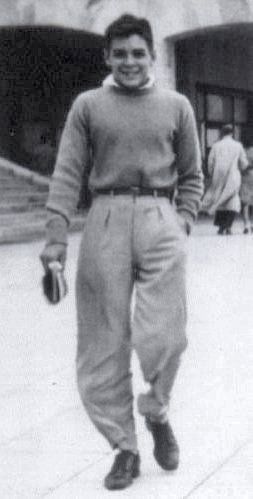
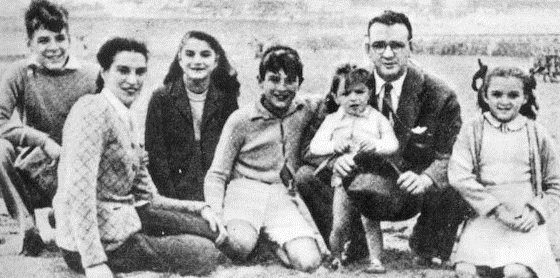
Che Guevara’s Historical Context in Mexico City
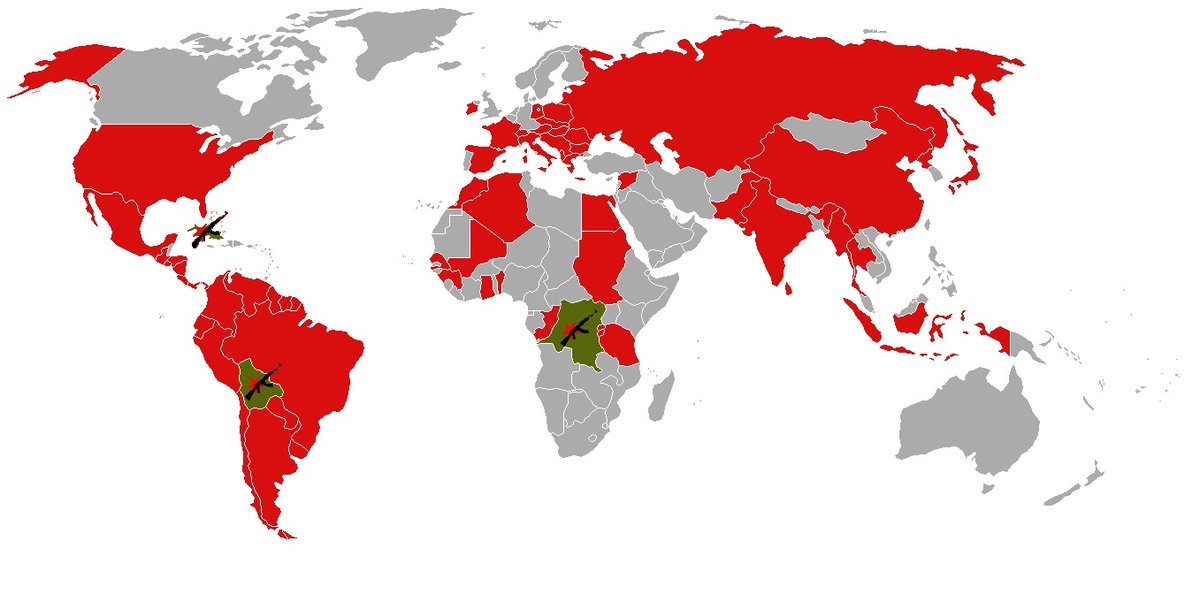
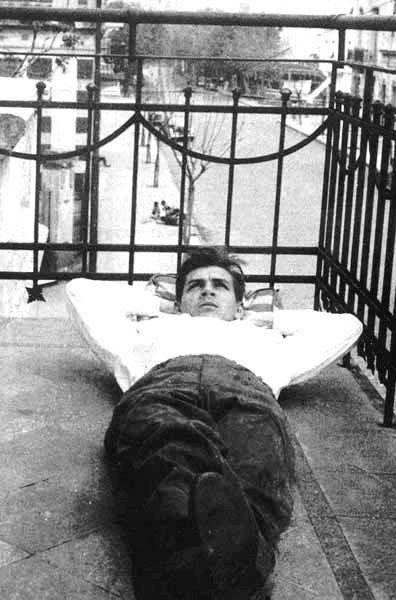
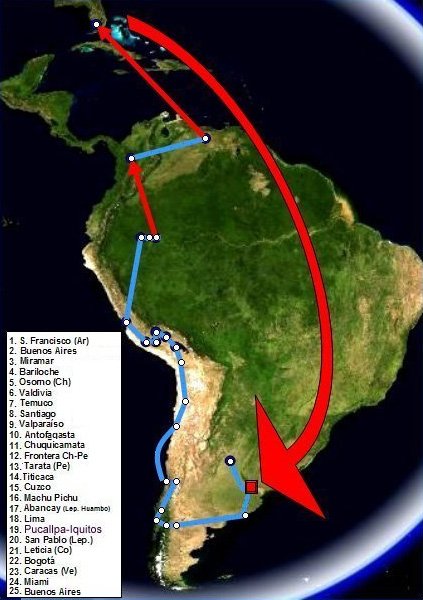
Che Guevara’s arrival in Mexico City in 1954 marked a decisive shift in his life and the broader course of Latin American revolutionary history (historyofcuba.com). The city, then a haven for political exiles, was the backdrop for his friendship with Fidel and Raúl Castro and the clandestine preparations for the overthrow of Cuba’s Batista regime. Guevara’s experiences in Mexico—ranging from working as a doctor at the General Hospital to training for guerrilla warfare—solidified his ideological commitment and tactical skills (Wanderlust Magazine; CounterPunch).
Key Che Guevara Sites in Mexico City
Café La Habana
Address: Av. Morelos 62, Juárez, Cuauhtémoc, 06600 Ciudad de México, CDMX
Visiting Hours: Daily, 8:00 AM – 10:00 PM
Tickets: No entry fee; pay only for food and drinks
Café La Habana is the most emblematic Che Guevara site in the city. Open since 1952, it hosted meetings between Che, Fidel Castro, and other Cuban exiles as they strategized for the Cuban Revolution. The café preserves its mid-century charm, with marked tables and walls decorated with period photographs (Atlas Obscura; Nomadic Backpacker).
Tips:
- Visit during weekday mornings for a quieter experience.
- The staff is accustomed to history enthusiasts; feel free to ask about the café’s revolutionary past.
- Photography is allowed, but be respectful of other guests.
Plaque at 49 José de Emparán Street
Location: Centro Histórico, near Calle Dolores
Visiting Hours: Publicly accessible at all times
Tickets: Free
This plaque marks the site where Che Guevara first met Fidel Castro in 1955—a meeting that changed the course of history. The plaque was installed in 2014 to commemorate the event (The World).
Colonia Tabacalera and Colonia Cuauhtémoc
These adjacent neighborhoods were home to various safe houses and apartments used by Che and Cuban exiles. While the exact addresses are private, guided walking tours often include these areas for their historical atmosphere.
Visiting: Accessible at all times. Best explored with a knowledgeable guide.
General Hospital of Mexico (Hospital General de México)
Address: Dr. Balmis 148, Doctores, Cuauhtémoc, 06726 Ciudad de México, CDMX
Visiting Hours: No public access inside; exterior can be viewed at any time
Che worked at this hospital as a doctor during his time in Mexico City. While the hospital is still operational and not a tourist site, its exterior and the surrounding area are of historical interest (Nomadic Backpacker).
Murals and Street Art
Che’s image appears in murals and street art throughout Mexico City, especially in neighborhoods like Colonia Roma and Centro Histórico. These works range from tributes to critical reinterpretations, reflecting the enduring debate around his legacy.
Museo Nacional de la Revolución
Address: Plaza de la República s/n, Tabacalera, Cuauhtémoc
Visiting Hours: Tuesday–Sunday, 9:00 AM – 5:00 PM
Tickets: Approx. 50 MXN (discounts for students/seniors)
This museum provides essential context on Mexico’s revolutionary history and the city’s role as a haven for political exiles, including Che Guevara (Museo Nacional de la Revolución).
Teotihuacan
Location: ~50 km northeast of Mexico City
Visiting Hours: Daily, 9:00 AM – 5:00 PM
Tickets: ~85 MXN
Che visited Teotihuacan during his stay, drawing inspiration from its monumental architecture and indigenous history (Wanderlust Magazine). The site is accessible by public bus from Terminal de Autobuses del Norte.
Coyoacán
This neighborhood, famed for its bohemian vibe, was a gathering place for exiles and intellectuals. While there is no dedicated Che Guevara museum, Coyoacán’s atmosphere and political history are deeply intertwined with his time in the city (My Global Viewpoint).
Visitor Information: Hours, Tickets, and Accessibility
- Tickets: Most sites are free; museums have modest entrance fees.
- Getting There: Mexico City’s Metro and Metrobus provide easy access to most locations. Authorized taxis and rideshare services are also widely available.
- Best Times to Visit: Daytime is safest and most convenient. Weekday mornings are recommended for less crowded experiences.
- Accessibility: Most sites in Centro Histórico are pedestrian-friendly. Café La Habana is street level, but some sidewalks may be uneven.
- Language: Spanish is widely spoken; basic English may be understood at major sites.
- Safety: Centro Histórico and main tourist areas are generally safe during the day—remain vigilant and avoid isolated streets at night (Sally Sees).
Tours and Experiences
- Walking Tours: Several operators offer guided tours of revolutionary sites, including Café La Habana, Colonia Tabacalera, and nearby murals (Let’s Travel to Mexico).
- Virtual Tours: Some museums and cultural organizations offer online experiences for remote visitors.
- Self-Guided Itineraries: With a map, you can create your own route connecting key sites such as Café La Habana, 49 José de Emparán Street, and Coyoacán.
Che Guevara’s Influence in Mexico
Che’s legacy endures in Mexican political and social movements. His doctrine of guerrilla warfare influenced groups such as the September 23rd Communist League and the Zapatista Army of National Liberation (EZLN) (CounterPunch). His image—especially the famous “Guerrillero Heroico” photograph—remains a powerful symbol in art, protests, and popular culture (Wikipedia; CheGuevara.org).
Frequently Asked Questions (FAQ)
Q: Are there entrance fees for Che Guevara sites in Mexico City?
A: Most are free to visit, including Café La Habana and the commemorative plaque. Museums like Museo Nacional de la Revolución charge a small fee.
Q: Is there a Che Guevara museum in Mexico City?
A: No dedicated museum exists, but several museums and cultural centers feature exhibits and context on his time in Mexico.
Q: How can I get to Café La Habana?
A: The café is easily reached via Metro Juárez (Line 3) or Metro Hidalgo.
Q: Are guided tours available?
A: Yes, both private and group walking tours are offered—book in advance for the best experience.
Q: Is it safe to visit these sites?
A: Yes, with standard precautions. Stick to well-trafficked areas during daylight hours.
Tips for a Meaningful Visit
- Cultural Sensitivity: Che Guevara’s legacy is complex and polarizing. Approach discussions respectfully and be mindful of local perspectives (History Tools).
- Support Local Businesses: Patronize cafés, bookstores, and guides to contribute to the community.
- Responsible Tourism: Leave no trace and respect the historical significance of sites.
- Enhance Your Experience: Seek out murals and street art, and visit related attractions such as the Leon Trotsky House Museum for broader revolutionary context.
Listen to the full story in the app
The whole Che Guevara,
told well.
Audio guides for 1,100+ cities across 96 countries. History, stories, and local insight — offline ready.
Verified, and shown.
Researched and written by the Audiala editorial team from historical records, architectural archives, and local expertise.
Researched from Wikidata, Wikipedia & official sources · fact-checked · How we make our guides →