Plan and listen to Chapultepec Aqueduct with Audiala.
Audio guide in your pocket, itinerary in your browser. Built for the way you actually visit.
Introduction
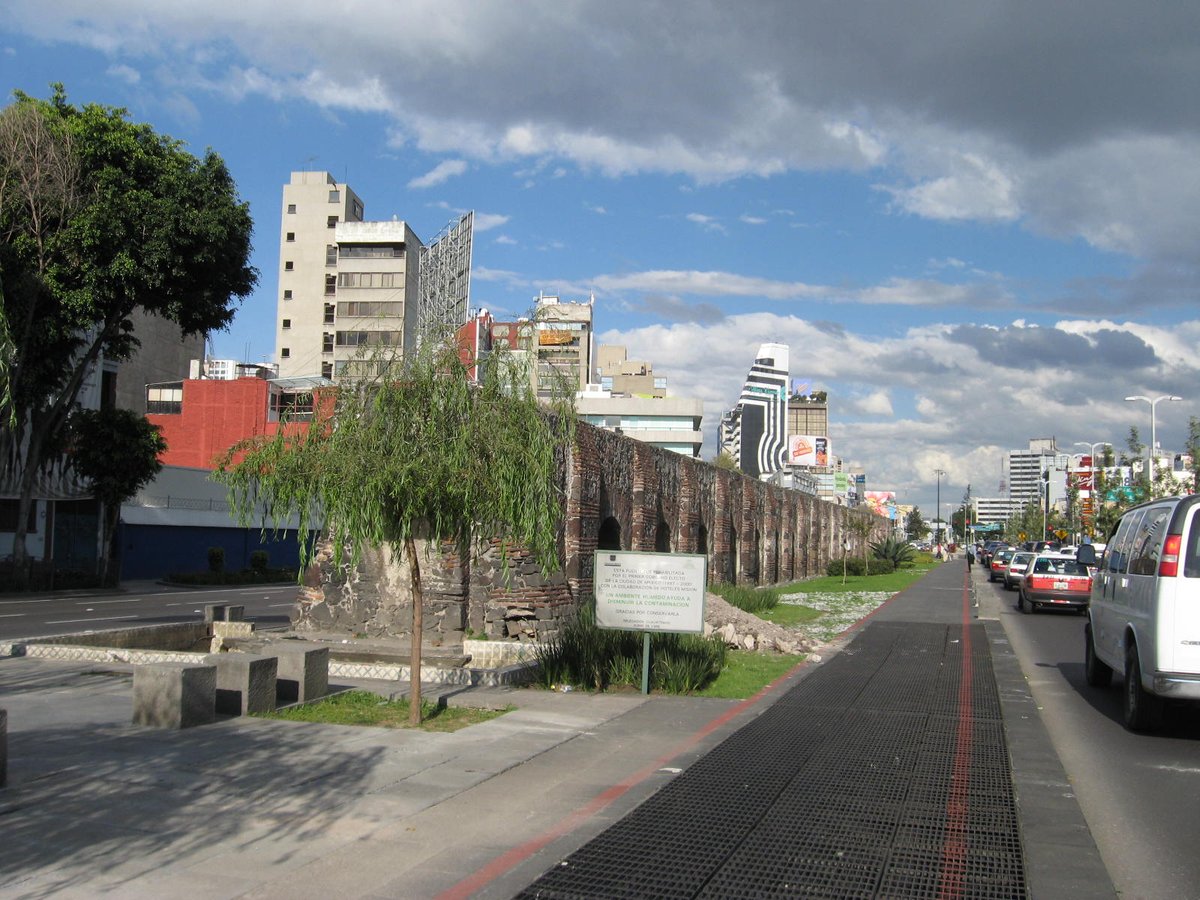
The Chapultepec Aqueduct is a remarkable symbol of Mexico City’s evolution, standing as a testament to indigenous engineering, colonial ambition, and the city’s ongoing urban transformation. Originally constructed in the 15th century by the Mexica (Aztec) civilization to bring fresh water from Chapultepec Hill to Tenochtitlan, the aqueduct was later rebuilt and expanded during the Spanish colonial era. Today, its iconic stone arches remain a prominent feature along Avenida Chapultepec, drawing visitors eager to explore Mexico City’s rich historical tapestry. This guide provides a detailed overview of the aqueduct’s history, architectural significance, practical visitor information, and its enduring role in the life of the city.

Historical Background
Pre-Hispanic Origins and Aztec Engineering
The origins of the Chapultepec Aqueduct date back to the early 15th century, when the Mexica (Aztec) civilization constructed an innovative system to transport potable water from the springs of Chapultepec to their capital, Tenochtitlan, on Lake Texcoco. The first aqueduct, built in 1418, utilized mud, clay, and hollowed logs to channel water across artificial islands. While pioneering, this structure suffered from vulnerability to flooding and ultimately failed in 1449.
Recognizing the need for a more robust system, Nezahualcoyotl, ruler of Texcoco and a renowned engineer, spearheaded the construction of a second aqueduct using stone masonry and mortar. This improved version featured a double-trough design, allowing for maintenance without interrupting the water supply (Wikipedia; apalacheresearch.com). The system integrated seamlessly with the city’s canals, reflecting both technical ingenuity and a spiritual reverence for water.
The strategic importance of the aqueduct was highlighted during the Spanish conquest, when Hernán Cortés ordered its destruction to weaken Tenochtitlan’s defenses (NutshellApp).
Spanish Colonial Reconstruction and Expansion
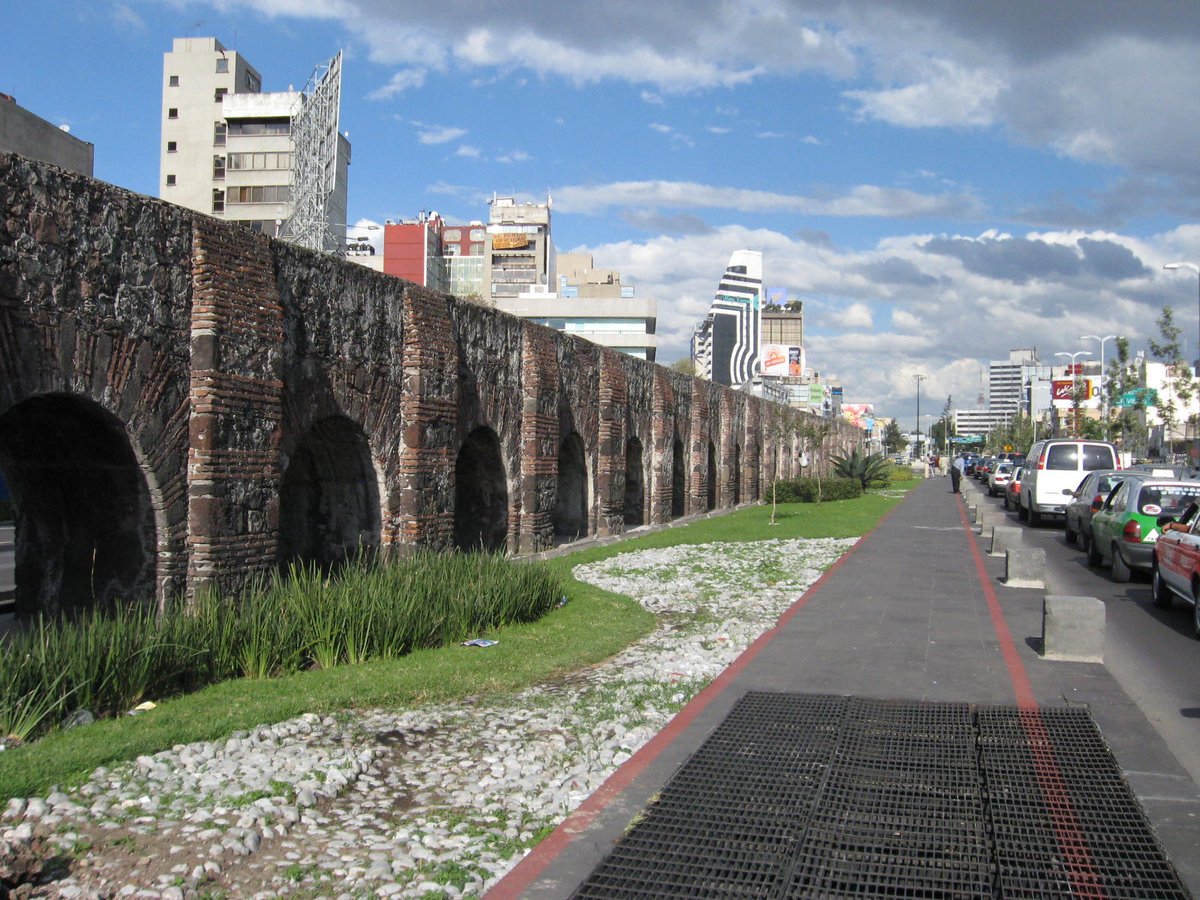
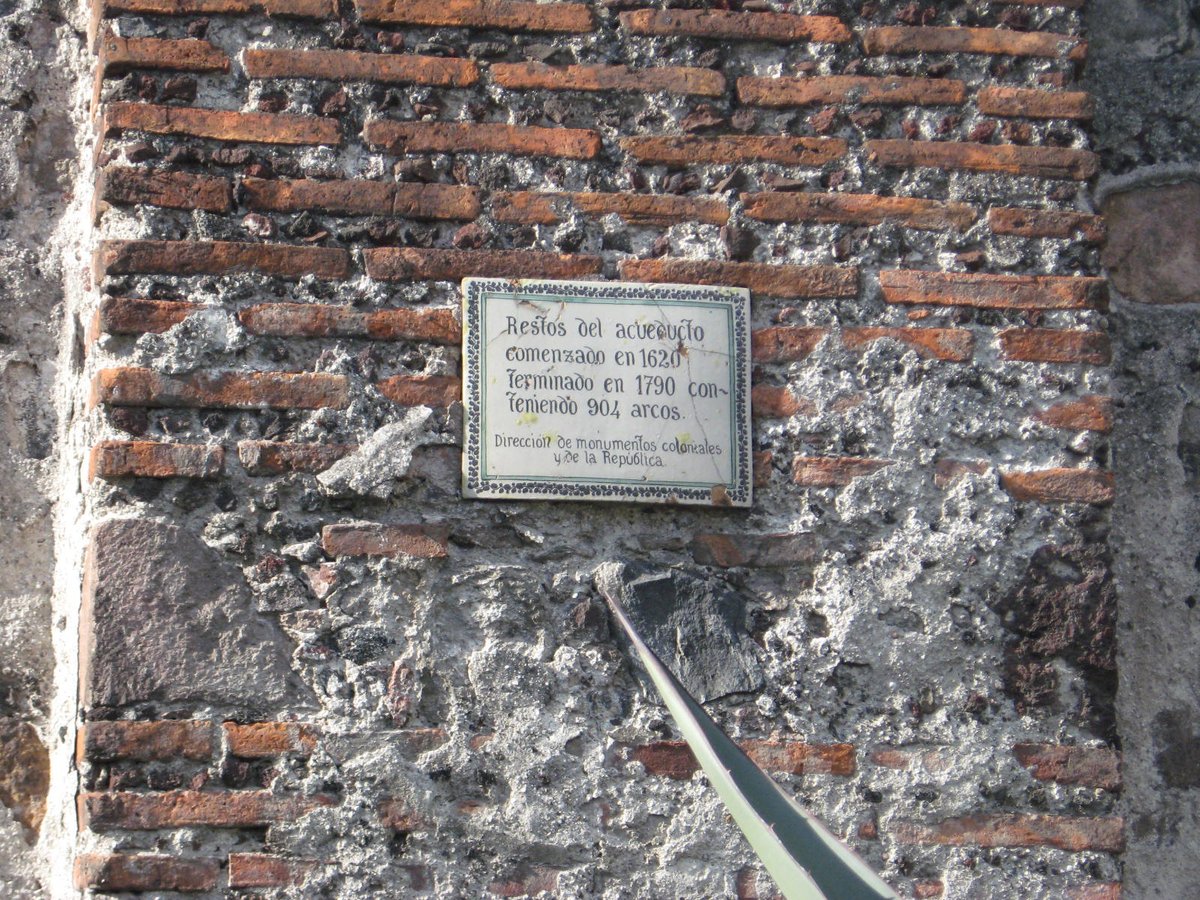
After the fall of Tenochtitlan, the Spanish recognized the aqueduct’s vital role and, beginning in the 16th century, commissioned new projects to restore and expand the waterway. The most notable colonial aqueduct, built in the 18th century, incorporated European Baroque design and indigenous construction practices (The Brain Chamber; mexicohistorico.com). Constructed primarily from volcanic stone, the new structure featured 904 majestic arches stretching over four kilometers, delivering water from Chapultepec to the city’s heart. Many of these arches still stand along Avenida Chapultepec, serving as enduring landmarks.
Architectural and Technological Significance
The Chapultepec Aqueduct is a striking example of historical engineering excellence, blending indigenous innovation with European architectural ambition. Its key features include:
- Double-Trough System: Inspired by Aztec designs, the colonial aqueduct’s parallel channels allowed uninterrupted water flow during repairs.
- Stone Arch Construction: The use of volcanic rock (tezontle) and lime mortar resulted in resilient, monumental arches.
- Baroque Aesthetics: Decorative stonework and symmetrical designs elevated the utilitarian structure into an urban centerpiece (The Brain Chamber).
These features ensured the aqueduct’s longevity and integration with the city’s evolving landscape (Wikipedia).
Role in Historical Events
Throughout its existence, the Chapultepec Aqueduct has been pivotal to Mexico City’s development. In the pre-Hispanic era, it enabled the growth of Tenochtitlan, while during the colonial period, it supported the city’s expanding population. The aqueduct also played a strategic role in military conflicts—most notably during the Spanish conquest and the Mexican-American War, when control of the city’s water supply was crucial (Britannica). Continuous repairs and modifications reflect the city’s resilience and adaptability.
Cultural and Symbolic Importance
Beyond its practical function, the aqueduct serves as a symbol of Mexico City’s layered heritage:
- Indigenous Roots: It embodies the Mexica’s hydraulic mastery and spiritual relationship with water.
- Colonial Legacy: The arches represent the blending of cultures and the transformation of urban identity.
- Artistic Inspiration: The aqueduct appears in art, literature, and photography as a motif of endurance and adaptation (The Creative Adventurer).
The aqueduct remains central to community gatherings, festivals, and cultural events, particularly within Chapultepec Park (Chapultepec.org.mx).
Visiting the Chapultepec Aqueduct
Visiting Hours and Tickets
- Hours: Chapultepec Park and the aqueduct area are open daily from 5:00 AM to 8:00 PM. The arches along Avenida Chapultepec are accessible 24/7 as part of the public space.
- Tickets: Visiting the aqueduct is free. No tickets are required. Some nearby museums or attractions may charge admission.
How to Get There
- Metro: Metro Sevilla or Chapultepec stations (Line 1) provide easy access.
- Bus/Taxi: Well-served by public transport and taxi routes.
- Address: Avenida Chapultepec, Ciudad de México, D.F., Mexico.
Accessibility and Amenities
- Accessibility: Main pathways are wheelchair accessible, though some uneven surfaces may be present.
- Facilities: Benches, restrooms, and shaded areas are available in Chapultepec Park. Cafes, restaurants, and shops are nearby.
Guided Tours and Nearby Attractions
- Guided Tours: Walking and cycling tours often include the aqueduct and other historical landmarks. Advance booking is recommended.
- Nearby Attractions: Chapultepec Castle, National Museum of Anthropology, Museum of Modern Art, Angel of Independence, Roma and Condesa neighborhoods.
Photography Tips
- Best Times: Early morning and late afternoon offer ideal lighting for capturing the stone arches.
- Angles: Experiment with perspectives to include the arches, surrounding greenery, and urban backdrop.
Preservation and Legacy
The remaining arches of the Chapultepec Aqueduct are protected as cultural heritage sites. Conservation efforts, archaeological research, and urban revitalization—like the Chapultepec Cultural Corridor (CCC) project—aim to preserve the aqueduct while integrating it into a modern, pedestrian-friendly environment (ArchDaily; ArchaeologyMag). These initiatives blend historical preservation with sustainable urban design, ensuring the aqueduct continues to inspire future generations.
Modern Context and Urban Development
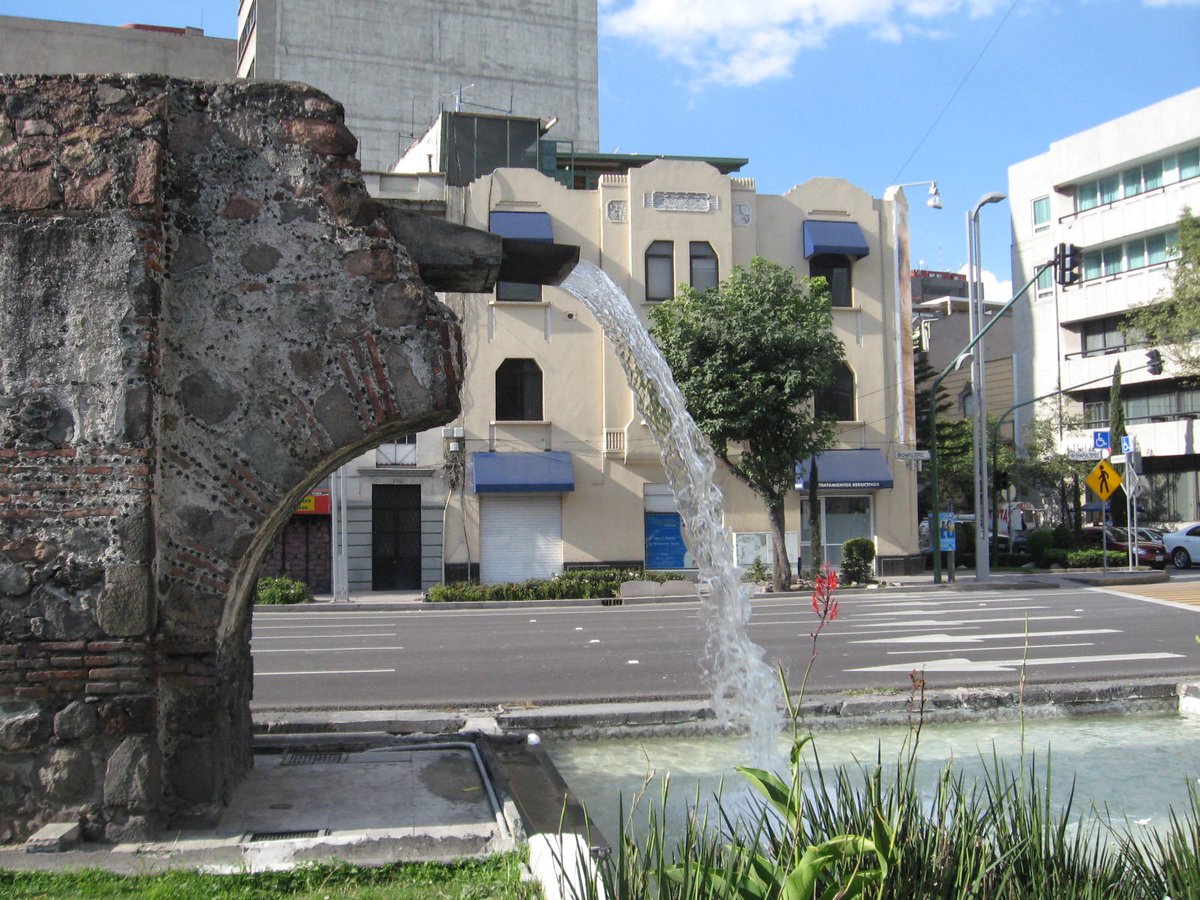
The aqueduct’s arches now anchor a vibrant urban corridor, surrounded by cultural events, markets, and public art. The CCC project has transformed Avenida Chapultepec into a green, accessible promenade, reinforcing the aqueduct’s role as a living monument within Mexico City’s ever-changing landscape (ArchDaily). Archaeological discoveries beneath the avenue highlight the site’s deep historical layers (ArchaeologyMag).
Frequently Asked Questions (FAQ)
Q: What are the Chapultepec Aqueduct visiting hours?
A: The arches are accessible 24/7 as part of the public space, while Chapultepec Park is open from 5:00 AM to 8:00 PM.
Q: Is there an admission fee?
A: No, visiting the aqueduct is free.
Q: Are guided tours available?
A: Yes, many city tours include the aqueduct. Booking ahead is recommended.
Q: Is the aqueduct accessible for people with disabilities?
A: The main walkways are generally accessible, though some uneven surfaces may exist.
Q: How do I get there by public transport?
A: Use Metro Sevilla or Chapultepec (Line 1), or take a bus/taxi to Avenida Chapultepec.
Visitor Recommendations
- Plan your visit during early morning or late afternoon for the best experience and photos.
- Combine your trip with other attractions in Chapultepec Park or central Mexico City.
- Download the Audiala app for up-to-date tour information and cultural event alerts.
- Respect preservation guidelines and help protect this valuable historic site.
Internal Links
- Chapultepec Castle: History and Visitor Guide
- Top Mexico City Historical Sites to Explore
- Guide to Mexico City Parks and Outdoor Attractions
Listen to the full story in the app
The whole Chapultepec Aqueduct,
told well.
Audio guides for 1,100+ cities across 96 countries. History, stories, and local insight — offline ready.
Verified, and shown.
Researched and written by the Audiala editorial team from historical records, architectural archives, and local expertise.
Researched from Wikidata, Wikipedia & official sources · fact-checked · How we make our guides →