Plan and listen to Auditorio Nacional with Audiala.
Audio guide in your pocket, itinerary in your browser. Built for the way you actually visit.
Introduction
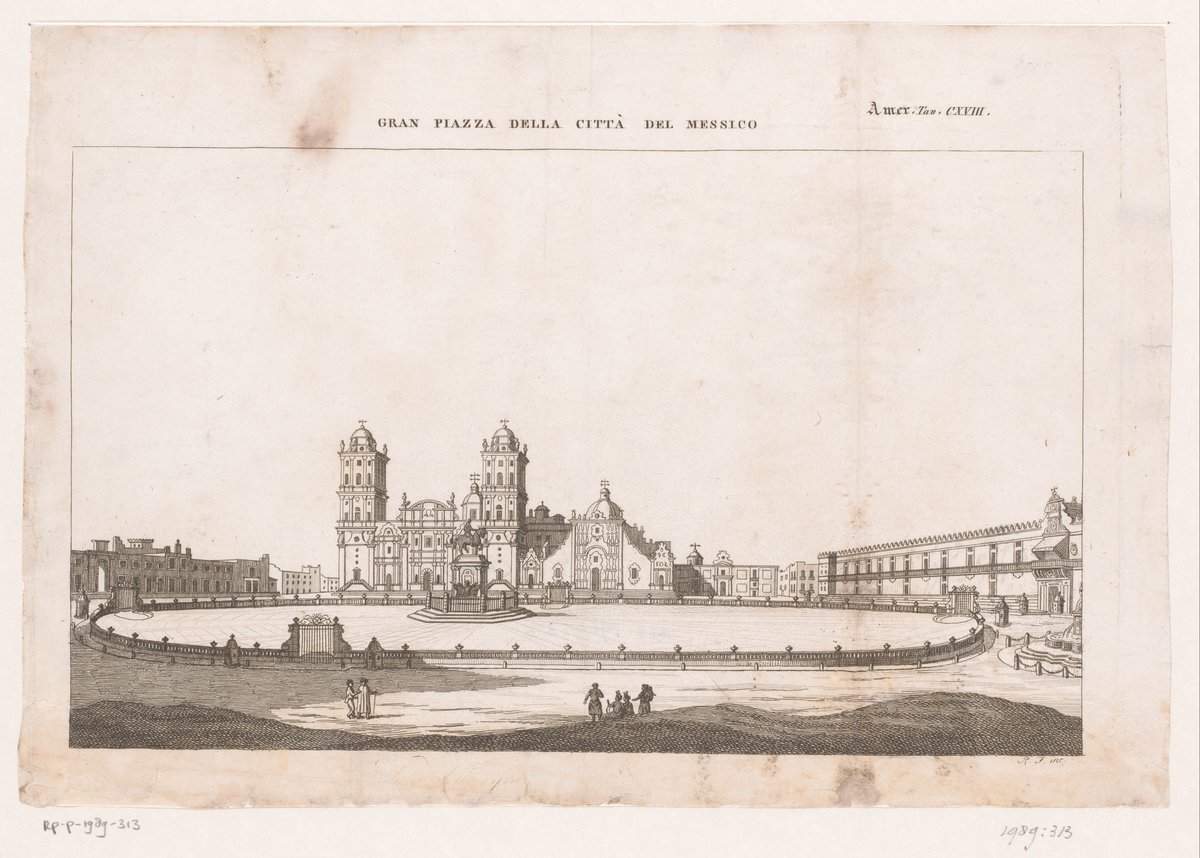
Perched along the bustling Paseo de la Reforma and adjacent to the verdant expanse of Chapultepec Park, the Auditorio Nacional stands as one of Mexico City’s most revered cultural landmarks. Since its original inauguration in 1952, this venue has evolved from a multiuse sports and performance hall into Latin America’s premier concert and event auditorium, blending monumental Brutalist architecture with world-class acoustics and cutting-edge technology. Its dynamic programming, rich history, and central location make it an essential destination for culture seekers, music lovers, and architecture enthusiasts alike (Auditorio Nacional Official Website; Pollstar Venue Rankings; Songkick Auditorio Nacional Calendar).
This comprehensive guide will help you plan your visit, covering the Auditorio Nacional’s origins, architectural highlights, ticketing procedures, accessibility, nearby attractions, and practical tips for an unforgettable experience.

History and Cultural Significance
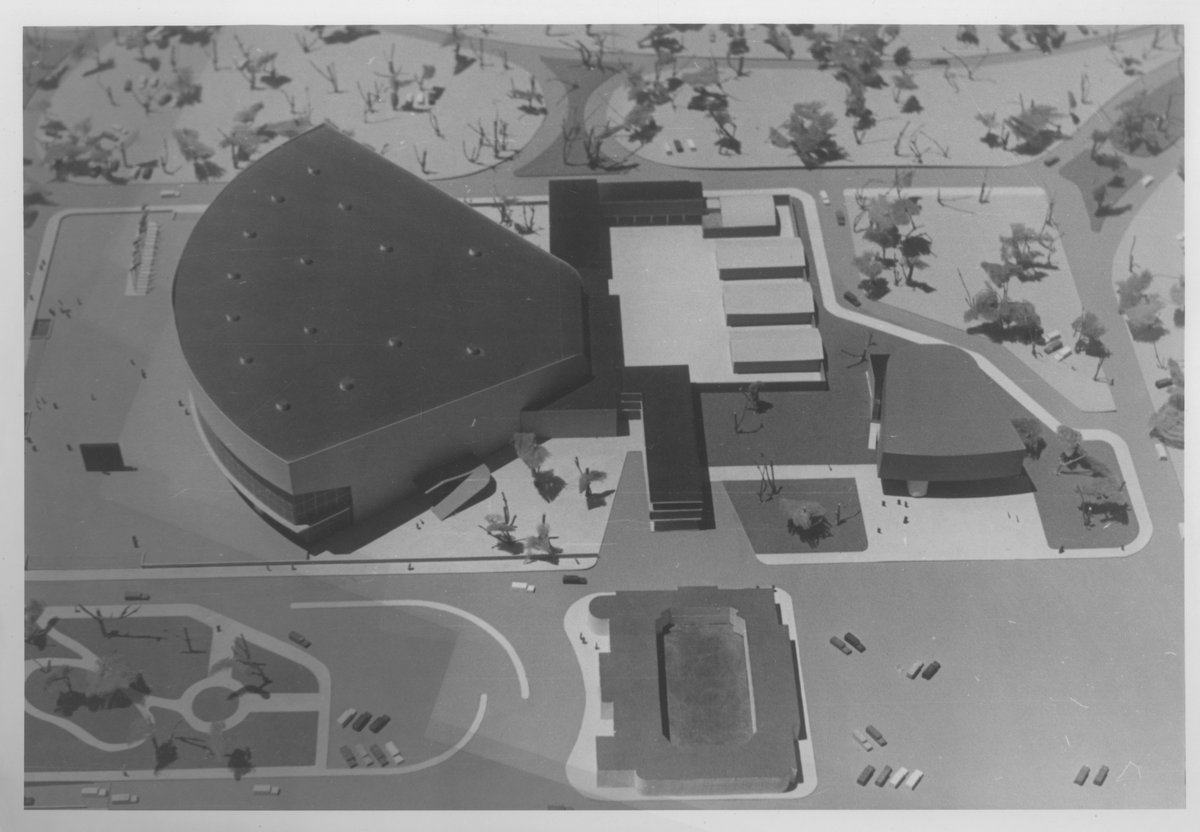
The Auditorio Nacional was conceived in the early 1950s amid Mexico’s post-war modernization wave. Designed by Pedro Ramírez Vázquez and Gonzalo Ramírez del Sordo, it originally served as a multipurpose venue for equestrian, sporting, and cultural events (Auditorio Nacional - Official Site). Its adaptability made it a gathering point for diverse audiences and helped cement its reputation as a central pillar of Mexico City’s cultural life.
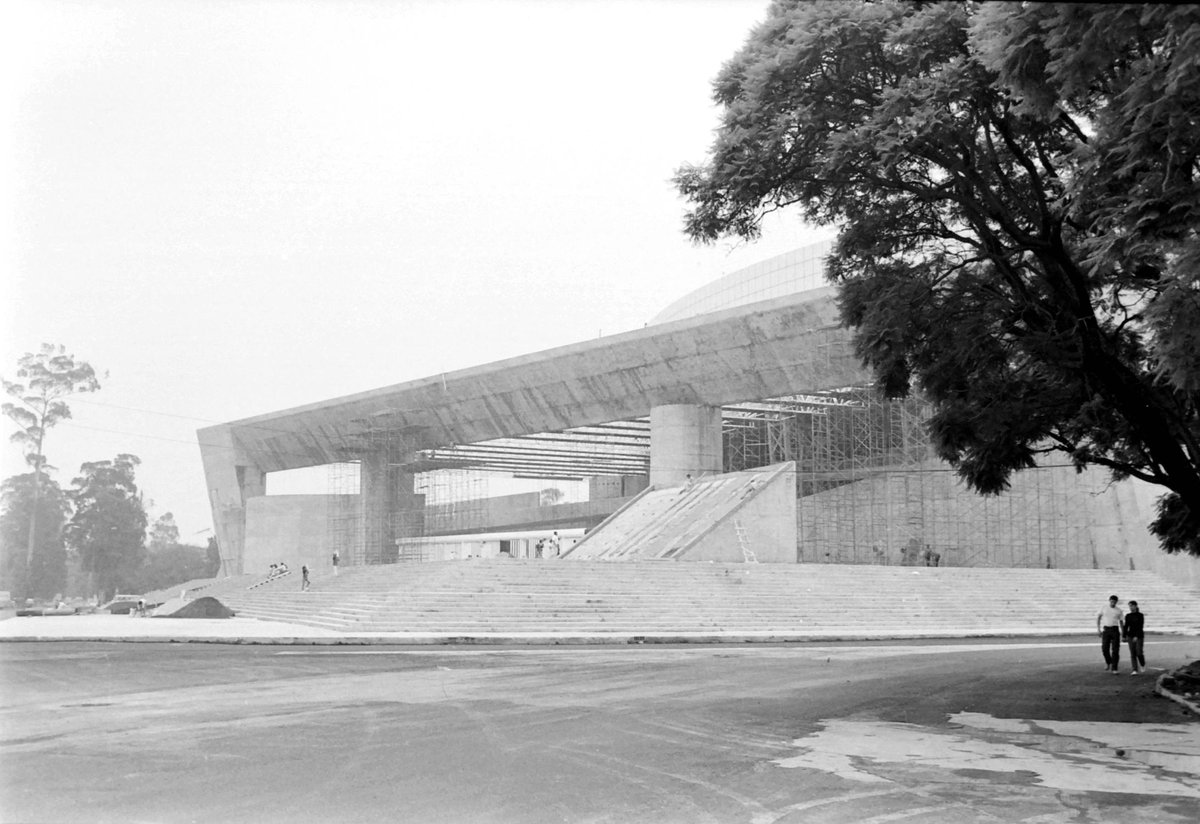
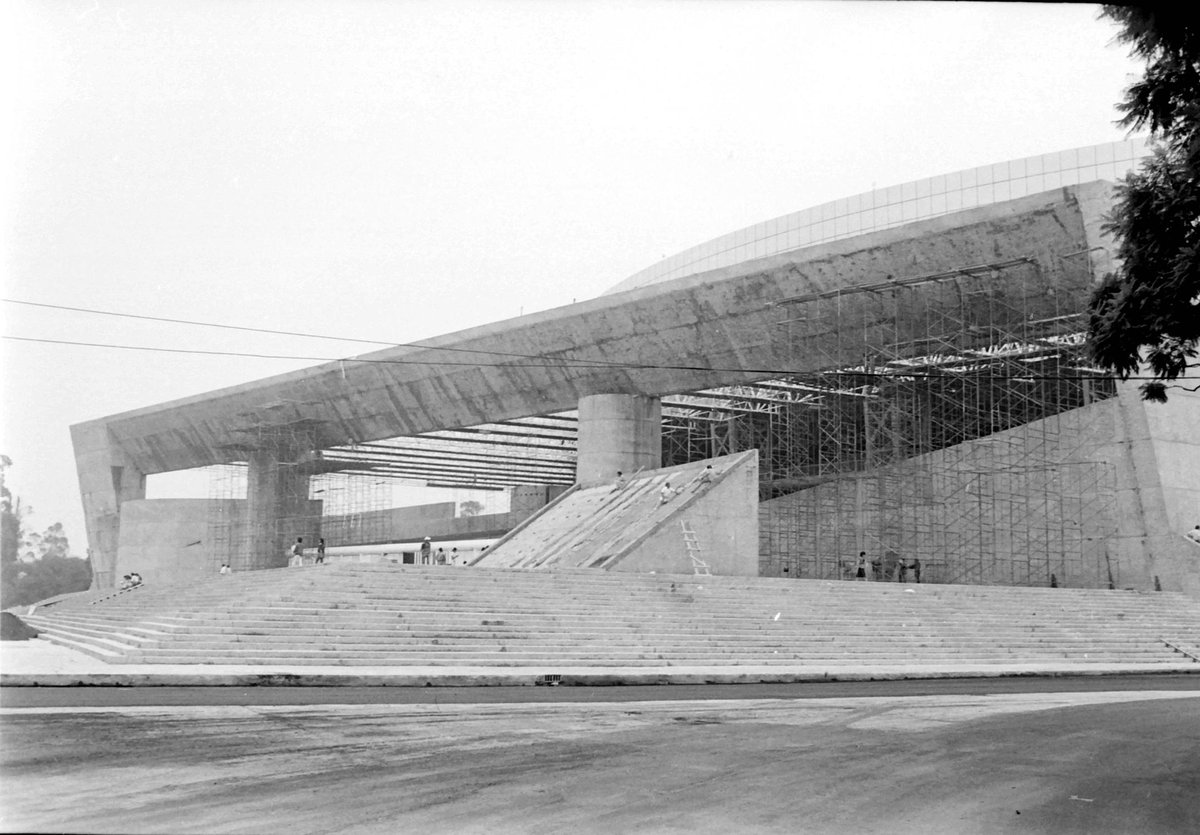
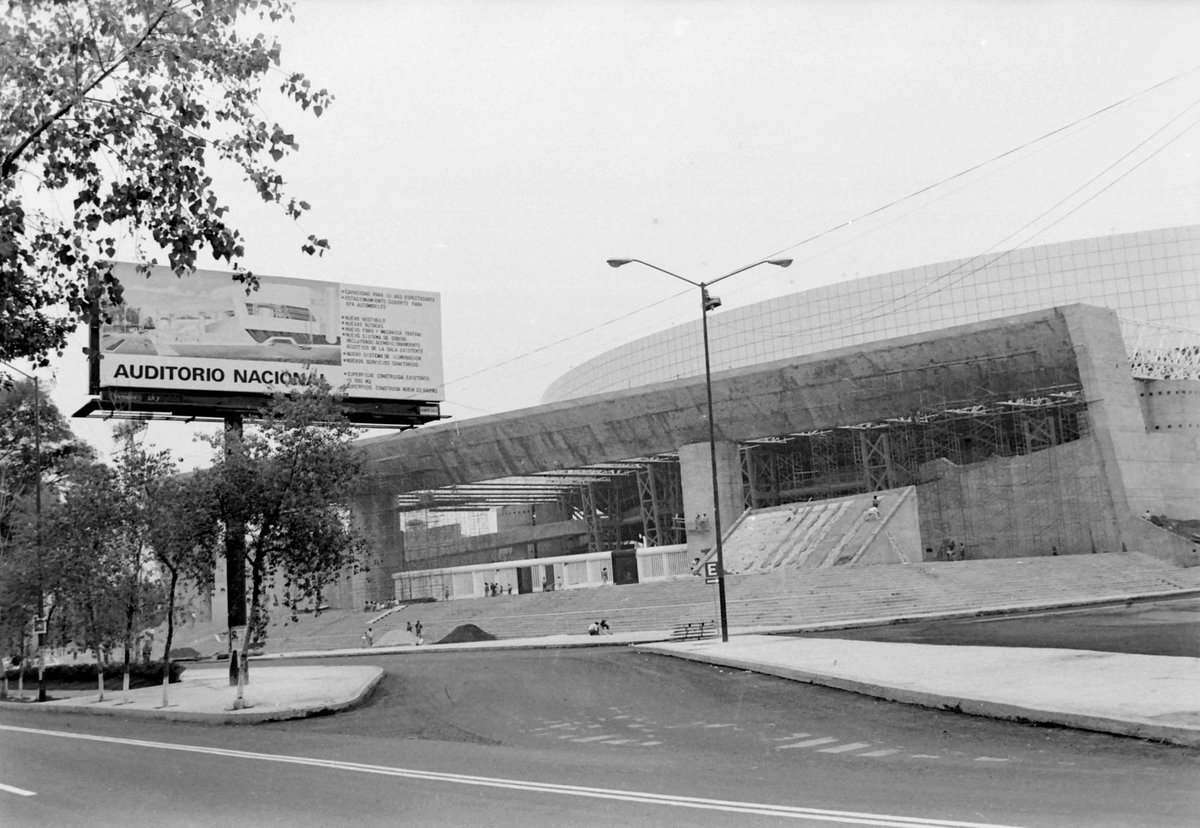
A major transformation in the late 1980s/early 1990s, spearheaded by architects Teodoro González de León and Abraham Zabludovsky, gave the auditorium its current monumental presence and iconic Brutalist style (admagazine.com). Today, its legacy includes hosting legendary artists such as Luciano Pavarotti, Paul McCartney, and Luis Miguel, as well as international shows like Cirque du Soleil and Disney on Ice (Pollstar Venue Rankings).
Architectural Evolution
The Auditorio Nacional is a showcase of Mexican modernism and Brutalism. The original building, constructed with a rare riveted iron technique, was reimagined between 1988 and 1991 with an expressive 129-meter-long concrete façade, punctuated by two massive columns and adorned with the sculpture La Luna by Juan Soriano. The transformation introduced advanced acoustics, expanded seating (now approximately 10,000), and a dramatic, light-filled lobby (iancampophoto.com; livedesignonline.com).
Inside, the horseshoe-shaped auditorium ensures optimal sightlines and sound, and the integration of significant artworks—including Tres figuras áureas by González de León and Teorema inmóvil by Manuel Felguérez—enhances its cultural gravitas (admagazine.com; mexicocity.cdmx.gob.mx).
A notable addition is the Lunario, a smaller venue within the complex, designed for intimate performances and events (livedesignonline.com).
Notable Events and Performances
The Auditorio Nacional’s calendar is packed with a diverse array of performances, from orchestras, opera, and ballet to pop, rock, and traditional Mexican shows. The National Symphony Orchestra of Mexico is a regular presence, and world-renowned acts such as Elton John and Bruno Mars have filled its seats to capacity (Songkick Auditorio Nacional Calendar; facts.net).
The venue also hosts the annual Premios Ariel (Mexico’s top film awards), large-scale productions like Disney on Ice, and community-focused conferences and workshops.
Location, Visiting Hours, and Accessibility
Location
- Address: Paseo de la Reforma #50, Bosque de Chapultepec, Miguel Hidalgo, Mexico City, Mexico (Google Maps).
- Metro: Served directly by the Auditorio Metro Station (Line 7). Numerous buses and rideshare services are available.
Visiting Hours
- Box Office: Typically open Monday to Saturday, 10:00 AM – 6:00 PM. Event days may have extended hours (Auditorio Nacional Official Website).
- Event Hours: Doors open 60–90 minutes before showtime; check event-specific timings.
Accessibility
- Step-free access, ramps, elevators, and designated wheelchair seating.
- Accessible restrooms and assistance for visitors with disabilities (Auditorio Nacional Accessibility).
Tickets and Entry Procedures
Purchasing Tickets
- Primary Platform: Ticketmaster México
- Box Office: On-site, open daily (typically 11:00 AM – 7:00 PM; hours may vary).
- Recommendation: Purchase tickets in advance, especially for major events.
Entry & Security
- Security checks at all entrances. Prohibited items include large bags, professional cameras, and outside food/drinks.
- Digital tickets are accepted and encouraged for faster entry.
Facilities and Amenities
- Seating: Orchestra, mezzanine, and balcony levels, all with excellent sightlines.
- Acoustics: Renowned for clarity and quality, with frequent upgrades (mexiconewsdaily.com).
- Dining: Multiple concession stands offering snacks and beverages. Payment by card accepted.
- Cloakroom: Available near the main entrance for coats and small bags.
- Restrooms: Located on every floor; family and accessible stalls provided.
- Merchandise: Official stands for souvenirs and artist memorabilia during major events.
Nearby Attractions and Travel Tips
Adjacent Attractions
- Chapultepec Park: Mexico City’s largest urban park.
- Museo Nacional de Antropología: Renowned anthropology museum.
- Museo Tamayo: Modern art.
- Polanco: Upscale shopping and dining.
Travel Tips
- Arrive Early: 45–60 minutes before your event for security and seating.
- Public Transport: Highly recommended to avoid traffic and parking congestion.
- Dress Code: Smart casual is standard.
- Weather: Venue is enclosed and climate-controlled, but plan for weather outside.
- Nearby Dining: Explore Polanco’s restaurants, including Pujol and El Bajío.
Visitor FAQs
Q: What are the Auditorio Nacional visiting hours?
A: Box office is generally open from 10:00 AM to 6:00 PM (event days may vary).
Q: How can I buy Auditorio Nacional tickets?
A: Online via Ticketmaster México, at the venue box office, or authorized outlets.
Q: Is the venue accessible for people with disabilities?
A: Yes. Ramps, elevators, accessible restrooms, and designated seating are available.
Q: Are guided tours available?
A: Occasionally. Check the official website for tour availability.
Q: Can I bring outside food or drinks?
A: No, but a variety of snacks and drinks are available for purchase inside.
Q: What are some nearby attractions?
A: Chapultepec Park, Museo Nacional de Antropología, Museo Tamayo, and the Polanco district.
Q: Is photography allowed?
A: Policies vary by event; typically, no photography during performances.
Listen to the full story in the app
The whole Auditorio Nacional,
told well.
Audio guides for 1,100+ cities across 96 countries. History, stories, and local insight — offline ready.
Verified, and shown.
Researched and written by the Audiala editorial team from historical records, architectural archives, and local expertise.
Researched from Wikidata, Wikipedia & official sources · fact-checked · How we make our guides →