Plan and listen to Arq. Alejandro Leonides Guadarrama with Audiala.
Audio guide in your pocket, itinerary in your browser. Built for the way you actually visit.
Introduction
Alejandro Leonides Guadarrama stands as one of the most influential architects in Mexico City's mid-20th-century transformation. His work skillfully merges modernist principles with elements of Mexican identity, drawing upon pre-Hispanic motifs and nationalist themes to create structures that are both visually striking and culturally resonant. Guadarrama’s most celebrated projects—including the Museo de Historia Natural y Cultura Ambiental, Lago/Algo Cultural Center, and the Xochipilli Fountain—all located in Chapultepec Park, remain vital architectural and cultural destinations today.
This comprehensive guide delves into the history, significance, and visitor essentials for each site. From practical details on hours, tickets, and accessibility to in-depth context on the enduring legacy of Guadarrama’s designs, travelers and architecture enthusiasts will find all they need to plan an enriching visit. Whether you are drawn to the innovative domes of the Museo de Historia Natural, the expressive modernism of Lago/Algo, or the symbolic serenity of the Xochipilli Fountain, exploring these sites offers a deeper understanding of Mexico City's heritage and evolving urban identity.
For convenient planning, this article also includes travel tips, nearby attractions, and advice for maximizing your visit to these architectural landmarks (mexicocity.cdmx.gob.mx, naso.mx, tipsparatuviaje.com).








Alejandro Leonides Guadarrama: Architect and Historical Context
Alejandro Leonides Guadarrama emerged as a pivotal figure during the 1960s—a time of rapid urban growth and cultural redefinition in Mexico City. His architectural philosophy was rooted in the tenets of modernism, but he distinguished himself by weaving Mexican cultural references and pre-Hispanic symbolism into his projects. This approach not only reflected the broader movement of Mexican modernism but also reinforced the importance of national identity within public architecture (mexicocity.cdmx.gob.mx).
Key Works and Their Significance
Museo de Historia Natural y Cultura Ambiental
Historical Background & Development
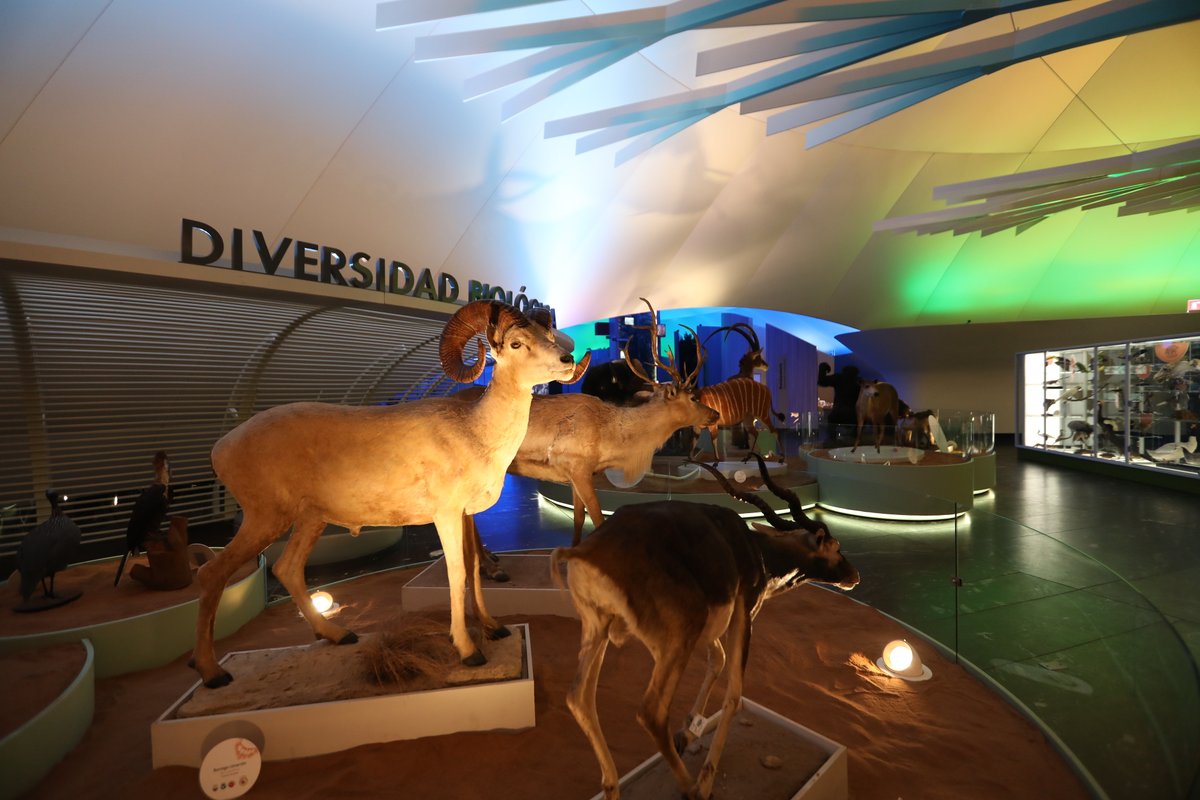
Situated in Chapultepec Park’s Second Section, the Museo de Historia Natural y Cultura Ambiental opened in 1964, conceived as a beacon for scientific education and environmental awareness. Guadarrama’s design features ten interlinked hemispherical concrete domes, creating a distinctive and functional space for exhibitions.
Architectural Features
The domed structures, inspired by the work of Félix Candela, allow for wide, column-free interiors ideal for immersive displays. The museum’s organic forms echo its environmental themes and foster a sense of fluid movement between exhibition halls (biodiversidad.gob.mx).
Exhibitions & Collections
- National Insect Collection: Showcasing over 55,000 species, this is one of Latin America’s most significant entomological collections.
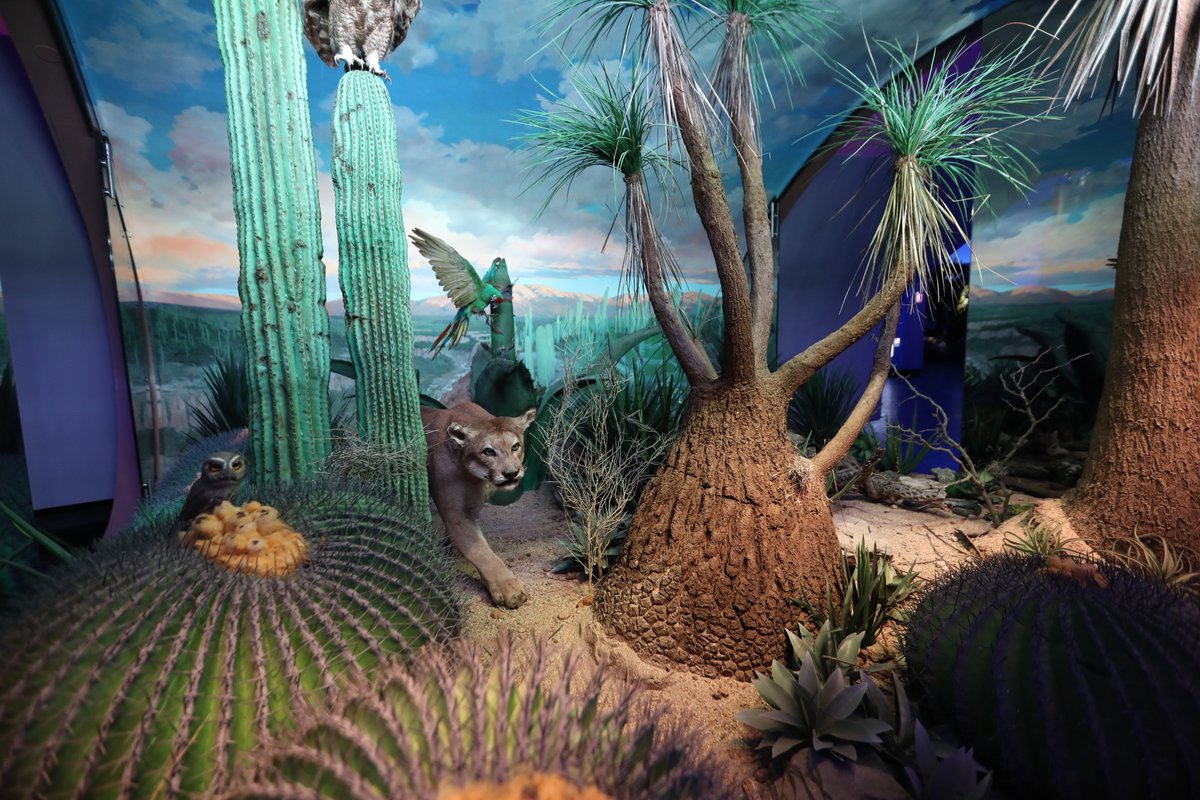
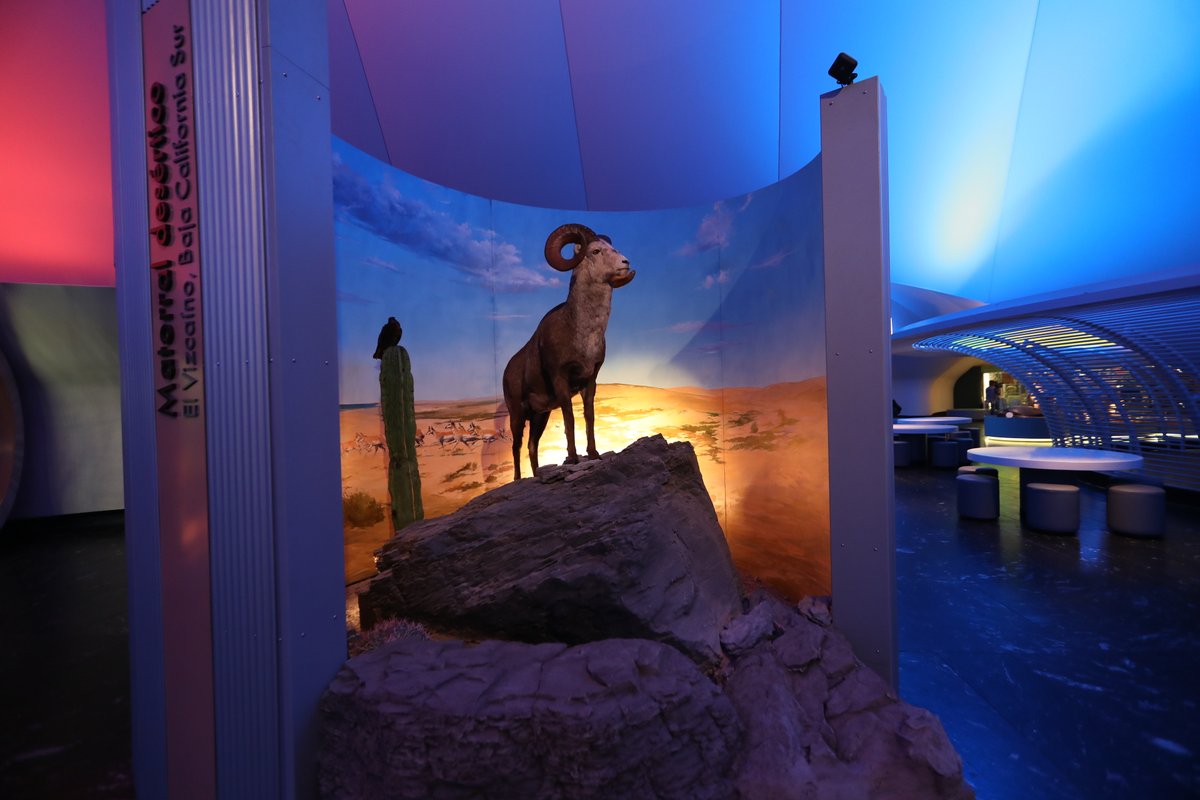
- Dioramas and Models: Detailed recreations of ecosystems such as rainforests, deserts, and wetlands.
- Diplodocus carnegii Skeleton: A dramatic centerpiece relocated to the museum in 1964.
- Cárcamo de Dolores: Features Diego Rivera’s mural and illustrates the intersection of art, engineering, and environmental stewardship (programadestinosmexico.com).
Environmental & Educational Initiatives
The museum offers regular workshops, guided tours, and outdoor programs to foster environmental education. The adjacent Chapultepec Center for Environmental Culture, opened in 2022, further extends its outreach and research activities (tipsparatuviaje.com).
Visitor Information
- Location: Circuito Correr es Salud s/n, Segunda Sección del Bosque de Chapultepec, Miguel Hidalgo, CDMX (museosdemexico.com).
- Hours: Tuesday to Sunday, 10:00–17:00.
- Tickets: General admission $25–34 MXN; discounts for students, teachers, children, seniors, and people with disabilities (sic.cultura.gob.mx).
- Accessibility: Fully wheelchair accessible; guided tours available.
- Recommended Visit: Allocate 2–3 hours; combine with nearby Chapultepec attractions.
Lago/Algo Cultural Center
Architectural Vision
Originally designed in 1964 by Guadarrama and Alfonso Ramírez Ponce as a lakeside restaurant, the building exemplifies Mexican mid-century modernism. It features a hyperbolic paraboloid concrete roof, open-plan interiors, and extensive glass walls, fostering a seamless connection between the structure and its natural surroundings (naso.mx).
Adaptive Reuse and Contemporary Role
After renovations in 1998 and a major transformation in 2022, Lago/Algo now functions as a cultural center with contemporary art exhibitions, culinary experiences, and community programming. The restoration preserved the “scars” and traces of previous adaptations, highlighting the building’s layered history (Archello).
Visitor Information
- Location: Second Section of Bosque de Chapultepec, easily reached from Constituyentes or Auditorio Metro stations.
- Hours: Tuesday to Sunday, 10:00–18:00; closed Mondays.
- Tickets: General admission free; special events or exhibitions may require tickets (lagoalgo.com).
- Dining: On-site restaurant with a menu focused on sustainable, locally sourced cuisine; reservations recommended.
- Accessibility: Wheelchair accessible, with ramps and elevators.
Tips
- Visit on weekdays or early mornings for a quieter experience.
- Check the official website for current exhibitions and events.
- Explore the lakeside setting and enjoy panoramic views from the restaurant.
Xochipilli Fountain
Historical & Cultural Context
Completed in 1964 and located along the Paseo de los Compositores, the Xochipilli Fountain pays tribute to the Mexica god of flowers, music, and the arts. Guadarrama’s design integrates robust modernist forms with indigenous symbolism, creating a contemplative public space (godinchilango.mx).
Architectural Features
- Water Jets: 165 jets form a dynamic display, especially striking when illuminated at night.
- Sculptural Elements: Walls with Eagle Warrior heads symbolize strength and the connection between earth and divinity.
- Setting: Shaded by mature trees, the fountain offers tranquility and is less crowded than other park areas (chapultepec.org.mx).
Visitor Information
- Location: Paseo de los Compositores, Bosque de Chapultepec II Sección.
- Hours: Open 24/7.
- Tips: Visit at dusk for the illuminated display; benches and walking paths make it ideal for reflection and photography.
Mexican Modernism and National Identity
Guadarrama’s work is emblematic of Mexican modernism’s fusion of international architectural trends with indigenous and nationalist motifs. His projects express a profound respect for heritage while embracing innovation, reflecting the aspirations of 1960s Mexico to forge a distinct urban and cultural identity.
Preservation and Contemporary Relevance
Major restoration efforts—including recent renovations at the Museo de Historia Natural and the adaptive reuse of Lago/Algo—demonstrate the continuing relevance of Guadarrama’s designs. These projects serve as models for sustainable heritage conservation and adaptive cultural programming in urban spaces (sedema.cdmx.gob.mx, naso.mx).
Visitor Insights and Tips
- Plan Ahead: Consult official websites for current hours, ticket policies, and event schedules.
- Combine Visits: All three sites are within Chapultepec Park; combine for a full day of exploration.
- Accessibility: All sites are wheelchair accessible.
- Photography: Allowed for personal use; avoid flash and tripods indoors.
- Dining: Reserve ahead for dining at Lago/Algo, especially on weekends.
Frequently Asked Questions (FAQ)
Q: How do I get to these sites?
A: All are within Chapultepec Park, accessible via Metro (Chapultepec, Auditorio, or Constituyentes stations) and public buses.
Q: Are guided tours offered?
A: The Museo de Historia Natural and Lago/Algo regularly offer guided tours and workshops; check their websites for schedules.
Q: Is there an admission fee?
A: General admission to Lago/Algo is free; the Museo de Historia Natural charges a nominal fee with discounts available.
Q: Are the sites family-friendly?
A: Yes, all locations welcome families and offer accessible facilities.
Nearby Attractions
Enhance your visit by exploring other Chapultepec Park highlights:
- Museo Nacional de Antropología
- Museo de Arte Moderno
- Papalote Children’s Museum
- Botanical Garden of Chapultepec
Final Tips
Alejandro Leonides Guadarrama’s architectural masterpieces in Mexico City invite visitors to experience the city’s cultural evolution through a lens of modern innovation and deep respect for heritage. With accessible visitor facilities, dynamic cultural programming, and a harmonious blend of history and design, the Museo de Historia Natural y Cultura Ambiental, Lago/Algo Cultural Center, and Xochipilli Fountain are essential destinations for travelers and architecture enthusiasts alike.
Plan your visit using official resources, reserve tickets when needed, and enjoy exploring the unique intersection of architecture, culture, and nature that defines these iconic sites. For updates, download the Audiala app and follow relevant organizations on social media.
Audiala2024
Listen to the full story in the app
The whole Arq. Alejandro Leonides Guadarrama,
told well.
Audio guides for 1,100+ cities across 96 countries. History, stories, and local insight — offline ready.
Verified, and shown.
Researched and written by the Audiala editorial team from historical records, architectural archives, and local expertise.
Researched from Wikidata, Wikipedia & official sources · fact-checked · How we make our guides →