Plan and listen to Alameda Central with Audiala.
Audio guide in your pocket, itinerary in your browser. Built for the way you actually visit.
Introduction
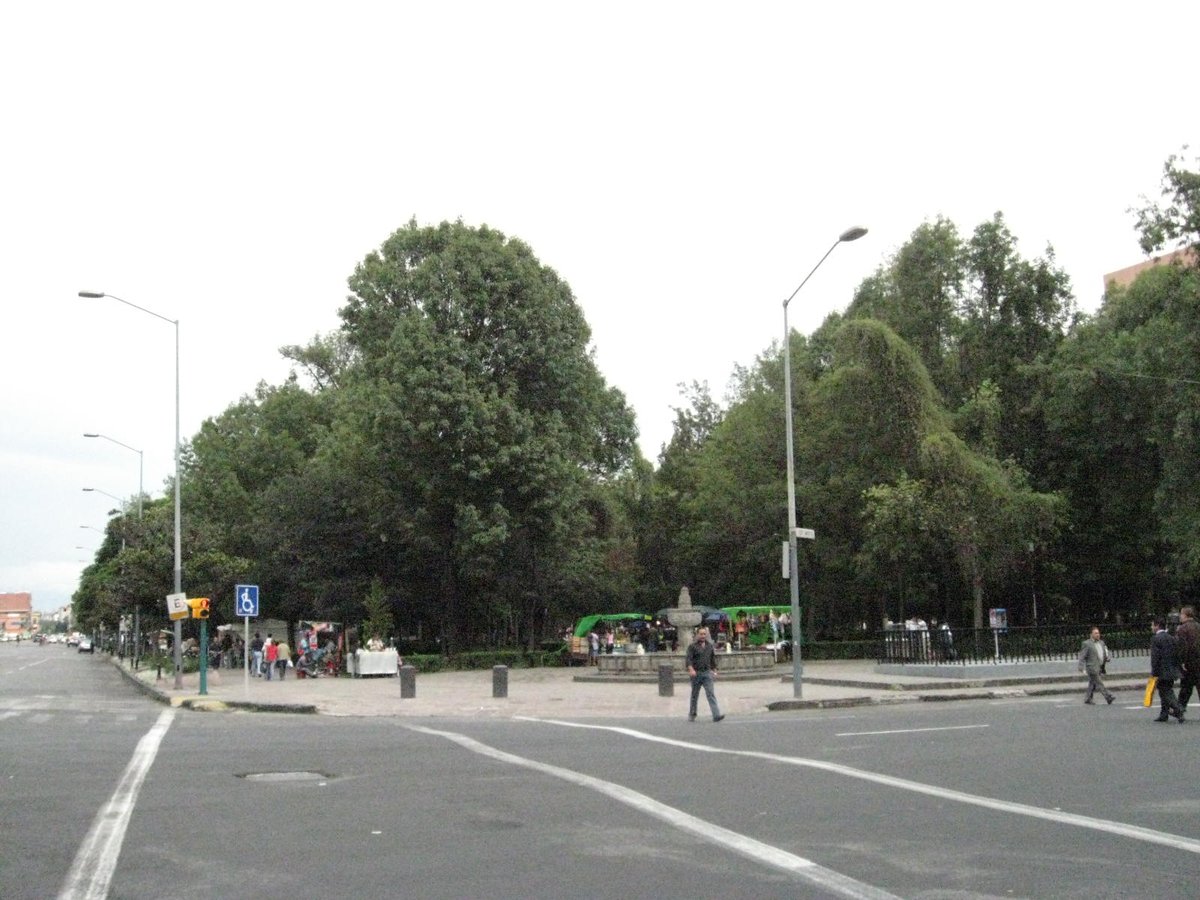
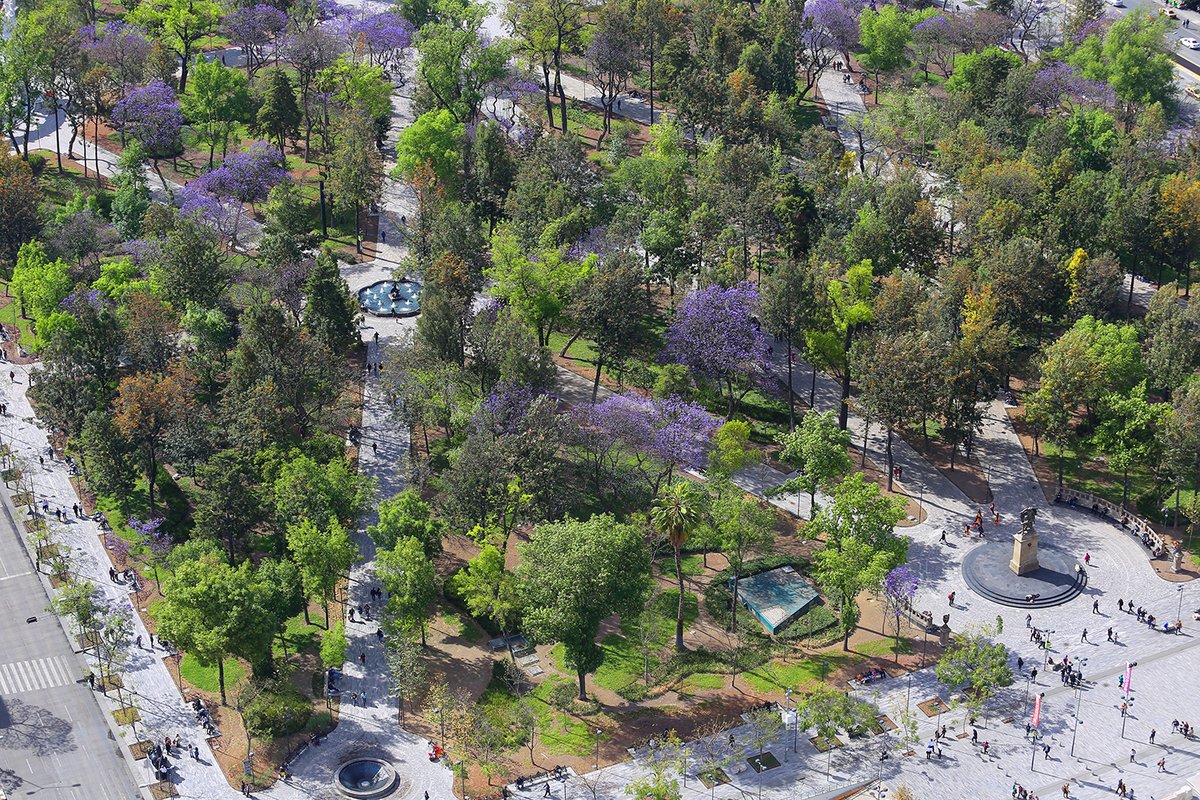
Alameda Central, located in the vibrant heart of Mexico City, is the oldest public park in the Americas and a living testament to Mexico’s rich history and culture. Founded in 1592, the park’s lush European-inspired gardens, neoclassical monuments, and artistic highlights make it a must-visit destination. Whether you’re interested in history, architecture, art, or simply want a peaceful urban retreat, Alameda Central offers an immersive experience for every visitor (source; source; source).

Historical Background
Origins and Colonial Development
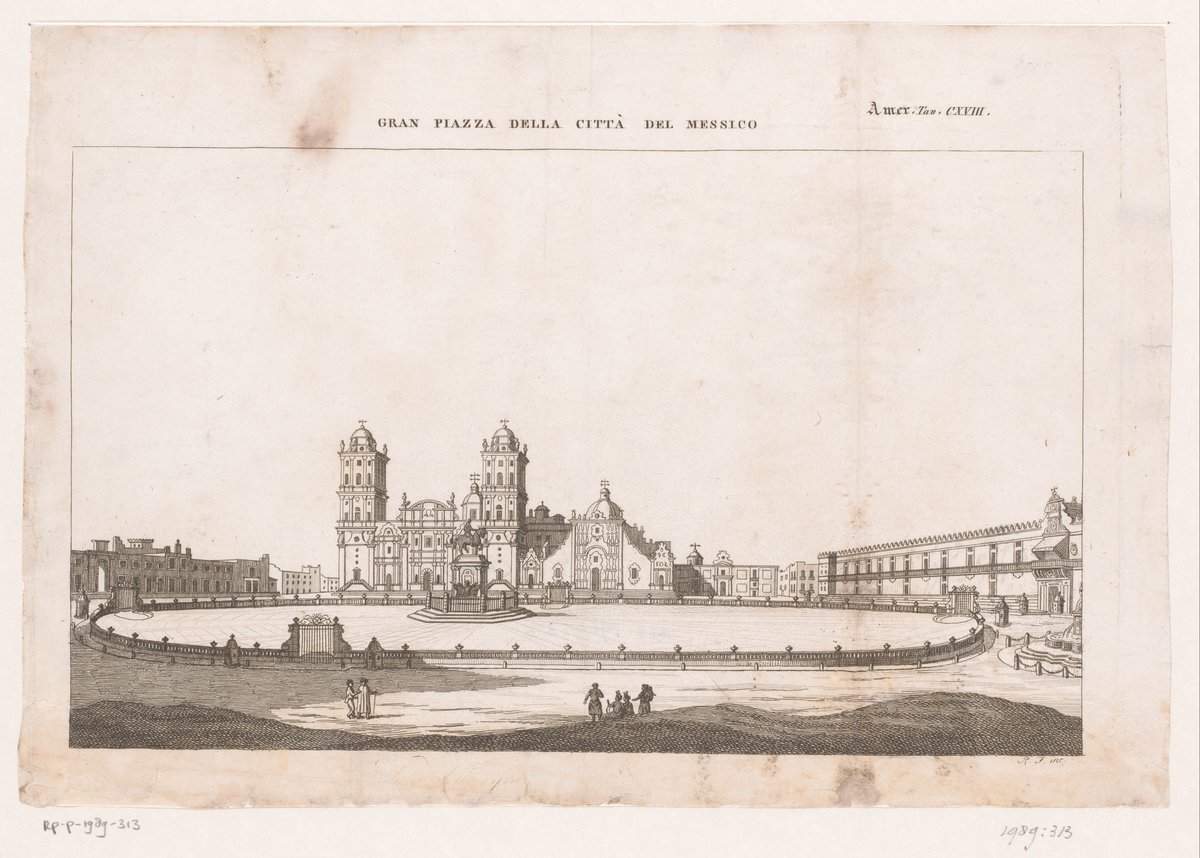
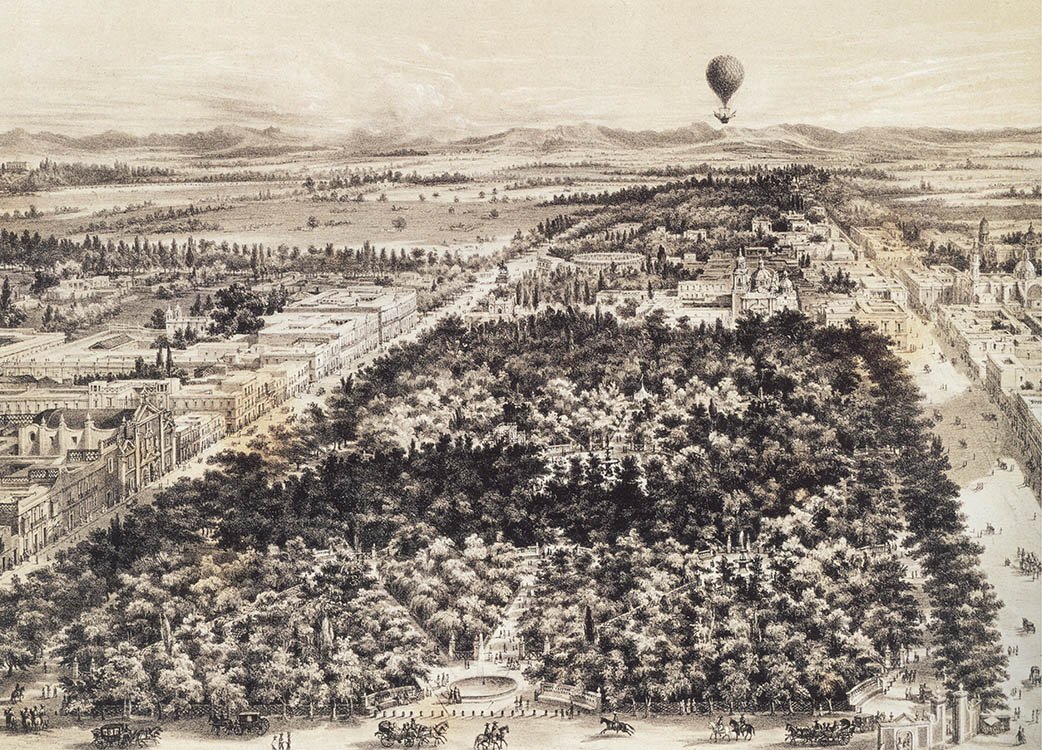
Alameda Central was established in 1592 by Viceroy Luis de Velasco as a shaded promenade for the Spanish elite, reflecting colonial urban planning ideals. Its name comes from the Spanish “álamo” (poplar tree), as the park was originally planted with poplars to provide shade. Situated near civic and religious landmarks, the park played a central role in public life from its inception (source).
19th and 20th Century Transformations
Throughout its history, Alameda Central evolved from an exclusive promenade to a public space for all social classes. During the Porfiriato (late 19th to early 20th century), the park underwent major renovations, adding European-style fountains, ornate statues, and the iconic Hemiciclo a Juárez monument. These enhancements reinforced the park’s role as a cultural and social gathering point and symbolize Mexico’s aspirations for modernization and national identity (source).
Visiting Alameda Central: Practical Information
Visiting Hours & Entry
- Hours: Open daily from 5:00 AM to 10:00 PM.
- Entry Fee: Free admission.
Accessibility
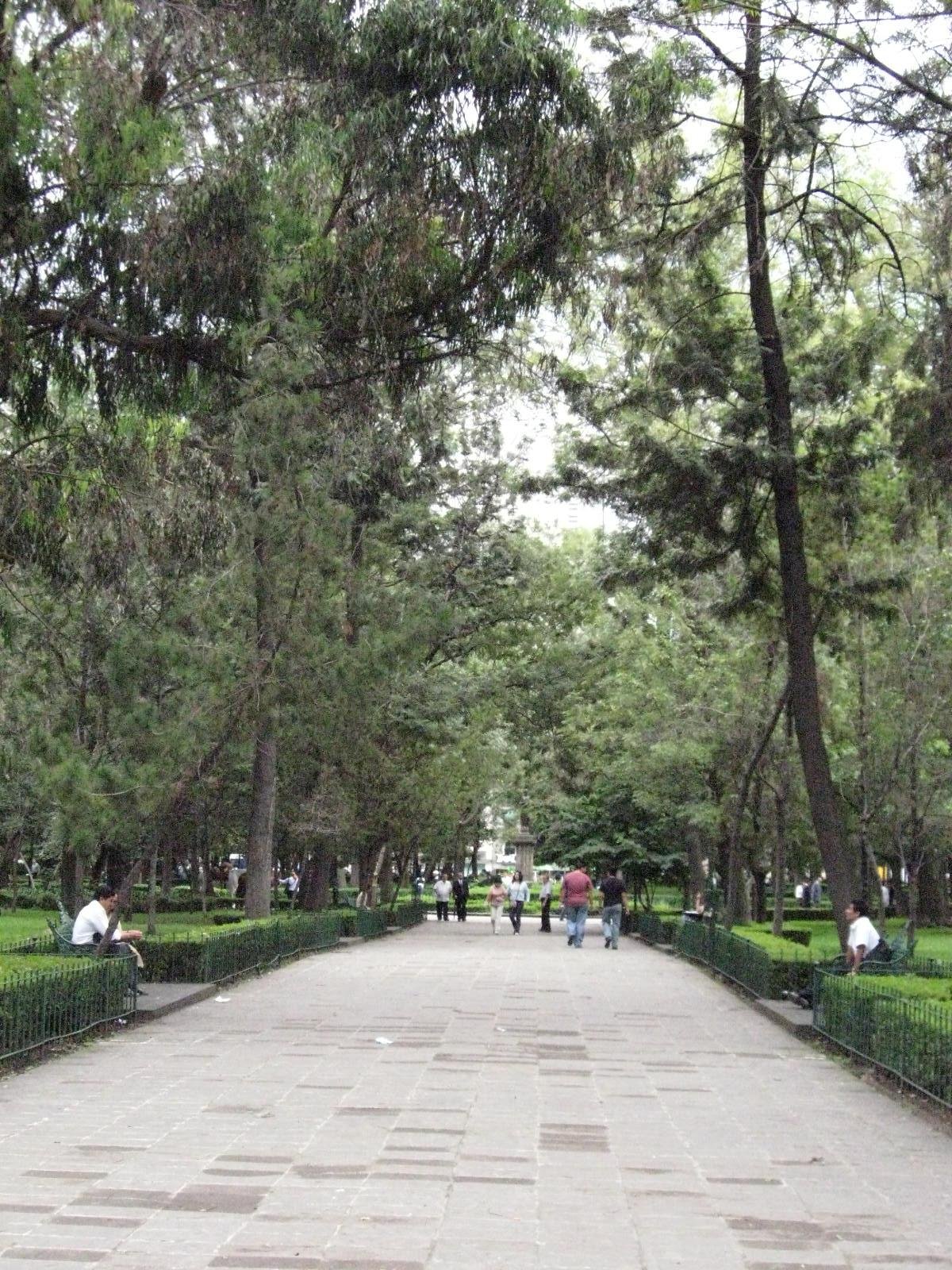
Alameda Central is fully wheelchair accessible, with paved pathways, ramps at entrances, and plentiful benches for rest.
Getting There
- Metro: Nearest stations are Bellas Artes (Lines 2 & 8) and Hidalgo (Lines 2 & 3), both a short walk away.
- Bus: Multiple lines serve the area around the park.
- Taxi/Rideshare: Taxis and rideshare apps provide direct access; EcoBici bike-share stations are also nearby.
Best Times to Visit
- Early mornings and late afternoons offer cooler temperatures and fewer crowds.
- Afternoons and weekends are lively with performers and families.
- Rainy season (June–September): bring an umbrella for afternoon showers (theunconventionalroute.com).
Key Attractions in and Around Alameda Central
Within the Park
- Hemiciclo a Juárez: A grand neoclassical monument celebrating President Benito Juárez, built in 1910.
- Fountains: Notable examples include the Neptune Fountain, Venus Fountain, and Spring Fountain, adorned with classical and mythological figures (Lonely Planet).
- Statues: Commemorate national heroes and cultural icons, set among tree-lined walkways and gardens.
Nearby Landmarks
- Palacio de Bellas Artes: Mexico’s premier cultural venue for art, opera, and ballet. Its marble-clad architecture and interior murals by Diego Rivera and Rufino Tamayo are must-sees (Journey to Mexico).
- Museo Mural Diego Rivera: Houses Rivera’s mural "Sueño de una tarde dominical en la Alameda Central," depicting over 400 years of Mexican history (Romexico).
- Torre Latinoamericana: Iconic skyscraper with panoramic city views from its observation deck.
- Museo Nacional de Arte (MUNAL): A neoclassical building displaying Mexican art from the 16th to 20th century.
Art, Culture, and Events
Alameda Central is a vibrant hub for cultural and social activities:
- Public Events: Open-air concerts, art fairs, and traditional celebrations, especially during national holidays such as Día de los Muertos and Independence Day.
- Street Performers: Musicians, dancers, and artists create a lively atmosphere, particularly on weekends.
- Community Gatherings: The park serves as a meeting point for social movements and community events, reflecting Mexico City’s diverse character.
Photographic Highlights
- Hemiciclo a Juárez: Best photographed in the soft light of morning or at dusk.
- Fountains and Statues: Capture details of the ornate sculptures and water features.
- Palacio de Bellas Artes: For a panoramic shot, visit the Sears café across the street.
- Seasonal Decor: During major holidays, the park features colorful installations and decorations.
Guided Tours and Special Events
- Guided Walking Tours: Available through various operators, offering historical insights and context.
- Workshops and Art Tours: Occasionally offered by local historians and artists.
- Event Listings: Check cdmxtravel.com for up-to-date schedules.
Conservation and Modern Features
Ongoing restoration projects have preserved Alameda Central’s heritage while adding modern amenities:
- Lighting: Elegant lamp posts ensure safety after dark.
- Wi-Fi: Free public Wi-Fi is available in the park.
- Maintenance: Regular care keeps gardens, fountains, and pathways in excellent condition (Mexico City Official Guide).
Alameda Central’s Role in Mexico City
As a green lung and social heart of the city, Alameda Central exemplifies Mexico City’s dedication to integrating public spaces with urban life. It connects the city’s past—Aztec, colonial, and modern—with the everyday experiences of residents and visitors (source).
Frequently Asked Questions (FAQ)
Q: What are Alameda Central’s visiting hours?
A: 5:00 AM to 10:00 PM daily.
Q: Is there an entrance fee?
A: No, the park is free to enter.
Q: Are guided tours available?
A: Yes, through local operators and community groups.
Q: Is the park wheelchair accessible?
A: Yes, with paved paths and ramps.
Q: What is the best way to get there?
A: The Bellas Artes and Hidalgo Metro stations are closest, with taxis and buses also readily available.
Q: Are pets allowed?
A: Yes, on a leash.
Q: Where can I find information about events?
A: Visit cdmxtravel.com for official event listings.
Listen to the full story in the app
The whole Alameda Central,
told well.
Audio guides for 1,100+ cities across 96 countries. History, stories, and local insight — offline ready.
Verified, and shown.
Researched and written by the Audiala editorial team from historical records, architectural archives, and local expertise.
Researched from Wikidata, Wikipedia & official sources · fact-checked · How we make our guides →