Plan and listen to Aeropuerto Internacional Benito Juárez with Audiala.
Audio guide in your pocket, itinerary in your browser. Built for the way you actually visit.
Introduction
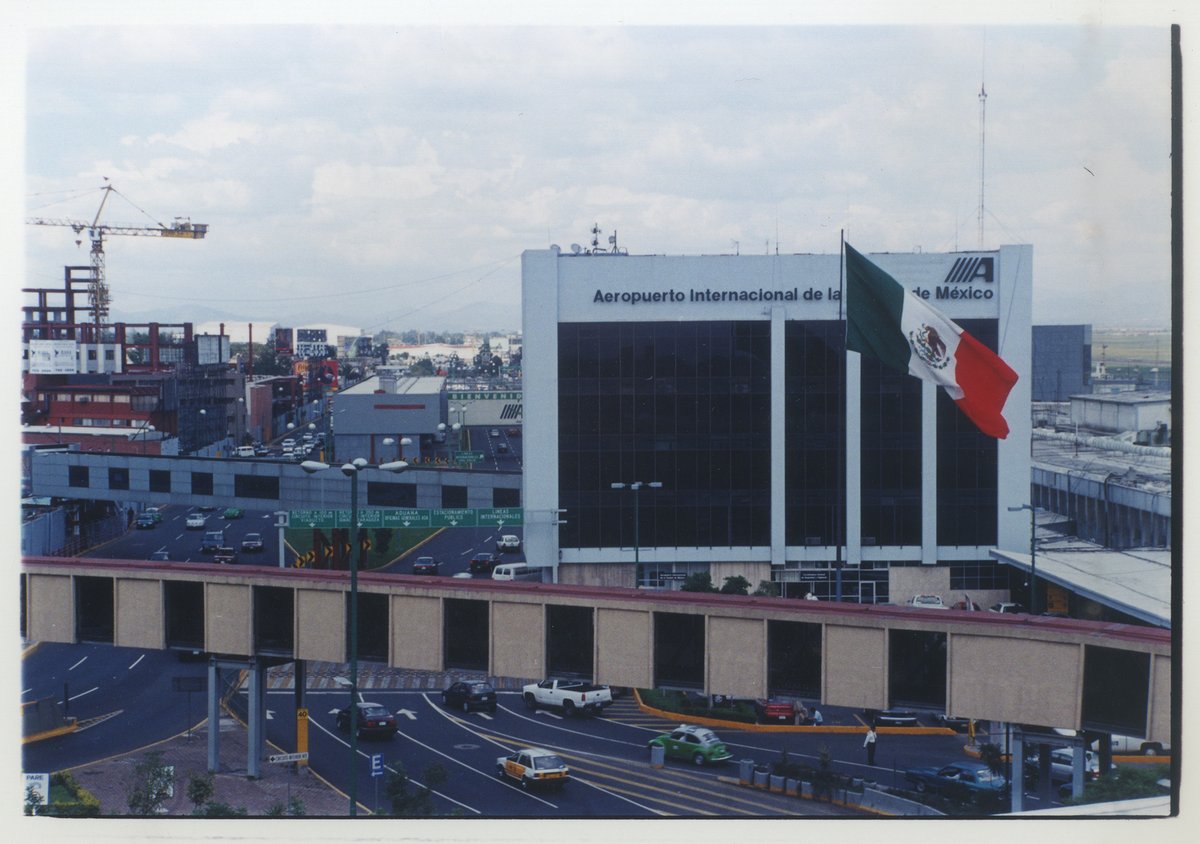
Mexico City International Airport—officially Aeropuerto Internacional Benito Juárez (AICM)—stands as the primary aviation hub for Mexico’s capital and is among the busiest airports in Latin America (Wikipedia; Tuaeropuerto). Since its inauguration in 1931, AICM has grown into a sprawling complex handling more than 45 million passengers annually. Situated just five kilometers east of Mexico City’s historic center, the airport offers travelers convenient access to world-renowned cultural landmarks.
Named for Benito Juárez, a revered 19th-century president and national hero, AICM is both a vital transportation node and a cultural gateway, symbolizing Mexico’s history and identity (Airport Technology). The airport features two major terminals, connected by a dedicated shuttle train, extensive passenger amenities, and comprehensive accessibility services. Despite continual modernization, the airport faces persistent challenges related to urban density and capacity, prompting the development of complementary facilities like Felipe Ángeles International Airport (Two Travel).
This guide provides a detailed overview of AICM’s history, cultural importance, operational details, visitor information, transportation options, and nearby attractions. Whether you are a first-time visitor or a seasoned traveler, this resource will help you navigate Mexico City International Airport and make the most of your journey (Mexico City International Airport Visiting Hours, Tickets, and Traveler Guide).










Airport History and Cultural Significance
Origins and Early Development
AICM was inaugurated in 1931 as the Central Airport of Mexico City, originally serving as a modest airfield in the Venustiano Carranza borough (Wikipedia; Tuaeropuerto). By the 1970s, it had expanded to become the nation’s primary aviation hub, driven by Mexico City's rapid growth and the increasing demand for both passenger and cargo services.
Naming and Symbolic Importance
In 2006, the airport was officially named after Benito Juárez, reinforcing its role as a symbol of Mexico’s heritage and modernity (Airport Technology). This renaming underscores not only its function as an international gateway but also its place as a site of national pride.
Expansion and Modernization
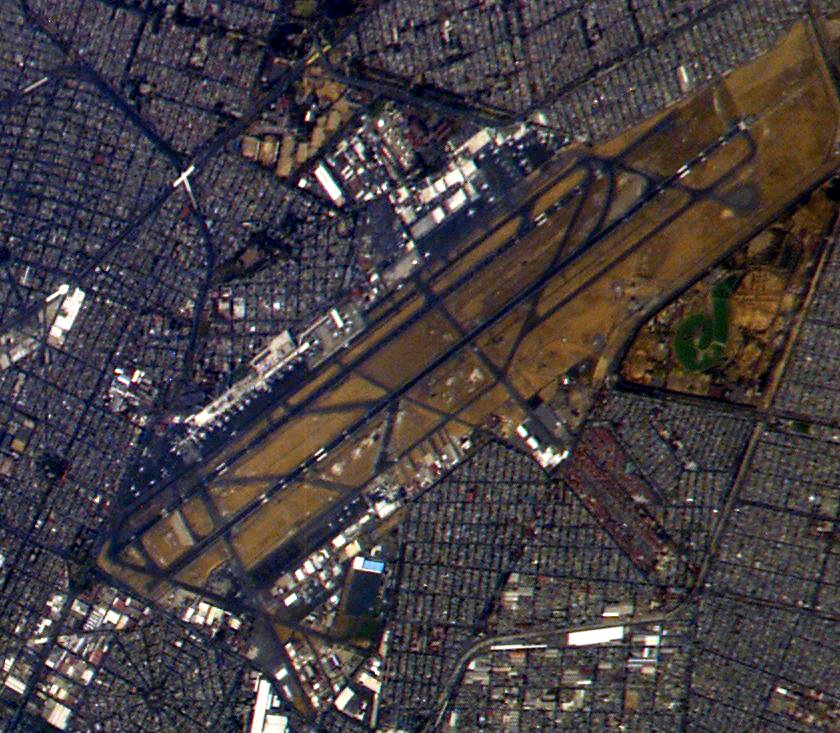
AICM has undergone multiple expansions. Major milestones include the construction of Terminal 2 in 2007, which increased total capacity and introduced modern amenities such as a five-star hotel and improved parking (Airport Technology). Terminals 1 and 2 are connected by the Aerotrén, a 3-kilometer shuttle train. The airport operates two parallel runways at an elevation of 2,238 meters, making it one of the world’s highest major airports (Airport Technology).
Urban density and limited space have constrained further expansion, including the cancellation of a third runway, contributing to operational congestion (Wikipedia).
Role in Connectivity and Economic Impact
National and International Hub
AICM is Mexico’s busiest airport and a key hub for Aeroméxico, Volaris, and VivaAerobús, with over 100 worldwide destinations (Wikipedia; Tuaeropuerto). Major global airlines operate here, connecting passengers across the Americas, Europe, Asia, and the Middle East.
Cargo and Economic Contribution
Historically significant in air freight, the airport shifted cargo operations to nearby facilities in 2023 to reduce congestion (World Data). AICM supports over 35,000 direct jobs and an additional 15,000 indirectly, highlighting its economic importance (Airport-Mex).
Visitor Information
Visiting Hours
AICM operates 24/7. Most airline counters, shops, and services are open from early morning to late evening, but travelers should consult the airport website or mobile app for specific hours.
Ticketing Information
Tickets can be purchased directly from airline websites, authorized travel agencies, or online booking platforms. Advanced booking is recommended during peak travel periods for the best fares and availability.
Accessibility Features
The airport offers comprehensive accessibility services, including wheelchair assistance, priority check-in, accessible restrooms, and elevators in both terminals. Notify your airline in advance if you require special accommodations (Two Travel).
Transportation and Nearby Attractions
AICM is just five kilometers from the historic city center. Transportation options include:
- Official airport taxis
- Metro Line 5 (Terminal Aérea station)
- Metrobus Line 4 (connecting to the city center)
- Airport buses and shuttles
- Ride-sharing services (Janine in the World)
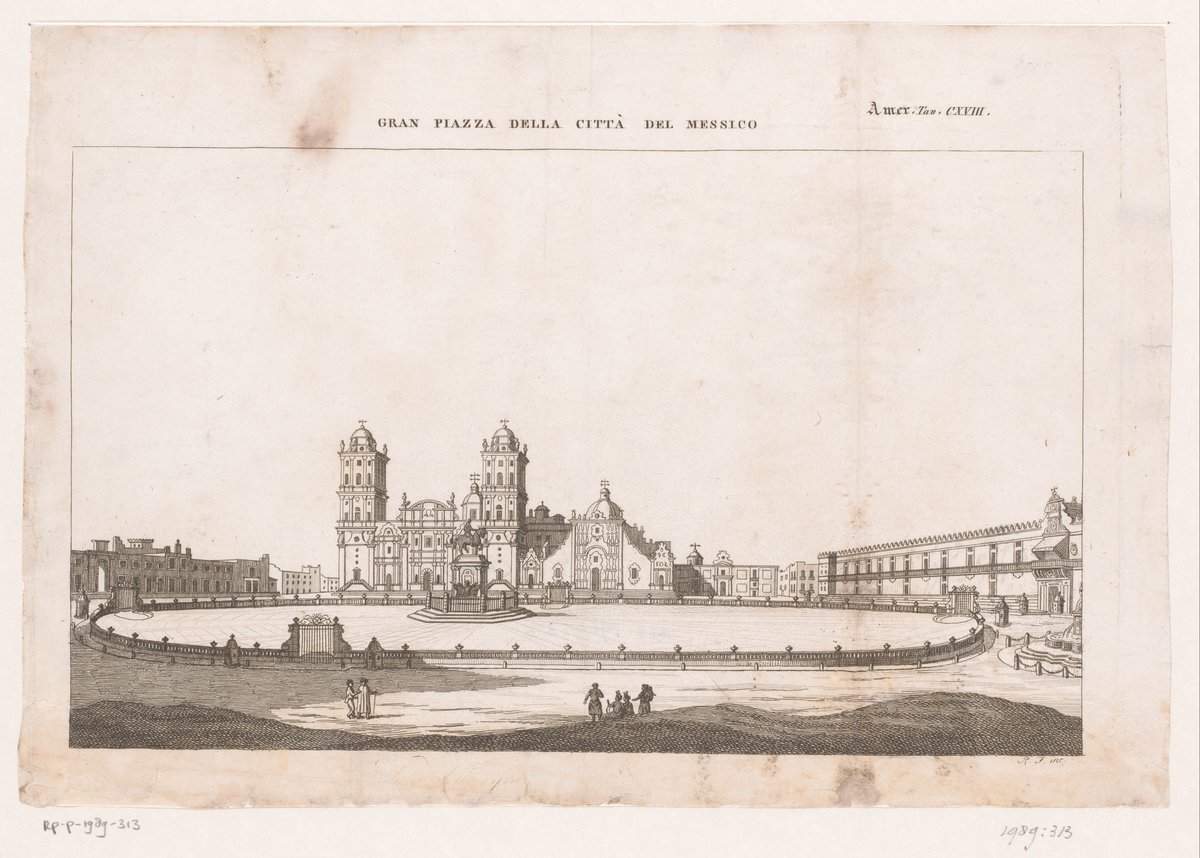
Nearby attractions are easily accessible and include the Zócalo, National Museum of Anthropology, and Chapultepec Park.
Challenges and Improvement Efforts
Capacity and Operational Constraints
By the early 2020s, AICM reached its maximum operational capacity, leading to government-imposed limits on hourly flight operations (Wikipedia). To mitigate congestion, some flights were shifted to alternative airports, and general aviation was relocated.
Modernization Initiatives
Significant renovation projects are underway, including expanded check-in areas, upgraded baggage systems, and improved accessibility, with completion expected by mid-2026 (Airport Technology). Felipe Ángeles International Airport (AIFA), opened in 2022, complements AICM by handling additional domestic flights (Two Travel).
Facilities and Passenger Experience
Both terminals provide a wide range of amenities: restaurants, shops, VIP lounges, hotels, and modern conveniences. The Aerotrén offers efficient transfers between terminals, and the airport is equipped to accommodate large aircraft, such as the Airbus A380 (Airport Technology).
Security protocols are rigorous, and travelers are advised to arrive at least three hours before international departures to allow time for check-in, security, and customs.
Frequently Asked Questions (FAQ)
Q: What are the airport’s visiting hours?
A: The airport is open 24/7, but individual services and shops may have variable hours.
Q: How do I buy tickets?
A: Tickets are available via airline websites, travel agencies, and online booking platforms.
Q: Are accessibility services available?
A: Yes, AICM offers comprehensive accessibility features including wheelchair assistance and accessible restrooms.
Q: What is the best way to reach downtown Mexico City from the airport?
A: Metro Line 5, Metrobus Line 4, authorized taxis, and ride-sharing apps are all available.
Q: What nearby historical sites should I visit?
A: The Zócalo, National Museum of Anthropology, Chapultepec Park, and Palacio de Bellas Artes are all easily accessible from the airport.
Plan Your Visit: Essential Tips
- Book tickets early, especially during peak seasons.
- Arrive at least 2–3 hours before international flights.
- Use authorized transportation services.
- Check your terminal and gate in advance.
- Download the airport’s official app for real-time updates.
- Explore nearby cultural sites if you have a layover.
Summary
Benito Juárez International Airport remains a cornerstone of Mexico’s aviation infrastructure and cultural identity. Despite ongoing challenges related to capacity and urban constraints, continuous investment in modernization, accessibility, and alternative airports is shaping a more efficient and traveler-friendly experience (Wikipedia; Airport Technology). With comprehensive services, convenient transportation, and proximity to world-class cultural landmarks, AICM is more than just a transit hub—it is the gateway to exploring the heart of Mexico.
Listen to the full story in the app
The whole Aeropuerto Internacional Benito Juárez,
told well.
Audio guides for 1,100+ cities across 96 countries. History, stories, and local insight — offline ready.
Verified, and shown.
Researched and written by the Audiala editorial team from historical records, architectural archives, and local expertise.
Researched from Wikidata, Wikipedia & official sources · fact-checked · How we make our guides →