Introduction
The first thing that hits you in Mérida, Mexico is the sound of marimbas echoing off 16th-century stone at 2 p.m.—lunchtime, not cocktail hour—while the air smells of sour-orange pork drifting from a market stall older than your home country. A woman in embroidered huipil glides past the cathedral, phone to ear, negotiating agave prices in Mayan.
This is the Yucatán capital that guidebooks call the 'White City' because of the limestone façades; locals joke it's because no one is ever in a hurry to get dirty. Streets are numbered but the logic is colonial: odd calles run north-south, even run east-west, and every third doorway hides a courtyard where vines drip onto marble angels. Heat dictates tempo—merchants close at 1 p.m., reopen at 4; the city exhales, then returns sharper, cooler, scented with night-blooming nicotiana.
Mérida earns its reputation for calidez—warmth—by refusing to freeze anything in time. You can breakfast on 2,000-year-old tamales in Lucas de Gálvez market, lunch on Dutch Edam relleno in a mansion built with henequen profits, and end the night drinking mezcal cocktails while a brass band plays bolero in Parque Santa Lucía. The Mayan language you hear on the street is the same one carved on the glyphs inside the Gran Museo del Mundo Maya, only now it's ordering Uber Eats.
Come Sunday, the Paseo de Montejo becomes a 3-km bicycle living room: kids on pink Huffys, abuelos on carbon-frame Treks, all guarded by volunteer traffic cops who still wear the sashes of 19th-century militia. The city’s real museum is motion—bike tires humming past Beaux-Arts palaces, trova trios trading songs with car horns, the smell of marquesita batter crisping against iron. Stay still too long and Mérida will politely roll you forward; the heat, the music, the lime juice on your wrist insist.
Places to Visit
The Most Interesting Places in Mérida

Monumento a La Patria
The Monumento a la Patria in Mérida, Yucatán, Mexico, is an iconic landmark that offers a profound insight into the rich cultural heritage and history of…
Cenote Xlaca
Discover the rich history and cultural significance of the Zona Arqueológica de Dzibilchaltún, one of the most ancient and important archaeological sites near…

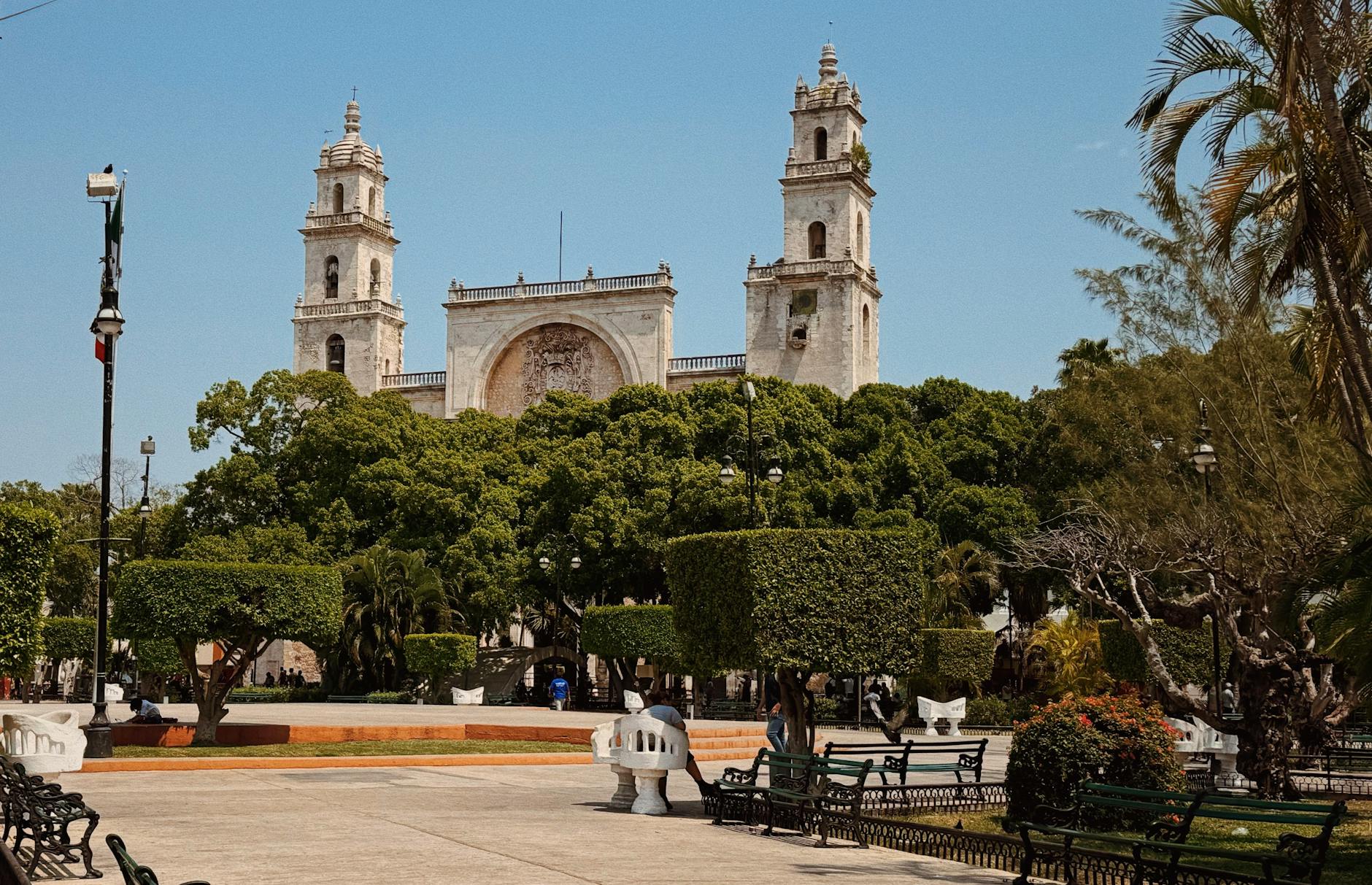
Mérida Cathedral
Mérida Cathedral, officially known as the Cathedral of San Ildefonso, stands as a monumental symbol of the Yucatán Peninsula’s rich and complex history.
Merida'S City Museum
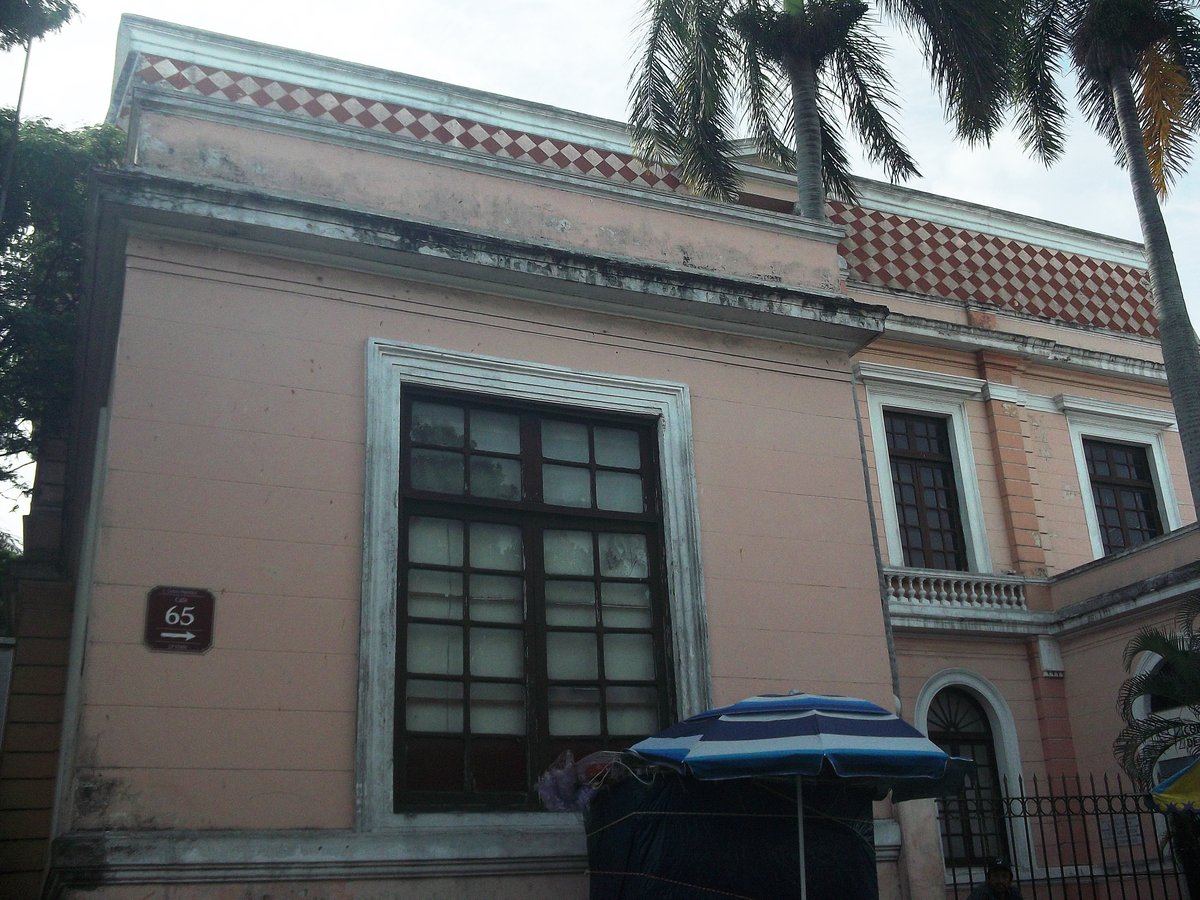
Welcome to the Museo de la Ciudad de Mérida, a fascinating cultural institution located in the heart of Mérida, Mexico.
Dzibilchaltun
Situated just a short 16-kilometer journey north of Mérida, Dzibilchaltún is one of the Yucatán Peninsula’s most captivating Maya archaeological sites,…
Korean Immigration Museum
Discover the rich and intriguing history of the Museo Conmemorativo de la Inmigración Coreana in Mérida, Mexico.

Kukulkán Baseball Stadium
Nestled in the vibrant city of Mérida, Yucatán, Kukulkán Baseball Stadium—officially known as Parque Kukulkán Álamo—stands as a premier destination for both…

Museo De La Canción Yucateca Asociación Civil
Nestled in the culturally rich heart of Mérida, Mexico, the Museo De La Canción Yucateca Asociación Civil stands as a unique and vital institution dedicated…

Estadio Carlos Iturralde
Estadio Carlos Iturralde Rivero stands as a cornerstone of Mérida, Yucatán’s vibrant sports and cultural scene, attracting football fans, concertgoers, and…

Gran Museo Del Mundo Maya
The Gran Museo del Mundo Maya, situated in the lively city of Mérida, Yucatán, Mexico, represents a monumental tribute to the ancient and enduring Maya…

Equestrian Monument to Pedro Infante
Nestled in the historic heart of Mérida, Yucatán, the Equestrian Monument to Pedro Infante stands as a profound tribute to one of Mexico’s most cherished…
Teatro Carlos Acereto
Nestled in the cultural heart of Mérida, Yucatán, Teatro Carlos Acereto stands as a vibrant emblem of the region’s rich artistic heritage and community spirit.
What Makes This City Special
Paseo de Montejo Mansions
The henequen boom built this 3-kilometre boulevard of marble and French ironwork; El Pinar’s turrets once hosted Jackie Kennedy. Sunday’s Biciruta closes the avenue to cars so you can coast past these sugar-cake palaces without sweating traffic.
Living Mayan Culture
Weekend nights in Plaza Grande, actors in white huipiles stage costumed leyendas under the 1568 cathedral’s new LED glow. Inside MACAY, contemporary Maya painters answer the conquistadors’ stone with fluorescent canvases hung 30 cm from 16th-century buttresses.
Cenotes Ring
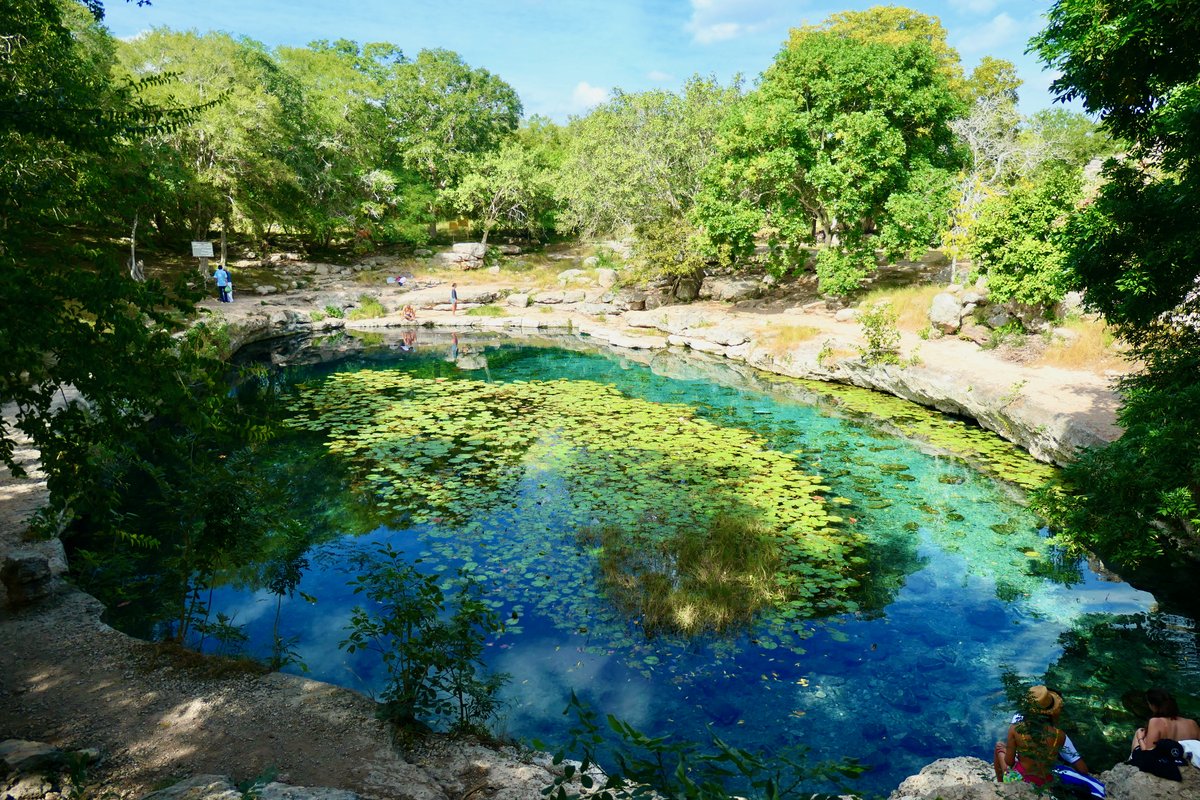
A 66-million-year-old meteor punched the Ring of Cenotes around Mérida—swim in Homún where farmers lower you on wooden pulleys into caves lit only by lily-filtered sun. The water stays 24 °C year-round; bring goggles to watch blind cave fish nip at your shadow.
Historical Timeline
From Maya T’ho to Mérida: A City Rebuilt on Its Own Ruins
Five hills, three conquests, and one stubborn tropical light
T’ho Rises
Maya masons lay the first limestone blocks of T’ho, 'City of Five Hills.' Pyramids throw morning shadows across plazas where traders barter salt from the coast and obsidian from the highlands. The stone axes found beneath today’s post office are still sharp enough to split skin.
Montejo Plants the Spanish Flag
Francisco de Montejo the Younger chooses the main Maya ceremonial platform for his new plaza. The conquistadors’ arquebus smoke drifts over dismantled pyramids whose stones will be re-cut for cathedrals. January 6 mass is celebrated inside a thatched chapel ringed by rubble.
Great Maya Rebellion
At dawn on November 8, Maya warriors swarm the Spanish quarter. They fail to take the fortress-churches, but the smell of burnt cedar rafters lingers for weeks. Reprisals are methodical: 200 noble Maya families marched in chains to the plaza and beheaded before the cathedral foundations.
Casa de Montejo Finished
Plateresque façades gleam white above the main square, their stone-carved conquistadors still crushing Maya skulls underfoot. The building doubles as fortress and residence; loopholes face the jungle that has not yet given up. Locals call it the ‘House of the Lions’ because the chained beasts in the doorway snarl at every passer-by.
San Ildefonso Consecrated
The first cathedral on the American mainland opens its cedar doors. Inside, the altarpiece glitters with gold melted down from Maya pectorals. Outside, the bell’s inaugural toll sends flocks of turquoise motmots wheeling above the plaza—an echo older than any hymn.
Coat of Arms Granted
Philip III’s courier arrives with a parchment bearing two lions and a crowned castle. The parchment is read aloud in Castilian, then translated into Maya—badly. The translator is fined three pesos for skipping the bit about ‘loyalty to the Crown.’
Eligio Ancona Born
A child’s first cry rises above the ink-stained print shop on Calle 60. He will grow up to chronicle the peninsula’s past in five volumes, sneaking chapters past Spanish censors who still flinch at the word ‘rebellion.’ His novels sell in weekly installments outside the mercado, wrapped around corn husks.
Caste War Ignites
The plaza’s evening promenade shatters when a Maya patrol hacks down three creole shopkeepers. Within weeks the eastern roads belong to the rebels; Mérida’s women sew sandbags for barricades. Henequen prices triple overnight—no one yet realizes the fiber will soon buy French chandeliers.
Carlos R. Menéndez Arrives
The 24-year-old journalist steps off the steamer from Havana with a crate of type and a conviction that Yucatán deserves its own daily voice. Two years later Diario de Yucatán hits the streets, four pages, one ink smudge per household. His editorials against Governor Molina earn him three duels—he loses only one.
Palacio de Gobierno Opens
Electric bulbs flicker above the arcade for the first time, casting a theatrical glow on murals that won’t arrive for another forty years. The courtyard’s Moorish arches frame a mango tree whose roots already seek the old Maya stones below. Clerks complain the marble echoes too much; their footsteps sound like second thoughts.
Carlos Torre Repetto Born
In a pastel house on Calle 59, a boy learns chess on a board carved from henequen crates. By twenty he is defeating grandmasters in New York cafés, returning only to have his mother scold him for forgetting sunscreen. The city still plays the Sicilian Dragon in his honor during park tournaments.
Peón Contreras Theatre Debuts
The curtain lifts on Verdi’s Rigoletto before an audience sweating through silk. Outside, the new tram lines clang past mansions whose owners measure wealth in rope exports. The chandelier—imported from Venice—weighs more than a fully-loaded henequen wagon.
Fernando Castro Pacheco Born
The midwife notes the infant’s long fingers—‘good for holding brushes.’ By 1970 those fingers will cover the Government Palace walls with murals of burning convents and Maya gods wearing Spanish helmets. Schoolchildren still swear the eyes follow truants down the corridor.
Armando Manzanero Born
A lullaby drifts from the radio in the maternity ward: ‘Adoro’ won’t be written for another nineteen years, but the chords are already in the air. The boy will sell his first bolero for fifteen pesos and a sandwich, then conquer Carnegie Hall with songs that sound like the tropics feel—humid, inevitable.
Pope John Paul II Visits
The plaza swells with 500,000 pilgrims—more people than lived in T’ho at its height. The Pope’s white cassock flutters against the 400-year-old cathedral façade, a living contradiction to the stone conquistadors next door. Street vendors sell plastic rosaries next to hammocks; both sell out.
Tren Maya Arrives
The station’s cantilever roof references Maya vaulting without copying it. Archaeologists rushed ahead of track-layers, uncovering Ichkabal’s stepped platforms that rewrite the Classic Maya collapse. The first train’s whistle echoes exactly where T’ho’s market drums once sounded—history refusing a straight line.
Notable Figures
Armando Manzanero
1935–2020 · ComposerHe wrote ‘Somos Novios’ on a piano that still sits in Casa Manzanero on Paseo 60; today the museum lets visitors remix his boleros with touch-screens. The city plays his songs from municipal speakers every Sunday—Mérida’s soundtrack is literally his.
Fernando Castro Pacheco
1918–2013 · MuralistHis explosive murals inside the Government Palace turn the Caste War into comic-book panels—Mayan warriors in turquoise, Spaniards in blood-red. If he walked the halls now he’d approve the new LED system that makes his pigments glow like wet paint.
Carlos Iturralde Rivero
1926–2004 · FootballerStill the only Yucatecan to captain the national team; locals call the stadium that bears his name ‘El Iturralde’ with possessive pride. He’d grin at the food stands outside selling panuchos shaped like tiny footballs.
Carlos Torre Repetto
1904–1978 · Chess GrandmasterLearned the game on Plaza Grande’s stone tables under the ceiba trees; at 21 he stunned New York by beating Capablanca. Today the park’s retirees play blitz on those same boards, still calling the central bench ‘la silla de Torre.’
Henry Martín
born 1992 · FootballerThe striker who left Mérida for Club América still returns each off-season to eat cochinita at Mercado Santiago, signing tortillas for kids who wear his jersey over Mayan huipiles.
Photo Gallery
Explore Mérida in Pictures
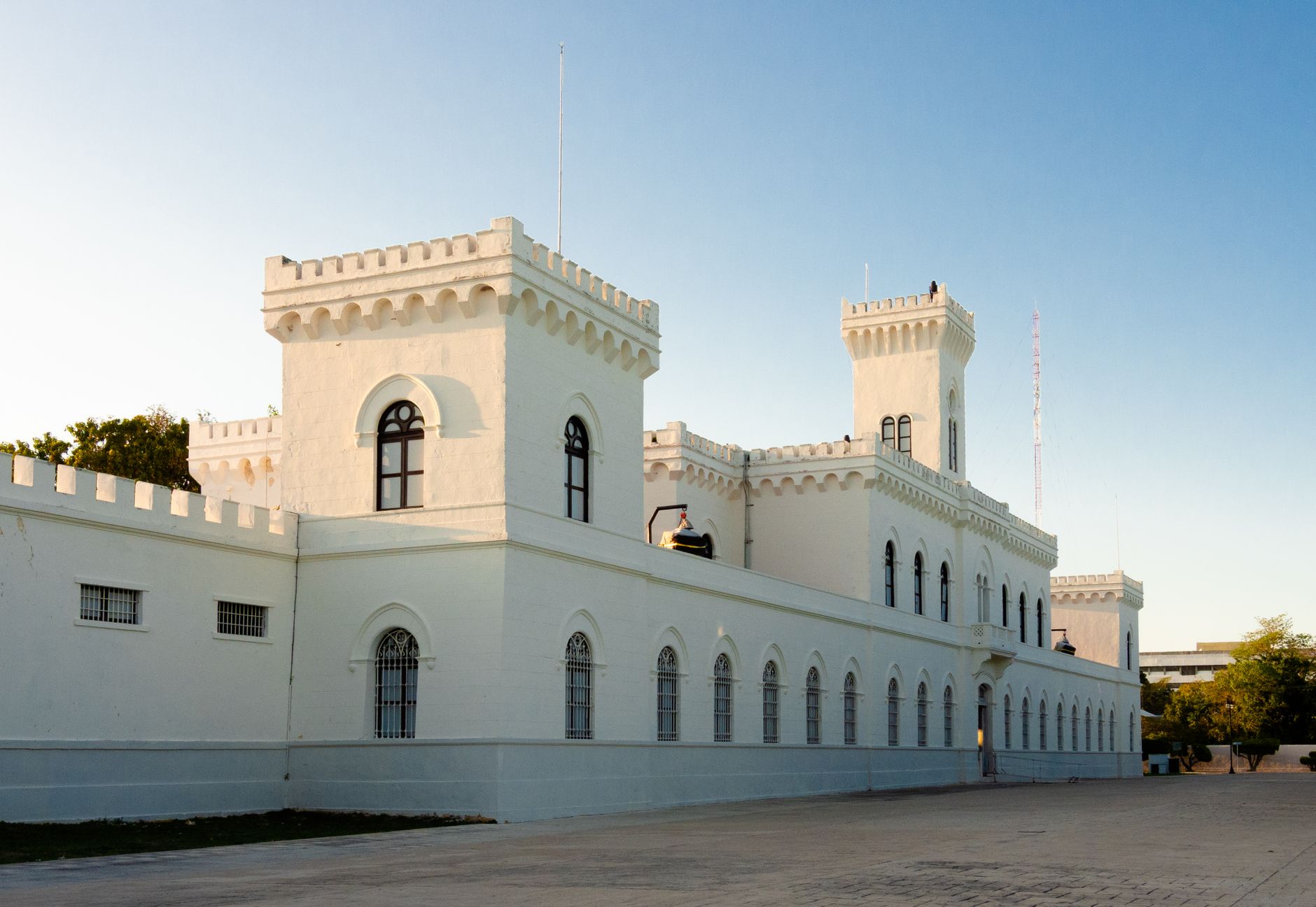
The historic Penitenciaría Juárez in Mérida, Mexico, showcases impressive colonial-era fortress architecture bathed in the warm light of the late afternoon sun.
Raul Mex on Pexels · Pexels License
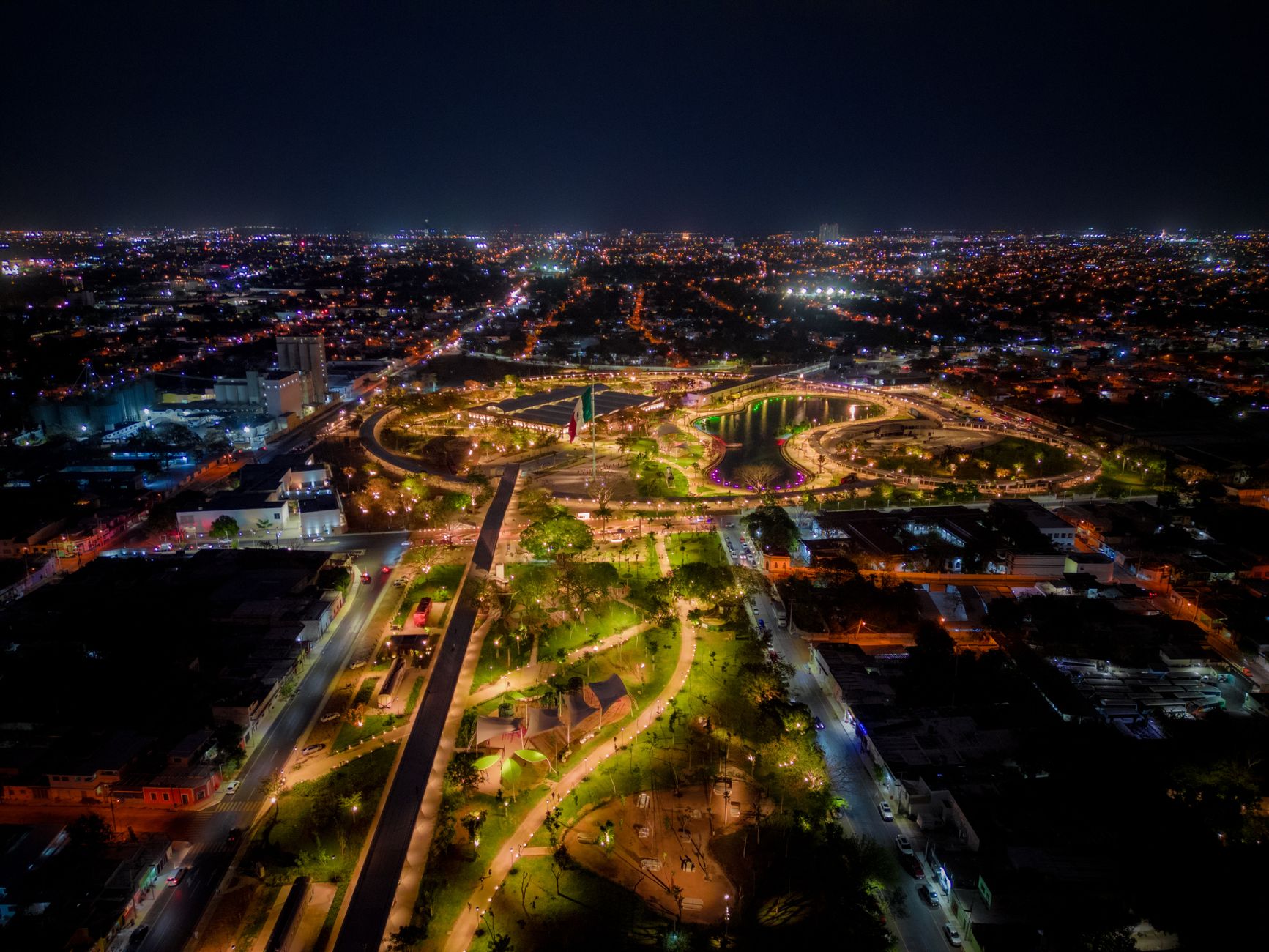
An illuminated aerial view of the vibrant Parque de la Plancha at night, showcasing the modern urban landscape of Mérida, Mexico.
María Regina Díaz on Pexels · Pexels License

A beautifully preserved colonial building in Mérida, Mexico, showcases the city's iconic colorful architecture and historic charm.
Edgar Mosqueda Camacho on Pexels · Pexels License
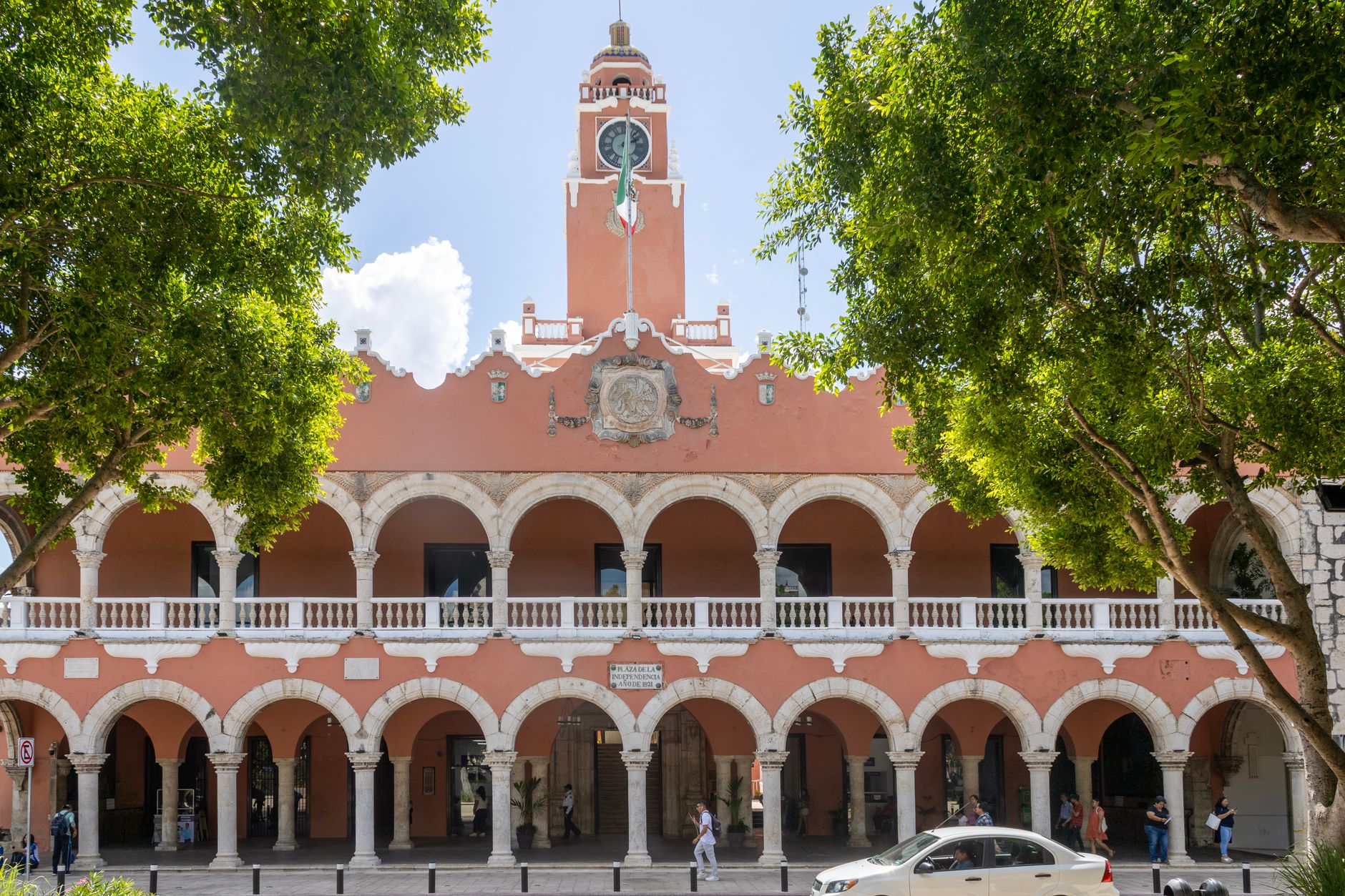
The iconic salmon-colored Municipal Palace stands proudly in the heart of Mérida, Mexico, showcasing classic colonial architecture and a historic clock tower.
JOMI WARRIOR on Pexels · Pexels License

A stunning aerial perspective captures the dense, historic urban layout and colonial architecture of Mérida, Mexico, during the golden hour.
Mikhail Nilov on Pexels · Pexels License

The vibrant, sun-drenched streets of Mérida, Mexico, showcase the city's iconic colonial architecture and colorful building facades.
Raul Mex on Pexels · Pexels License
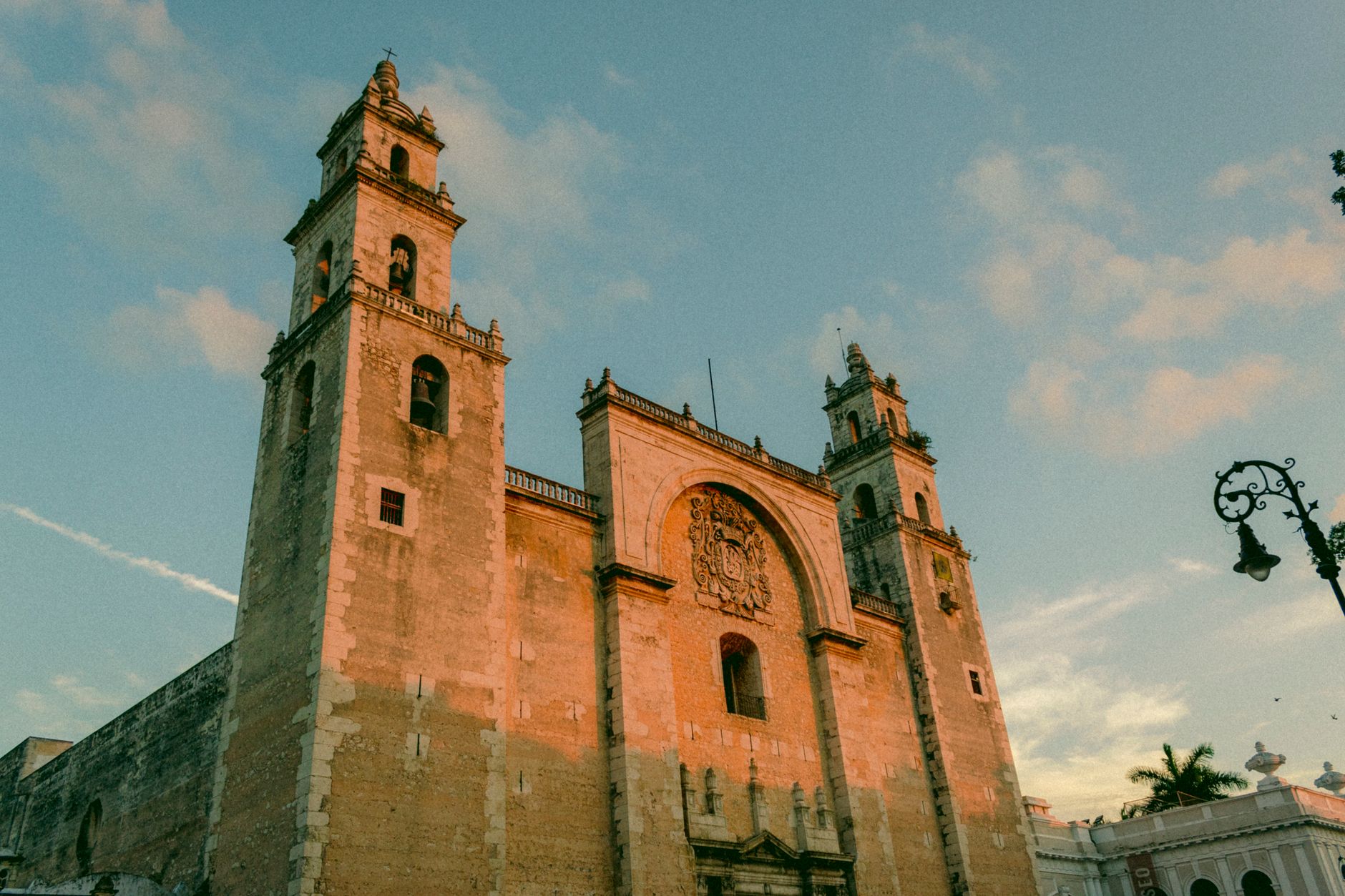
The historic San Ildefonso Cathedral stands tall in the heart of Mérida, Mexico, glowing under the warm light of the setting sun.
Iván Cauich on Pexels · Pexels License
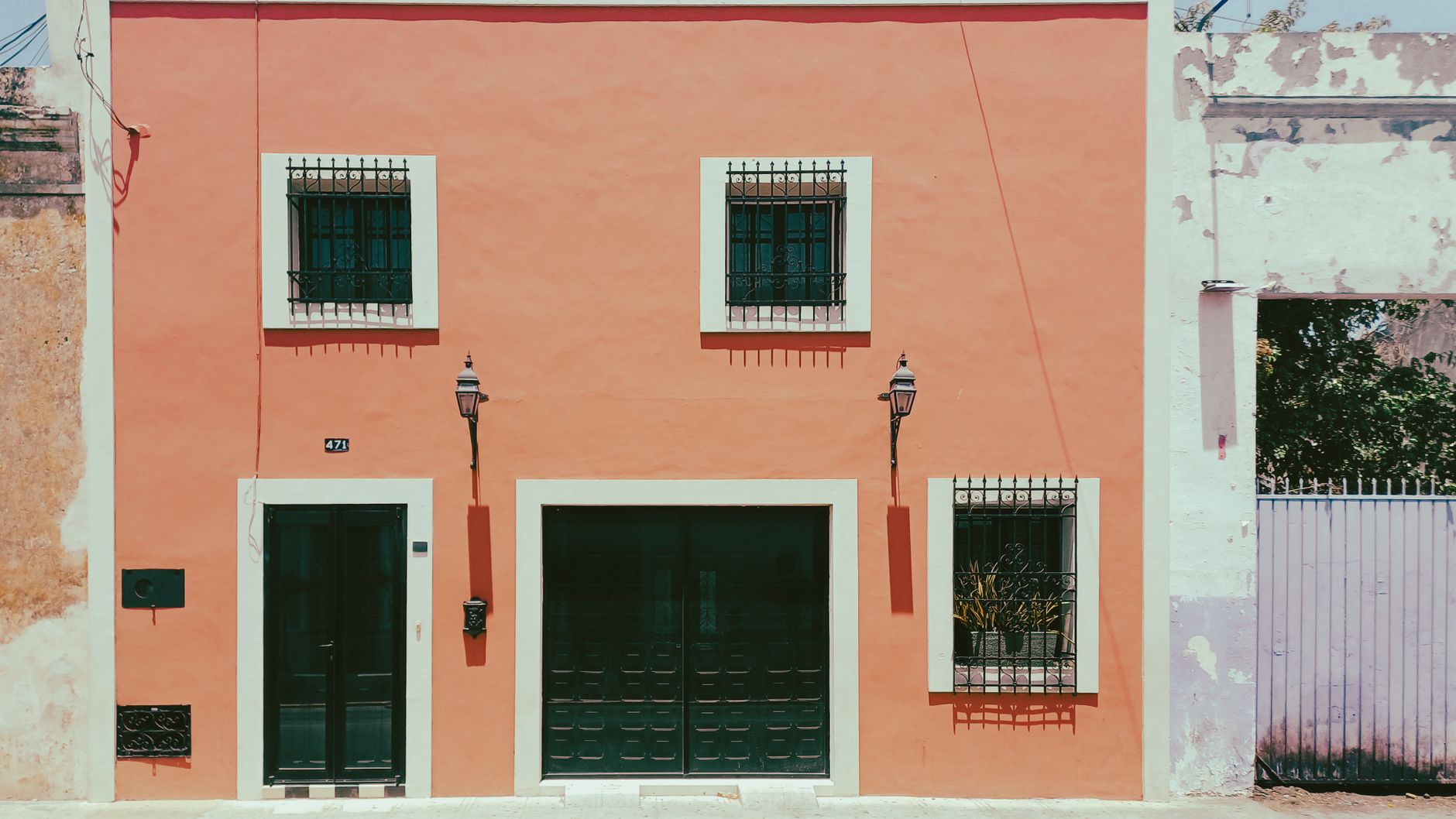
A beautifully preserved colonial home in Mérida, Mexico, showcases the city's iconic pastel-hued architecture and traditional ironwork.
Oscar M on Pexels · Pexels License
Practical Information
Getting There
Mérida International Airport (MID) sits 8 km south; prepaid taxi to centro runs 300–400 MXN, or hop the Va y Ven airport bus for 45 MXN. First-class ADO buses connect CAME terminal (Calle 70) to Cancún (4 h) and Campeche (2 h 30) hourly.
Getting Around
No metro—Mérida’s transit is the Va y Ven bus fleet (card only, 12 MXN flat). Uber/DiDi works city-wide; centro’s grid makes walking viable if you duck into doorways at 13:00 when asphalt shimmers at 38 °C. Sundays 08:00–12:30 Paseo de Montejo becomes the free Biciruta—borrow a city bike at the Remate booth.
Climate & Best Time
December–March highs hover 28–30 °C with 30 % humidity; nights drop to 17 °C and flamingos crowd Celestún. April–June can hit 40 °C before afternoon storms; July–September brings 150 mm monthly rain and steam-room air. Visit mid-Dec to mid-Mar for dry skies and breeze off the Gulf.
Safety
Mérida posts the lowest homicide rate in Mexico; still, only use the official airport taxi booth or ride-hail pickup beyond the terminal gate. South-side colonias near the airport see more petty theft—book centro or Itzimná after dark.
Where to Eat
Don't Leave Without Trying
Zynergia Café
quick biteOrder: Fresh pastries and artisan coffee—this is where locals grab their morning pan dulce before heading to work. The croissants rival anything you'll find in the Paseo Montejo tourist spots.
A neighborhood gem overlooking Parque Santa Lucia with the highest rating in the guide. This is authentic Mérida breakfast culture, not a tourist trap.
El Hoyo Casa de Té
cafeOrder: A proper cup of tea or coffee paired with a light snack. This is where locals linger during *sobremesa*—the sacred Yucatecan tradition of lingering at the table after a meal to chat and relax.
Nearly 1,000 reviews prove this is a beloved local institution. The intimate setting on the park makes it perfect for an evening wind-down, and you'll never be rushed.
Manifesto Casa Tostadora Calabrese
cafeOrder: Single-origin espresso drinks and locally roasted beans. The coffee here is taken seriously—this is where Meridanos come for quality, not just caffeine.
Over 1,300 reviews and a 4.6 rating make this the most-reviewed café in the guide. It's a working roastery, so you're tasting coffee at its source.
Maiz, Canela y Cilantro
local favoriteOrder: Modern takes on Yucatecan classics using corn, cinnamon, and cilantro—the namesake ingredients that define the cuisine. Their breakfast is a revelation.
Over 1,000 reviews in a city where many restaurants struggle to break 100. This is where foodies and locals converge in the bohemian Barrio de Santiago.
Casa Mexilio
local favoriteOrder: Cocktails and traditional Mexican fare in a colonial setting. This is where the Barrio de Santiago crowd gathers for late-night conversation and mezcal.
Open 24/7 in the heart of the bohemian quarter, Casa Mexilio is part bar, part gathering place. The 4.8 rating reflects a devoted local following.
Papillón Market Pastelería
quick biteOrder: Fresh pastries and pan dulce throughout the day. The long hours (6 AM–10 PM) make it perfect for breakfast, lunch, or an afternoon snack.
Located in the upscale Paseo Montejo zone, this bakery offers quality without pretension. It's where both locals and visitors grab reliable, fresh baked goods.
Hotel La Piazzetta & Cafeteria
quick biteOrder: A reliable café drink or light meal any time of day. With 470 reviews, this 24-hour spot is the city's go-to for consistent quality when you need it.
Always open, always reliable, and beloved by both tourists and locals. The high review count speaks to consistent execution over time.
Ochenta y Dos [an urban bed & breakfast & spa]
cafeOrder: Breakfast pastries and coffee—this boutique bed & breakfast's café is open 24/7 and worth a visit even if you're not staying. The setting is intimate and charming.
A hidden gem that combines lodging, spa services, and a small bakery café. It's where you experience Mérida's slower, more intimate side.
Dining Tips
- check Tipping is standard: 10–15% in cash (Mexican Pesos) is expected; 15% for good service, 20% or more for exceptional. Always tip in cash, as credit card tips may lose a percentage to transaction fees.
- check Mérida is cash-heavy. Always carry small bills and coins for tips and market purchases.
- check Embrace *sobremesa*—the cherished local custom of lingering at the table after a meal to chat and relax. You will never be rushed. Request *la cuenta* (the check) to signal you're finished.
- check Breakfast (*desayuno*) happens early, between 7:00 AM and 10:00 AM. Markets are the best place for traditional breakfast like *cochinita pibil* or *lechón al horno*.
- check Lunch (*comida*) is the main meal, typically between 2:00 PM and 4:00 PM.
- check Dinner (*cena*) is often lighter and enjoyed late, typically after 8:00 PM.
- check Many local restaurants close on Mondays or Tuesdays—always check Google Maps or social media for specific hours before visiting.
Restaurant data powered by Google
Tips for Visitors
Beat the Heat
Schedule museum visits for 11 a.m.–2 p.m. when the sun is brutal; the Gran Museo del Mundo Maya is air-conditioned and nearly empty at midday.
Airport Uber Hack
Skip the 400-peso taxi; walk five minutes past the airport exit to the main road and call an Uber for 120 pesos to Centro.
Market Lunch Rule
Eat where the plastic stools are turquoise—those stalls inside Mercado Lucas de Gálvez serve cochinita that’s gone by 1 p.m.
Cash Only
ATMs inside banks close at 4 p.m.; withdraw before siesta or you’ll pay 70-peso fees at the stand-alone machines on Plaza Grande.
Sunday Streets
Paseo de Montejo becomes a 3-km bike lane at 8 a.m.; rent a Bicimáquina at Parque de la Madre for 50 pesos and ride before traffic returns.
Explore the city with a personal guide in your pocket
Your Personal Curator, in Your Pocket.
Audio guides for 1,100+ cities across 96 countries. History, stories, and local insight — offline ready.
Audiala App
Available on iOS & Android
Join 50k+ Curators
Frequently Asked
Is Mérida worth visiting? add
Yes—Mérida is the safest large city in Mexico and the only one where you can breakfast on 500-year-old recipes, swim in a crater-clear cenote by lunch, and watch 16th-century murals glow under new LED lights after dark. The scale is human, the prices low, and the Mayan-Spanish layering is visible on every block.
How many days in Mérida? add
Three days covers the walkable center plus one ruin and one flamingo coast; add two more if you want to circuit the cenote ring or day-trip to Uxmal without rushing. Sunday counts double—markets and street closures turn the whole centro into a festival.
Do you need a car in Mérida? add
No. Centro is a perfect grid, Uber is cheap, and first-class ADO buses reach Chichén Itzá, Celestún and Izamal faster than you could park. Only rent wheels if you’re chasing remote cenotes around Homún.
Is Mérida safe for solo female travelers? add
Widely regarded as the safest city in the Americas; night walks along Paseo de Montejo are routine for local women. Standard precautions—ignore airport taxi touts and stick to official Ubers after midnight—still apply.
What’s the cheapest way to get from the airport to downtown? add
Va y Ven airport bus: 45 pesos, drops you at the CAME terminal on Calle 70. Runs every 30 minutes until 10 p.m.; from there it’s a 12-block flat walk or a 40-peso Uber to Plaza Grande.
Sources
- verified Yucatán Today — Local calendar, Biciruta times, and updated cenote transport options.
- verified Gobierno del Estado de Yucatán – Official History Portal — Confirmed founding date, royal titles, and timeline of major architectural works.
- verified Mexico Travel & Leisure 2026 Airport Guide — Current Uber pickup rules and official taxi rates from Mérida International.
Last reviewed: