Visitor Information
Visiting Hours & Admission Fees
- Open daily 8:00 AM – 5:00 PM
- Admission Approximately 80 MXN (about 4 USD) for adults; discounts for students, seniors, and children
- Tickets are available at the entrance; some tours include admission. Always check the official site or local centers for updates.
Getting There & Travel Tips
- By Car About 70 km west of Mérida; parking is available near the entrance.
- Public Transport Limited; renting a car or booking a tour is recommended.
- Roads Generally well-maintained, but signage may be limited—use GPS or a local map.
- Preparation Bring water, sun protection, comfortable shoes, and snacks. Early morning visits are preferable for cooler temperatures and better photography light.
Accessibility
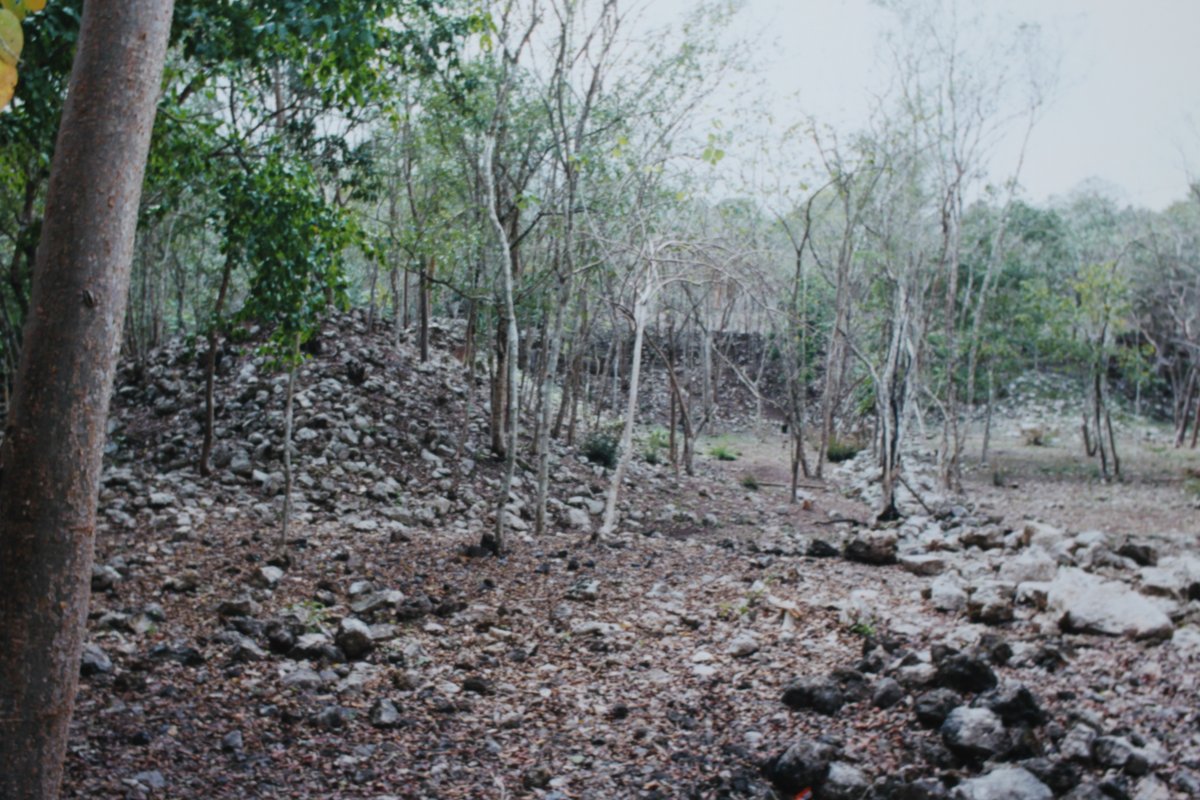
- The site features uneven terrain and stone pathways. Some areas are accessible with moderate effort, but those with mobility challenges should plan accordingly and contact local tourism offices for support.
Facilities & Onsite Amenities
- Basic services include restrooms and shaded picnic spots.
- There is no large visitor center; refreshments and souvenirs are available from small local vendors nearby.
Guided Tours & Special Events
- Guided tours Local guides offer in-depth explanations of the site’s history, water management, and urban planning. Booking in advance is recommended during peak seasons.
- Special events Occasional cultural workshops and community festivals. Inquire with local tourism offices for schedules.
Nearby Attractions
- Maxcanú A colonial town offering amenities and additional historical sites.
- Uxmal & Oxkintok Other significant Maya ruins in the Puuc region.
- Celestún Biosphere Reserve A renowned ecological site for birdwatching and exploring mangroves.
- Coastal towns Halachó and Kochol, which provide local lodging and cultural experiences.
Chunchucmil’s Urban and Economic Significance
Urban Layout
The city’s core, less than 10 km², contained more than 10,000 buildings, making it one of the densest Maya centers (read.upcolorado.com). Residential groups were organized into compounds bounded by stone walls, connected by narrow walkways.
Economic and Environmental Adaptation
Chunchucmil’s proximity to coastal salt flats and its role as a trade hub for salt, obsidian, and ceramics were central to its prosperity. Innovatively designed water management systems—chultunes and aguadas—enabled the city to thrive in a dry environment (love2fly.iberia.com).
Archaeological Mapping
Modern mapping techniques, including the “fishbone” survey method, have revealed the intricate honeycomb pattern of the city’s residential layout—offering valuable insights into social organization and urban planning (Cambridge.org).
Cultural Context: Maya Heritage and Local Traditions
Maya Language and Identity
Chunchucmil, meaning “well at the base of the Chukum tree,” is still referenced in the local Maya language. The surrounding communities maintain strong Maya traditions, reflected in daily life, language, and place names (Wikipedia; Epicure & Culture).
Festivities and Handcrafts
Local festivals blend Maya and Spanish influences, featuring traditional dances such as the Jarana, vaquerías (ranch festivals), and artisanal crafts including hammocks, huipiles, and filigree jewelry (The Yucatán Times; Visit Mexico). Sampling local cuisine—such as cochinita pibil and sopa de lima—is highly recommended.
Responsible Engagement
Engaging respectfully with local Maya communities—by hiring local guides and purchasing crafts directly—ensures tourism contributes positively to the region (Springer).
Responsible Tourism Practices
- Respect the site Stay on marked paths, do not climb on fragile structures, and avoid removing artifacts (Wikipedia).
- Support local communities Choose community-led tours, buy local crafts, and dine at family-run eateries (Springer).
- Environmental stewardship Minimize waste, respect flora and fauna, and conserve water.
- Cultural sensitivity Dress modestly, ask before photographing people, and learn a few Maya or Spanish phrases (Epicure & Culture).
- Safety The region is generally safe, but carry water, sun protection, and be mindful of midday heat (Indie Traveller).
- Accessibility Efforts are ongoing to improve inclusivity, but terrain may be challenging for some visitors (Springer).
- Consult guidelines For best practices, see UNWTO Responsible Tourist and AIA Tourism Guidelines.
Frequently Asked Questions (FAQ)
Q: What are Chunchucmil’s visiting hours?
A: 8:00 AM to 5:00 PM daily.
Q: How much does admission cost?
A: About 80 MXN for adults; discounts for students and seniors.
Q: Are guided tours available?
A: Yes, local guides can be hired on-site or through tour operators.
Q: How accessible is the site?
A: Terrain is uneven; some areas may be challenging for visitors with mobility issues.
Q: What should I bring?
A: Water, sun protection, comfortable shoes, snacks, and a camera.
Q: Are there nearby attractions?
A: Yes. Uxmal, Maxcanú, Celestún, and more.
Q: Is the area safe?
A: Generally yes, but standard travel precautions apply.
Discover More
Chunchucmil is a must-visit destination for those interested in Maya heritage, archaeology, and Yucatán’s living culture. Its unique urban planning, economic history, and ongoing community traditions make it stand out among the region’s historical sites. Plan your visit with the information provided here—respecting the site and its people ensures this heritage endures for future generations.
Ready to explore Chunchucmil?
Download the Audiala app for guided tours and real-time travel tips, follow our social media for updates, and check out our related articles on Yucatán’s archaeological wonders!