Hermosillo from Bell Hill
Cerro de la Campana turns Hermosillo into a map: the rocky summit looks across the city toward the Sonoran plain. Go after the worst heat has lifted; at night, the same view becomes a field of amber lights.
At sunset, the rocks of Cerro de la Campana still hold the day's heat while Hermosillo's lights flicker across the Sonoran valley. From that hilltop, Hermosillo, Mexico, looks less like a desert outpost than a city with its own orbit—cathedral towers, government buildings, food stalls, and distant mountains gathered into one view. Come for the clear sense of place: desert light, Sonoran history, and a serious appetite meet here at street level.
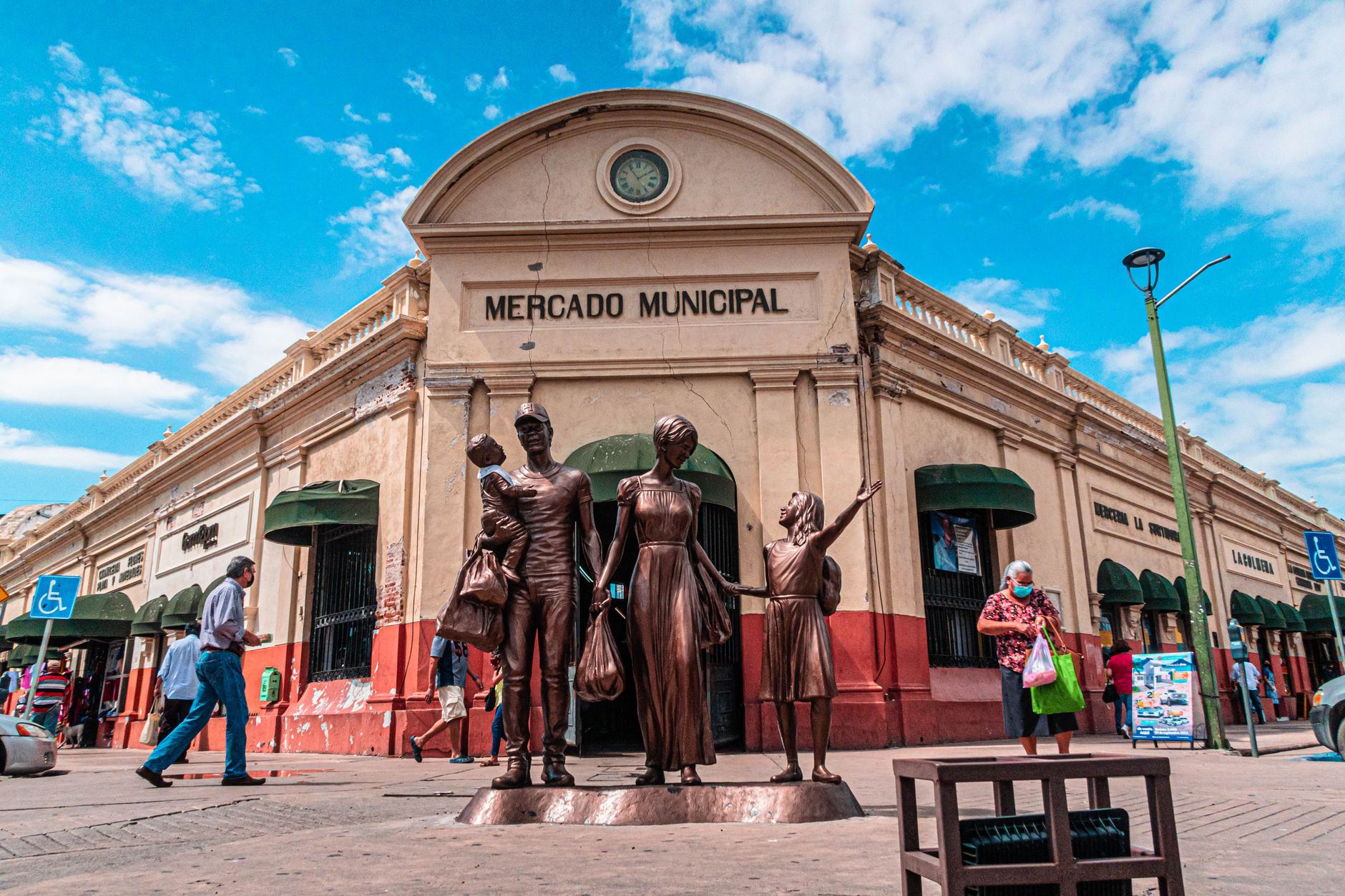 Hermosillo · Mexico
Researched from Wikidata, Wikipedia & official sources · fact-checked · How we make our guides →
HAt sunset, the rocks of Cerro de la Campana still hold the day's heat while Hermosillo's lights flicker across the Sonoran valley. From that hilltop, Hermosillo, Mexico, looks less like a desert outpost than a city with its own orbit—cathedral towers, government buildings, food stalls, and distant mountains gathered into one view. Come for the clear sense of place: desert light, Sonoran history, and a serious appetite meet here at street level.
The historic center gives Hermosillo its formal face. Plaza Zaragoza gathers evening walkers and street vendors beneath the gaze of the white Catedral Metropolitana de Nuestra Señora de la Asunción, while the pink-cantera Palacio de Gobierno opens onto a courtyard lined with murals completed between 1980 and 1990 by Héctor Martínez Arteche, Teresa Morán, and Enrique Estrada.
At Parque La Ruina, the remains of a textile factory have acquired a less ceremonial afterlife: food trucks, open-air bars, live music stages, and artisanal markets fill the old industrial shell. Dust, grilled food, and amplified music do more to explain present-day Hermosillo than a polished civic slogan ever could.
What makes this place worth slowing down for.
Cerro de la Campana turns Hermosillo into a map: the rocky summit looks across the city toward the Sonoran plain. Go after the worst heat has lifted; at night, the same view becomes a field of amber lights.
Plaza Zaragoza, the Catedral Metropolitana de Nuestra Señora de la Asunción, and the pink-cantera Palacio de Gobierno form the historic center's compact stage. Inside the palace, murals completed between 1980 and 1990 by Héctor Martínez Arteche, Teresa Morán, and Enrique Estrada portray Sonora's history and Indigenous cultures in bold color.
Parque La Ruina built its evening life around the remains of a textile factory, with food trucks, open-air bars, live music, and artisanal markets tucked into the old walls. The rough brick and warm desert air make this a better night out than a polished shopping complex.
About 100 km west of Hermosillo, Bahía de Kino brings the Sea of Cortez within an easy day trip, with beaches, the Kino Viejo pier, and seafood stalls. The Museo Étnico de los Seris introduces visitors to the history and culture of the Comcaac people.
Not every monument, just the ones we'd walk you past ourselves.
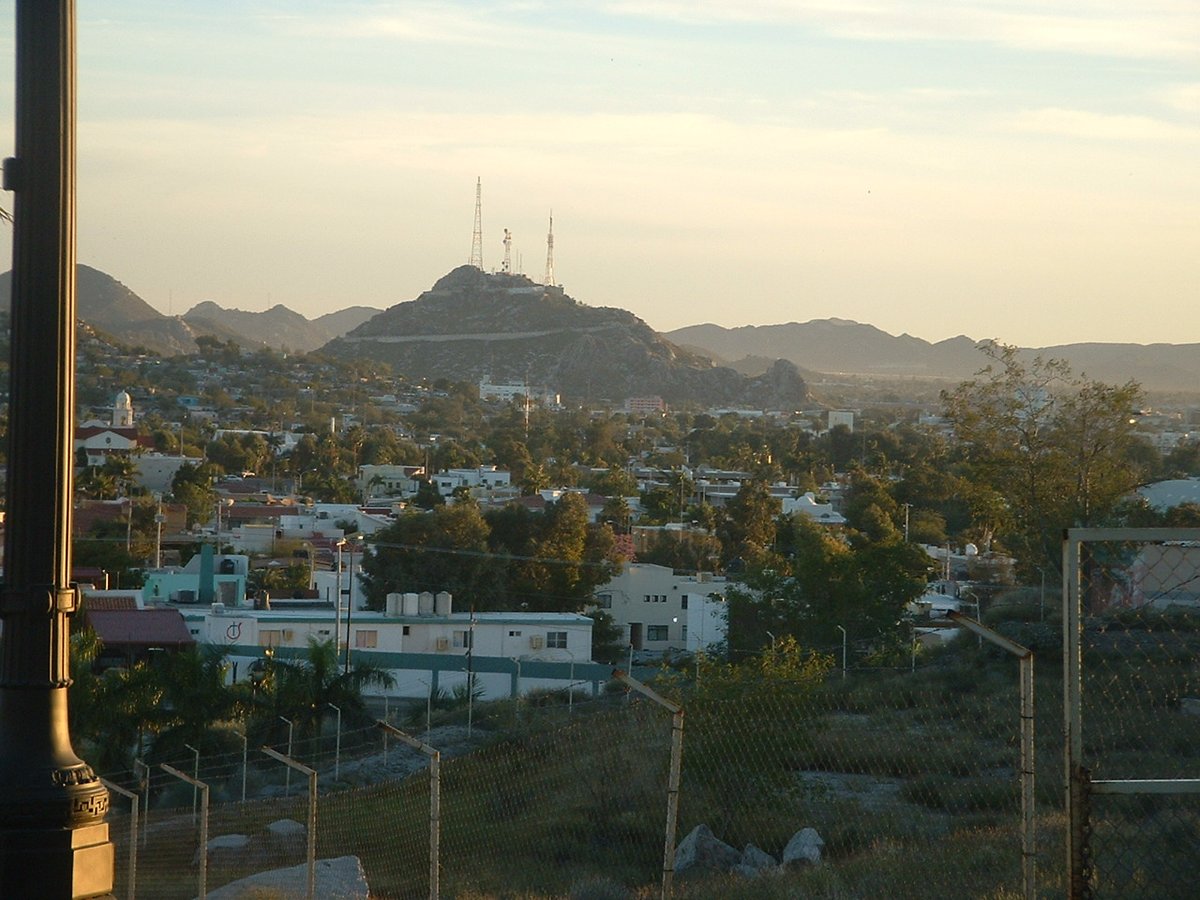
Nestled in the heart of Hermosillo, Sonora, Mexico, Cerro de la Campana, or 'Hill of the Bell,' stands as a testament to the rich historical and cultural…
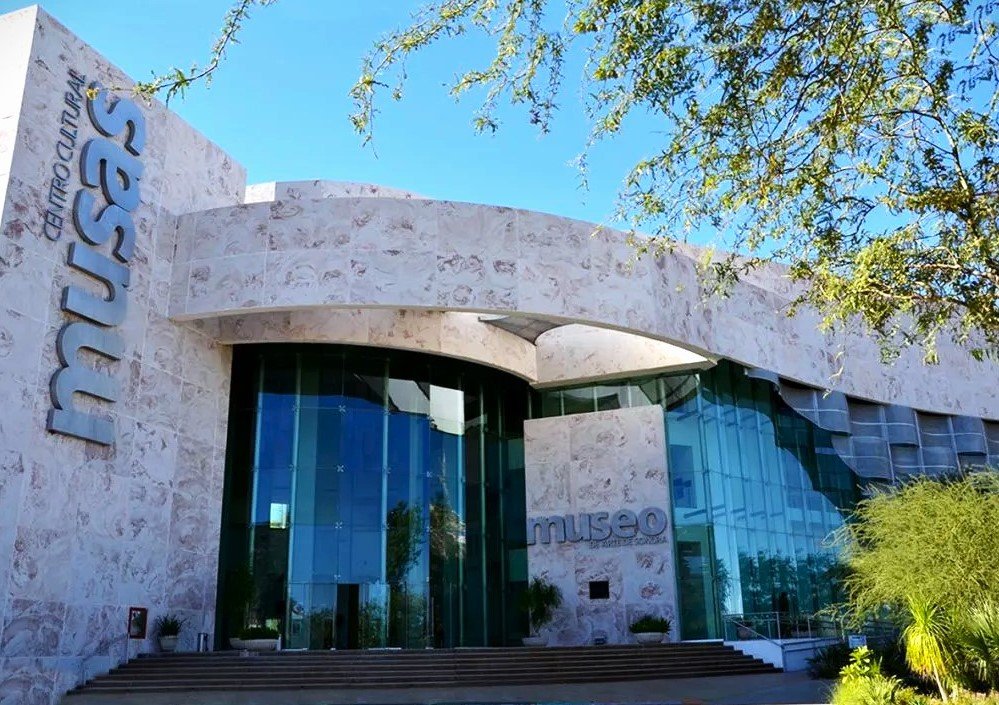
Welcome to the comprehensive guide for visiting the Museo de Arte de Sonora (Musas) in Hermosillo, Sonora, Mexico.
The Museo Carcel de Sonora, located in Hermosillo, Sonora, Mexico, is a unique cultural and historical landmark that draws visitors from around the world.

Estadio Héroe de Nacozari stands as a cornerstone of Hermosillo, Sonora, blending rich local history, vibrant sporting culture, and community engagement…

Nestled in the heart of Hermosillo, Sonora, the General Ignacio Pesqueira García International Airport (HMO) serves as a vital gateway for travelers exploring…

Nestled in the vibrant city of Hermosillo, Sonora, the Universidad de Sonora (UNISON) stands as a premier academic institution and a cultural beacon that…
Where to wander, by quarter — each with its own rhythm.
Hermosillo’s historic center is arranged around Plaza Zaragoza, with the Catedral Metropolitana on one side and the pink-cantera Palacio de Gobierno on the other. Come in the cooler evening hours, when vendors gather in the square and the palace courtyard’s Sonoran history murals give the formal buildings a more human voice.
The people who shaped the city — and were shaped by it.
Born in Hermosillo in 1866, Rodolfo Campodónico became known for salon pieces and the march "Club Verde," a title still remembered in Mexican music. The city he knew as a young musician now has a much larger civic stage—though he might have preferred today's air-conditioning to Sonora's heat.
Where locals actually book dinner — not the tourist menus.
Thin cuts of beef grilled over mesquite arrive with salsa, onions, guacamole, and Sonora's large flour tortillas. The smoke is the point: look for busy taquerías where the grill is visible and the tortillas are made close to service.
This oversized Hermosillo burrito wraps carne asada, melted cheese, avocado, and other fillings in a broad flour tortilla. It is hearty late-night food, better suited to a paper wrapper and a plastic fork than to delicate table manners.
Hermosillo's hot dogs come heavily dressed, often with bacon, pinto beans, diced vegetables, mayonnaise, mustard, and jalapeño. Try one from a busy evening stand; the messy pile of toppings is part of the local argument.
Coyotas are flat, crisp-edged Sonoran pastries filled traditionally with panocha, a dark piloncillo sugar. Their caramel scent and crumbly texture make them an ideal breakfast sweet or road snack, especially around Villa de Seris.
Large, thin wheat tortillas are a foundation of the region's cooking, used for tacos, burros, and carne asada. Eat one warm from the griddle; the soft chew and faint toasted flour flavor explain why they need so little decoration.
A day west brings fish and shrimp tacos, ceviche, and other Gulf of California seafood to the table. The short trip matters: order what is being served fresh that day rather than expecting an identical menu year-round.
Small things that change how the city treats you.
Cerro de la Campana is Hermosillo's main viewpoint. Go near sunset rather than during the strongest afternoon heat, and bring water because the exposed hill offers little shade.
Bahía de Kino sits about 100 km west of Hermosillo, roughly a one-hour drive. Check your fuel before leaving, and allow enough daylight for the return.
Group Plaza Zaragoza, Catedral Metropolitana de Nuestra Señora de la Asunción and Palacio de Gobierno in one historic-center outing. The compact route saves time and leaves your transport budget for the coast.
Inside Palacio de Gobierno, look for murals by Héctor Martínez Arteche, Teresa Morán and Enrique Estrada. Their scenes trace Sonora's history, struggles and Indigenous cultures.
Parque La Ruina combines food trucks, open-air bars, live music and artisanal markets inside a former textile factory. Check the event schedule and arrive hungry.
If you stay at Parque La Ruina for live music, arrange your taxi or rideshare before leaving. Keep your phone and wallet secure while waiting at the curb, especially after dark.
A few films to set the scene before you go.
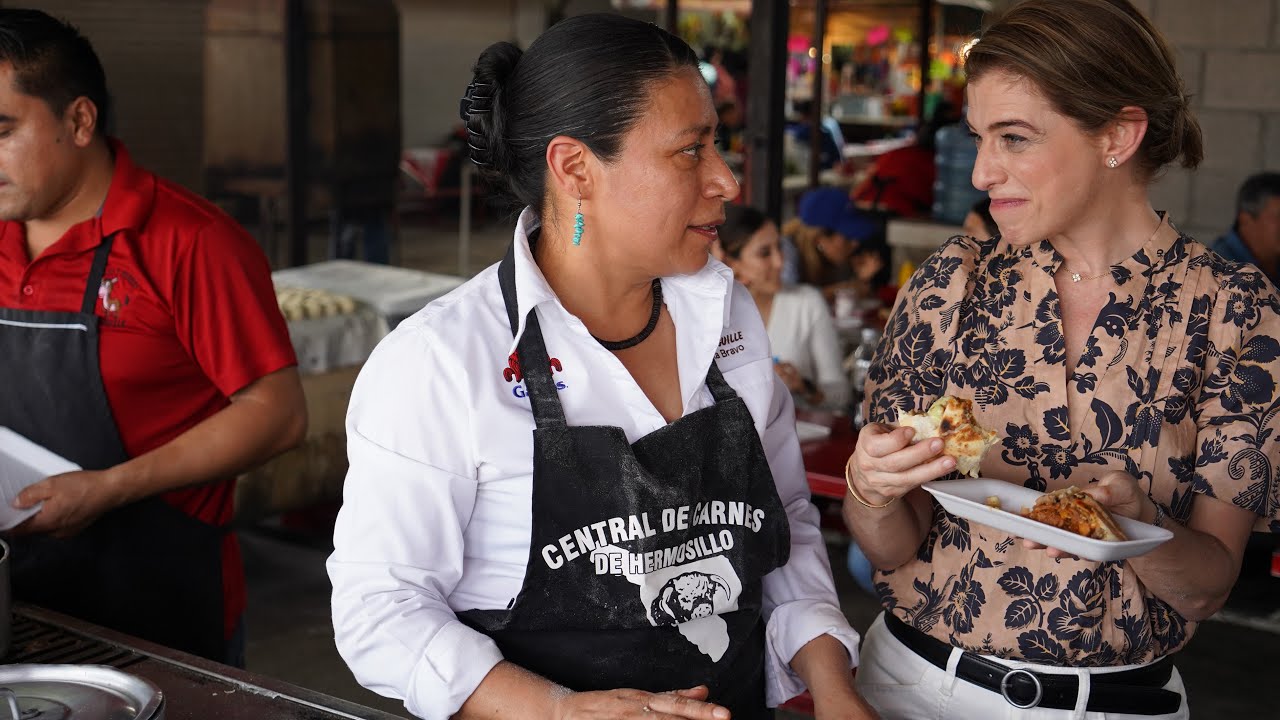
The city, as it actually looks.

Streetlights cast a cool glow across a corrugated metal arcade in Hermosillo. The quiet entrance and empty pavement capture the city after dark.
Cine Insomnia on Pexels

Modern towers and shopping complexes rise above Hermosillo’s low-density urban grid. Desert hills frame the city under muted daylight.
Dante Muñoz on Pexels
Yes—Hermosillo earns a short visit for Cerro de la Campana, its historic center, Parque La Ruina and Sonoran food. The city works well as a 2–3-day stop, with Bahía de Kino added when you have a spare day and a car.
Plan 2–3 days in Hermosillo. Give one half-day to Plaza Zaragoza, the cathedral and Palacio de Gobierno, another to Cerro de la Campana and Parque La Ruina, then add a day for Bahía de Kino.
Drive west from Hermosillo to Bahía de Kino; the trip is about 100 km and roughly one hour. Leave with fuel, water and enough daylight for the return, and include Kino Viejo and the Museo Étnico de los Seris in your plan.
The historic center is the easiest cluster to explore on foot. Start at Plaza Zaragoza, cross to Catedral Metropolitana de Nuestra Señora de la Asunción, then see the pink-cantera Palacio de Gobierno and its murals by three Sonoran artists.
Yes, visitors can travel to Hermosillo with normal big-city precautions, but no guide can promise safety in every neighborhood or at every hour. Arrange transport before leaving late-night venues such as Parque La Ruina, and avoid lingering alone at the hill viewpoint after dark.
Late fall through early spring, roughly November to March, is the easiest period for walking and hill viewpoints. Summer afternoons are a poor match for exposed stops, so schedule Cerro de la Campana near sunset and carry water.
Hermosillo can be kept reasonably affordable, especially when you focus on the central plaza, cathedral and government palace before paying for the Kino excursion. Prices change by season and neighborhood, so set your lodging budget first and treat the 100-km coastal drive as the main extra.
No for the core center; a car becomes useful for Bahía de Kino, about 100 km west. If you will not drive, book a day trip or arrange a private transfer rather than trying to fold the coast into a casual city walk.
Ready to book?
Fly into General Ignacio Pesqueira García International Airport (HMO), about 9 km west of central Hermosillo; intercity buses use the Central de Autobuses de Hermosillo. Hermosillo has no regular passenger rail service in 2026: the historic Estación de Ferrocarril de Hermosillo is associated with freight operations rather than visitor trains. By road, Federal Highway 15 and 15D connect north to Nogales and south toward Guaymas and Ciudad Obregón, while Federal Highway 100 runs west to Bahía de Kino.
Hermosillo has 0 metro or subway lines and no tram network; urban buses operate under UNE Transporte Público, with routes and updates available through UNE's current digital channels. Taxis and app-based rides are practical for longer crossings, while bike lanes remain limited to selected boulevards and cycling is far more comfortable around dawn or after sunset. No widely issued tourist transit pass is documented for 2026, so check the current UNE fare and payment rules before boarding.
Spring usually runs from about 17–35°C, summer from 28–41°C, autumn from 18–35°C, and winter from 10–25°C, with June through August bringing the harshest heat. Most of Hermosillo's roughly 300 mm of annual rain arrives during the North American monsoon, especially July through September. Visitor demand generally rises from November through March; October to April is the sensible window, with November through March offering the easiest walking conditions.
Spanish is the everyday language, while English is more common at the airport, larger hotels, and some restaurants than in neighborhood shops. Prices are in Mexican pesos (MXN); cards work at established businesses, but carry cash for street food, market stalls, taxis, and smaller stops around Bahía de Kino.
6 places to discover


