


Place
Mexico Updated Aug 2026
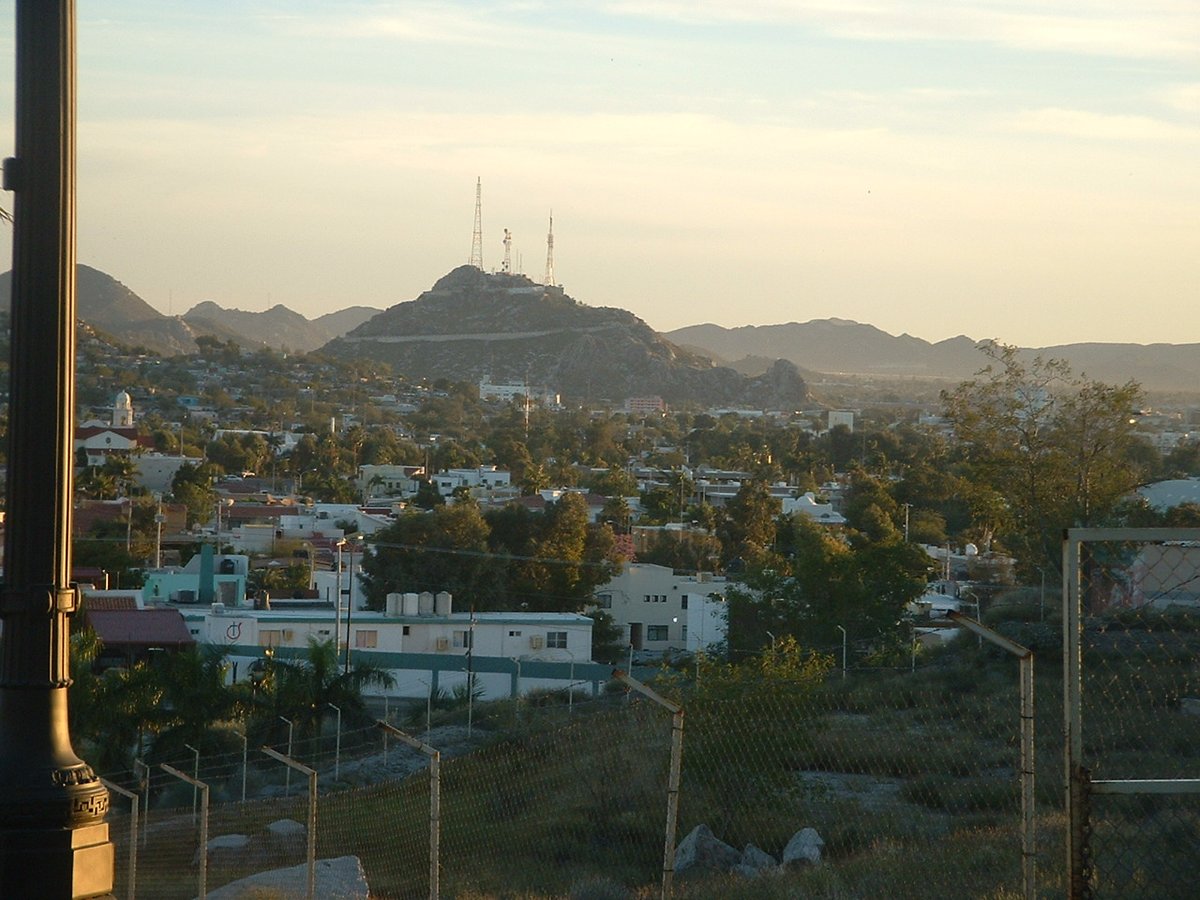
At sunset, the rocks of Cerro de la Campana still hold the day's heat while Hermosillo's lights flicker across the Sonoran valley. From that hilltop, Hermosillo, Mexico, looks less like a desert outpost than a city with its own orbit—cathedral towers, government buildings, food stalls, and distant mountains gathered into one view. Come for the clear sense of place: desert light, Sonoran history, and a serious appetite meet here at street level.
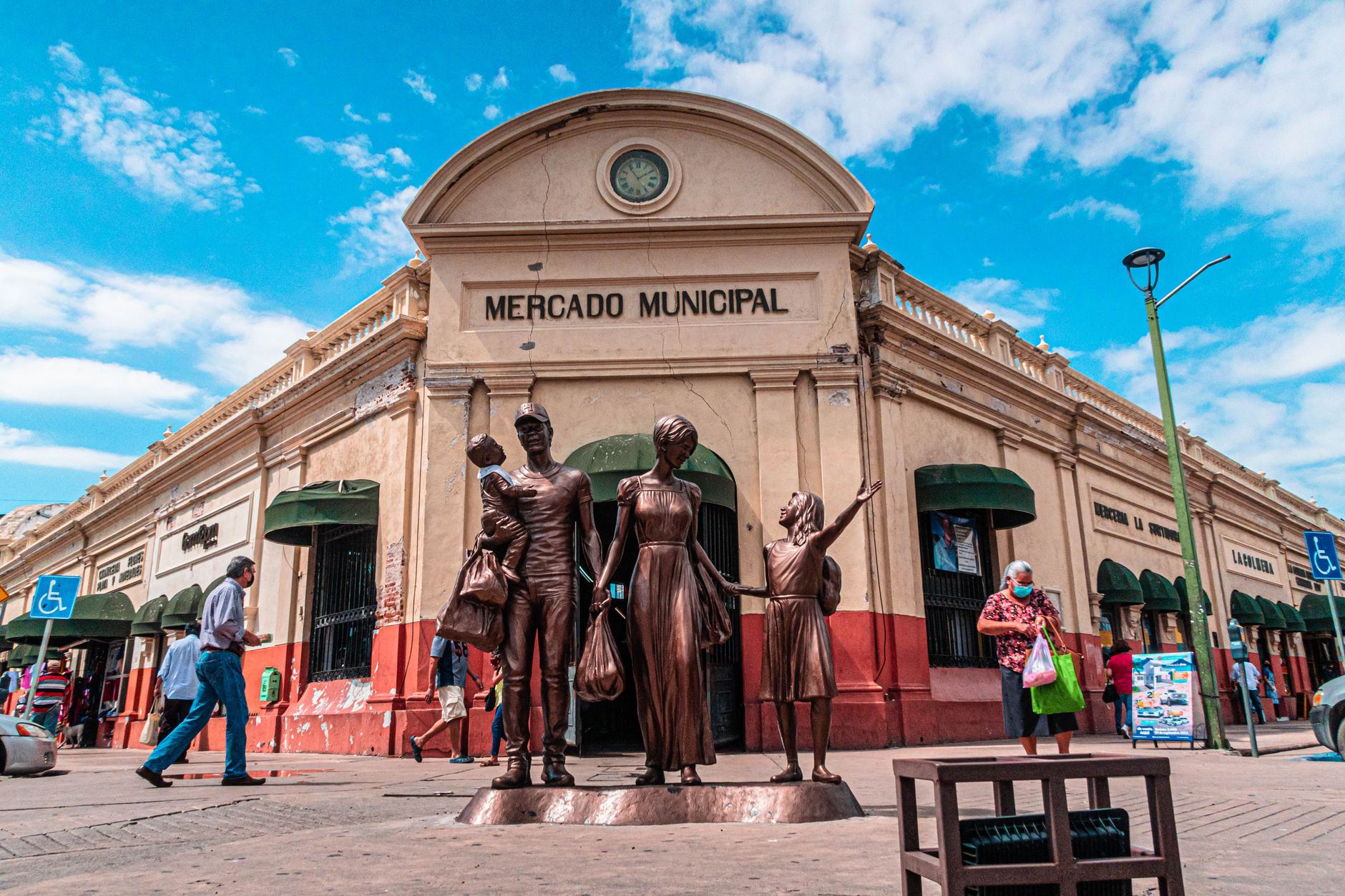 Photo: SOYD CONTENIDO / Pexels
Built from cited sources · see the method · How we make our guides →
The historic center gives Hermosillo its formal face. Plaza Zaragoza gathers evening walkers and street vendors beneath the gaze of the white Catedral Metropolitana de Nuestra Señora de la Asunción, while the pink-cantera Palacio de Gobierno opens onto a courtyard lined with murals completed between 1980 and 1990 by Héctor Martínez Arteche, Teresa Morán, and Enrique Estrada.
At Parque La Ruina, the remains of a textile factory have acquired a less ceremonial afterlife: food trucks, open-air bars, live music stages, and artisanal markets fill the old industrial shell. Dust, grilled food, and amplified music do more to explain present-day Hermosillo than a polished civic slogan ever could.
The city’s relationship with Sonora becomes clearer on the road west to Bahía de Kino, about 100 kilometers away. Salt air replaces the dry heat, the Kino Viejo pier points toward the Gulf of California, and the Museo Étnico de los Seris offers context for the Comcaac people whose homeland reaches far beyond the city.
Not every monument, just the ones we'd walk you past ourselves.


Where to wander, by quarter — each with its own rhythm.
Before you go
Composer · 1866–1926
Born here
Born in Hermosillo in 1866, Rodolfo Campodónico became known for salon pieces and the march "Club Verde," a title still remembered in Mexican music. The city he knew as a young musician now has a much larger civic stage—though he might have preferred today's air-conditioning to Sonora's heat.
Where locals actually book dinner — not the tourist menus.
Thin cuts of beef grilled over mesquite arrive with salsa, onions, guacamole, and Sonora's large flour tortillas. The smoke is the point: look for busy taquerías where the grill is visible and the tortillas are made close to service.
This oversized Hermosillo burrito wraps carne asada, melted cheese, avocado, and other fillings in a broad flour tortilla. It is hearty late-night food, better suited to a paper wrapper and a plastic fork than to delicate table manners.
Hermosillo's hot dogs come heavily dressed, often with bacon, pinto beans, diced vegetables, mayonnaise, mustard, and jalapeño. Try one from a busy evening stand; the messy pile of toppings is part of the local argument.
Coyotas are flat, crisp-edged Sonoran pastries filled traditionally with panocha, a dark piloncillo sugar. Their caramel scent and crumbly texture make them an ideal breakfast sweet or road snack, especially around Villa de Seris.
Large, thin wheat tortillas are a foundation of the region's cooking, used for tacos, burros, and carne asada. Eat one warm from the griddle; the soft chew and faint toasted flour flavor explain why they need so little decoration.
A day west brings fish and shrimp tacos, ceviche, and other Gulf of California seafood to the table. The short trip matters: order what is being served fresh that day rather than expecting an identical menu year-round.
This Sonoran seafood stew combines manta ray and shrimp in a tomato-and-chile broth, usually served with lime, onion, and tortillas. It is a savory, slightly briny counterpoint to Hermosillo's grilled meats.
Bacanora is Sonora's agave spirit, traditionally produced from agave angustifolia and protected by a denomination of origin. Taste it neat first, then in a cocktail if the heat calls for something longer and colder.
Small things that change how the city treats you.
The city, as it actually looks.


Yes—Hermosillo earns a short visit for Cerro de la Campana, its historic center, Parque La Ruina and Sonoran food. The city works well as a 2–3-day stop, with Bahía de Kino added when you have a spare day and a car.
Plan 2–3 days in Hermosillo. Give one half-day to Plaza Zaragoza, the cathedral and Palacio de Gobierno, another to Cerro de la Campana and Parque La Ruina, then add a day for Bahía de Kino.
Drive west from Hermosillo to Bahía de Kino; the trip is about 100 km and roughly one hour. Leave with fuel, water and enough daylight for the return, and include Kino Viejo and the Museo Étnico de los Seris in your plan.
The historic center is the easiest cluster to explore on foot. Start at Plaza Zaragoza, cross to Catedral Metropolitana de Nuestra Señora de la Asunción, then see the pink-cantera Palacio de Gobierno and its murals by three Sonoran artists.
Yes, visitors can travel to Hermosillo with normal big-city precautions, but no guide can promise safety in every neighborhood or at every hour. Arrange transport before leaving late-night venues such as Parque La Ruina, and avoid lingering alone at the hill viewpoint after dark.
Late fall through early spring, roughly November to March, is the easiest period for walking and hill viewpoints. Summer afternoons are a poor match for exposed stops, so schedule Cerro de la Campana near sunset and carry water.
Hermosillo can be kept reasonably affordable, especially when you focus on the central plaza, cathedral and government palace before paying for the Kino excursion. Prices change by season and neighborhood, so set your lodging budget first and treat the 100-km coastal drive as the main extra.
No for the core center; a car becomes useful for Bahía de Kino, about 100 km west. If you will not drive, book a day trip or arrange a private transfer rather than trying to fold the coast into a casual city walk.
6 places to discover
Saved and recently read places — kept on this device only.
Photos may have been resized or cropped.