Introduction
The Antimonumento 5J in Guadalajara stands as a powerful, grassroots memorial to victims of state violence during the June 2020 protests—most notably, Giovanni López. More than a physical structure, it is a living site of resistance, remembrance, and the ongoing demand for justice in Mexico. This comprehensive guide covers the monument’s history, symbolism, controversies, community significance, practical visitor information, and how you can meaningfully engage with this vital landmark.
The Antimonumento 5J is an emblematic site in Guadalajara’s historic center, born from the grassroots response to police violence and impunity. Unlike state-sanctioned monuments, it is part of a national movement of "antimonumentos"—citizen-led memorials intended to preserve collective memory, demand justice, and challenge official narratives. Its presence, removal, and subsequent legal struggles highlight the tension between public memory and institutional authority (ZonaDocs; Wikipedia; EscenarioTLX).
Historical Background and Context
The monument’s origins lie in the events of June 4–6, 2020, known locally as the “Halconazo Tapatío.” Protests erupted after the extrajudicial killing of Giovanni López, a young man detained and fatally beaten by municipal police in Ixtlahuacán de los Membrillos—allegedly for not wearing a face mask during the COVID-19 pandemic (ZonaDocs). What began as calls for justice quickly grew into a broader movement against systemic police abuse and human rights violations in Jalisco, with over 100 arbitrary detentions, cases of torture, and forced disappearances during the protests.
The Concept of Antimonumentos in Mexico
Antimonumentos are unsanctioned, citizen-erected memorials in public spaces, intended to highlight unresolved injustices and preserve the collective memory of events often neglected by state narratives. Mexico City hosts the majority of these memorials, but their presence in places like Jalisco and Morelos underscores a national demand for truth and justice (ZonaDocs). Unlike official monuments, antimonumentos are dynamic, often installed without permits, and serve as focal points for protest, mourning, and resilience.
Installation, Features, and Symbolism
The Antimonumento 5J was first installed on June 5, 2023, marking the third anniversary of the 2020 protests. Located in Plaza Imelda Virgen (adjacent to Plaza de Armas and in front of the Jalisco State Government Palace), the original sculpture stood 3.4 meters tall and weighed over 300 kilograms. It featured a red number "5" atop a red letter "J," representing the date (June 5) and Jalisco, with red symbolizing both bloodshed and urgency for justice. An aluminum plaque at its base commemorated the human rights violations and specifically honored Giovanni López (Wikipedia).
The monument’s colors and inscriptions—such as “Ni perdón, ni olvido y castigo a los culpables” ("No forgiveness, no forgetting, and punishment for the guilty")—underscore the movement’s core demands.
Politics, Removal, and Legal Battles
Just hours after its installation, state and municipal authorities removed the Antimonumento 5J under cover of night, citing lack of permits and the need for authorization from the National Institute of Anthropology and History (INAH) (La-Lista; El Financiero). Human rights organizations condemned the action as censorship and revictimization, emphasizing that many official monuments lack such permits and that the removal violated rights to memory and peaceful assembly.
Legal actions ensued, and by July 2023, a federal judge ordered the immediate reinstatement of the monument, citing its importance as an act of peaceful protest (Desinformémonos; Lider 919). Despite INAH confirming the monument posed no heritage or safety risk (Somos el Medio), authorities have continued to delay compliance, citing logistical and administrative obstacles (Minerva Multimedios; EscenarioTLX).
Community Response and Ongoing Memory
The removal sparked widespread outrage. Civil society organizations, human rights advocates, artists, and families of victims mobilized, with over 400 signatures on public statements demanding reinstatement (Resumen Latinoamericano). Activists installed a lighter, luminous replica made of LED lights and metal rods in July 2023 (Wikipedia; Milenio), ensuring the continued presence of the monument in public consciousness.
Annual commemorations on June 5 feature marches, performances, readings of victims’ names, and artistic interventions—transforming the site into a hub for activism and community healing (Somos el Medio).
Visitor Information: Location, Hours, Accessibility
Location:
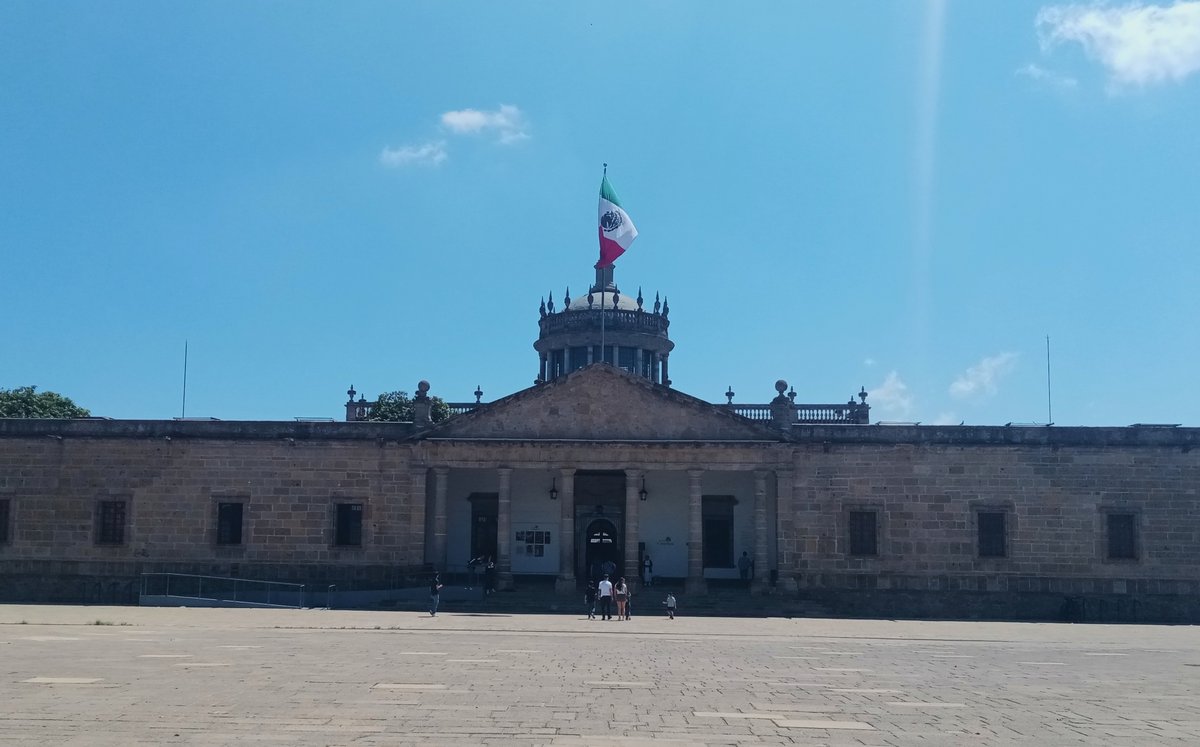
- Plaza Imelda Virgen, adjacent to Plaza de Armas, opposite the Palacio de Gobierno del Estado de Jalisco, in Guadalajara’s historic center.
Visiting Hours:
- The plaza is accessible and open to the public 24 hours a day, 7 days a week. No tickets are required.
Accessibility:
- The area features paved walkways and ramps, making it wheelchair accessible. The site is easily reached by public transport, including the Guadalajara light rail (nearest stations: Plaza Universidad and Juárez) and numerous city buses.
Visitor Tips:
- For the most impactful experience, visit during commemorative events (especially on June 5) or in the evenings to see the LED-lit replica.
- Respect the monument as a site of memory and activism.
- Check local NGO channels or social media for event updates and guided tour opportunities.
Nearby Attractions
Guadalajara’s historic center is home to several notable sites within walking distance:
- Antimonumenta: Memorial for victims of gender-based violence (Wikipedia).
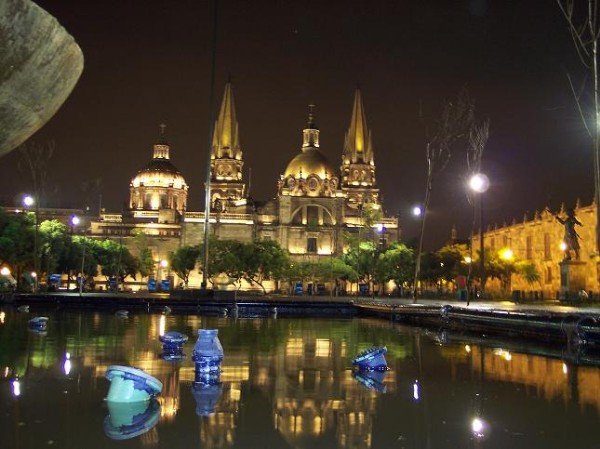
- Guadalajara Cathedral: The city’s iconic religious landmark.
- Rotonda de los Jaliscienses Ilustres: Honoring Jalisco’s notable figures.
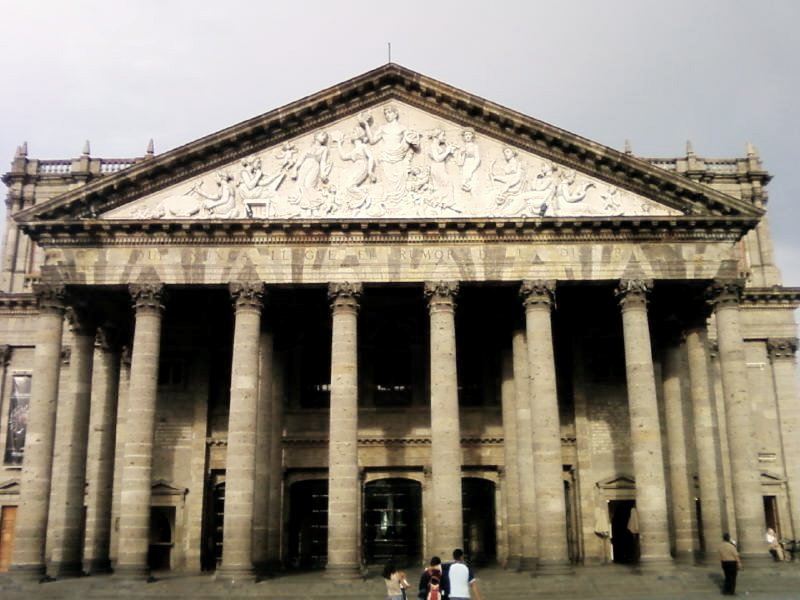
- Teatro Degollado: A historic theater hosting cultural performances.
Combining a visit to the Antimonumento 5J with these sites enriches your understanding of the city’s social and cultural landscape.
Social and Cultural Impact
The Antimonumento 5J is a focal point for both mourning and protest, transforming public space into an arena for collective action, remembrance, and healing. It is a visible challenge to state impunity and a rallying point for families of the disappeared and victims of violence. Rituals, vigils, and artistic performances at the monument personalize the broader struggle and foster community solidarity (Milenio).
Its existence—despite legal, political, and administrative obstacles—demonstrates the resilience and creativity of civil society in defending the right to memory and justice (Somos el Medio).
Frequently Asked Questions (FAQ)
Is the Antimonumento 5J currently installed?
As of July 2025, the original monument is not present due to ongoing legal and political disputes; however, a luminous replica and artistic interventions maintain its presence at the site.
Are there visiting hours or tickets required?
No. The plaza is a public space, open daily and free of charge.
Is the site accessible to visitors with disabilities?
Yes. Plaza Imelda Virgen features ramps and paved walkways.
Are guided tours available?
Some local NGOs and activist groups offer tours, especially during commemorative events. Contacting them in advance is recommended.
What is the best time to visit?
June 5 (the anniversary of the protests) and other event dates offer the most engaging experiences, but the site is meaningful year-round.
Can I take photographs?
Yes. Photography is encouraged to raise awareness and document the monument.
Listen to the full story in the app
Your Personal Curator, in Your Pocket.
Audio guides for 1,100+ cities across 96 countries. History, stories, and local insight — offline ready.
Audiala App
Available on iOS & Android
Join 50k+ Curators
Sources
- verified
- verified
- verified
- verified
- verified
- verified
- verified
Last reviewed: