Pre-Hispanic Era
castle
400 BCE
First Settlers in the Valley
Long before Spanish banners appeared, the Atemajac Valley echoed with the lives of Coca and Tecuexe peoples. At Ixtépete and El Grillo, they raised temples, farmed maize, and left behind pottery and stone platforms that still whisper under modern neighborhoods. Their presence turned the valley into a living cultural crossroads centuries before the name Guadalajara existed.
Conquest Era
swords
1532
The First Founding
Nuño de Guzmán planted the first fragile settlement of Guadalajara on 5 January at Nochistlán. It was less a city than a military camp carved out of conquered territory. Within a year it moved again, the first of four desperate relocations driven by indigenous resistance and unforgiving terrain.
swords
1540
Mixtón War Erupts
Indigenous leaders including Tenamaxtli rose against Spanish enslavement and brutality. The barely-established settlement of Guadalajara came within a hair's breadth of annihilation. The war's violence seared itself into the city's origin story and forced the final, permanent move to the Atemajac Valley.
Colonial Era
castle
1542
The Definitive Founding
On 14 February the city took root for the fourth and final time in the Atemajac Valley. Local tradition remembers Beatriz Hernández refusing to flee, declaring the settlers would make their stand here. The name Guadalajara, borrowed from Nuño de Guzmán's Spanish hometown, was now permanently fixed to Mexican soil.
gavel
1560
Capital of Nueva Galicia
The Royal Audiencia and bishopric transferred from Compostela to Guadalajara, making it the undisputed political and religious heart of western New Spain. Suddenly a frontier outpost became an administrative powerhouse. Its authority stretched across vast territories that would later become Jalisco, Zacatecas, and beyond.
church
1561
Cathedral Construction Begins
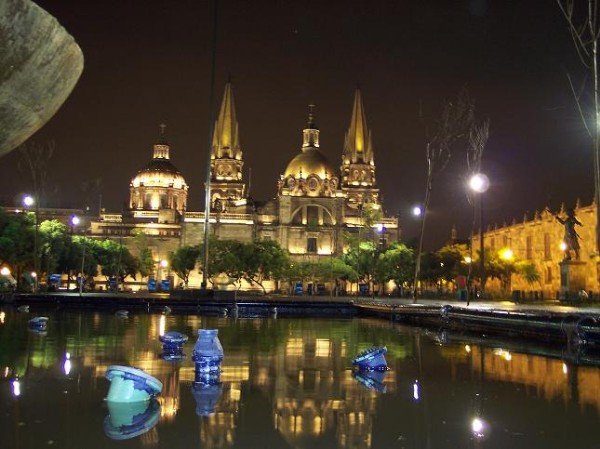
On 31 July, work started on the Catedral Metropolitana. Built on the site of an earlier parish church, its construction would stretch across generations, surviving fires and earthquakes. The cathedral became the city's most enduring visual signature and the physical expression of its new status.
local_fire_department
1574
Cathedral Destroyed by Fire
A devastating fire tore through the unfinished cathedral just thirteen years after construction began. The damage was so severe that rebuilding efforts dragged on for decades. The disaster taught the young city that even its most sacred symbols were vulnerable.
school
1792
University Opens Its Doors
The Royal University of Guadalajara welcomed its first students on 3 November. Established by royal decree the previous year, it quickly became the intellectual center of western Mexico. Its founding marked the city's transition from mere administrative capital to a place that shaped minds.
Independence Era
gavel
1810
Hidalgo's Revolutionary Decree
Miguel Hidalgo entered Guadalajara in late November and on 6 December issued his famous decree abolishing slavery and ending indigenous tributes. The city became a temporary insurgent capital and the printing press of El Despertador Americano spread revolutionary ideas across the region.
local_fire_department
1818
The Great Earthquake
On 31 May a catastrophic earthquake collapsed the cathedral's towers and dome. The destruction was so complete that the iconic neoclassical towers we see today are entirely 19th-century replacements. The city spent decades healing its most visible wound.
Independent Mexico
gavel
1823
Capital of Free Jalisco
Guadalajara became the official capital of the new sovereign state of Jalisco. After centuries as the seat of Nueva Galicia, it now governed itself within the Mexican federation. The transition was turbulent, marked by local rebellions and political uncertainty.
gavel
1858
Juárez Saved in the Government Palace
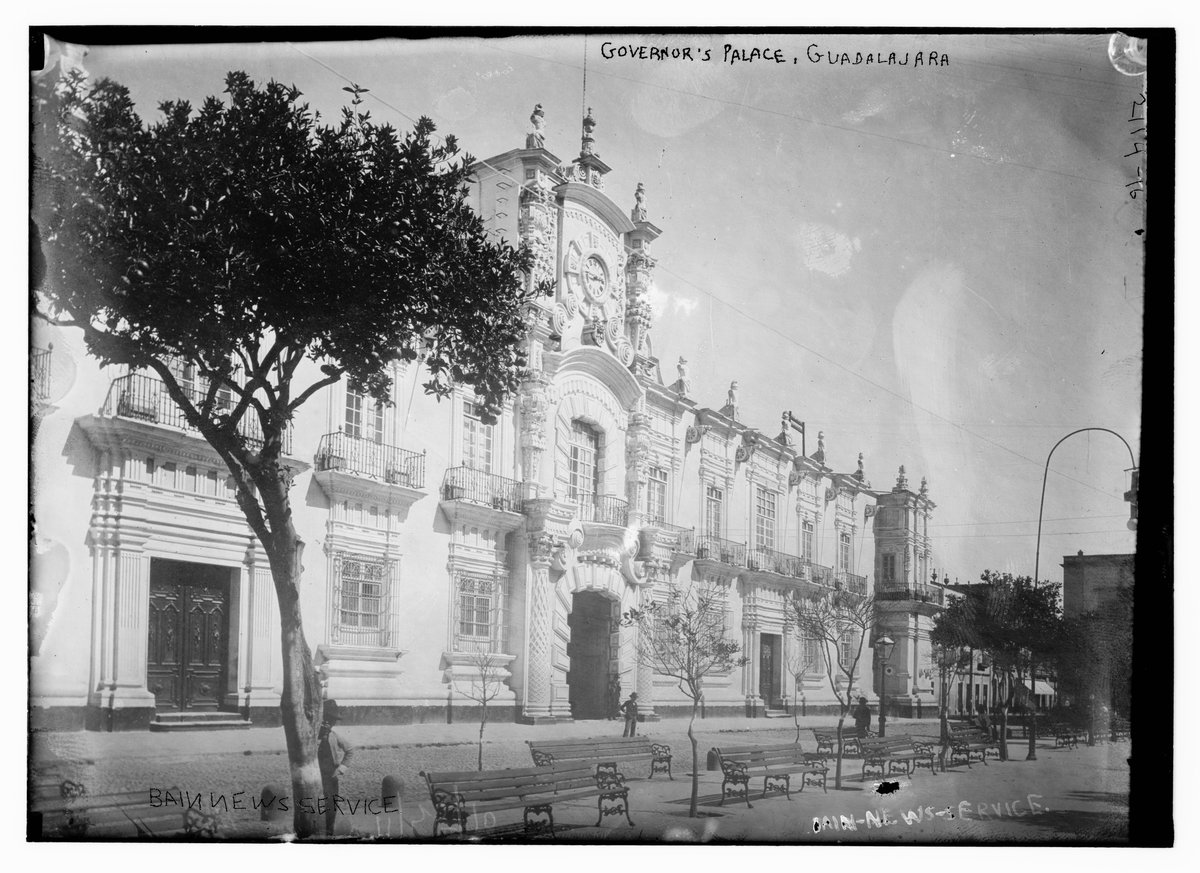
During the War of the Reform, Benito Juárez narrowly escaped assassination in the Palacio de Gobierno when Guillermo Prieto famously declared 'los valientes no asesinan.' The dramatic episode became one of the city's most cherished liberal legends.
church
1866
Teatro Degollado Opens
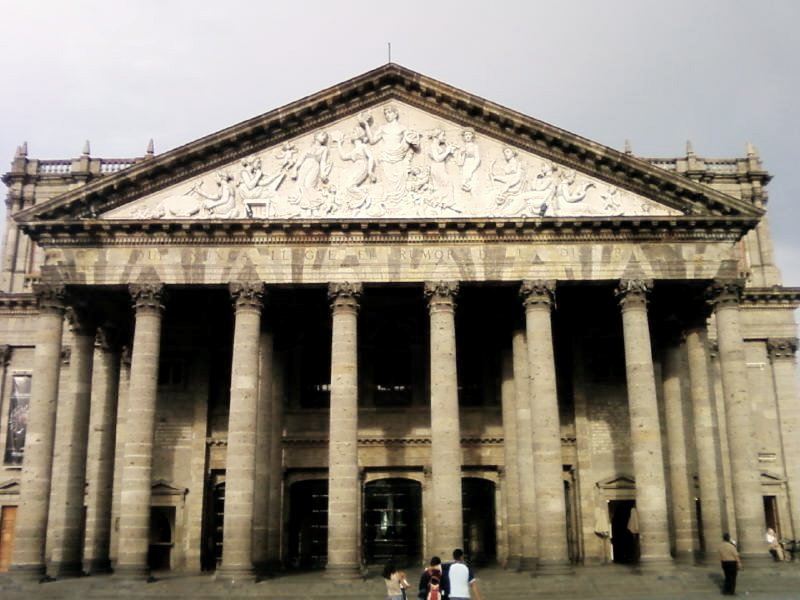
The grand Teatro Degollado was finally inaugurated after years of political interruption. Its neoclassical facade and lavish interior became the cultural heart of the city, hosting operas, plays, and revolutionary speeches for generations to come.
Modern Era
palette
1883
José Clemente Orozco Born
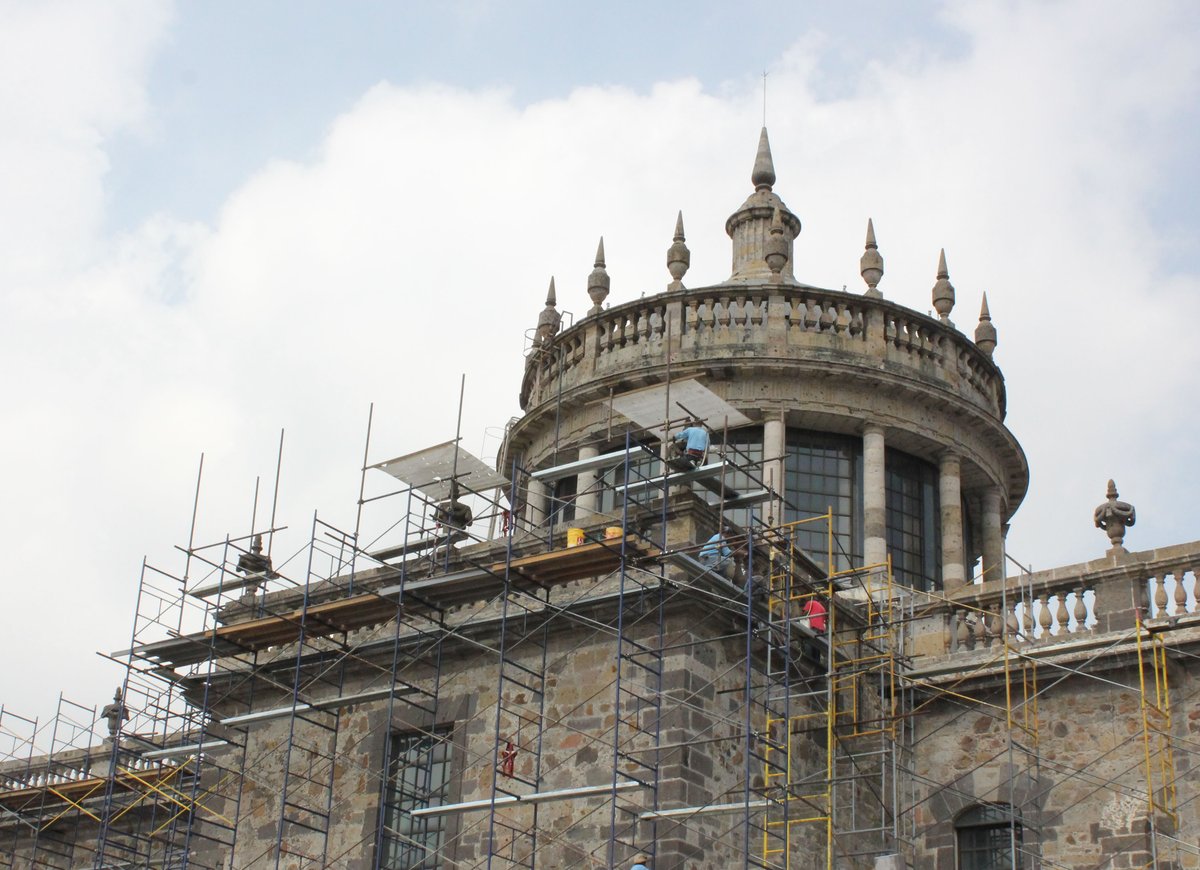
The future muralist was born in Zapotlán, but Guadalajara would become the canvas for his greatest works. His monumental frescoes in the Hospicio Cabañas and Government Palace would later define the city's 20th-century artistic identity.
factory
1909
River Vaulted Underground
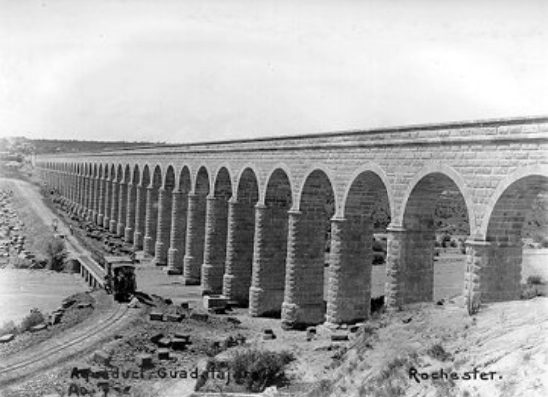
Engineers covered over the San Juan de Dios River in a massive urban modernization project. What had been an open, sometimes foul waterway became subterranean infrastructure. The project symbolized Porfirian ambition but erased a key piece of the city's sensory history.
swords
1926
Cristero Rebellion Ignites
On 3 August armed Catholics barricaded themselves inside the Santuario de Guadalupe and exchanged fire with federal troops. Jalisco became one of the bloodiest theaters of the Cristero War. The conflict left deep scars on both the city and the national psyche.
palette
1938
Orozco Paints El Hombre de Fuego
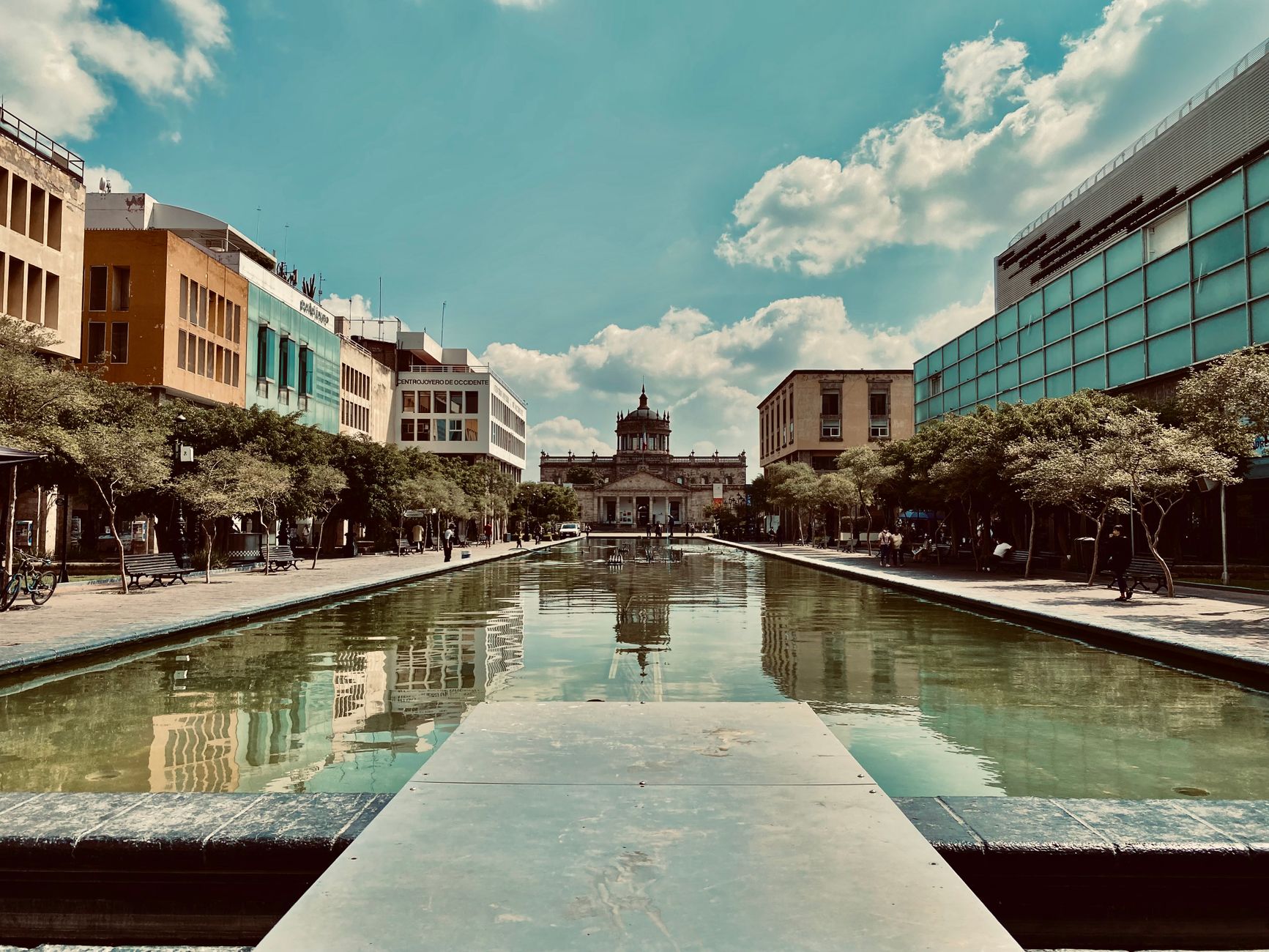
José Clemente Orozco began his masterpiece cycle of 57 murals inside the Hospicio Cabañas. The centerpiece, 'El Hombre de Fuego,' still burns on the dome with almost terrifying intensity. These works transformed the former orphanage into a UNESCO-listed shrine of Mexican muralism.
factory
1964
City Reaches One Million
Guadalajara officially passed the one million inhabitant mark. What had been a regional capital was now Mexico's second-largest metropolis. The rapid postwar growth brought both industrial energy and the familiar growing pains of a city bursting at its colonial seams.
Contemporary Era
school
1987
FIL Book Fair is Born
The University of Guadalajara launched the Guadalajara International Book Fair. What began as a modest event grew into the largest Spanish-language book fair in the world. It cemented the city's reputation as a major cultural capital of the Americas.
local_fire_department
1992
The Sewer Explosions
On 22 April a series of underground gasoline explosions ripped through eight kilometers of city streets. Over 200 people died, thousands were injured, and entire neighborhoods were obliterated. The disaster remains the darkest moment in modern Guadalajara's history.
palette
1997
Hospicio Cabañas Named UNESCO Site
The Instituto Cultural Cabañas, home to Orozco's greatest murals, was inscribed on the UNESCO World Heritage List. The recognition finally gave international stature to a building and an artist that had defined the city for decades.
public
2011
Hosts Pan American Games
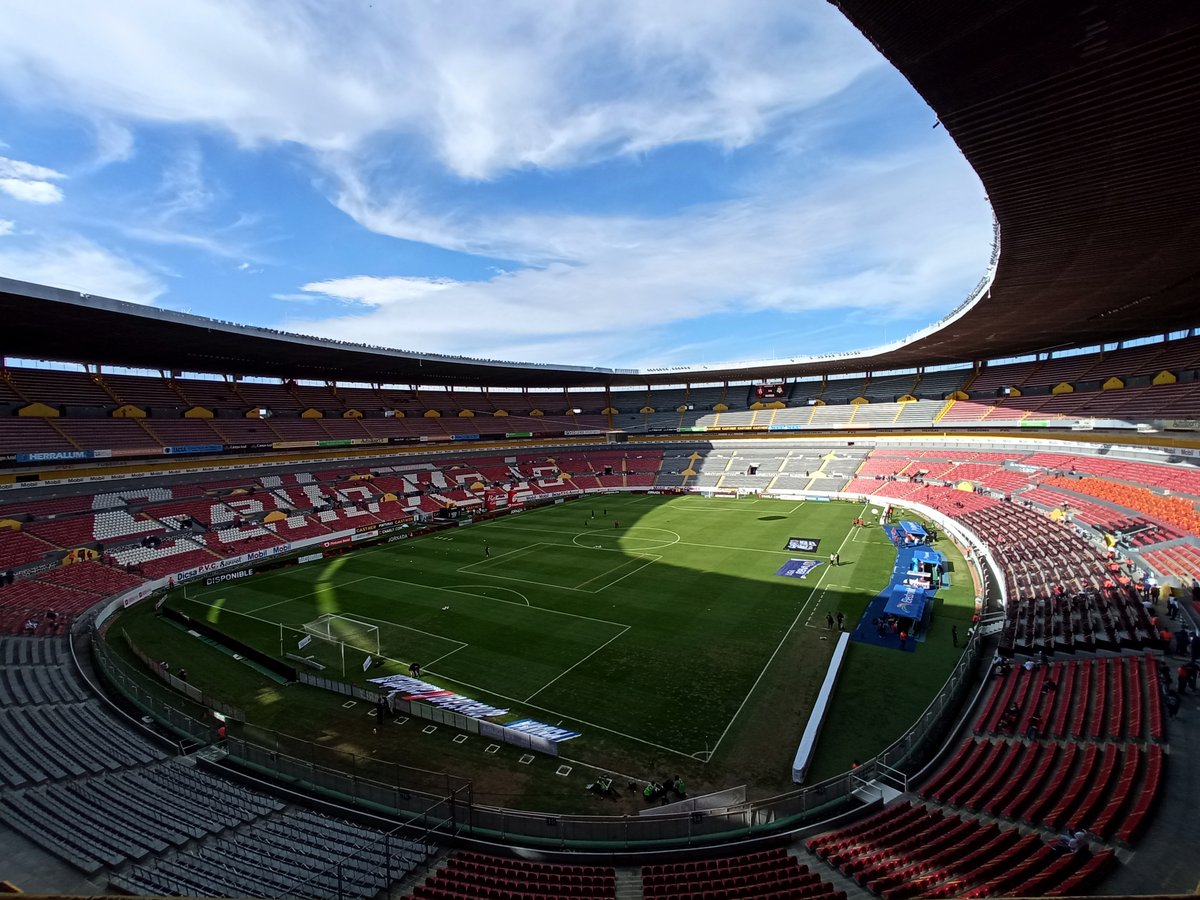
From 14 to 30 October, Guadalajara welcomed nearly 6,000 athletes from 42 nations. The city staged 361 events across 36 sports and showed the world a modern, efficient, and culturally confident face. New infrastructure from the games still serves the metropolis today.
school
2022
World Book Capital
UNESCO named Guadalajara World Book Capital for 2022. The city that had endured conquest, revolution, and catastrophic explosions now celebrated literature on the global stage, closing the circle from Hidalgo's insurgent printing press to a major literary metropolis.
flight
2025
Light Rail Line 4 Opens
On 15 December the new Line 4 of the light rail system began operations, connecting Tlajomulco, Tlaquepaque, and central Guadalajara. Over 800,000 passengers used it in its first month alone. The expansion marked another step in the city's long struggle with urban mobility.
public
2026
FIFA World Cup Host
Guadalajara prepares to host four matches during the 2026 FIFA World Cup, including Mexico's second group game on 18 June. The city that once barely survived indigenous rebellion and colonial wars now stands ready to welcome the world to its transformed metropolitan stage.