Introduction
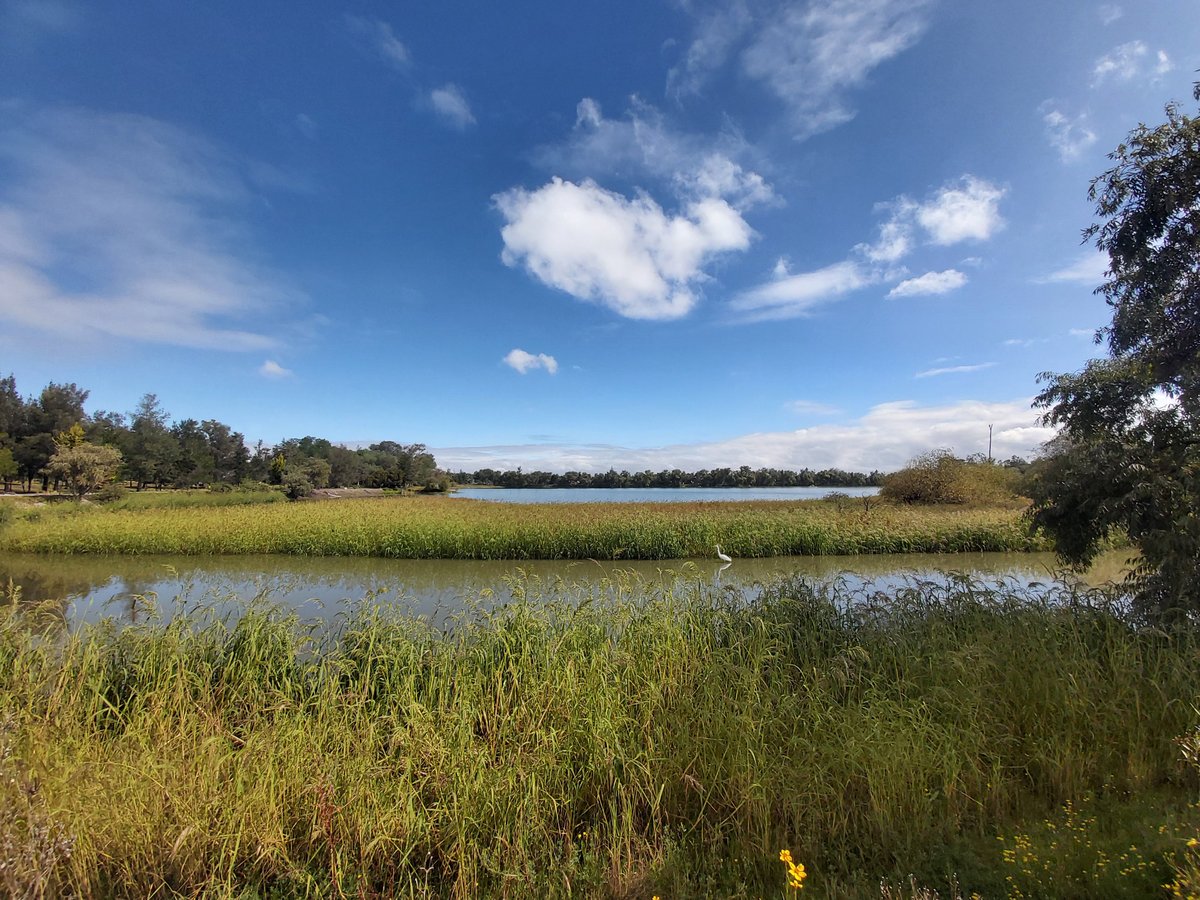
The first thing you notice about Cuautitlán Izcalli is the water. Not the sea, but the improbable lakes and reservoirs that catch the high-altitude light, fringed by white pelicans and surrounded by a city that feels both planned and accidental. This is a municipality in Mexico built in the 1970s as a modern satellite, yet its foundations are thirteen older pueblos that refuse to be forgotten. Visitors usually speed past on the highway to somewhere else, which is precisely what makes stopping here feel like a quiet revelation.
The official story says Cuautitlán Izcalli was founded in 1973, a master-planned city of wide avenues and industrial parks. The real story is older, written in the stone arches of Tepojaco and the weekly markets that have operated for centuries. You’re navigating two places at once: a functional commuter suburb of Mexico City and a collection of villages where family recipes and religious processions define the calendar. The tension between the concrete grid and the ancient footpaths is the city’s true character.
Come for the unexpected green spaces, like the Parque de las Esculturas where Charlotte Yazbek’s monumental works stand guard, or the Espejo de los Lirios where conservation work has recently brought migratory birds back to the water. Stay for the Mercado del Carmen, where the air is thick with the scent of roasting carnitas and the sound of bargaining. This isn’t a place that performs for tourists. It simply exists, with a stubborn, layered authenticity.
Forget polished plazas. The appeal here is in the contrast—the view from the Lago de Guadalupe, where cleanup barges work against invasive plants, framed by distant mountains and the hum of the metropolis. It’s a lesson in how Mexico lives, works, and persists, written in infrastructure, ecology, and the quiet resilience of daily life.
Policía Municipal de Cuautitlán podría quedarse sin trabajo
MexicoDifundePlaces to Visit
The Most Interesting Places in Cuautitlán Izcalli Municipality
Museo Nacional Del Virreinato
Mexico's premier colonial museum: a Jesuit cloister housing Latin America's largest crowned nun portrait collection, part of a UNESCO World Heritage site.
Parque Espejo De Los Lirios
Once called La Presa del Muerto, this 48-hectare wetland shelters migratory white pelicans, holds protected status since 2009, and costs nothing to enter.
What Makes This City Special
Planned City, Ancient Pueblos
Cuautitlán Izcalli was laid out on the drafting table in the 1970s, a grid of broad avenues overlaid on 13 original villages. The tension is the story: modern industrial parks sit a few blocks from San Francisco Tepojaco, where the 18th-century parish and its aqueduct arches still stand.
Sculptures and Returning Birds
The Parque de las Esculturas is the city's foundational green space, an open-air museum dedicated to Charlotte Yazbek's work. A few kilometers away, the Espejo de los Lirios wetland has been quietly recovering—white pelicans returned here in the winter of 2026.
The Metropolis's Reservoir
Lago de Guadalupe is a vast, working body of water on the city's edge. It feels more like an ecological project than a tourist spot, especially in 2026 with ongoing cleanup efforts, but that’s what makes it honest.
Notable Figures
Charlotte Yazbek
20th Century · SculptorHer sculptures define the Parque de las Esculturas, the city's central cultural landmark. Her abstract forms in stone and metal provide a permanent, modern counterpoint to the surrounding suburban sprawl. She would likely appreciate how her work created an artistic anchor in a place often defined by practicality.
Photo Gallery
Explore Cuautitlán Izcalli Municipality in Pictures
A vibrant street scene in Cuautitlán Izcalli Municipality, Mexico, showing local life with a roadside food stall and parked vehicles.
domingo arriaga nabo… · cc by-sa 3.0
The vibrant 'IZCALLI' sign serves as a prominent landmark in the Cuautitlán Izcalli Municipality of Mexico, set beneath a large architectural canopy.
LupeVelez50 · cc by-sa 4.0
A food assistance package provided by the Cuautitlán Izcalli Municipality in Mexico during the Covid-19 health crisis.
TheBellaTwins1445 · cc by-sa 4.0
A stunning aerial view of the urban landscape in Cuautitlán Izcalli Municipality, Mexico, as the sun sets over the horizon.
Miguel Angel Omaña Rojas · cc0
A bright, modern church stands amidst a landscaped garden filled with blooming bougainvillea in Cuautitlán Izcalli Municipality, Mexico.
ArCaRa · cc by 3.0
A wide-angle view of the expansive plaza surrounding the municipal building in Cuautitlán Izcalli, Mexico, under a cloudy sky.
TheBellaTwins1445 · cc by-sa 4.0
A quiet street scene in the Cuautitlán Izcalli Municipality of Mexico, featuring a distant church tower and local infrastructure.
domingo arriaga nabo… · cc by-sa 3.0
An elevated view of the Conalep Ing. Bernardo Quintana Arrioja campus in Cuautitlán Izcalli, Mexico, featuring a central pyramid monument and students on the plaza.
TheBellaTwins1445 · cc by-sa 4.0
An elevated view of the green landscapes and modern architecture in Cuautitlán Izcalli Municipality, Mexico.
No machine-readable author provided. Izcallibur assumed (based on copyright claims). · cc by-sa 2.5
The vibrant 'IZCALLI' landmark sign stands prominently under a large architectural canopy in a public square in Cuautitlán Izcalli, Mexico.
LupeVelez50 · cc by-sa 4.0
A quiet street view looking toward a church tower in the Cuautitlán Izcalli Municipality of Mexico.
domingo arriaga nabo… · cc by-sa 3.0
A peaceful, sun-drenched street in Cuautitlán Izcalli Municipality, Mexico, lined with trees and local architecture.
Izcallibur320 · cc by-sa 4.0
Practical Information
Getting There
Felipe Ángeles International Airport (NLU) is the closest, about 30 minutes south. Most international travelers arrive at Mexico City International (MEX), a 45-minute to hour drive depending on traffic. The municipality is crossed by the Mexico-Querétaro and Mexico-Pachuca highways.
Getting Around
This is car and bus territory. The Mexico City Metro doesn't reach here. Local buses and colectivos connect the neighborhoods and original pueblos. For the lakes and parks, a car is the most practical option in 2026.
Climate & Best Time
Spring (Mar-May) is dry and warm, with highs around 25°C. Summer brings afternoon rains. Winters are mild but can dip to 5°C at night. Visit between October and April for the driest weather and to see the migratory birds on the lakes.
Language & Currency
Spanish is universal. English is not widely spoken outside major chain stores or hotels. The currency is the Mexican Peso (MXN). Card payments are accepted in malls and larger restaurants, but carry cash for markets and smaller eateries.
Where to Eat
Don't Leave Without Trying
Rabbithos
cafeOrder: A morning coffee and pastry—this is where Centro Urbano locals actually start their day, not the mall chains.
Rabbithos has a perfect 5-star rating and sits in the heart of Centro Urbano where real foot traffic happens. It's the kind of place where you see the same faces every morning.
Mandy's Coffee
cafeOrder: Specialty coffee drinks and something sweet—open until 9 PM, so it's your best bet for an afternoon or early-evening coffee break in Centro Urbano.
Unlike Rabbithos, Mandy's stays open into the evening, making it the reliable cafe for both morning rush and afternoon meetings. Perfect 5-star rating with solid review volume.
100g de Amor Reposteria y Galletas New York
quick biteOrder: New York-style cookies and pastries—they specialize in the sweet, butter-forward baking that feels like a small-batch operation.
This is a proper neighborhood bakery in Cumbria, not a supermarket operation. The name says it all: 100 grams of love. Limited hours mean they're serious about quality over volume.
Pantzin
quick biteOrder: Pan dulce and pastries—Pantzin is the kind of neighborhood pastelería where the owner knows regulars by name.
Perfect rating, Centro Urbano location, and a Facebook presence that shows they're engaged with their community. This is local bakery culture at its most authentic.
Mamba izcalli
local favoriteOrder: Drinks and late-night bites—this is where you go after dinner, not where you go for dinner.
Mamba is a proper neighborhood bar in Cumbria with late hours on Wednesday (until 2 AM). It's the kind of place that anchors a block and keeps things alive after dark.
Calle del hambre
cafeOrder: Coffee and light bites—the name ('Street of Hunger') is a nod to the neighborhood's food culture.
This is a micro-cafe in Cumbria with a perfect rating. It's the kind of place that exists because locals demanded it, not because a corporation planned it.
Mini.pancake
cafeOrder: Pancakes and coffee—this is a specialist cafe, not a generalist. They do one thing and do it well.
Perfect 5-star rating and extended hours (until 9 PM) make Mini.pancake the go-to for breakfast or a sweet afternoon break in Centro Urbano. Focused menu, loyal following.
Bonsai Coffee Shop
cafeOrder: Specialty coffee—the name suggests a Japanese-influenced aesthetic, which probably extends to the beverage program.
Bonsai has a perfect rating and an active Facebook presence. It's a newer spot that's already earned local trust in Centro Urbano.
Dining Tips
- check Breakfast is serious business in Cuautitlán Izcalli—arrive early at cafes and markets, especially on weekends.
- check Mercado del Carmen operates daily 7 AM–6 PM and is the real heart of local eating; go for breakfast, produce, and quick antojitos.
- check Tianguis Zona de Bancos runs on Mondays around Av. de los Reyes in Centro Urbano—good for street food and local goods.
- check Many restaurants accept cards and take reservations, but some smaller spots (especially taquerías) prefer cash.
- check La Calle del Hambre is a late-night food corridor—plan a strip crawl rather than a single sit-down meal.
- check Centro Urbano and Cumbria are the two main food zones; don't limit yourself to mall restaurants for every meal.
Restaurant data powered by Google
Tips for Visitors
Visit in Dry Season
The best months are November to April. You'll avoid the heaviest rains and get the clearest views of the lakes and migrating birds.
Use Local Transport
Combi vans and municipal buses are the most efficient way to move between the modern city center and the older pueblos. Taxis are plentiful but cost more.
Eat at the Market
For the most authentic and affordable local food, head to Mercado del Carmen. Skip the chain restaurants in the malls.
Birdwatch at Dawn
The lakes, especially Espejo de los Lirios, are most active with birdlife early in the morning. Bring binoculars and a long lens.
Check Festival Dates
The municipality's character comes alive during local patron saint festivals in its 13 original pueblos. Ask locally or check the municipal calendar.
Explore the city with a personal guide in your pocket
Your Personal Curator, in Your Pocket.
Audio guides for 1,100+ cities across 96 countries. History, stories, and local insight — offline ready.
Audiala App
Available on iOS & Android
Join 50k+ Curators
Frequently Asked
Is Cuautitlán Izcalli Municipality worth visiting? add
It depends. If you want polished colonial centers or resort beaches, no. If you're curious about the texture of everyday Mexico—where modern planned suburbs sit atop ancient villages, and lakes attract pelicans just north of the capital—then yes. It's a revealing, unvarnished look at suburban life.
How many days should I spend in Cuautitlán Izcalli? add
One full day is enough for the highlights. Start at Parque de las Esculturas, visit a lake like Espejo de los Lirios, explore a pueblo like San Francisco Tepojaco, and finish with dinner at Mercado del Carmen. It works perfectly as a day trip from Mexico City.
How do I get to Cuautitlán Izcalli from Mexico City? add
Take a bus or combi from Terminal del Norte (North Bus Terminal) heading towards Cuautitlán or Tula. The trip takes about 45 minutes to an hour depending on traffic. Driving via the Periférico Norte and Highway 57D is straightforward.
Is Cuautitlán Izcalli safe for tourists? add
Exercise normal big-city precautions. The main commercial and park areas are generally safe during the day. Stick to populated spots, avoid isolated areas after dark, and be discreet with valuables, just as you would in any part of the greater Mexico City metro area.
What is there to do in Cuautitlán Izcalli? add
Walk the open-air sculpture park, spot migratory birds on the lakes, explore the colonial arches in San Francisco Tepojaco, and eat at the local market. The experience is about contrast: 1970s urban planning meets older pueblos and significant natural reservoirs.
Sources
- verified Municipio de Cuautitlán Izcalli - Turismo — Official municipal tourism PDF detailing key sites like Parque de las Esculturas, Espejo de los Lirios, and the 13 pueblos.
- verified Los 13 Pueblos origen de Cuautitlán Izcalli — Article detailing the history and identity of the 13 original villages that form the foundation of the modern municipality.
- verified Regresan pelícanos blancos al parque Espejo de los Lirios — News article confirming the return of white pelicans to Espejo de los Lirios in 2026, used for wildlife and conservation details.
Last reviewed: