Plan and listen to Upper Barrakka Gardens with Audiala.
Audio guide in your pocket, itinerary in your browser. Built for the way you actually visit.
Introduction: Why Visit the Upper Barrakka Gardens?
Perched atop Valletta’s highest fortifications, the Upper Barrakka Gardens offer visitors an unrivaled blend of history, panoramic vistas, and cultural vitality. Originally a private retreat for the Italian Knights of the Order of St. John, these gardens have evolved into one of Malta’s most cherished public spaces. With commanding views of the Grand Harbour and the Three Cities, elegant Baroque architecture, and a calendar rich in cultural events, the Upper Barrakka Gardens are an essential stop for any traveler seeking to understand the soul of Valletta.
This guide provides detailed information on visiting hours, ticketing, accessibility, historical context, and nearby attractions, ensuring a seamless and enriching experience. Whether you are a history enthusiast, photographer, or simply exploring Malta’s capital, the Upper Barrakka Gardens promise a memorable visit.
For additional planning resources and visitor guides, see:
Holidify | Very Valletta | Education Malta
- Introduction
- Historical Origins and Development
- Transition to Public Space
- Architectural and Artistic Highlights
- The Saluting Battery
- The Upper Barrakka Lift
- Visiting Hours, Ticketing, and Accessibility
- Nearby Attractions
- Special Events and Cultural Impact
- Visitor Tips
- Frequently Asked Questions
- Conclusion and Final Recommendations
- Sources

1. Historical Origins and Development
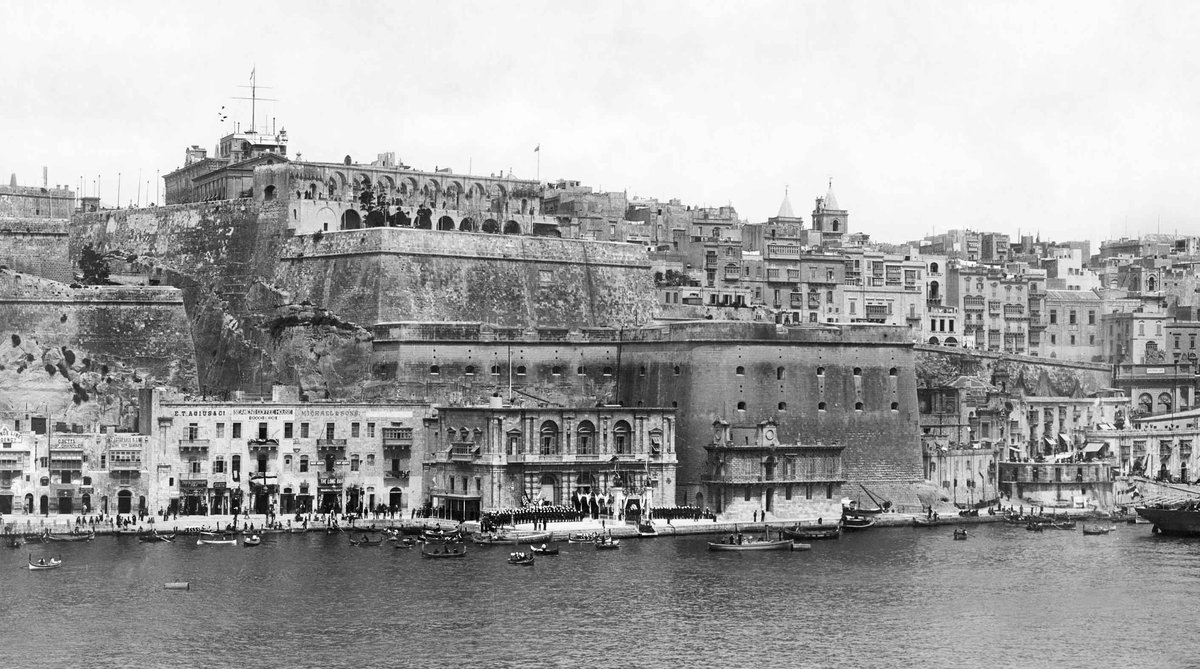
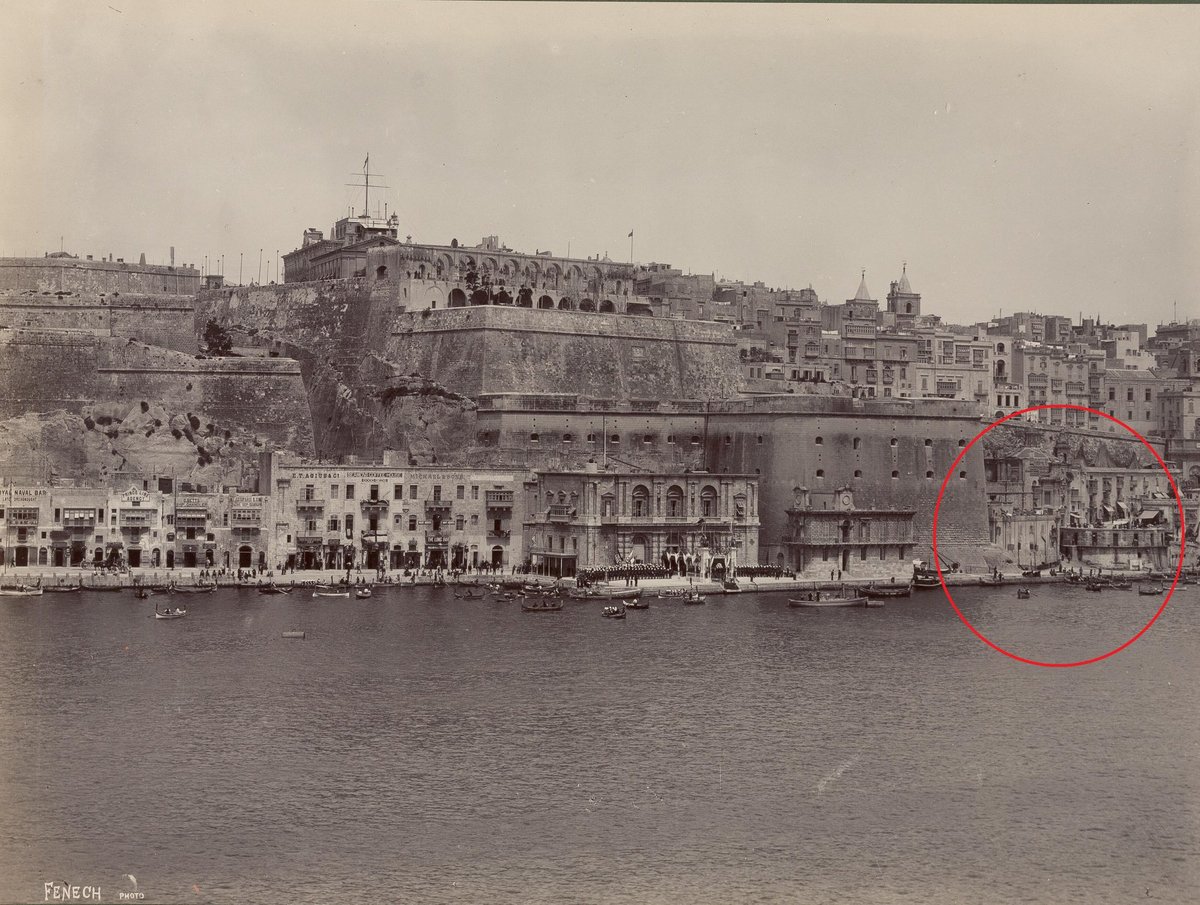
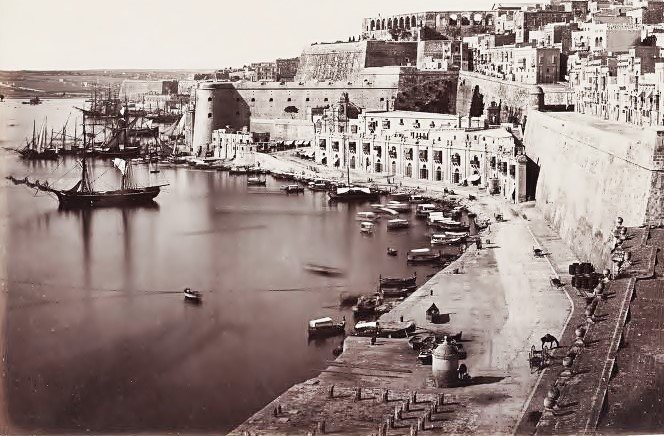
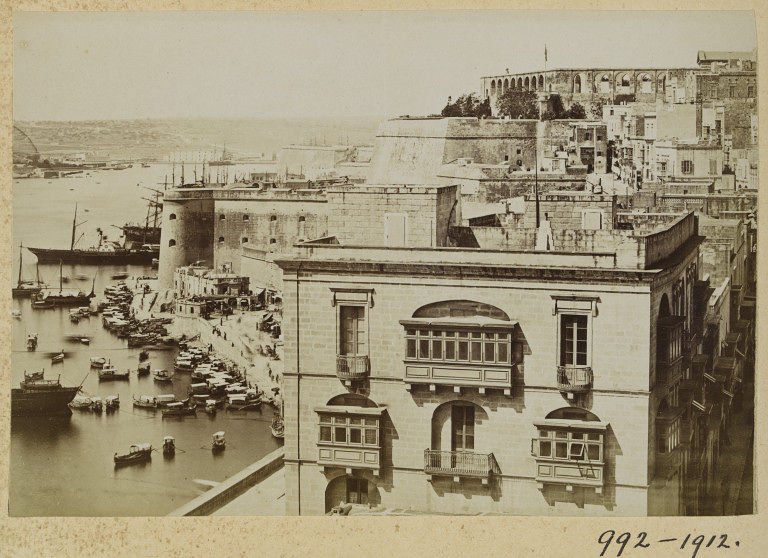
Valletta was founded in the wake of the Great Siege of 1565, a critical moment in Maltese history. The Upper Barrakka Gardens were established in 1661 on the St. Peter and St. Paul Bastion. Initially, they served as a private sanctuary for the Italian Knights of the Order of St. John. The gardens’ strategic location provided both a vantage point for defense and a tranquil space for contemplation (Holidify; Very Valletta).
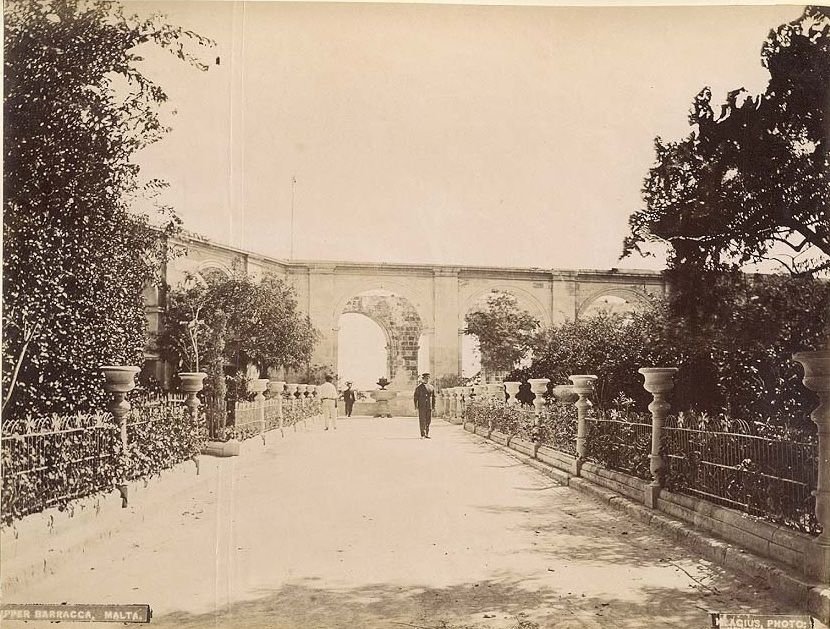
The gardens’ original Italianate design featured arcaded walkways, lush flower beds, and shaded colonnades. Their placement atop Valletta’s eastern ramparts symbolized the blend of military might and refined leisure that defined the Knights’ era (Education Malta).
2. Transition to a Public Park
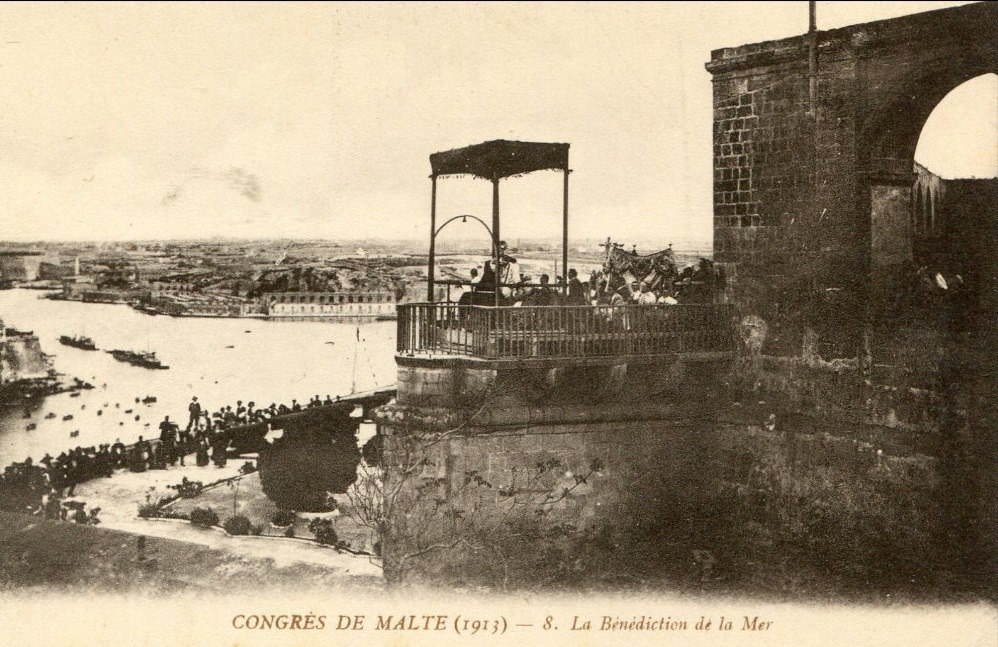
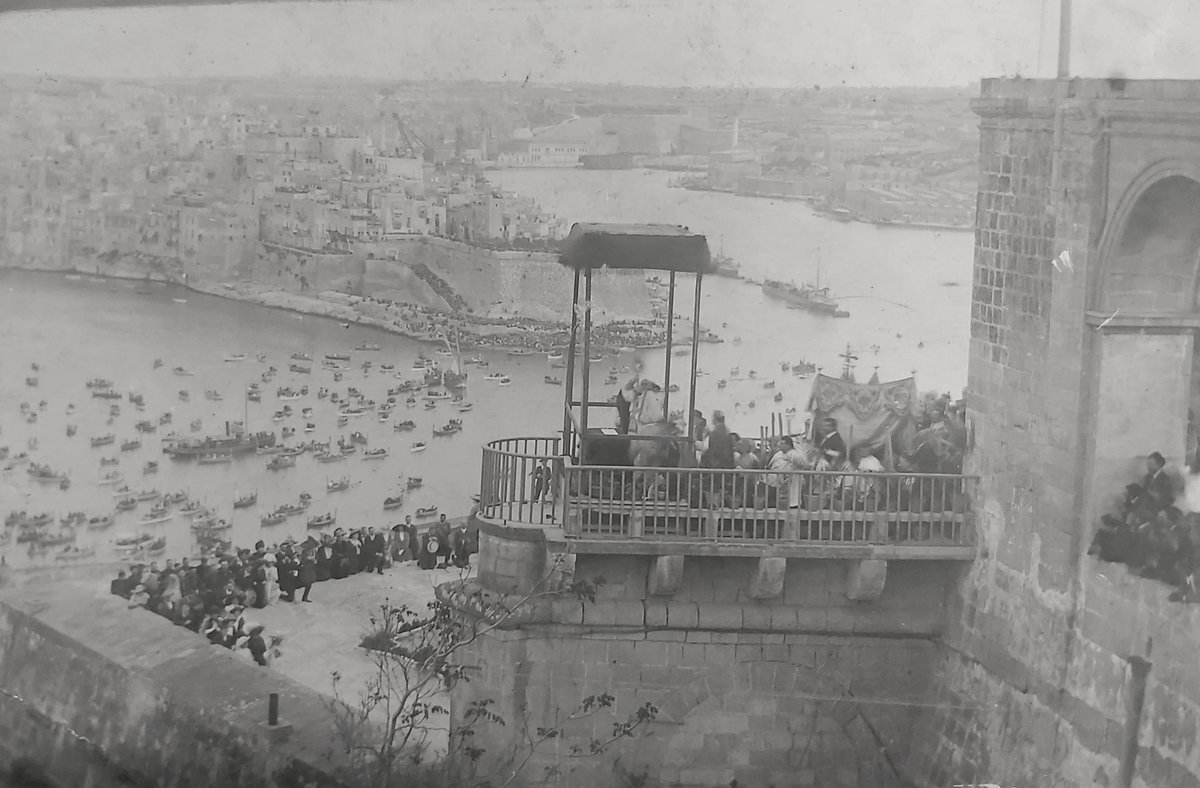
The French occupation ended in 1800, ushering in British rule and significant social change. By 1824, the Upper Barrakka Gardens were opened to the public. During the British period, new landscaping, pathways, and commemorative monuments were added, making the gardens a popular gathering place for both locals and visitors (Very Valletta). The arcades at the end of the gardens were modified after the 1775 Priests’ Revolt—removing their ceiling to discourage secret meetings (Culture Malta).
3. Architectural and Artistic Highlights
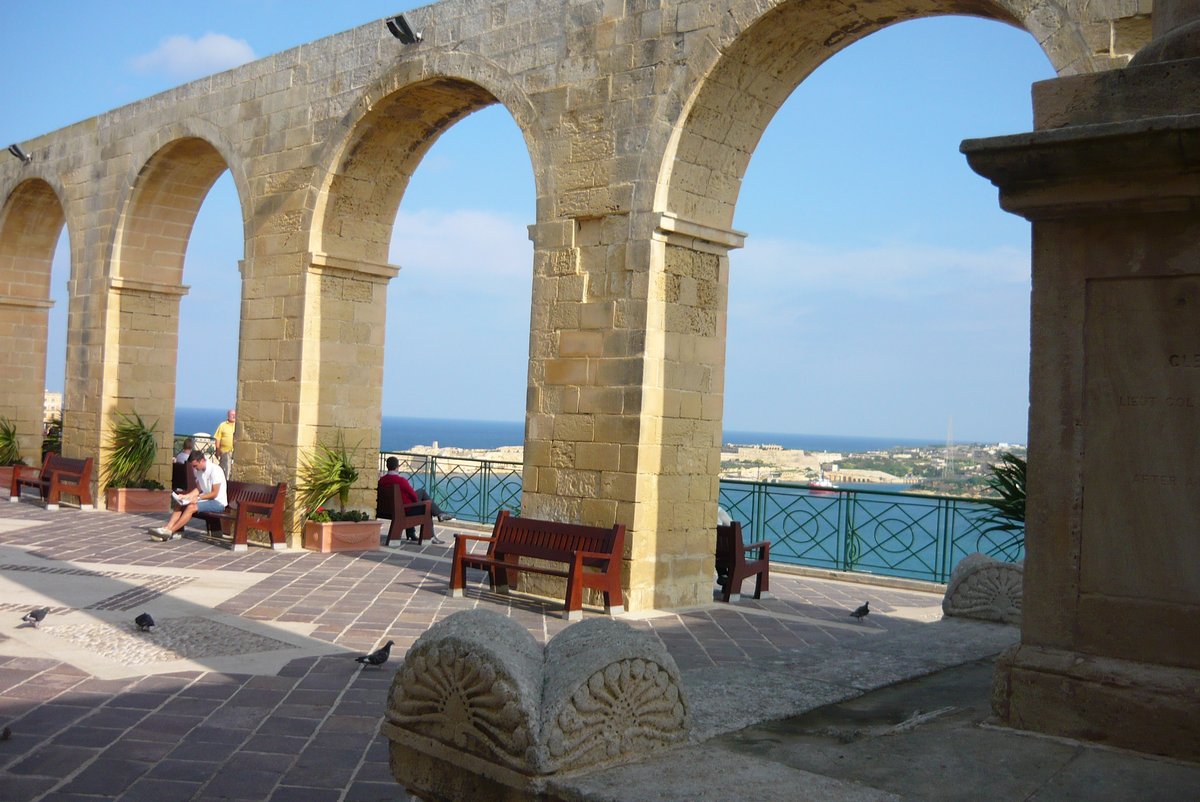
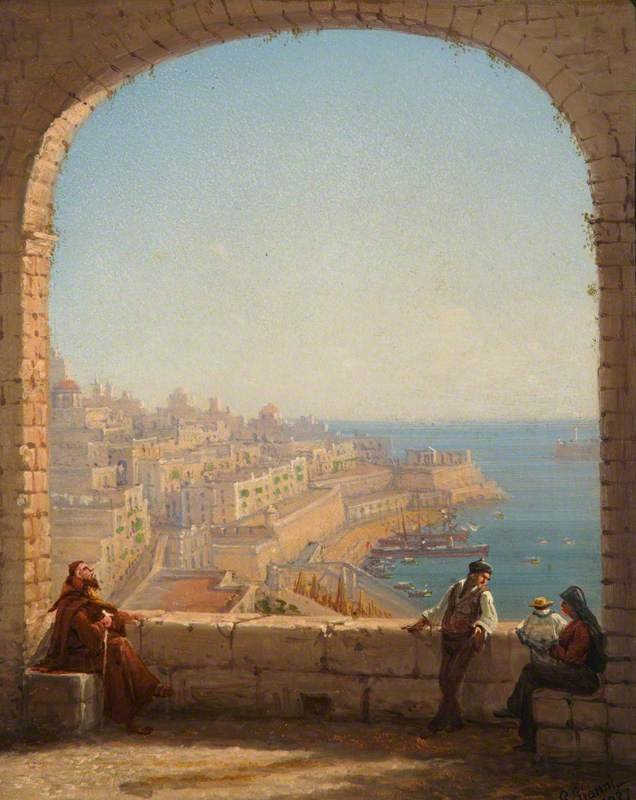
The gardens are celebrated for their Baroque colonnades—arched structures that elegantly frame views of the Grand Harbour and the Three Cities: Birgu, Senglea, and Cospicua (Trip.com). Statues and plaques commemorate figures such as Sir Winston Churchill, Sir Alexander Ball, and Sir Thomas Maitland. Particularly notable is Antonio Sciortino’s “Les Gavroches,” a sculpture symbolizing resilience and youth (Holidify).
The gardens’ meticulously maintained Mediterranean landscaping features mature trees, seasonal blooms, fountains, and ornamental arches, providing a tranquil oasis in the heart of Valletta.
4. The Saluting Battery: Valletta’s Living History
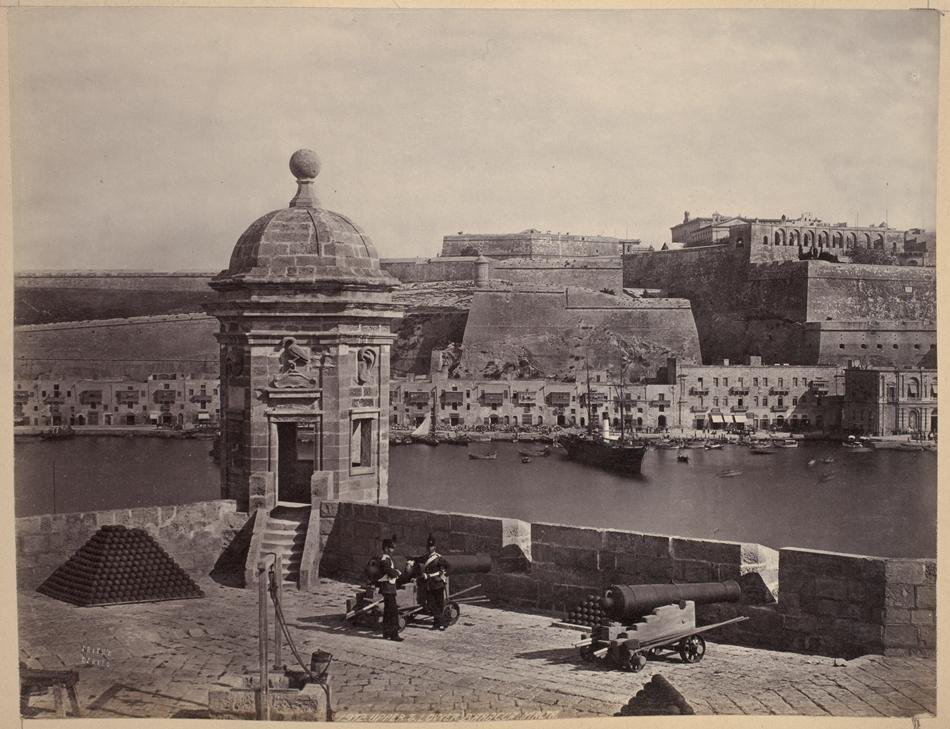
Beneath the gardens lies the Saluting Battery, one of the world’s oldest operational artillery platforms. Established by the Knights, the battery historically fired salutes for dignitaries and ships. Today, the tradition continues daily at noon (and sometimes at 4 PM), drawing crowds to witness the ceremonial cannon firing by members of the Malta Heritage Society in period uniforms (Bald Hiker).
- Tip: Arrive at least 15 minutes before noon for the best viewing spot.
5. The Upper Barrakka Lift
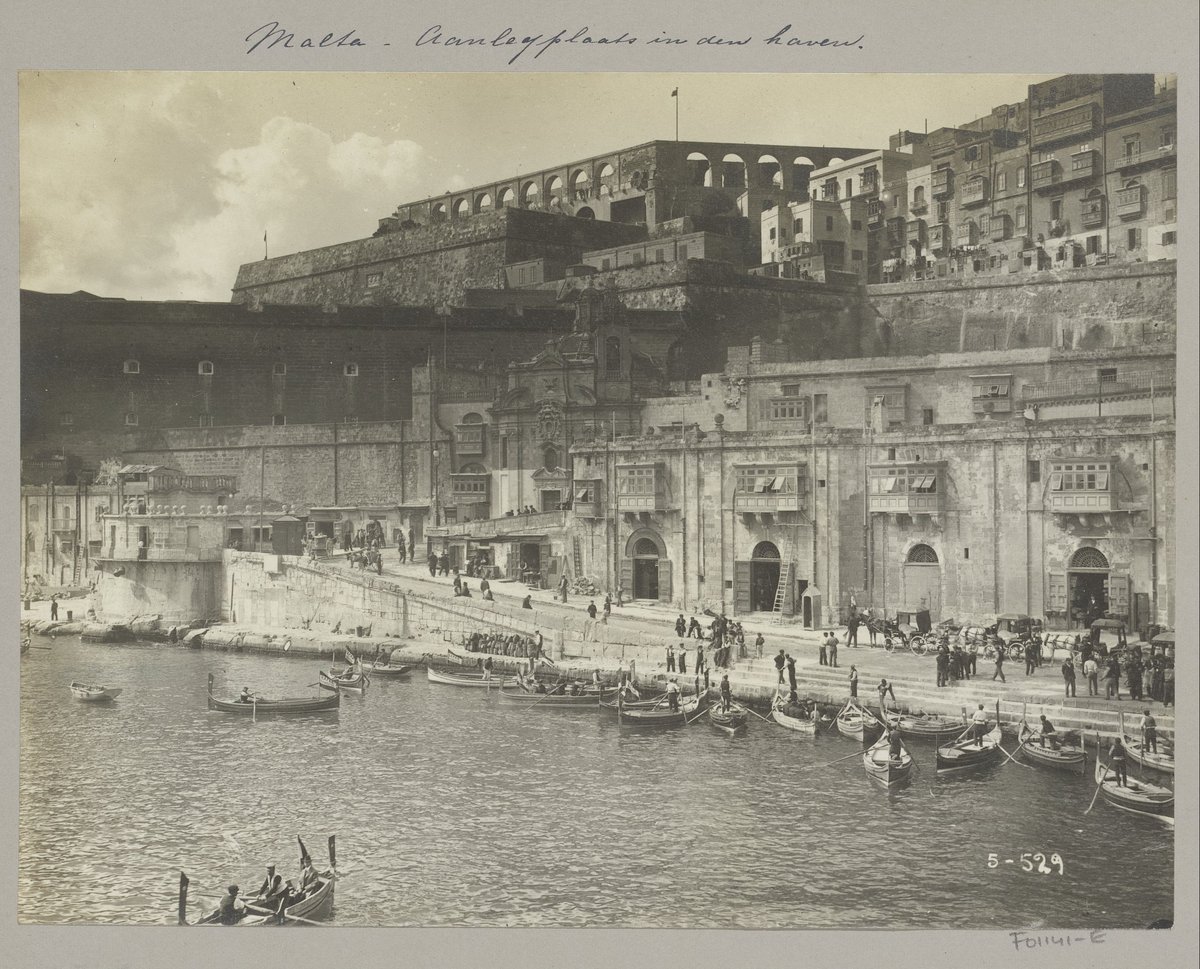
The Upper Barrakka Lift, originally constructed in 1905 and modernized in 2012, connects the Grand Harbour waterfront to the gardens above. The glass elevator rises 58 meters and is capable of transporting up to 800 people per hour. This efficient link is both a convenience for visitors and a symbol of Valletta’s blend of heritage and modernity (Very Valletta; Culture Malta).
- Cost: €1 for a return ticket.
6. Visiting Hours, Ticketing, and Accessibility
- Opening Hours: 7:00 AM – 10:00 PM daily.
- Admission: Entry to the gardens is free.
- Saluting Battery: Access to the battery and guided tours requires a ticket, available on-site or online. Discounts often apply for children, seniors, and residents.
- Accessibility: The gardens are wheelchair accessible, with paved paths and ramps. The Barrakka Lift ensures easy access from the waterfront.
- Facilities: Public restrooms, a café/kiosk serving snacks and drinks, and ample seating are available.
7. Nearby Attractions
The Upper Barrakka Gardens are a short walk from several key sites:
- Lascaris War Rooms: WWII underground command center.
- Auberge de Castille: Now the Prime Minister’s office.
- Lower Barrakka Gardens: A quieter, scenic park nearby.
- St. John’s Co-Cathedral: Home to Caravaggio masterpieces.
- Valletta Waterfront: Lined with restaurants and shops, accessible via the Barrakka Lift.
8. Special Events and Cultural Impact
The gardens are a vibrant cultural hub, hosting events such as:
- Delicata Classic Wine Festival: Annual celebration of Maltese wine and music (Whatson Malta).
- Valletta Local Food Festival: Showcasing Maltese cuisine (Valletta Cultural Agency).
- Dance Festival Malta: Open-air dance performances (All Events).
These events animate the gardens and foster a sense of community, bridging Malta’s storied past with contemporary life.
9. Visitor Tips
- Best Time to Visit: Early morning or late afternoon for fewer crowds and optimal lighting.
- Photography: Panoramic shots of the Grand Harbour are best from the arched terrace.
- Weather: Summers are hot; spring and autumn offer milder temperatures and vibrant blooms.
- Refreshments: Enjoy Maltese pastries and coffee at the garden kiosk.
- Relaxation: Benches and shaded spots provide respite from the city bustle.
10. Frequently Asked Questions (FAQs)
Q: What are the Upper Barrakka Gardens visiting hours?
A: Open daily from 7:00 AM to 10:00 PM.
Q: Is entry free?
A: Yes, admission is free.
Q: Is the Saluting Battery included?
A: The battery requires a separate ticket.
Q: Are the gardens wheelchair accessible?
A: Yes, with paved paths, ramps, and the Barrakka Lift.
Q: Are guided tours available?
A: Yes, particularly for the Saluting Battery and nearby sites.
Q: How can I get there?
A: Walk from Valletta City Gate, take a bus to the nearby terminal, or use the Barrakka Lift from the waterfront.
Listen to the full story in the app
The whole Upper Barrakka Gardens,
told well.
Listen to sourced travel stories with local history and practical context — ready offline.
Verified, and shown.
Researched and written by the Audiala editorial team from historical records, architectural archives, and local expertise.
Built from cited sources · see the method · How we make our guides →