Plan and listen to St Paul'S Pro-Cathedral with Audiala.
Audio guide in your pocket, itinerary in your browser. Built for the way you actually visit.
Introduction
St Paul’s Pro-Cathedral in Valletta stands as a testament to Malta’s layered history, blending British colonial influence with the island’s deep-rooted Christian tradition. Commissioned by Queen Adelaide in the 19th century, this neoclassical Anglican cathedral offers a unique contrast to Valletta’s famed Baroque cityscape. Its prominent 60-metre spire punctuates the skyline, while its interior provides a serene haven for worship, reflection, and cultural engagement. With free admission, accessible facilities, and its strategic central location, St Paul’s Pro-Cathedral is an essential stop for travelers, history enthusiasts, and architecture admirers alike. This guide details its history, architectural highlights, visiting hours, ticketing, and practical tips to help you make the most of your visit.
For the latest information, consult the St Paul’s Pro-Cathedral official website and related Valletta travel guides.

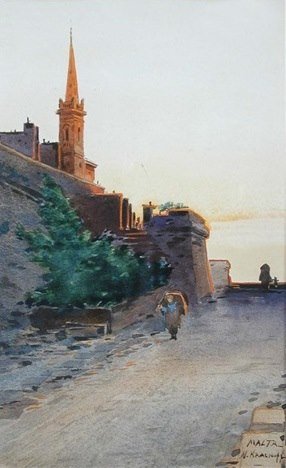
Historical Background and Significance
Origins and Foundation
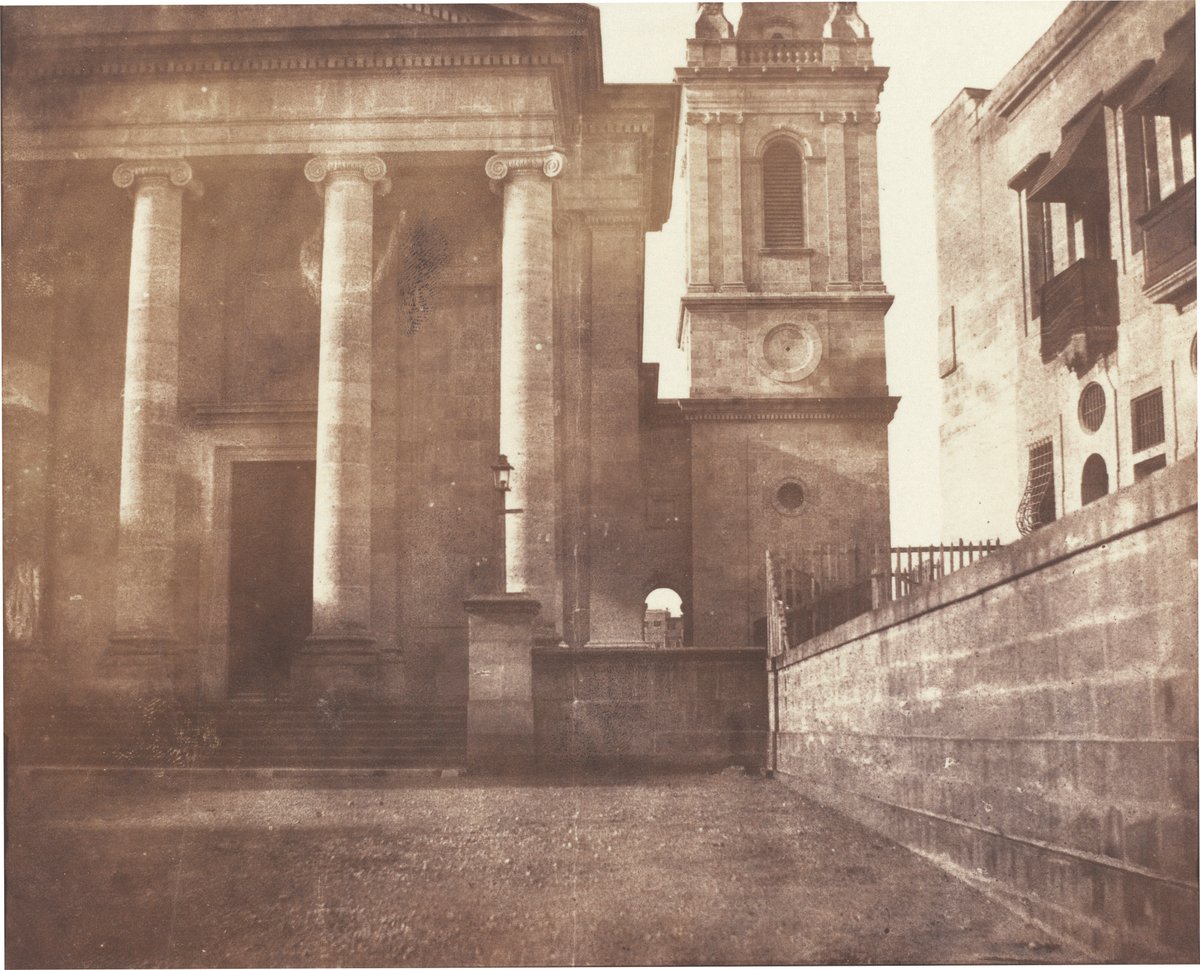
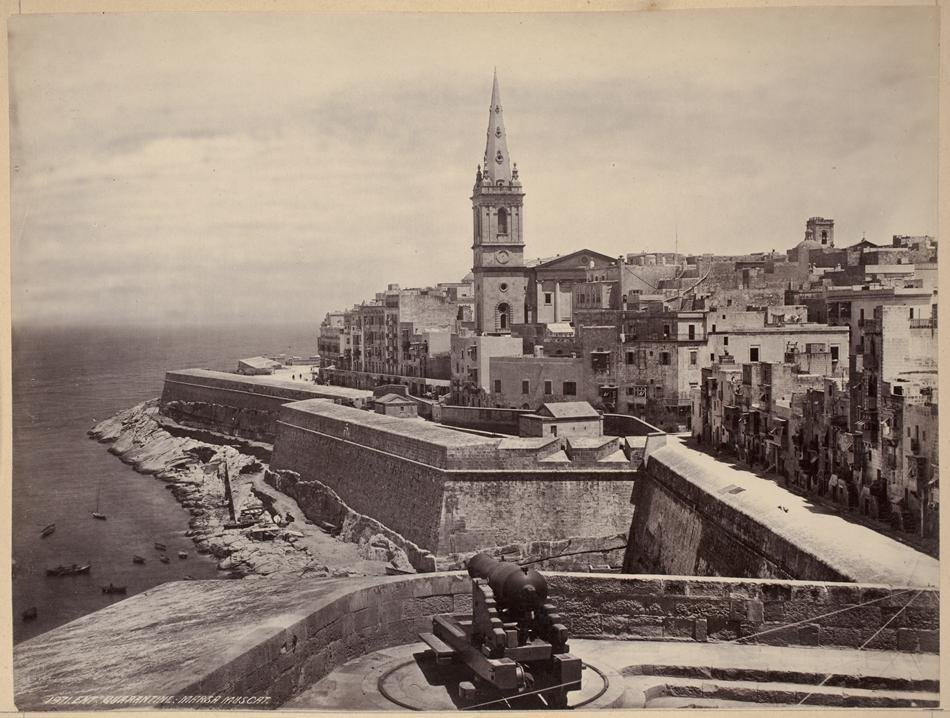
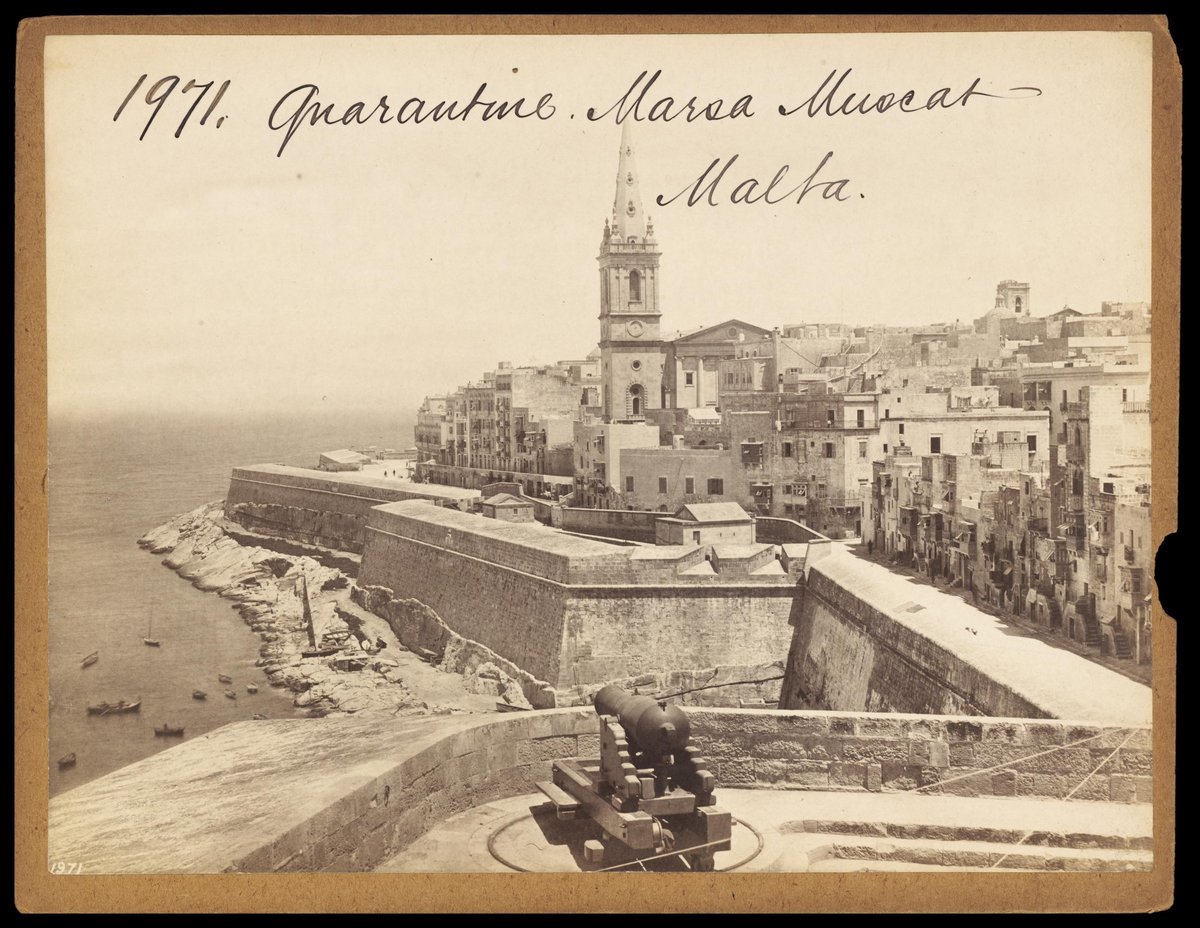
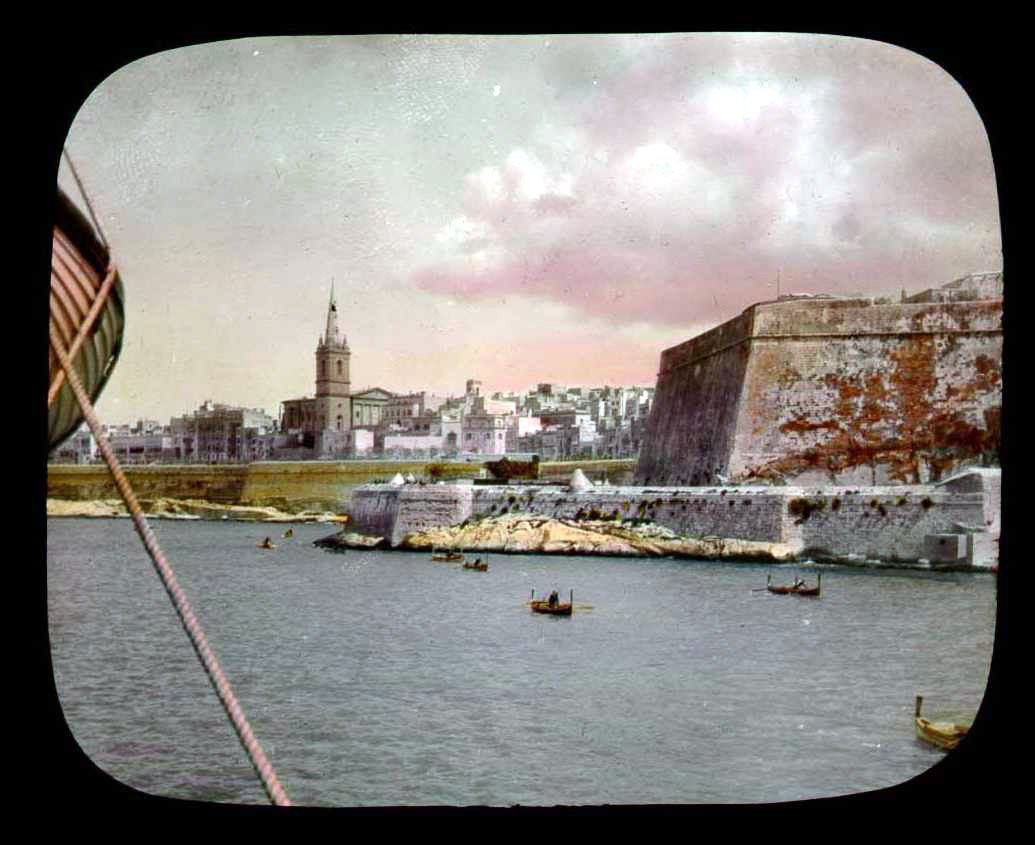
St Paul’s Pro-Cathedral was established in response to the increasing British presence in Malta, following the expulsion of the French in 1800. The Anglican community, comprised of officials, military personnel, and expatriates, required a dedicated place of worship. Queen Adelaide, widow of King William IV, recognized this need during her visit in 1838. She financed the cathedral’s construction, and the foundation stone was laid in 1839 on the site of the former Auberge d’Allemagne, a building linked to the Knights of St John (St Paul’s Pro-Cathedral History & Heritage).
Construction and Wartime History
Designed by British architect William Scamp, the cathedral was completed in 1844 in a neoclassical style, contrasting sharply with Valletta’s Baroque buildings. The structure’s nave, Corinthian columns, and soaring spire became instant landmarks. During World War II, St Paul’s Pro-Cathedral suffered damage from air raids; restoration efforts post-war preserved both its structure and its symbolic role as a beacon of faith and resilience (St Paul’s Pro-Cathedral History & Heritage).
Religious and Cultural Importance
Serving as the pro-cathedral of the Anglican Diocese in Europe, St Paul’s remains a vital religious and community hub. Its dedication connects it to the apostle Paul’s legendary shipwreck on Malta in AD 60, linking British Anglicanism with the island’s ancient Christian roots (Wikipedia).
The cathedral hosts regular worship services, national commemorations, and international events, reflecting its ongoing importance in Malta’s religious and social landscape (Times of Malta).
Visitor Information
Visiting Hours
- Monday to Saturday: 09:00 – 17:00
- Sunday: 10:30 – 12:30 (service hours)
Hours may vary during holidays and special events. Always check the official website for updates.
Tickets and Admission
- Entry: Free
- Donations: Appreciated to support ongoing restoration and maintenance.
Accessibility
- Wheelchair Access: The main entrance is accessible, with ramps and assistance available upon request.
- Materials: Printed guides and audio guides are offered in multiple languages (St Paul’s Pro-Cathedral Cathedral Tour).
Guided Tours
- Availability: Daily, with booking recommended via the official site.
- Audio Guides: Available in several languages for self-guided exploration.
Photography and Conduct
- Personal Photography: Permitted, but flash and tripods are discouraged.
- Professional Photography: Requires prior permission.
- Dress Code: Modest attire requested—shoulders and knees covered. Silence is expected during services.
Location and Transport
- Address: Old Theatre Street, Valletta
- Public Transport: Valletta’s main bus terminal is a 10-minute walk away.
- Parking: Limited within city walls; use park-and-ride facilities when possible.
Architectural Highlights
St Paul’s Pro-Cathedral is a standout example of neoclassical architecture in Malta. Features include:
- Facade & Spire: The grand portico with Corinthian columns and the 60-metre spire are visible from across Valletta and the Grand Harbour (Wikipedia).
- Interior: The nave is flanked by classical columns and illuminated by stained glass windows. The high altar is adorned with religious iconography and flanked by statues.
- Artistic Details: Frescoes and memorial plaques reflect Malta’s religious history, while the 19th-century organ and bells are integral to the cathedral’s musical heritage.
Ongoing restoration projects employ advanced techniques to preserve the limestone exterior and intricate interior artworks (AP Valletta).
Facilities and Visitor Experience
Visitor Centre and The Undercroft
The cathedral’s visitor centre, housed in The Undercroft, offers interpretive displays about the Anglican community’s history in Malta, a trattoria, restrooms, and access to audio guides. Note that restoration works can affect access—check the visitor centre page for updates.
Audio Guides and Mobile App
The official audio guide app can be downloaded before your visit or on-site, providing multilingual commentary on the cathedral’s heritage and architecture (St Paul’s Pro-Cathedral Cathedral Tour).
Family-Friendly Features
Children are welcome, with content tailored to younger audiences available on the audio guide app.
Nearby Attractions
After visiting St Paul’s Pro-Cathedral, explore these Valletta highlights:
- St John’s Co-Cathedral: Baroque masterpiece with Caravaggio’s works.
- Grandmaster’s Palace: Now the seat of Malta’s Parliament and museums.
- Our Lady of Mount Carmel: Notable for its massive dome and modern interior (Malta Info Guide).
A full day in Valletta can include strolls through UNESCO-listed streets, stops at local cafés, and visits to multiple churches and museums.
Frequently Asked Questions (FAQs)
Q: What are the current visiting hours?
A: Monday to Saturday 09:00–17:00; Sunday 10:30–12:30. Always confirm on the official website.
Q: Is entry free?
A: Yes, with donations encouraged.
Q: Is the cathedral accessible for those with limited mobility?
A: Yes, ramps and assistance are offered, though some areas may be less accessible during restoration.
Q: Are guided tours available?
A: Yes—book through the official site.
Q: Can I take photographs inside?
A: Yes, but avoid flash and tripods, and respect service times.
Q: What else can I visit nearby?
A: St John’s Co-Cathedral, Our Lady of Mount Carmel, Grandmaster’s Palace, and Valletta’s museums.
Listen to the full story in the app
The whole St Paul'S Pro-Cathedral,
told well.
Listen to sourced travel stories with local history and practical context — ready offline.
Verified, and shown.
Researched and written by the Audiala editorial team from historical records, architectural archives, and local expertise.
(2023). St Paul’s Pro-Cathedral Valletta Guide. Retrieved from https://embassyvallettahotel.com/blog/2023/08/22/st-pauls-pro-cathedral/
Valletta Churches. Retrieved from https://www.maltainfoguide.com/valletta-churches.html
St Paul’s Pro-Cathedral. Retrieved from https://www.apvalletta.eu/work/st-pauls-pro-cathedral
St Paul’s Cathedral Valletta. Retrieved from https://www.free-city-guides.com/valletta/st-pauls-cathedral/
Built from cited sources · see the method · How we make our guides →