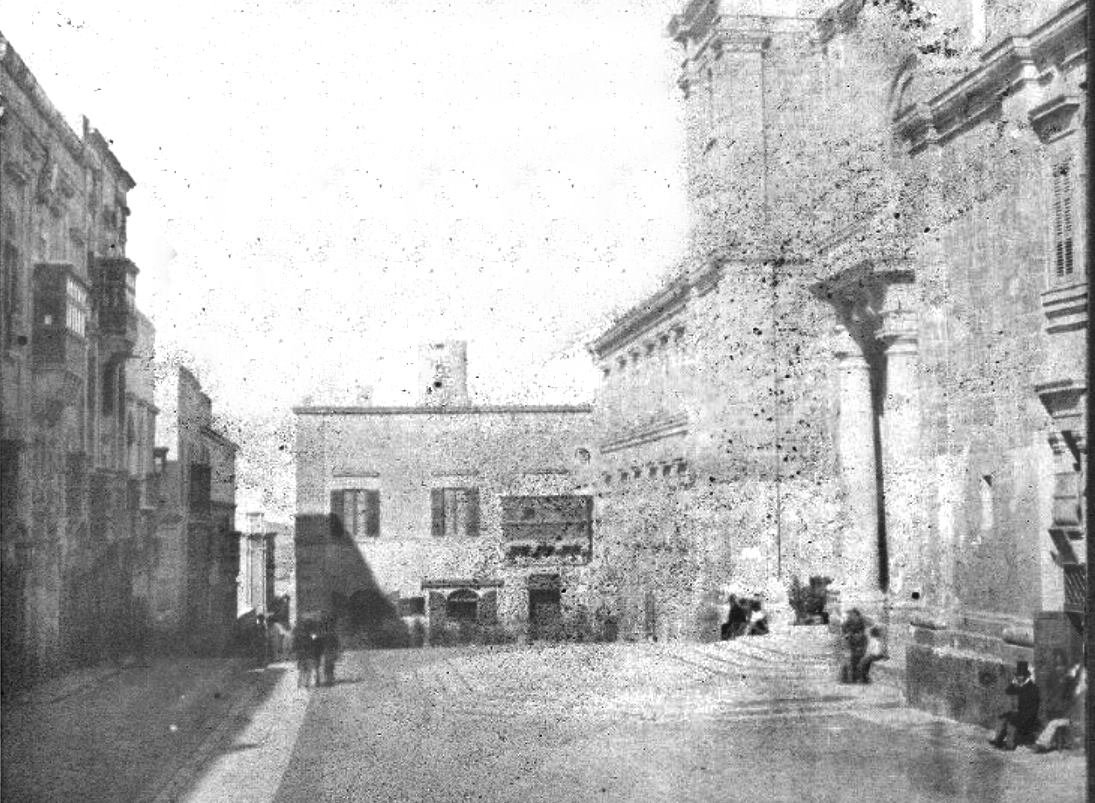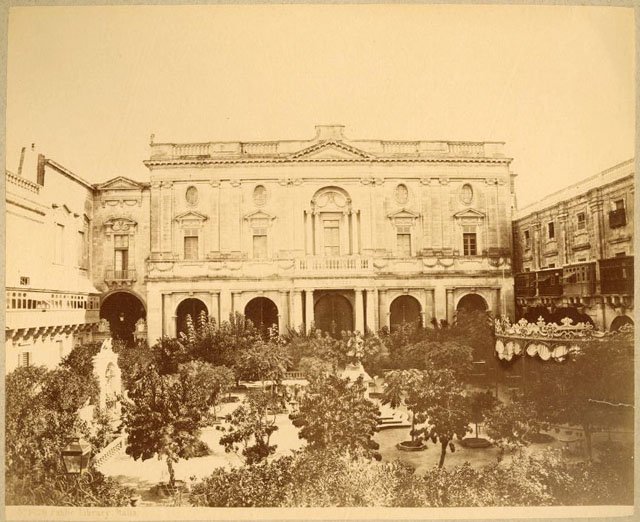
Plan and listen to Slaves' Prison with Audiala.
Audio guide in your pocket, itinerary in your browser. Built for the way you actually visit.
Introduction
The Slaves’ Prison—historically known as the Gran Prigione or Bagnio—stands as a testament to Valletta’s complex heritage under the Knights Hospitaller. Although the original structure no longer exists, its legacy endures through the city’s urban landscape, local museums, and guided tours, offering visitors a unique lens into Malta’s layered past. This guide provides a detailed overview of the prison’s history, its significance, and practical advice for exploring the site and related attractions in Valletta.
For further reading, authoritative sources include i-access.eu, Wikipedia, and the Malta Tourism Authority (visitmalta.com).

Historical Background
Origins and Construction
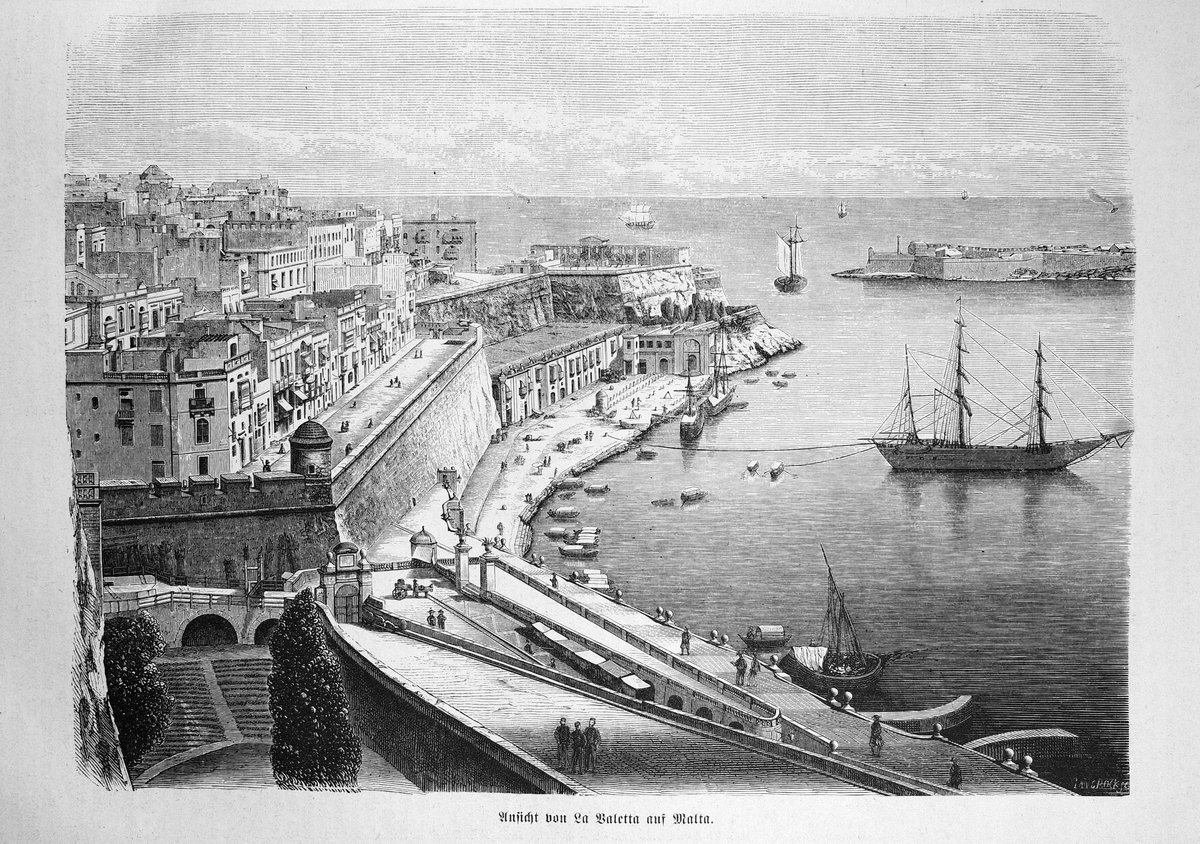
Established in the late 16th century under Grand Master Hugues Loubenx de Verdalle, the Slaves’ Prison was an integral part of Valletta’s post-Great Siege development. Designed by Girolamo Cassar, it occupied an entire city block bounded by St. Christopher Street, St. Ursula Street, East Street, and Wells Street, directly opposite the Lower Barrakka Gardens (i-access.eu; Wikipedia). Its three-story structure featured a central courtyard and housed up to 900 enslaved individuals at its peak.
Social Role and Daily Life
The prison functioned not only as a place of confinement but as a microcosm of Valletta’s diverse society. Enslaved people—primarily captured Muslims from North Africa and the Ottoman Empire—were integral to the city’s construction and economy. By day, many worked on public projects, in galleys, or as skilled craftsmen; by night, they were locked within the prison. The facility included chapels, a mosque, taverns, and small shops run by inmates (Unexpected Traveller). Upon arrival, new slaves underwent strict sanitation rituals, and daily life was regulated by a system of rations, work assignments, and opportunities for limited autonomy.
Security, Regulation, and Public Works
Strict surveillance and regulation were imposed, especially after events like the 1749 Slaves’ Conspiracy—a planned uprising that was discovered and suppressed before it could unfold (Times of Malta). The Order of St. John relied heavily on slave labor for major public works, including fortifications and the Wignacourt Aqueduct. Notably, a Turkish slave’s hydrological expertise was crucial in completing the aqueduct, earning him freedom and the prison one of Valletta’s first running water supplies.
Decline and Modern Transformation
Following the abolition of slavery and the end of the Knights’ rule, the prison building served various purposes, including as a naval hospital and school. It suffered extensive damage during World War II and was subsequently demolished, replaced by modern residential housing (i-access.eu). Today, the site’s memory is preserved through scholarship, museum exhibitions, and public tours.
Visiting the Slaves’ Prison Site Today
Location and Accessibility
The former Slaves’ Prison site is located at 4 St. Christopher’s Street, Valletta, opposite the Lower Barrakka Gardens (i-access.eu). The area is easily reached on foot from Valletta’s main bus terminal and is surrounded by other major attractions such as the Grand Harbour and St. John’s Co-Cathedral.
Valletta’s streets are generally paved and walkable, though some areas feature cobblestones, steep inclines, or steps. The Lower Barrakka Gardens are wheelchair accessible, but visitors with mobility needs should plan routes in advance (Disabled Accessible Travel).
Visiting Hours and Tickets
- Site Access: The former prison site is a public space, open 24/7, with no entrance fees or ticketing requirements.
- Facilities: There are no on-site exhibitions or visitor centers; the area is now residential.
- Guided Tours: Walking tours that include the Slaves’ Prison and Valletta’s broader history are available from local operators (Mike’s Travel Guide). Prices typically start at €20 per person for group tours.
Nearby Attractions and Practical Tips
- Lower Barrakka Gardens: Scenic views and a tranquil setting for reflection.
- Upper Barrakka Gardens: Another viewpoint with historical monuments.
- St. John’s Co-Cathedral: Renowned for its Baroque art and Caravaggio paintings.
- Grand Master’s Palace: Historically significant, check Heritage Malta for visiting hours.
- Food & Amenities: Numerous cafes, restrooms, and shops are within walking distance (Grumpy Camel).
Best Time to Visit: Spring (April–May) and autumn (September–October) offer pleasant weather and lighter crowds (Best Time To). Summer is busy and hot; winter is quieter but can be rainy.
Photography: Permitted in public spaces; be respectful of residents.
Frequently Asked Questions (FAQ)
Q: Can I visit the Slaves’ Prison building?
A: The original prison was demolished after WWII; the site is now residential, but the area is accessible on foot.
Q: Are there tickets or guided tours?
A: No tickets are required for the site itself. Themed walking tours are available and may include the prison’s history.
Q: Is the area wheelchair accessible?
A: The streets are generally accessible, though some inclines and cobblestones may pose challenges.
Q: What are the best nearby attractions?
A: Lower and Upper Barrakka Gardens, St. John’s Co-Cathedral, Grand Master’s Palace, and Valletta’s fortifications.
Q: Where can I learn more about the prison’s history?
A: Explore local museums, i-access.eu, Wikipedia, and the University of Malta PDF.
Responsible Tourism
The Slaves’ Prison site is not only a residential area but also a place of complex historical memory tied to the suffering and resilience of enslaved people. Visitors should approach the site with respect, minimize noise, and seek to learn about the broader historical context (University of Malta PDF).
Listen to the full story in the app
The whole Slaves' Prison,
told well.
Listen to sourced travel stories with local history and practical context — ready offline.
Verified, and shown.
Researched and written by the Audiala editorial team from historical records, architectural archives, and local expertise.
Built from cited sources · see the method · How we make our guides →