Plan and listen to Old University Building, Valletta with Audiala.
Audio guide in your pocket, itinerary in your browser. Built for the way you actually visit.
Introduction: Malta’s Academic and Architectural Treasure
The Old University Building in Valletta, Malta, is a cornerstone of the island’s academic, architectural, and cultural heritage. Established in 1592 as the Collegium Melitense by the Jesuits under the Knights of St. John, it embodies Malta’s enduring commitment to higher learning and intellectual pursuit. Its blend of Renaissance and Baroque architecture stands harmoniously within Valletta’s UNESCO World Heritage cityscape, making it a must-see for history enthusiasts, architecture lovers, and cultural travelers alike.
Today, the Old University Building serves not only as a symbol of centuries-old scholarly tradition but also as a vibrant venue for academic, cultural, and community events, seamlessly linking Malta’s storied past with its dynamic present. Centrally located among Valletta’s most iconic landmarks—including St. John’s Co-Cathedral and the Grandmaster’s Palace—the building is easily accessible and forms an integral part of Malta’s historical tourism circuit.
This detailed guide offers essential visitor information: opening hours, ticketing, accessibility, guided tours, architectural features, restoration efforts, and travel tips, ensuring you make the most of your visit to one of Malta’s most historic sites (University of Malta Valletta Campus; Trek Zone; Malta Uncovered).

1. History and Significance
Foundation and Early Years
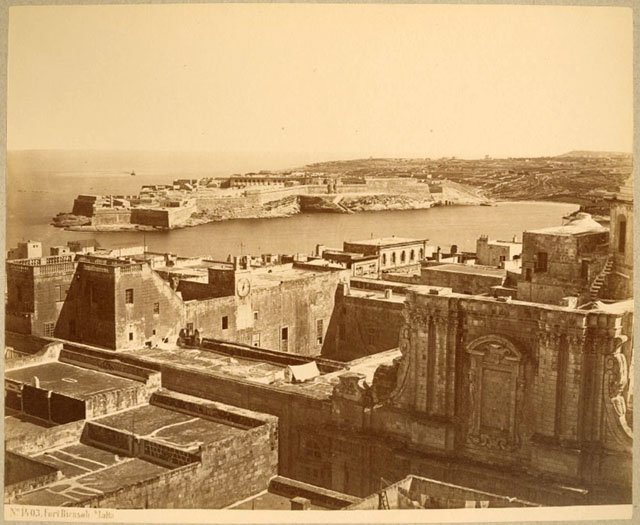
Founded in 1592 as the Collegium Melitense by the Jesuits, the Old University Building marked Malta’s first foray into higher education (Trek Zone). The Jesuit college focused on classical studies, philosophy, and theology, quickly gaining a reputation as a Mediterranean center for academic excellence. In 1769, Grand Master Manuel Pinto da Fonseca secularized the institution, elevating it to the University of Malta—an act that solidified the building’s role as the nation’s academic heart (Trek Zone).
Role in Malta’s Intellectual and Cultural Life
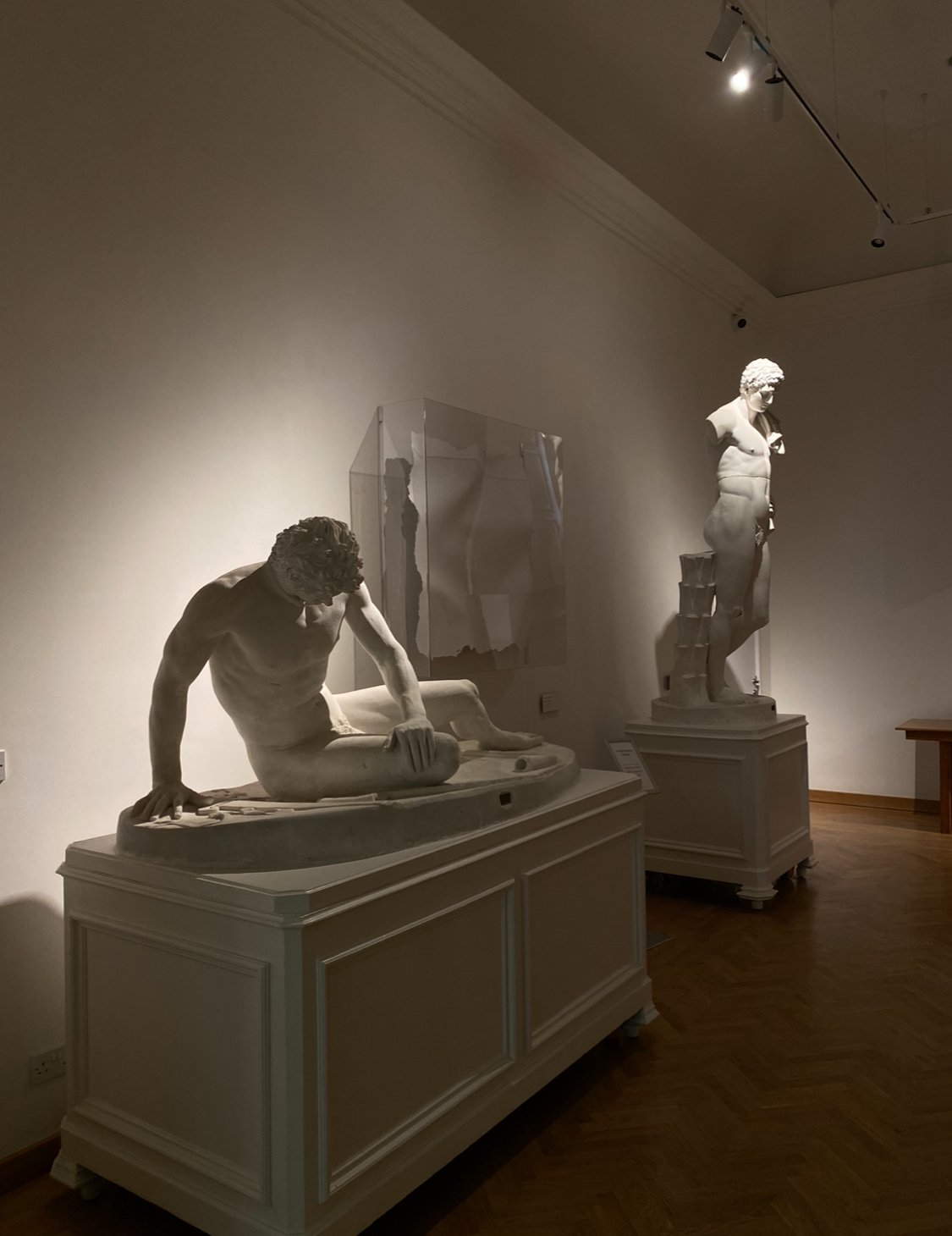
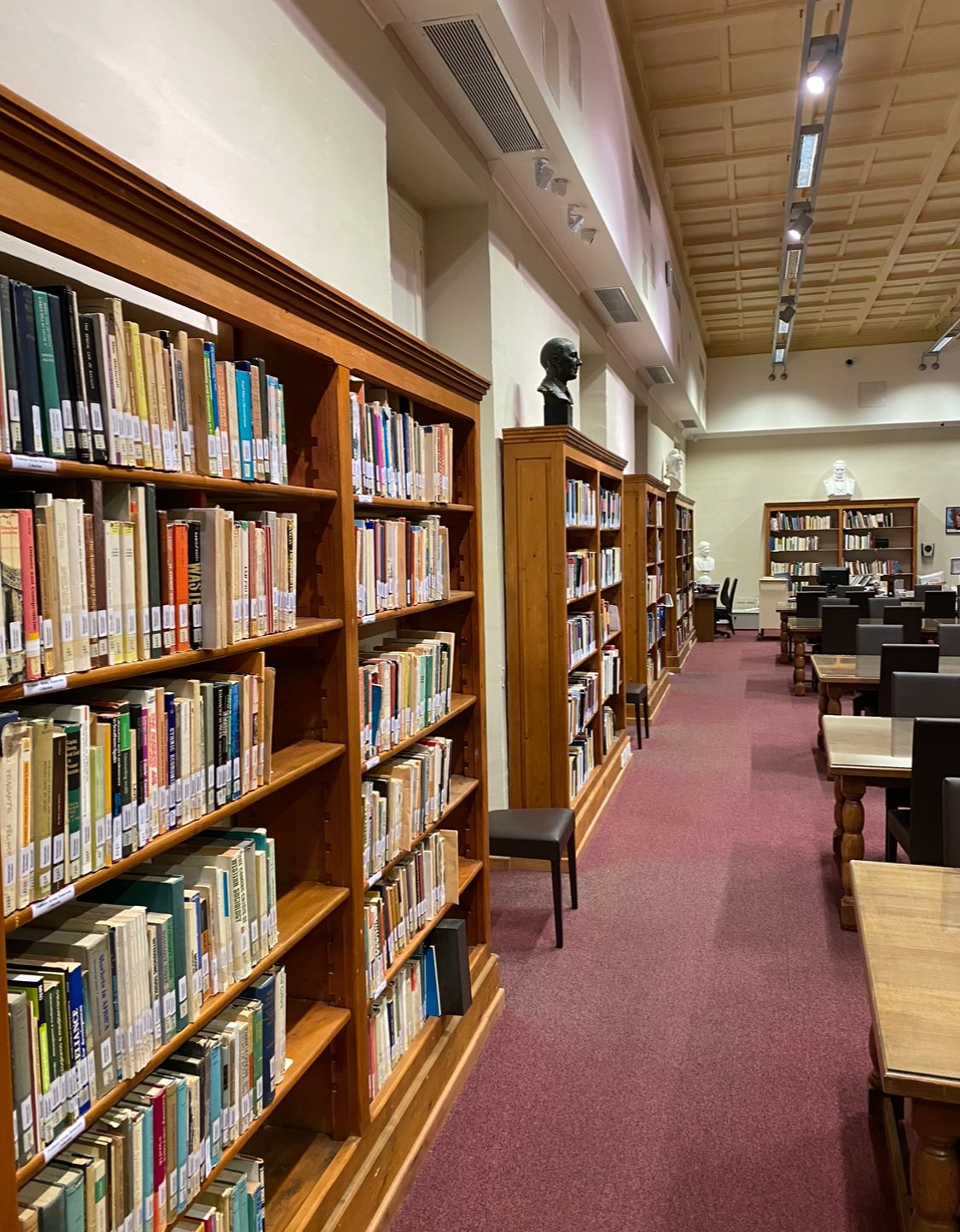
Over the centuries, the Old University Building has housed not just academic pursuits but also the Anglo-Maltese Library, the Lyceum for boys, an Air Raid Precautions Centre during WWII, and Heritage Malta’s head office. The building remains a hub for research, conferences, and cultural events, reflecting Malta’s intellectual evolution from the Knights’ era through British rule and into the modern era (University of Malta).
2. Architecture and Restoration
Renaissance and Baroque Features
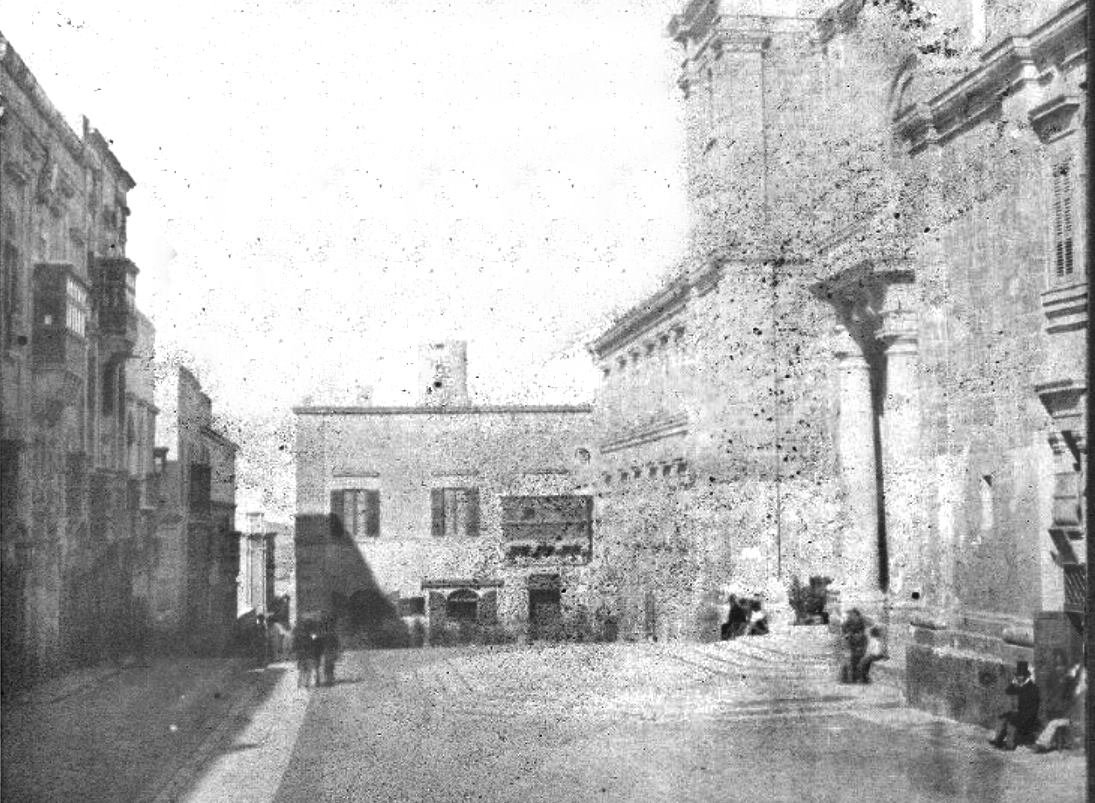
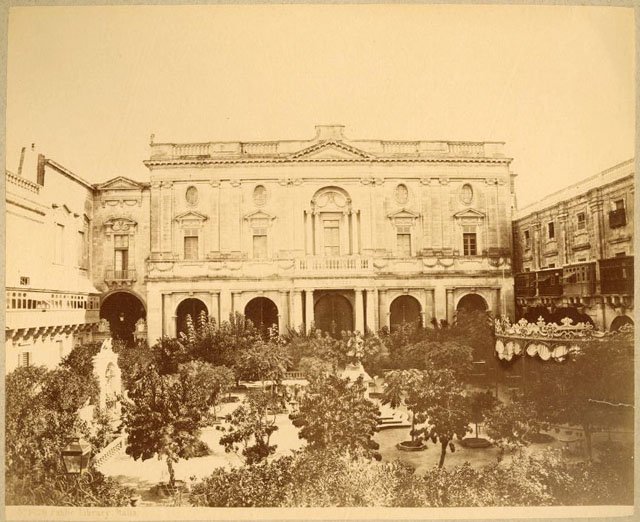
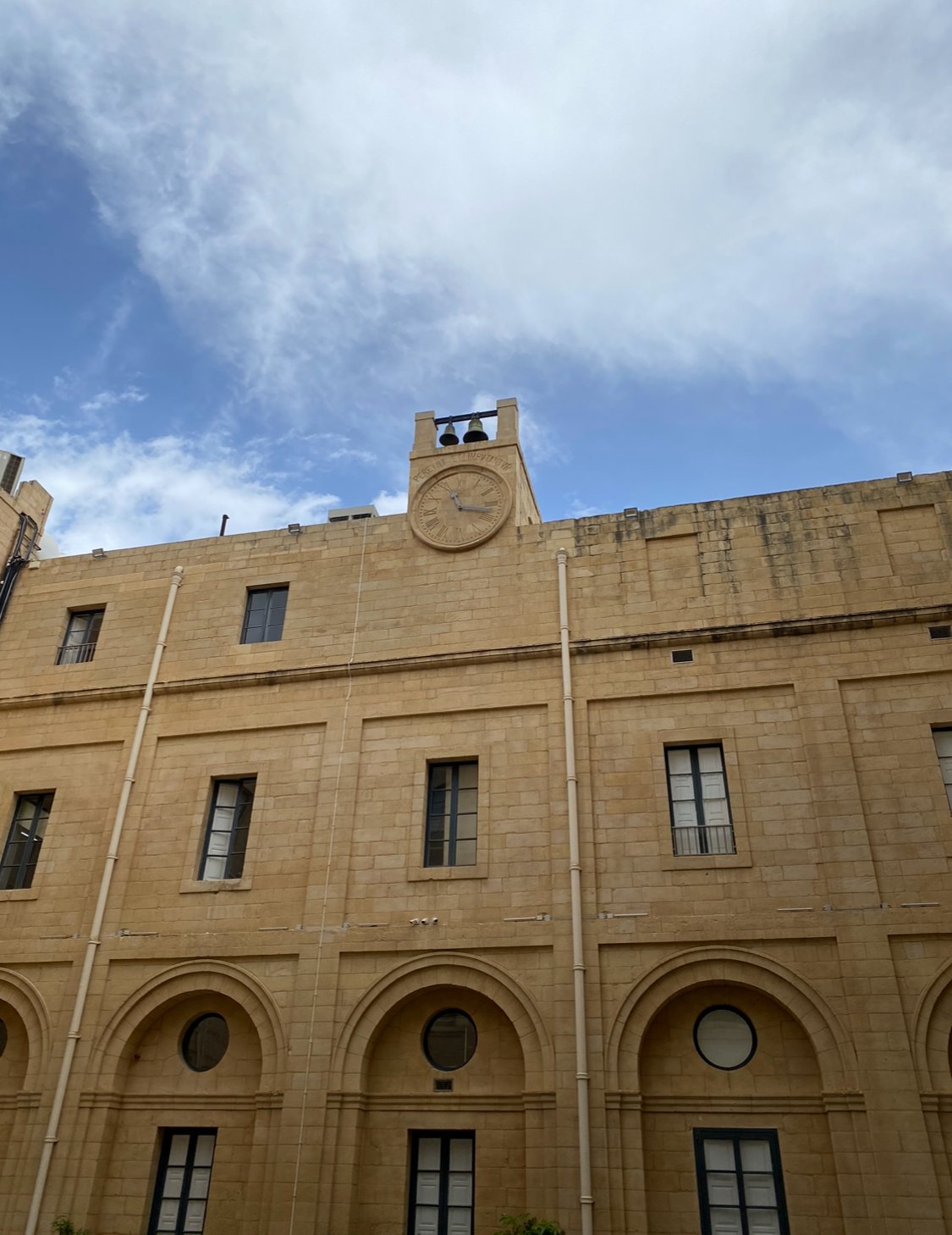
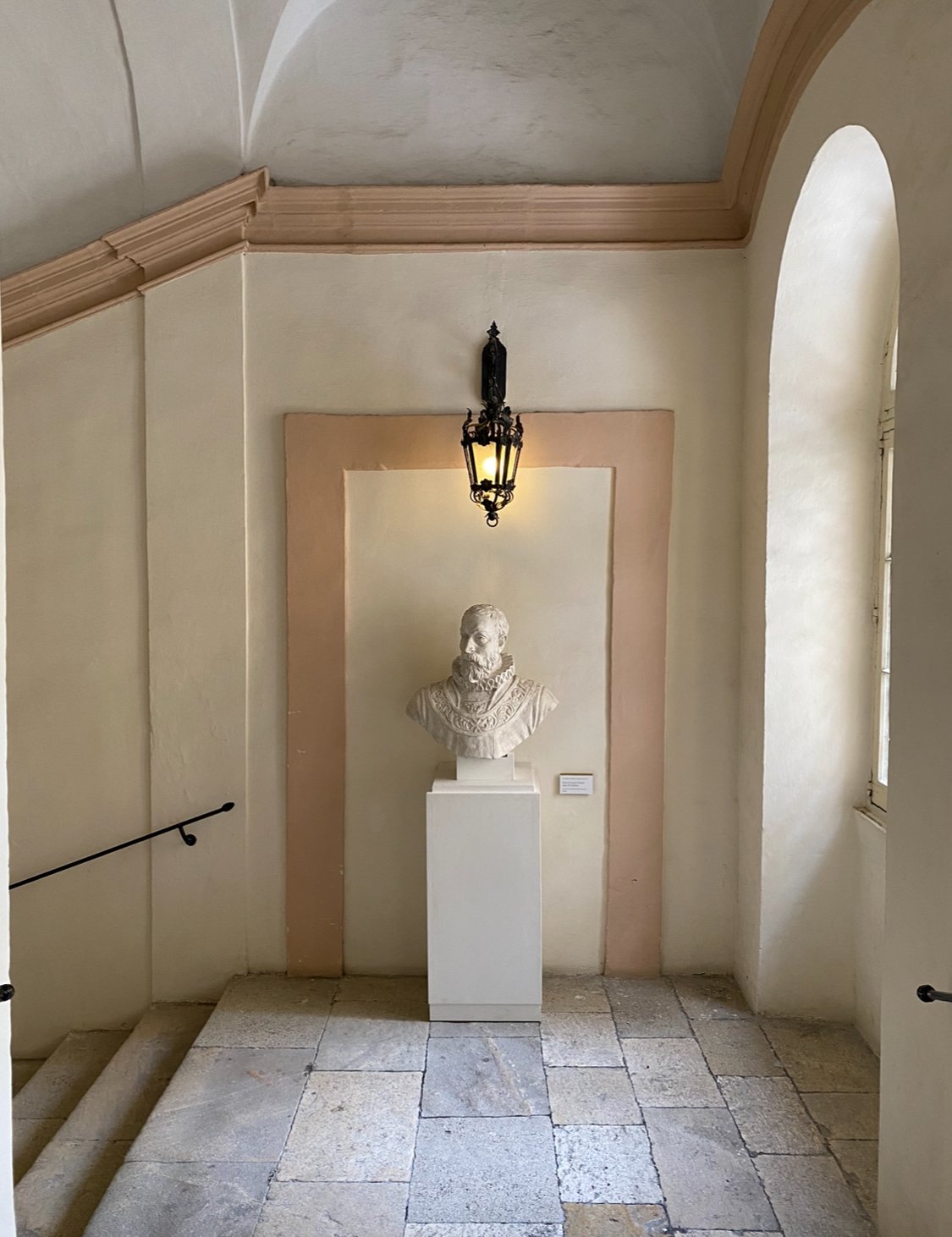
The Old University Building features Renaissance symmetry and spatial planning, with later Baroque enhancements. Designed initially by Giuseppe Valeriano, the structure centers around a tranquil arcaded courtyard and is clad in Malta’s signature honey-colored limestone (Wikipedia). The building’s restrained façade on St. Paul’s Street and the elegant central courtyard are standout features (GuideMeMalta).
The adjacent Jesuit Church (1593–1609), rebuilt in the Baroque style after an explosion in 1634, forms an architectural ensemble with the university, further enriching the site’s historical and artistic value (GuideMeMalta).
Restoration and Modern Adaptation
Restoration projects between 2016 and 2019 focused on the façades and structural integrity, involving significant investment and careful conservation (The Independent). Modernization has introduced air-conditioned lecture halls, conference facilities, Wi-Fi, lifts, and accessible restrooms, making the building suitable for contemporary academic and cultural events (DiGRA Conference Venue).
3. Visitor Information
Location and Access
- Address: Between St. Paul, St. Christopher, Merchants, and Archbishop Streets, Valletta.
- Getting There: A short walk from the Valletta City Gate bus terminus. The area is pedestrian-friendly, with most major attractions within a 10-15 minute walk (maltauncovered.com).
Visiting Hours
- Regular Hours: Monday to Friday, 9:00 AM – 5:00 PM; Saturday, 9:00 AM – 1:00 PM.
- Closed: Sundays and public holidays.
- Note: Hours may vary during academic events or private functions. Always consult the University of Malta’s Valletta Campus website for up-to-date information.
Tickets and Admission
- General Admission: Free for self-guided visits to public areas.
- Guided Tours & Exhibitions: May require advance booking and a nominal fee.
- Booking: Reserve tours or check for events on the official website.
Facilities
- Restrooms: Available on-site.
- Accessibility: Lifts and ramps provide access to most areas, but some historic sections may pose challenges. Contact the venue in advance if you have specific needs.
- Cloakrooms: Limited; travel light or use nearby luggage storage (maltauncovered.com).
- Photography: Allowed in public spaces; restrictions may apply during exhibitions or events.
4. Guided Tours and Events
Guided tours—led by university staff or local historians—offer rich insights into the building’s architecture, history, and academic legacy. Tours are available by appointment and can be booked directly through the University’s website. The building also hosts international conferences, public lectures, and cultural festivals, particularly during events like Notte Bianca and the Valletta International Baroque Festival (Thredbo Conference Series).
5. Nearby Attractions
Enhance your visit by exploring these key sites, all within walking distance:
- St. John’s Co-Cathedral: Home to Caravaggio’s masterpiece.
- Grandmaster’s Palace: Historic seat of the Knights.
- Casa Rocca Piccola: Noble family home with museum.
- National Museum of Archaeology: Prehistoric artifacts.
- Upper Barrakka Gardens: Panoramic harbor views and the noon-day gun ceremony.
For more on Valletta’s highlights, see the Valletta tourism portal.
6. Practical Travel Tips
- Best Times: Early mornings or late afternoons to avoid crowds; weekdays are quieter.
- Dress Code: Modest attire is suggested, especially during cultural or academic events.
- Language: English and Maltese are widely spoken; most signage and guides are in English.
- Dining: No on-site café, but many options nearby—try Caffe Cordina for Maltese pastries.
- Safety: Valletta is safe, but standard precautions are advised in crowded areas.
- Wi-Fi: Available in many public spaces and cafes.
7. Accessibility and Family Visits
The building is suitable for all ages, but families with young children should note uneven floors and stairs in some historic areas. Group visits, including school tours, should be arranged in advance for the best experience.
8. Frequently Asked Questions (FAQ)
Q: What are the Old University Building Valletta visiting hours?
A: Monday to Friday, 9:00 AM – 5:00 PM; Saturday, 9:00 AM – 1:00 PM. Closed Sundays and public holidays. Check for variations during events.
Q: Is there an admission fee?
A: Entry is usually free for public areas. Guided tours or special exhibitions may require a small fee.
Q: Are guided tours offered?
A: Yes, by appointment. Book via the University of Malta’s Valletta Campus website.
Q: Is the building wheelchair accessible?
A: Most areas are accessible; contact ahead for specific requirements.
Q: Can I take photographs?
A: Yes, in most public spaces. Flash and tripods may be restricted.
Q: What other sites are nearby?
A: St. John’s Co-Cathedral, Grandmaster’s Palace, National Library, and more.
10. Summary & Final Travel Advice
The Old University Building Valletta encapsulates Malta’s academic heritage, architectural beauty, and cultural dynamism. From its Jesuit origins to its present-day academic and cultural uses, the building is a living testament to Malta’s evolving identity. Its Renaissance and Baroque features, lovingly restored, are as captivating as the stories they hold.
Plan your visit by consulting the University’s official resources for up-to-date information on opening hours, ticketing, and events. Take advantage of guided tours for a deeper appreciation, and use digital tools like the Audiala app for self-guided exploration. By engaging with this iconic site, you contribute to the preservation and celebration of Malta’s heritage.
Listen to the full story in the app
The whole Old University Building, Valletta,
told well.
Listen to sourced travel stories with local history and practical context — ready offline.
Verified, and shown.
Researched and written by the Audiala editorial team from historical records, architectural archives, and local expertise.
Built from cited sources · see the method · How we make our guides →