Plan and listen to Notarial Archives with Audiala.
Audio guide in your pocket, itinerary in your browser. Built for the way you actually visit.
Introduction
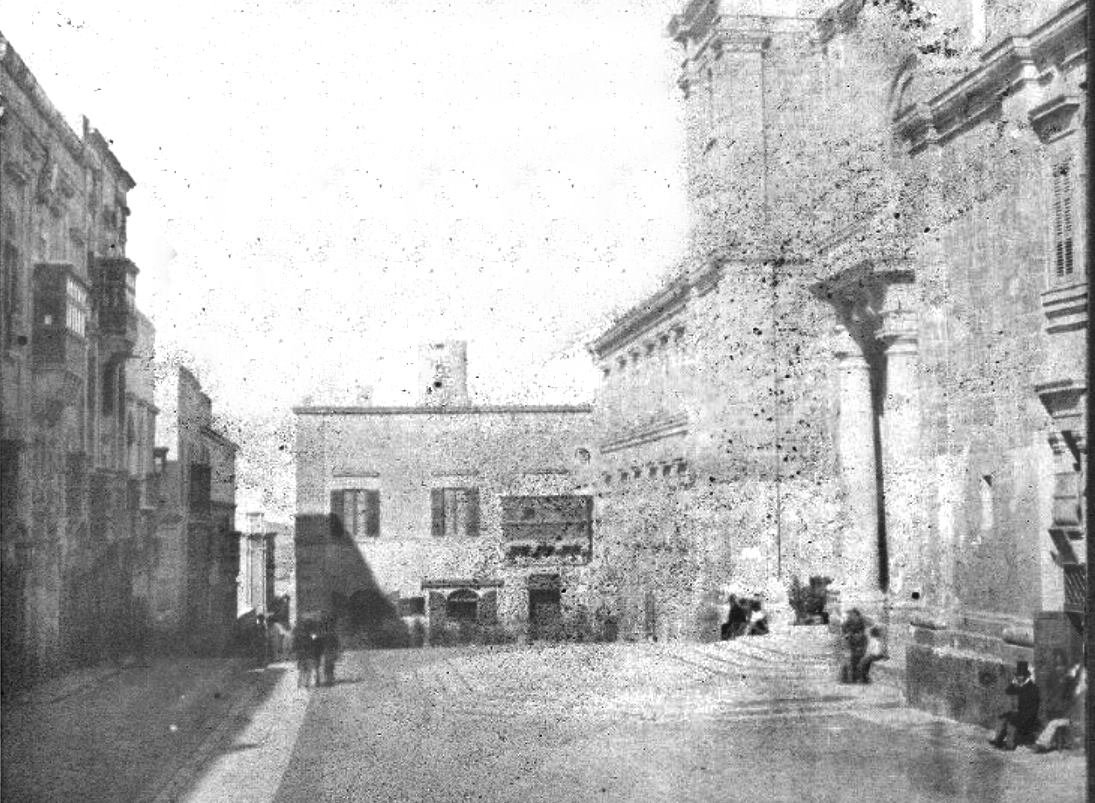
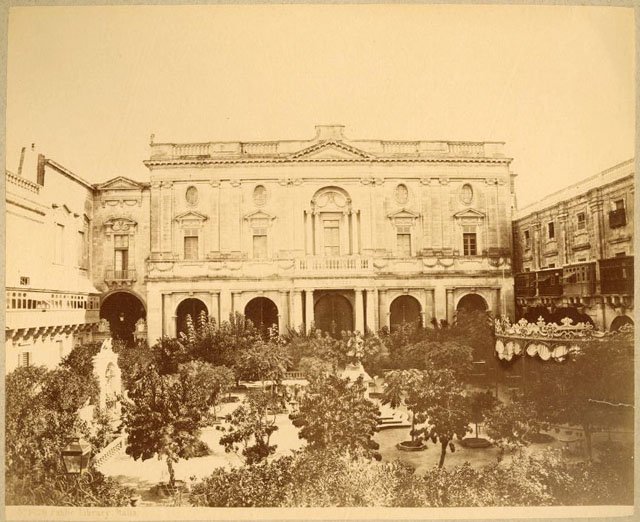
Located in the heart of Valletta, the Notarial Archives serve as an extraordinary custodian of Malta’s legal, social, and cultural history. Established in 1640 under Grand Master Giovanni Paolo Lascaris and inspired by historian Giovanni Francesco Abela, the archives have evolved into one of the Mediterranean’s most significant collections of notarial deeds, contracts, and property records. Housed within architecturally significant 18th-century palazzi, the archives are currently undergoing extensive restoration and digitization, positioning them as both a working institution and a vibrant cultural destination. This guide provides detailed information on visiting hours, tickets, historical context, community engagement, and practical tips for making the most of your visit.
Historical Background and Significance
Origins and Development
Formally established on July 10, 1640, the Notarial Archives were created to centralize and safeguard Malta’s notarial documents. Initially split between Notabile (Mdina) and Valletta, the archives were consolidated in 1850 at the Auberge d’Italie, reflecting their growing significance within Malta's legal framework. The archives now preserve over 20,000 volumes, spanning seven centuries and covering nearly 15 kilometers of shelving (MaltaToday).
Architectural Heritage
The archives are housed primarily at 2/3 Mikiel Anton Vassalli Street and at 24 St Christopher Street, within grand 18th-century palazzi currently under restoration. These buildings are vital both for their historical content and their architectural value, contributing to Valletta’s UNESCO World Heritage status.
Cultural and Scholarly Value
Beyond legal records, the archives hold treasures like Il-Kantilena (the oldest known Maltese literary text) and documents detailing everyday life, trade, and the activities of marginalized groups. This makes the archives invaluable for historians, genealogists, and linguists researching Malta’s evolving society.
Visiting the Notarial Archives Valletta
Opening Hours
- Monday to Friday: 9:00 AM – 5:00 PM
- Saturday: 8:15 AM – 12:45 PM (main registers archive)
- Closed: Sundays and public holidays
Due to ongoing restoration, some sections may have variable hours. Always check the official website or contact the archive prior to your visit (National Archives of Malta).
Entry and Tickets
- General Admission: Free of charge
- Guided Tours/Special Exhibitions: May require advance booking or a nominal fee; check the Notarial Archives Foundation website for details.
Guided Tours and Educational Programs
- Guided Tours: Available by appointment, offering expert insight into the archives’ collections and conservation work.
- Educational Programs: Workshops, public lectures, and temporary exhibitions are regularly organized, suitable for school groups and heritage enthusiasts.
Accessibility
- Facilities: Ramps, elevators, and accessible restrooms available at main sites.
- Contact: Visitors with special needs should contact the archives in advance for tailored assistance.
Facilities and Collections
Location
- Primary: 2/3 Mikiel Anton Vassalli Street, Valletta
- Secondary: 24 St Christopher Street, Valletta
- Additional: APS House, 275 St Paul Street
All locations are within a short walk of Valletta’s major landmarks and easily accessible via public transportation.
Visitor Amenities
- Archives Museum: Interactive and educational exhibits on Malta’s legal and social history.
- Conservation Laboratory: Observe document preservation in action.
- Research Rooms: Available to scholars by appointment.
Collection Highlights
- Legal Documents: Contracts, wills, dowries, and property records from the 15th century onwards.
- Social Histories: Records revealing the lives of all social classes, including marginalized communities.
- Notable Manuscripts: Il-Kantilena, the George Cross document, and key contracts for Baroque palaces.
Preservation, Conservation, and Digital Transformation
Restoration and Conservation
The archives have survived WWII bombings, neglect, and environmental threats. Recent years have seen a €5 million rehabilitation project, co-financed by the European Regional Development Fund, focusing on structural upgrades, improved climate control, and fire safety (Times of Malta).
Digitization Initiatives
- NotaryPedia: An AI-driven platform developed in partnership with the University of Malta, making centuries-old documents searchable and accessible (NotaryPedia Project).
- Ongoing Projects: Thousands of volumes are being digitized, with volunteers and professionals working to preserve over 20,000 books (HSBC Malta Community).
Enhanced Visitor Experience
- Museum and Visitor Center: Newly restored exhibition spaces and interactive displays highlight the archives’ significance and invite greater public participation.
Community Involvement and Volunteer Opportunities
Volunteer Programs
The archives welcome volunteers for digitization, conservation, and public engagement roles. Major partnerships, such as with HSBC Malta, have mobilized hundreds of community members to support preservation (HSBC Malta Community).
Educational Outreach
The Notarial Archives Foundation hosts regular public lectures and educational events, such as the acclaimed talk by Prof. Charlene Vella on Malta’s early literature (The Malta Independent).
Restoration Sponsorship
Innovative schemes like “Adopt a Notary” allow individuals and organizations to sponsor document restoration, with major contributions from foundations supporting the preservation of important collections (The Alfred Mizzi Foundation).
Practical Visitor Information
Advance Planning
- Contact in Advance: For guided tours, research, or accessibility needs, contact the archive directly: (+356) 21226152, [email protected].
- Identification: Needed for research access.
- Photography: Allowed in designated areas with permission; flash prohibited.
Onsite Etiquette
- Maintain quiet and show respect for both staff and the sensitive documents.
- Handle all materials with care, using supports and gloves as required.
- Large bags may need to be stored at reception.
Nearby Valletta Attractions
Enhance your visit by exploring other cultural landmarks:
- St. John’s Co-Cathedral
- The Grandmaster’s Palace
- National Museum of Archaeology
- Upper Barracca Gardens
Valletta’s compact layout makes it easy to combine these sites with your archives visit.
Frequently Asked Questions (FAQs)
Q: What are the opening hours?
A: Generally Tuesday to Saturday, 9:00 AM to 5:00 PM, with variation for specific sections. Confirm on the official website.
Q: Is there an entry fee?
A: General admission is free; guided tours or special exhibitions may incur a fee.
Q: Are guided tours available?
A: Yes, by appointment.
Q: Is the site accessible for people with disabilities?
A: Yes, facilities are accessible, but contact ahead for special arrangements.
Q: Can I conduct research?
A: Yes, by prior arrangement and with necessary identification.
Q: Can I volunteer?
A: Yes, volunteers are welcome for digitization and conservation projects.
Q: Are photographs allowed?
A: In designated areas and with staff permission; flash is prohibited.
Summary and Recommendations
The Notarial Archives Valletta stand as a dynamic bridge between Malta’s past and present, housing centuries of legal and cultural records in beautifully restored architectural landmarks. The ongoing digitization and restoration projects—supported by European funds and community partnerships—ensure these treasures are preserved and accessible for future generations. With free admission, expert staff, opportunities for guided tours, and inclusive community programs, the archives offer a rewarding experience for all visitors.
To maximize your visit:
- Confirm opening hours and tour availability in advance.
- Consider joining a guided tour for deeper insights.
- Explore nearby Valletta attractions for a full cultural experience.
- Engage with the archives’ digital resources and consider volunteering.
For the latest updates, visit the Notarial Archives Foundation and NotaryPedia Project.
Listen to the full story in the app
The whole Notarial Archives,
told well.
Listen to sourced travel stories with local history and practical context — ready offline.

Verified, and shown.
Researched and written by the Audiala editorial team from historical records, architectural archives, and local expertise.
Built from cited sources · see the method · How we make our guides →