Plan and listen to Monument To Sir Alexander Ball with Audiala.
Audio guide in your pocket, itinerary in your browser. Built for the way you actually visit.
Introduction
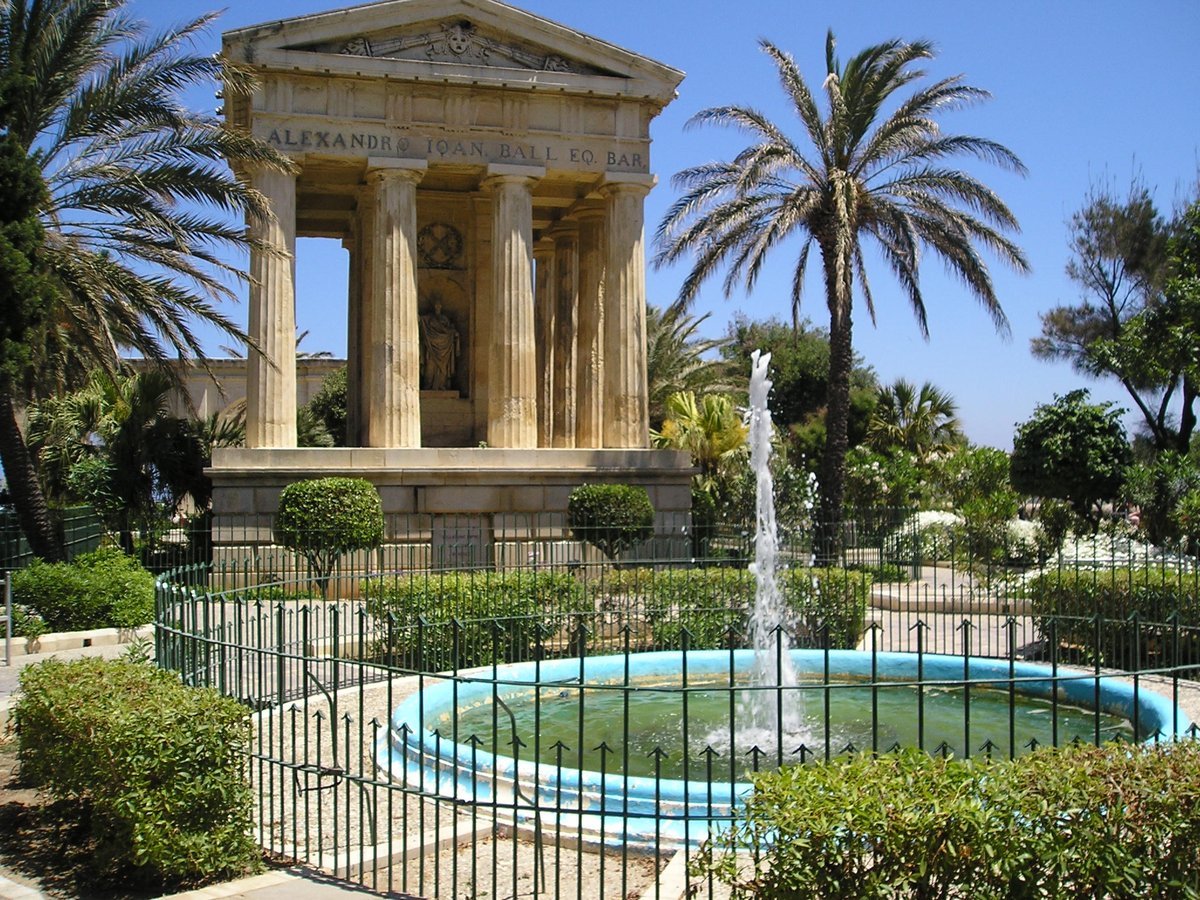
Nestled in the tranquil Lower Barrakka Gardens of Valletta, Malta, the Monument to Sir Alexander Ball stands as a distinguished emblem of the island’s historical and architectural heritage. Erected in 1810 by public subscription, this elegant neoclassical Greek Doric temple honors Sir Alexander John Ball, a highly respected British naval officer whose leadership was pivotal during Malta’s transition from French occupation to British rule at the turn of the 19th century. Ball’s diplomatic skills and compassionate governance earned him widespread admiration, culminating in his appointment as Malta’s first Civil Commissioner.
This guide provides a comprehensive overview of the monument’s historical significance, architectural features, practical visitor information (including free access and daily opening hours), and tips for making the most of your visit. You’ll also find recommendations for nearby attractions and travel resources to enrich your experience.
For further information, see Wikipedia, Evendo, and Maltainfoguide.com.

Historical Background
Sir Alexander Ball’s Role in Maltese History
Sir Alexander Ball arrived in Malta in 1798, a period marked by upheaval following French occupation. As a British naval officer, Ball led the blockade against the French garrison in Valletta, helping coordinate Maltese insurgents and British forces. His empathetic leadership and effective diplomacy led to the French capitulation in 1800, paving the way for British rule. Subsequently, Ball was appointed as the island’s first Civil Commissioner, where his reforms improved governance, infrastructure, and local welfare (Maltainfoguide.com). Ball was deeply respected by the Maltese for his approachable manner and dedication to their interests.
Conception and Construction of the Monument
After Ball’s death in 1809, Maltese citizens, grateful for his service, initiated a public subscription for a monument in his honor. The Lower Barrakka Gardens, overlooking the Grand Harbour, were chosen for their strategic and symbolic significance. The design, attributed to Giorgio Pullicino, was inspired by neoclassical ideals and realized in the form of a Greek Doric temple. Construction was completed in 1810, with the monument serving as a cenotaph—a symbolic tomb that pays tribute to Ball’s enduring legacy (thefollyflaneuse.com).
Architectural Features and Symbolism
The monument is a prime example of neoclassical architecture. It features four fluted Doric columns supporting a triangular pediment, constructed from warm-hued Maltese limestone. Sculpted reliefs and Latin inscriptions honor Ball’s leadership and commemorate the monument’s public-funded restoration in 1884 (smominfo.org). Symbolic allegories representing War, Prudence, Justice, and Immortality adorn the structure, highlighting the virtues associated with Ball’s tenure. Its temple form elevates Ball as a civic hero and reflects Enlightenment values of order, justice, and civic virtue.
Visitor Information: Tickets, Hours, and Accessibility
- Visiting Hours: The Lower Barrakka Gardens and the monument are open daily from 7:00 AM to 9:00 PM.
- Entrance Fee: Access is free; no tickets are required (Evendo).
- Accessibility: The gardens and monument are wheelchair accessible, with paved paths and seating areas. Some areas may have slight inclines, so visitors with mobility issues are advised to plan accordingly.
- Facilities: Benches, shaded areas, and public restrooms are available within the gardens.
Location and Getting There
- Address: 32 Lvant, Il-Belt Valletta, within the Lower Barrakka Gardens.
- By Foot: A 10–15 minute walk from Valletta’s city gate or the Upper Barrakka Gardens through historic streets.
- By Public Transport: From Valletta’s main bus terminal, walk down Republic Street, turn right onto Lvant Street, and follow signs to the Lower Barrakka Gardens (Lonely Planet).
- From Marsaxlokk: Take Route 81 bus to Valletta, then follow the walking directions above (Evendo).
Nearby Attractions and Suggested Itineraries
The monument’s location makes it easy to explore other Valletta landmarks:
- Upper Barrakka Gardens: Famous for panoramic views and the Saluting Battery; 10 minutes on foot.
- St. John’s Co-Cathedral: Renowned for its Baroque interior and Caravaggio’s masterpieces.
- Grandmaster’s Palace: Historic seat of the Knights Hospitaller; 6 minutes away.
- Casa Rocca Piccola: A 16th-century palace and museum; 6 minutes away.
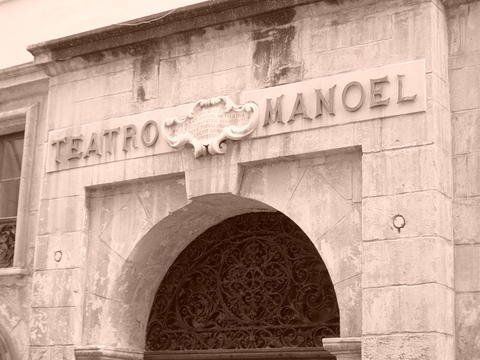
- Manoel Theatre: One of Europe’s oldest working theatres; 9 minutes away.
- Lascaris War Rooms: Historic WWII complex; nearby (World Wild Schooling).
Combining these sites with a visit to the monument provides a rewarding itinerary for history and architecture enthusiasts.
Frequently Asked Questions (FAQ)
Q: What are the opening hours of the Monument to Sir Alexander Ball?
A: The Lower Barrakka Gardens and monument are open daily from 7:00 AM to 9:00 PM.
Q: Is there an entrance fee?
A: No, access is free.
Q: How do I get there from the Valletta city center?
A: It is a 10–15 minute walk from the city gate or a short walk from the main bus terminal.
Q: Are guided tours available?
A: While no dedicated tours focus solely on the monument, it is included in many Valletta walking tours. Self-guided audio tours are available via mobile apps like Audiala.
Q: Is the site accessible for visitors with mobility issues?
A: Yes, the gardens and monument have paved paths suitable for wheelchairs and strollers, though some gentle inclines are present.
Q: What is the best time for photography?
A: Early morning or late afternoon offers the best natural lighting with fewer crowds.
Summary and Visitor Recommendations
The Monument to Sir Alexander Ball is a compelling symbol of Malta’s history and cultural identity. Its neoclassical design, strategic location overlooking the Grand Harbour, and tranquil garden setting make it a memorable stop for all visitors. The monument is easily accessible, free to visit, and close to many of Valletta’s top attractions. Restoration efforts and ongoing maintenance reflect Malta’s commitment to preserving its heritage.
For a deeper experience, consider joining a heritage tour that includes the monument, or use digital resources such as the Audiala app for immersive storytelling. Enjoy the serene environment, reflect on Malta’s layered past, and explore the surrounding landmarks for a full day of discovery.
Listen to the full story in the app
The whole Monument To Sir Alexander Ball,
told well.
Listen to sourced travel stories with local history and practical context — ready offline.
Verified, and shown.
Researched and written by the Audiala editorial team from historical records, architectural archives, and local expertise.
Built from cited sources · see the method · How we make our guides →