Plan and listen to Ġnien Is-Sultan with Audiala.
Audio guide in your pocket, itinerary in your browser. Built for the way you actually visit.
Introduction
Ġnien Is-Sultan—often called the Sultan’s Garden or King’s Garden—is a historical oasis nestled within Valletta, Malta’s vibrant capital. Famed for its medieval roots, Baroque grandeur, and panoramic harbor vistas, the garden stands as a living testament to Malta’s complex cultural and architectural legacy. This guide provides detailed information about the garden’s history, visitor hours, accessibility, tickets, and the must-see attractions nearby, ensuring travelers make the most of their visit to this quintessential Maltese landmark.

History and Significance
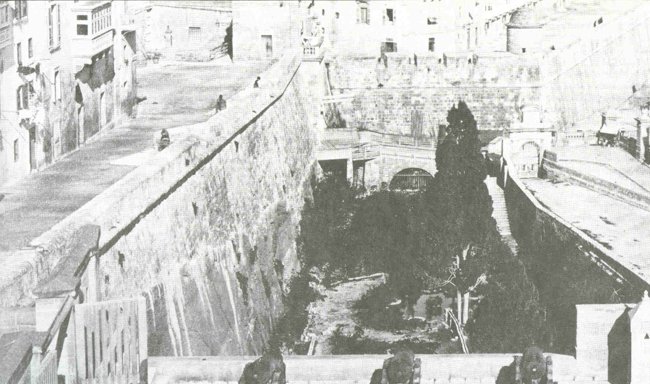
The roots of Ġnien Is-Sultan trace back to the late medieval era, with the site’s earliest landmark being the Church of San Ċir. Built between 1450–1500, this chapel is one of Malta’s oldest ecclesiastical buildings and features a unique pitched roof—a rarity in Maltese medieval architecture. Over centuries, the church survived periods of neglect and even utilitarian use as a cowshed, but its preservation has contributed greatly to the site’s heritage value (Oh My Malta; Din l-Art Ħelwa).
Beyond its architectural significance, the garden reflects Malta’s complex noble and political tapestry. The Apap family, who received the marquisate title in 1792, and other noble lineages have shaped the area’s history, weathering transitions from the Knights of St. John to British colonial rule (The Heraldry of the Nobility and Gentry of Gozo).
Baroque Transformation
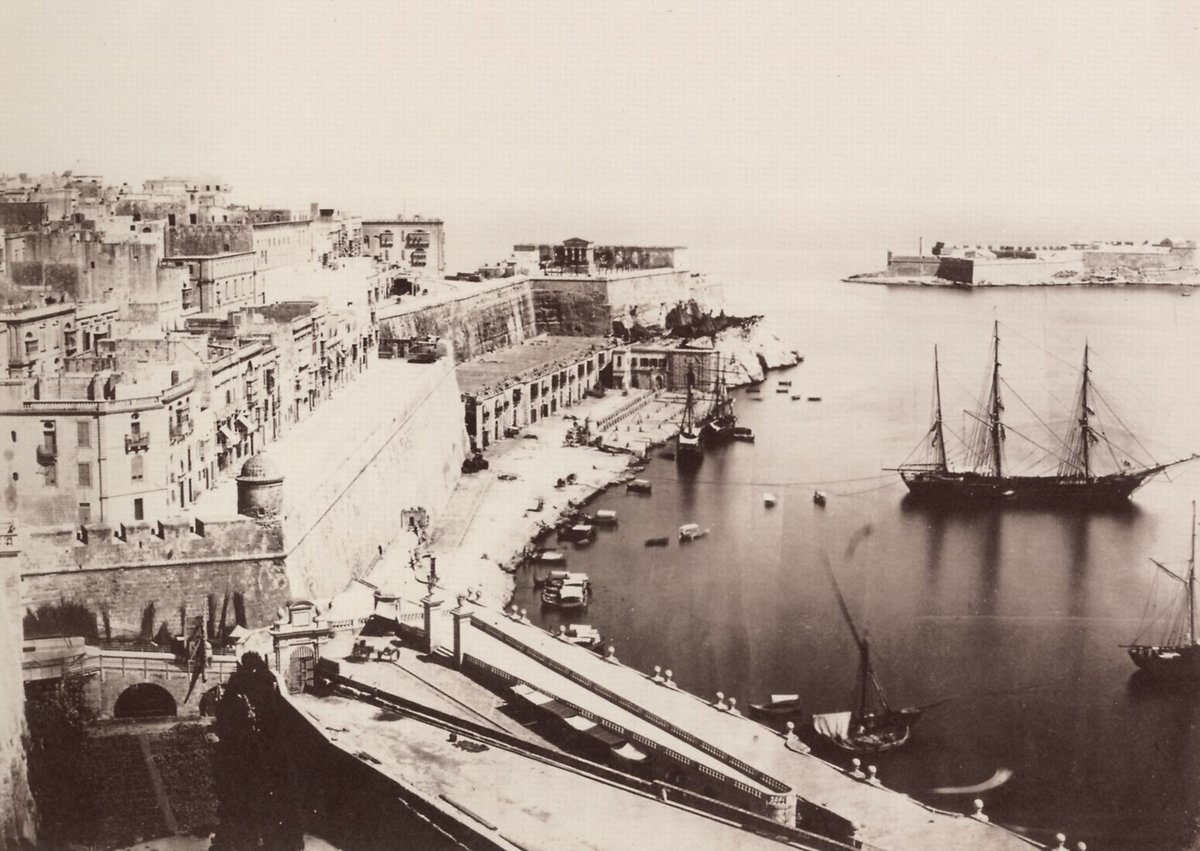
In the 17th century, Grand Master Giovanni Paolo Lascaris of the Order of St. John transformed the site into a lavish Baroque garden. Following the completion of Lascaris Bastion, he built a summer residence and a landscaped garden—known variously as the Giardino della Marina or Lascaris Garden—designed by Italian architect Francesco Buonamici (Wikipedia; Wikiwand).
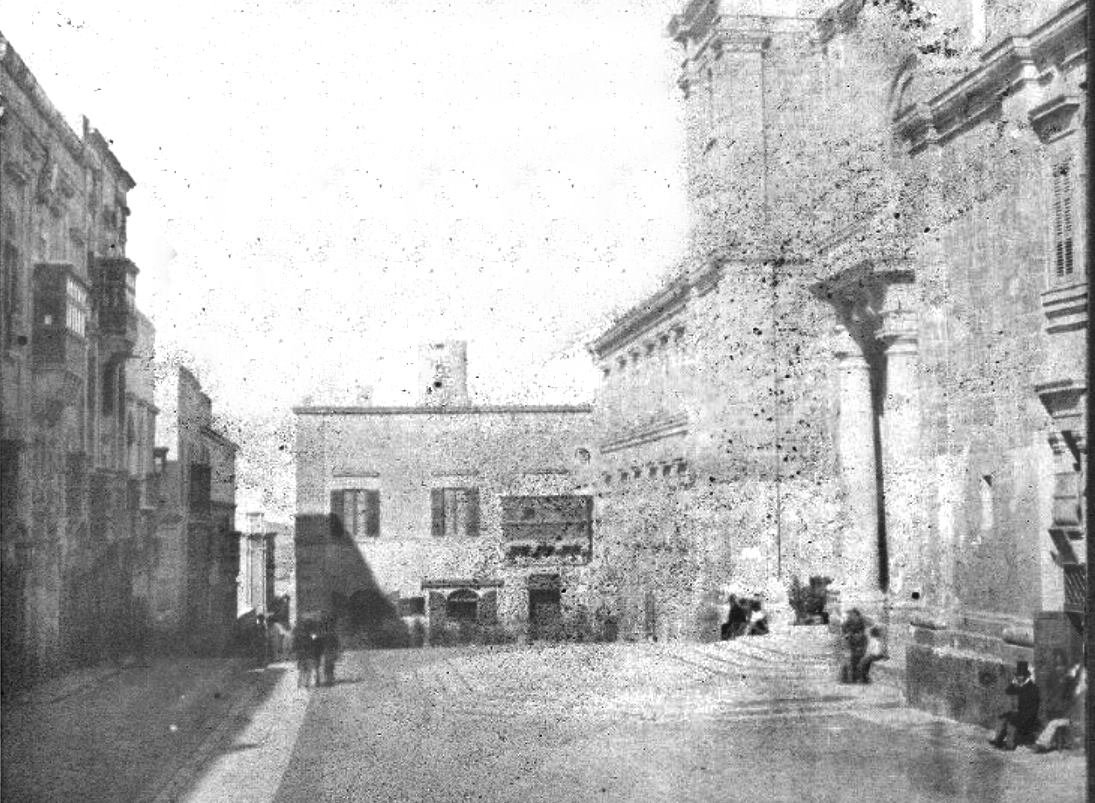
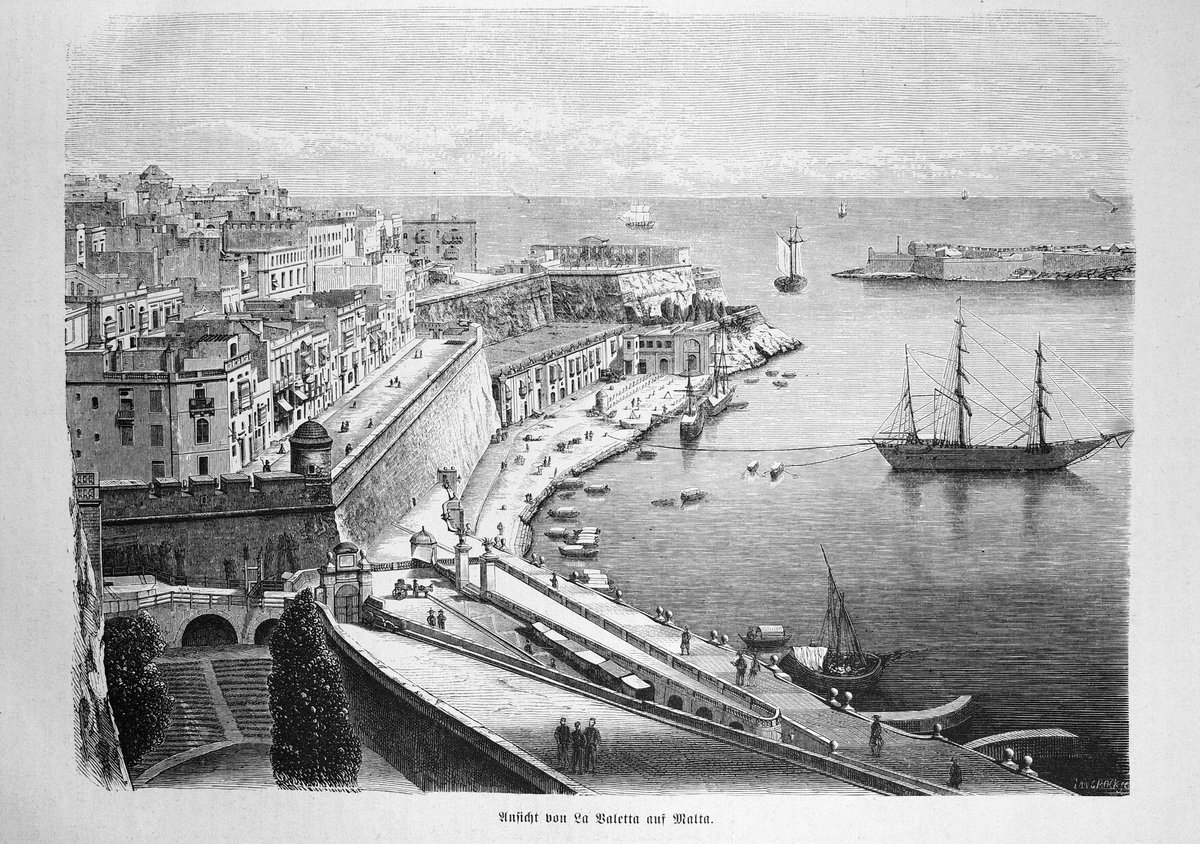
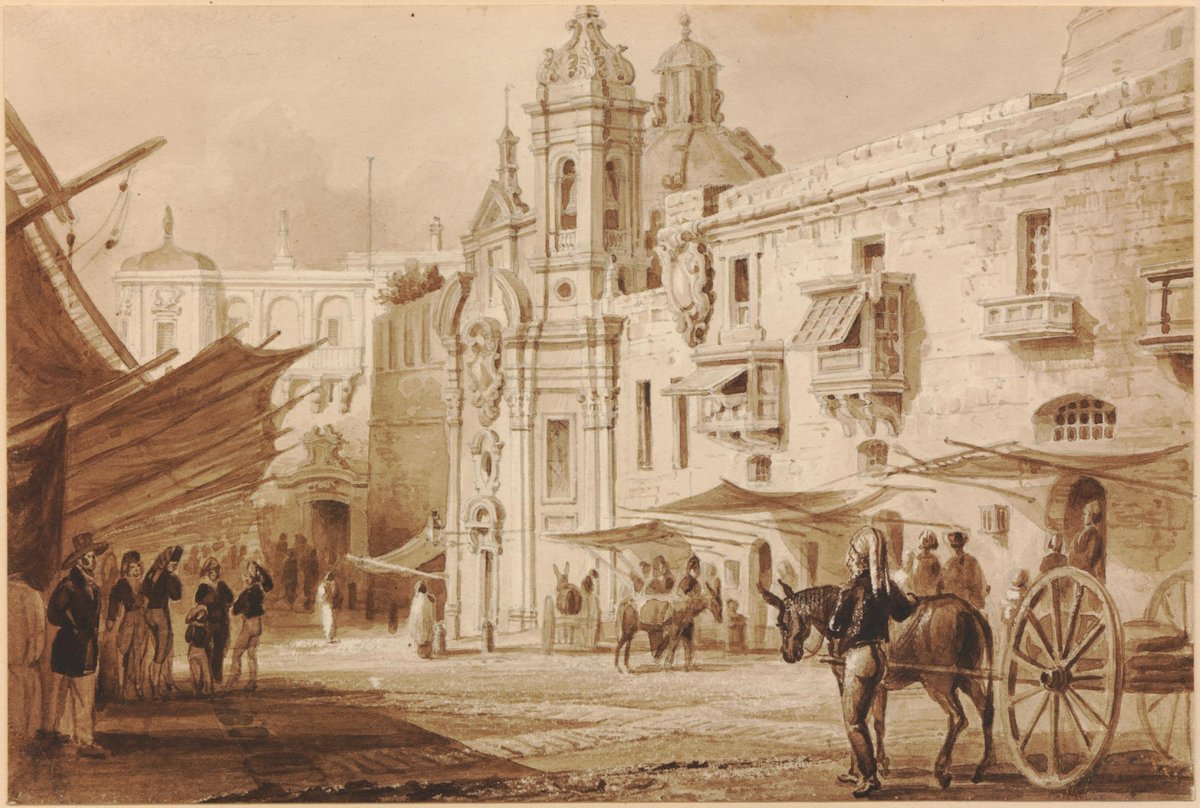
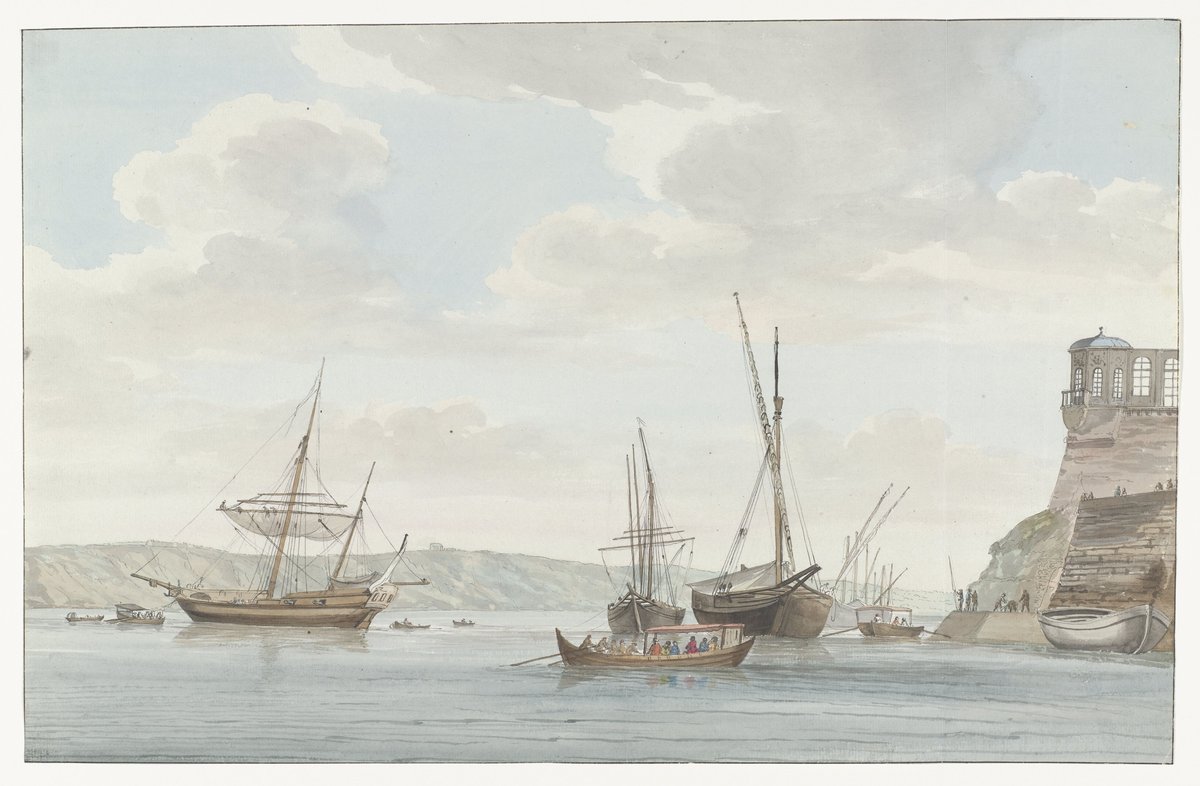
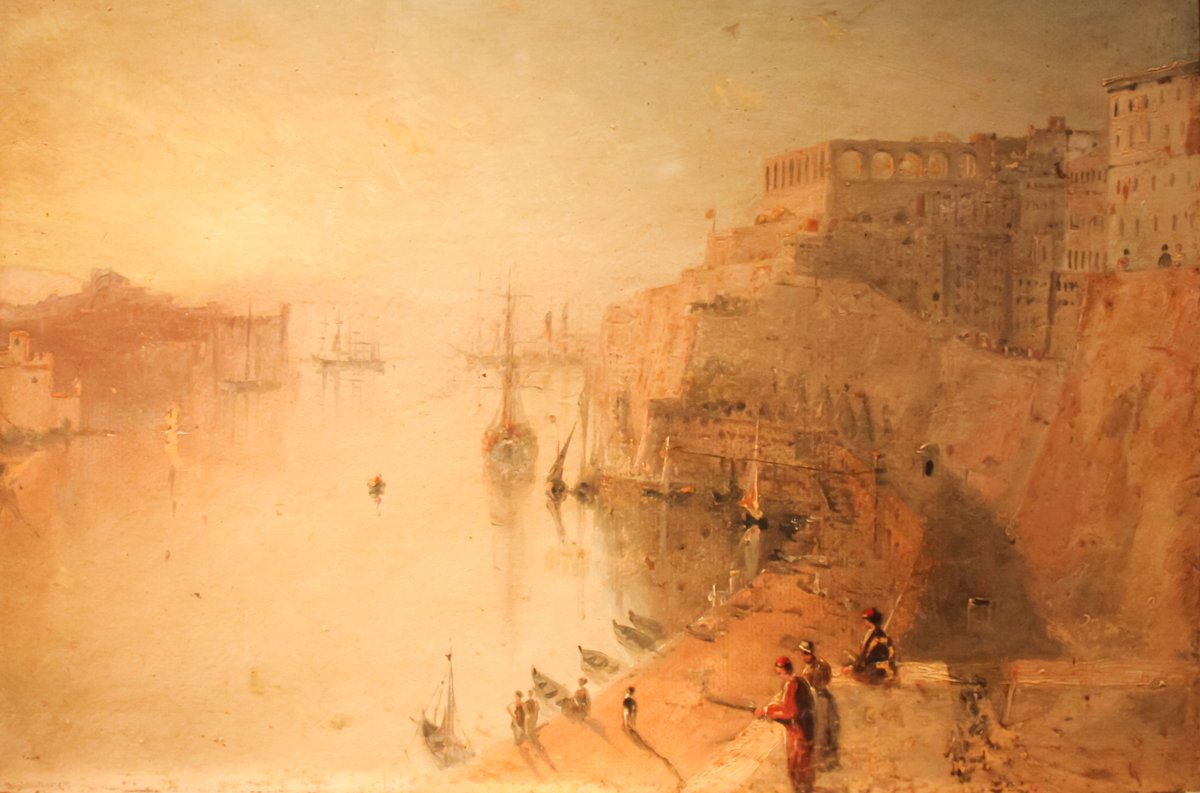
The garden’s design featured ornamental fountains supplied by the state-of-the-art Wignacourt Aqueduct, a triumphal arch, belvederes with sweeping harbor views, and evergreen fruit trees, predominantly lemon, contributing to the garden’s sensory allure (Wikiwand). The area became a focal point in Valletta, frequently depicted in paintings and engravings, and adjacent to other key sites such as the Church of Our Lady of Liesse and Neptune’s Fountain (Wikipedia).
Architectural & Artistic Features
Buonamici’s Baroque vision is evident in the garden’s symmetrical layouts, elaborate fountains, and grand belvedere. The main fountain—once adorned with statuary—stood as a centerpiece, while the triumphal arch marked the principal entrance. Although original sculptures have not survived, a restored Baroque fountain and elements of the original staircase remain visible today (Times of Malta). Historic engravings and modern restoration efforts allow visitors to appreciate the site’s enduring beauty and artistic value.
Socio-Political Importance
During its prime, Ġnien Is-Sultan was a hub for diplomatic and social gatherings. Its privileged position near the Valletta Marina made it central to the city’s civic life. By the 19th century, the Grand Master’s residence shifted in function, housing officials such as the superintendent of the quarantine department—demonstrating the site’s adaptability and ongoing administrative significance (Wikipedia).
Decline, Destruction & Restoration
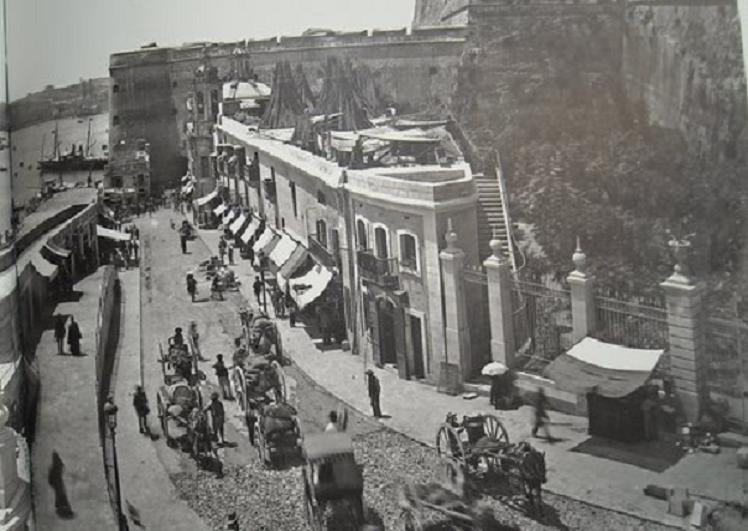
In the 19th century, British military priorities led to the demolition of much of the garden and the summer residence, replaced by Lascaris Battery to defend the harbor (Wikiwand). Urban development further encroached upon the site throughout the 20th century, with social housing eventually covering most of the original garden (Wikipedia).
However, several features survived: the base of the original staircase, the belvedere, and a Baroque fountain (now a Grade 1 scheduled monument). Another fountain, discovered in the 1950s, was relocated to Argotti Gardens in Floriana. Ongoing conservation efforts, including restoration in 1987, continue to preserve these remnants (Wikiwand).
Visiting Ġnien Is-Sultan: Practical Information
Opening Hours & Tickets
- Hours: The garden is generally open daily from early morning until sunset (approximately 7:00 AM–7:00 PM, seasonally adjusted).
- Entry: Free of charge; no tickets required.
Accessibility
- The garden is wheelchair accessible via paved paths and ramps, though some historic areas may have uneven surfaces.
- Comfortable footwear is recommended due to the terrain and cobbled streets of Valletta.
Facilities
- Benches, shaded areas, and drinking fountains are available.
- No restrooms within the garden; nearest facilities are at Upper Barrakka Gardens and Valletta’s main squares.
- No on-site cafés, but many restaurants and coffee shops are nearby.
Getting There
- By Foot: Easily accessible from Valletta’s city gate, the Triton Fountain, or the main shopping streets.
- By Bus: Valletta is Malta’s transport hub; from the bus terminal, it’s a 10-minute walk.
- By Ferry: Ferries connect Valletta’s waterfront with Sliema and the Three Cities; expect a 15-minute uphill walk from the terminal.
- By Car: Parking within Valletta is limited; use external car parks and walk in (Malta Info Guide; Travelling King).
Guided Tours & Events
- Local heritage organizations offer guided tours (pre-booking recommended).
- Occasionally, small-scale cultural events are hosted in the garden (Malta Uncovered).
Nearby Valletta Attractions
Ġnien Is-Sultan is ideally situated for exploring Valletta’s historic core:
- Upper Barrakka Gardens: Spectacular harbor views, Saluting Battery daily cannon firings.
- Lower Barrakka Gardens: Quieter, featuring a neoclassical temple.
- St. John’s Co-Cathedral: Renowned for its Baroque interiors and Caravaggio masterpiece.
- Grand Master’s Palace: Historic seat of Maltese governance.
- National War Museum at Fort St. Elmo: Chronicles Malta’s military history (Voyage Tips).
Visitor Experience & Tips
- Best Times: Early morning or late afternoon for comfortable weather and optimal lighting. Spring and autumn are ideal (Happy to Wander).
- What to Bring: Hat, sunscreen, water, and camera.
- Photography: The garden’s vantage points offer excellent panoramic shots of Grand Harbour and the Three Cities.
- Accessibility: Wheelchair accessible, but some paths may be uneven.
Etiquette:
- Keep the garden clean and quiet.
- Dogs on leash are welcome; owners must clean up after pets.
- Respect ongoing events and restoration works.
FAQs
Q: What are the visiting hours for Ġnien Is-Sultan?
A: Open daily from early morning until sunset; hours may vary with the season.
Q: Is there an entrance fee?
A: No, entry is free.
Q: Are guided tours available?
A: Yes, bookable through local heritage groups.
Q: Is the garden wheelchair accessible?
A: Yes, with paved paths and ramps, though some historic unevenness remains.
Q: Are there restrooms?
A: Not within the garden; use facilities in nearby gardens or city squares.
Q: Can I bring pets?
A: Yes, dogs are allowed on a leash.
Discover More
Ġnien Is-Sultan stands as an enduring symbol of Valletta’s layered history, blending medieval, Baroque, and modern influences in a serene green space. Its free accessibility, central location, and proximity to other iconic sites make it an essential stop for travelers seeking a deeper appreciation of Malta’s rich cultural tapestry.
To enhance your visit, check for guided tours and cultural events, and consider downloading the Audiala app for up-to-date information and digital tours. Share your experience and help preserve this vital piece of Malta’s heritage for generations to come.
Listen to the full story in the app
The whole Ġnien Is-Sultan,
told well.
Listen to sourced travel stories with local history and practical context — ready offline.
Verified, and shown.
Researched and written by the Audiala editorial team from historical records, architectural archives, and local expertise.
Built from cited sources · see the method · How we make our guides →