Plan and listen to Castellania with Audiala.
Audio guide in your pocket, itinerary in your browser. Built for the way you actually visit.
Introduction: Castellania’s History and Significance
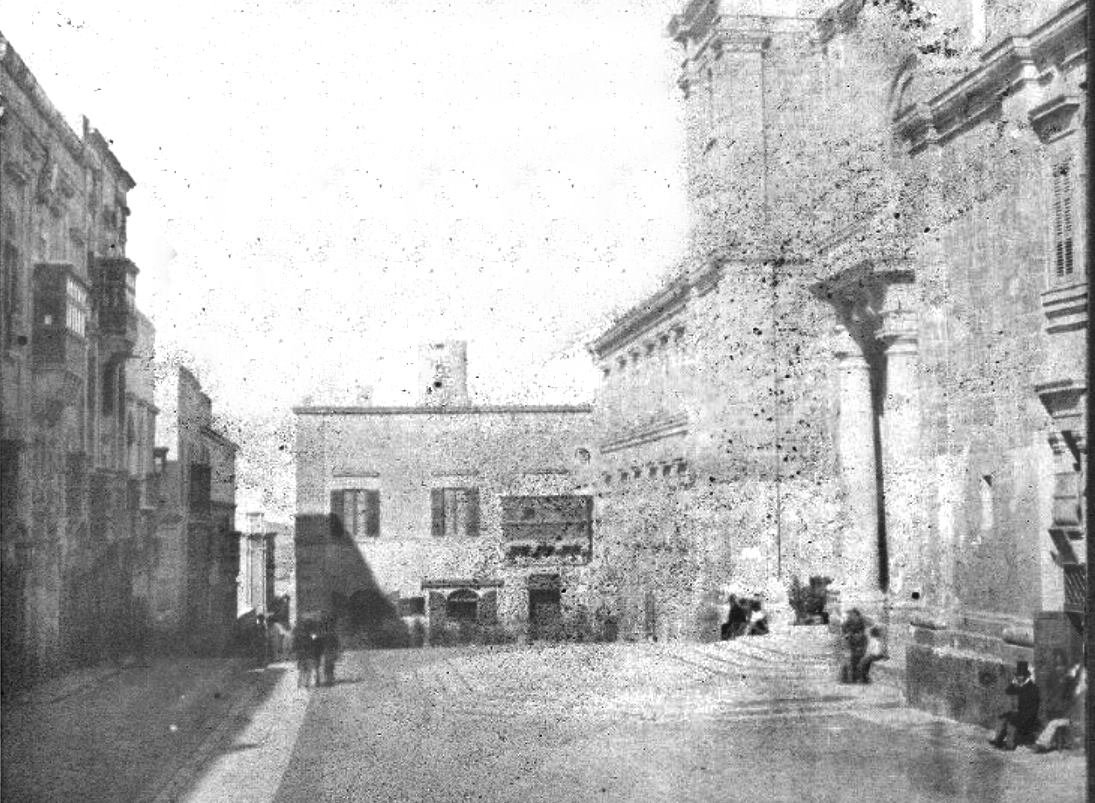
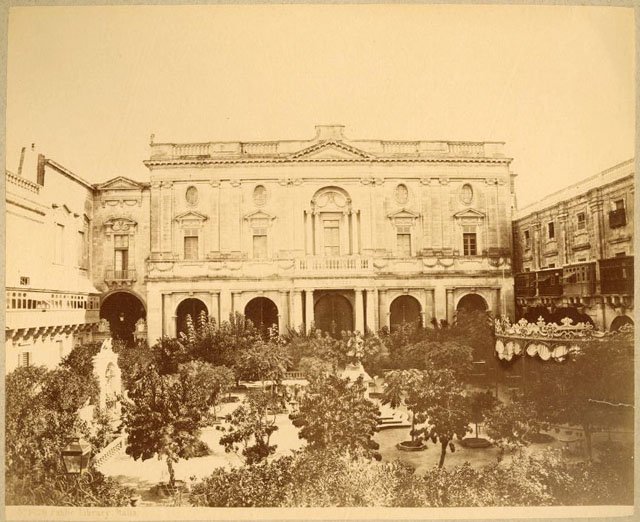
In the heart of Valletta, Malta’s UNESCO World Heritage capital, stands the Castellania—a magnificent emblem of the island’s judicial and architectural heritage. Erected between 1757 and 1760 by the Knights of St John, this Baroque masterpiece was the principal courthouse and prison, reflecting the administrative and social order of its era. The building’s design, credited to Francesco Zerafa and Giuseppe Bonici, boasts an ornate façade featuring allegorical figures of Justice and Mercy, echoing its pivotal role in Malta’s legal and civic history (um.edu.mt; Times of Malta).
Today, Castellania remains a vital government office, housing the Ministry for Health, but it also preserves historic interiors like its courtrooms and prison cells. Its central location on Merchants Street places it within easy reach of Valletta’s other renowned landmarks, such as St John’s Co-Cathedral and the Grandmaster’s Palace. This makes Castellania a crucial stop for those eager to explore Malta’s layered past and vibrant urban culture (Very Valletta; Malta Uncovered).
For the modern visitor, Castellania offers guided tours, museum exhibits, and digital resources—including the Audiala app—for immersive exploration and up-to-date information (Audiala app).
Origins and Construction
The origins of Castellania trace back to the aftermath of the Great Siege of 1565 and the foundation of Valletta. Commissioned by the Knights of St John, the building initially served as the Order’s main courthouse and administrative center. The present Baroque structure, completed in 1760 under Grand Master Manuel Pinto da Fonseca, exemplifies the grandeur and authority of 18th-century Maltese governance (um.edu.mt; Wikiwand).
Architectural Features and Symbolism
Castellania’s symmetrical façade is crafted from golden Maltese limestone and adorned with intricate stonework, including the coat of arms of Grand Master Pinto and the emblem of the Order of St John. Sculpted figures of Justice and Mercy flank the entrance, reinforcing the building’s judicial function (wanderlog.com). The interior features original courtrooms, judges’ chambers, and prison cells, all arranged around a central courtyard designed for optimum light and ventilation.
Key elements include:
- Central Balcony: Once used for public proclamations.
- Baroque Ornamentation: Pilasters, cornices, and the Knights’ coats of arms.
- Grand Staircase: Symbolic of judicial hierarchy.
The façade’s recent restoration ensured the preservation of these architectural treasures (Times of Malta).
Visiting Castellania Valletta: Hours, Tickets, and Accessibility
Visiting Hours
- Public Access: Monday to Friday, 8:00–16:00 (Ministry working hours). Museum and tour access may differ; check ahead for updates (Nursing and Midwifery Services Directorate - Malta).
- Facade: Viewable at all times from Merchants Street.
Tickets and Entry
- General Admission: Free for public areas and museum exhibitions when open. Special exhibitions or guided tours may require tickets.
- Guided Tours: Offered by the Ministry or local operators. Advance booking is recommended for interior access and in-depth historical commentary.
Accessibility
- Exterior: Easily accessible on foot.
- Interior: Some historic areas (upper floors, prison cells) may have limited accessibility due to staircases and narrow corridors. Contact the Ministry for details if you have mobility needs.
Travel Tips and Nearby Attractions
- Best Times to Visit: Early mornings or late afternoons for optimal lighting and fewer crowds.
- Dress Code: Respectful attire required—avoid swimwear and revealing clothing.
- Photography: Permitted in most public and museum areas; check for restrictions in government zones.
- Facilities: Restrooms available; no on-site café, but Merchants Street offers many dining options nearby.
Nearby Landmarks
- St John’s Co-Cathedral: Celebrated for its ornate Baroque interior and Caravaggio paintings.
- Grandmaster’s Palace: Historic seat of Maltese governance.
- Upper Barrakka Gardens: Panoramic views of the Grand Harbour.
- Merchants Street Market: Lively local shopping and street food (Malta Uncovered).
Social and Cultural Significance
Castellania was more than a courthouse—it was a symbol of justice and public order throughout the Knights, French, and British periods. Public rituals, such as the ringing of the “ruffiana” bell and the use of “Nelson’s Hook” for public shaming, made it a focal point in Valletta’s social life (Very Valletta; Wikiwand). The building’s legacy persists in the Maltese language and folklore, with expressions like “għandu wiċċ l-għatba tal-Kistlanija” symbolizing shamelessness and equality before the law.
Today, Castellania continues its civic role as the home of the Ministry for Health and serves as a venue for educational tours and cultural events.
Preservation and Heritage Importance
Designated a Grade 1 national monument and included on Malta’s Antiquities List since 1925, Castellania’s architectural and historical value is safeguarded by ongoing restoration and conservation efforts (wanderlog.com). Its presence on commemorative coins and in the national archives underlines its enduring role in Malta’s collective memory.
Visitor Experience and Practical Tips
- Plan Ahead: Confirm current opening hours and tour availability before your visit.
- Combine Visits: Castellania’s central location allows you to easily explore other Valletta attractions in a single outing.
- Guided Tours: Highly recommended for a deeper understanding of the building’s judicial history, architecture, and cultural context.
- Language: English and Maltese are widely spoken; tours and signage are usually available in English.
- Safety: Valletta is safe for tourists, but standard precautions apply. Security checks may occur at Castellania’s entrance.
Frequently Asked Questions (FAQ)
Q: What are Castellania’s visiting hours?
A: Monday to Friday, 8:00–16:00 for Ministry areas; museum and tour access may vary (Nursing and Midwifery Services Directorate - Malta).
Q: Is there an admission fee?
A: Entry is generally free, but guided tours or special exhibits may require booking and a fee.
Q: Are guided tours available?
A: Yes, through the Ministry or local operators. Advance reservations are advised.
Q: Is Castellania accessible for people with disabilities?
A: Some areas are accessible, but historic features may restrict access to upper floors or prison cells. Contact the site in advance for details.
Q: Can I take photos inside?
A: Photography is allowed in many public and museum areas, but may be restricted in official offices or sensitive sections.
Location and Accessibility
Address: 15, Merchants Street (Triq il-Merkanti), Valletta VLT1171, Malta
Getting There: A short walk from the City Gate and main bus terminal. Valletta is also accessible by ferry from Sliema and the Three Cities (Malta Uncovered).
Contact: +356 2299 2550 | Official Website
Summary and Key Travel Tips
Castellania is a must-see for those interested in Malta’s history, architecture, and civic traditions. Free entry to public areas, weekday visiting hours, and proximity to other major landmarks allow for a seamless visit. Preservation efforts have maintained its Baroque splendor and cultural heritage, ensuring that Castellania remains a living symbol of Maltese identity and justice (Wikiwand; Times of Malta; wanderlog.com).
- Combine your visit with Valletta’s other historical treasures for a richer experience.
- Check official sources for up-to-date hours and tour schedules.
- Download the Audiala app for audio tours and tips (Audiala app).
Listen to the full story in the app
The whole Castellania,
told well.
Listen to sourced travel stories with local history and practical context — ready offline.

Verified, and shown.
Researched and written by the Audiala editorial team from historical records, architectural archives, and local expertise.
Built from cited sources · see the method · How we make our guides →