Plan and listen to Auberge D'Auvergne with Audiala.
Audio guide in your pocket, itinerary in your browser. Built for the way you actually visit.
Introduction
Nestled in the heart of Valletta, Malta’s UNESCO World Heritage-listed capital, Auberge D'Auvergne was once a cornerstone of the city’s historic and architectural landscape. Built by the Knights Hospitaller for the Auvergne langue in the late 16th century, the site today is occupied by Malta’s Courts of Justice—a living testament to the city’s resilience and evolving civic identity. This guide explores the fascinating history, architectural evolution, and cultural significance of Auberge D'Auvergne, while providing up-to-date practical information for visitors, including access, tickets, nearby attractions, and travel tips (The Heritage Value of the Auberges of the Order of St John in Valletta, Malta).
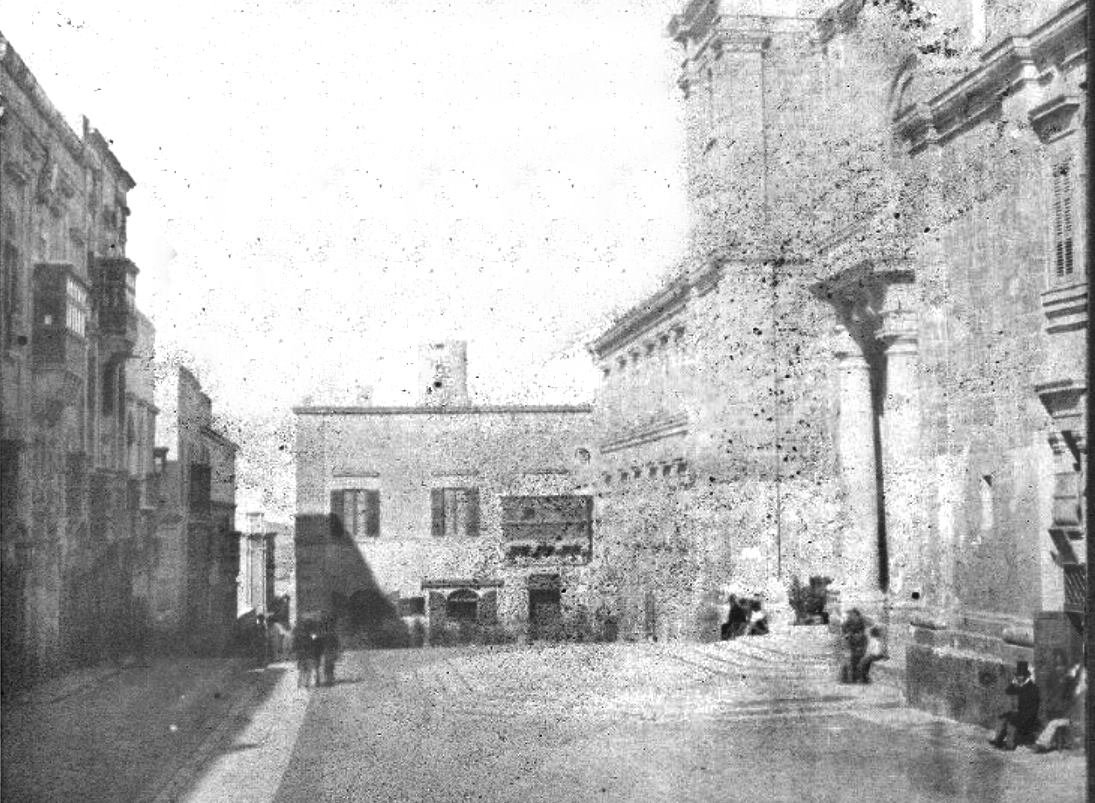
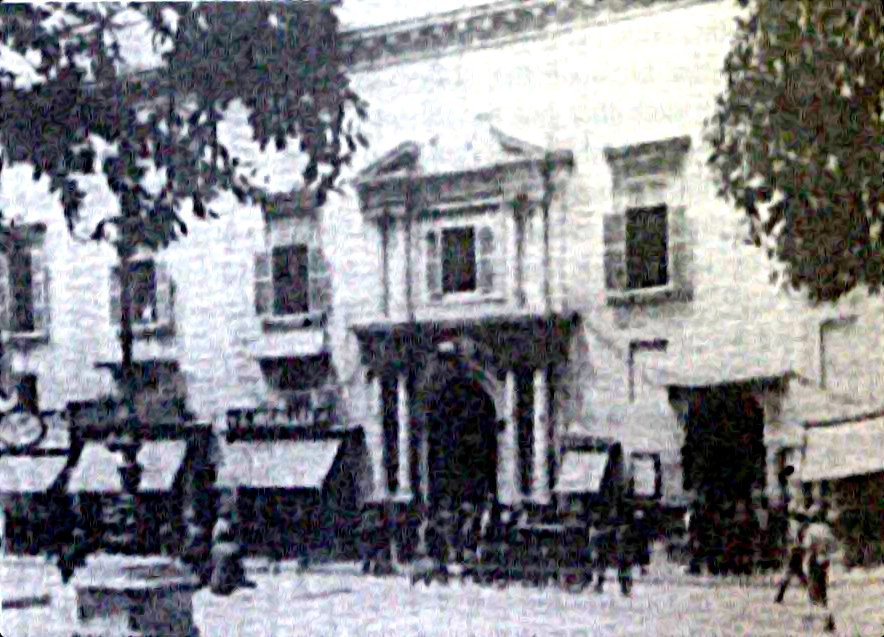
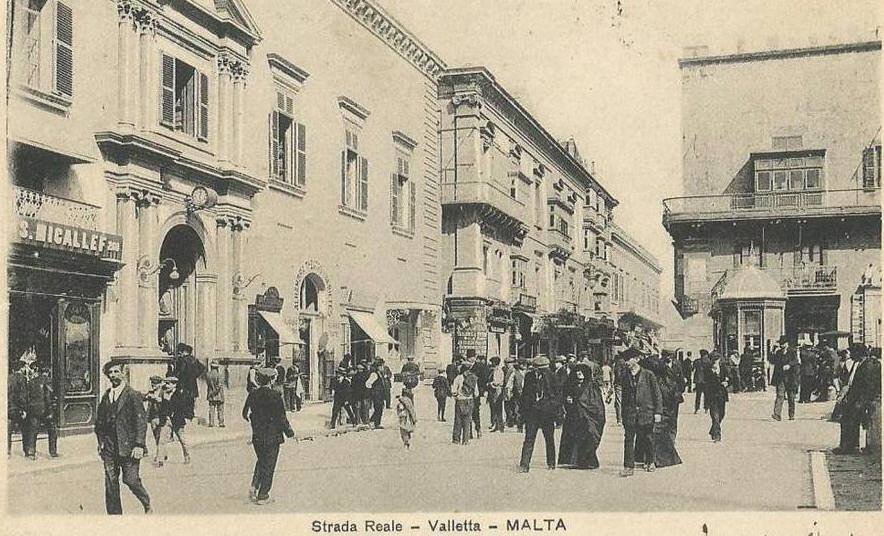
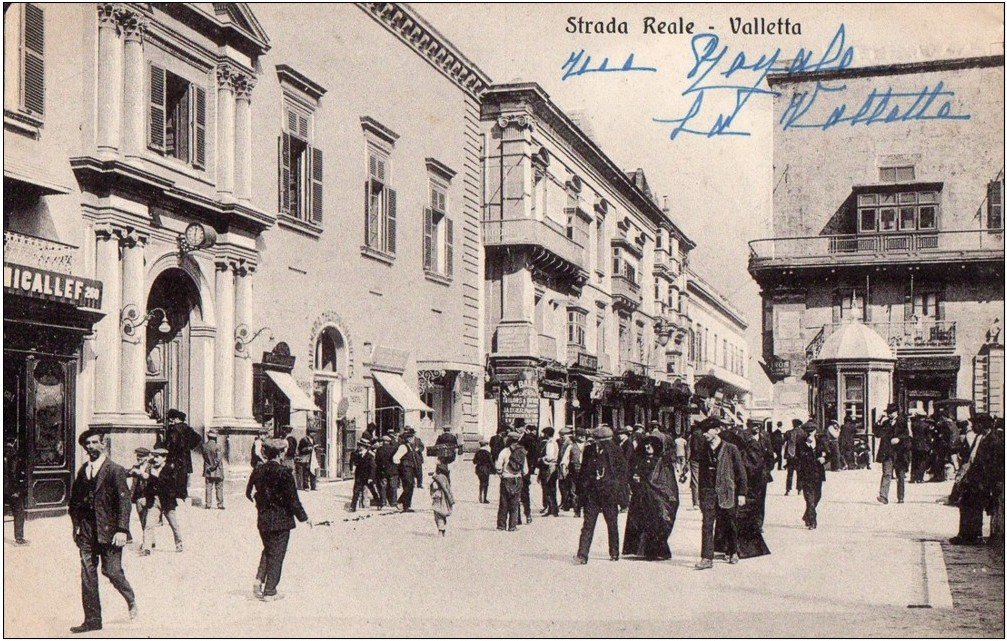
Auberge D'Auvergne was among the original auberges constructed in Valletta after the city’s foundation in 1566. Designed by the eminent architect Girolamo Cassar, the building served as a residence and administrative center for the Knights of the Auvergne langue, reflecting the Order of St. John’s intricate social and administrative structure (Malta Culture 365). Its Mannerist style, characterized by robust stonework and an austere façade, set it apart from the more ornate Baroque auberges elsewhere in the city.
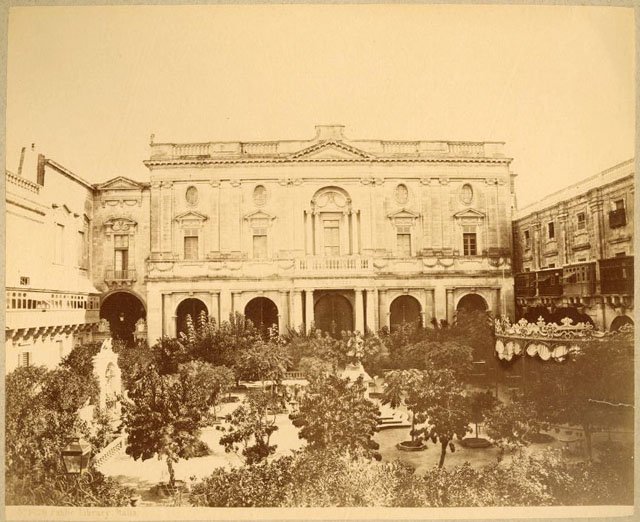
The auberge included communal halls, a refectory, and a chapel, all organized around a central courtyard. It was not only a home for the knights but also a center of decision-making and social interaction, reinforcing the Order’s presence in the urban fabric of Valletta (The Heritage Value of the Auberges of the Order of St John in Valletta, Malta).

Architectural Features and Loss
The original Auberge D'Auvergne was notable for its functional, defensive design and understated elegance. A spacious open area at the front served as a dignified buffer from the busy city streets. Its architectural restraint was in line with the practical needs and Mannerist aesthetic of the Knights’ early period in Valletta (Malta Culture 365).
Tragically, the auberge was completely destroyed during World War II, specifically by a German parachute mine in 1941. The loss of this historic building was a profound cultural blow, erasing a key piece of Malta’s architectural heritage (Lovin Malta).
Postwar Transformation: Courts of Justice
Following wartime destruction, the site was redeveloped in the 1960s as Malta’s main Courts of Justice. Designed in a Neo-classical style by Jo Tonna, the new building features imposing columns and a grand staircase. While functional and prominent, the modern courthouse lacks the historical character of the original auberge but stands as a symbol of Malta’s postwar civic renewal (Malta Culture 365).
The open space in front of the building remains, echoing the grandeur of the site’s original context and maintaining its prominence within Valletta's urban grid.
Cultural and Civic Significance
Auberge D'Auvergne’s legacy transcends its physical loss. Originally a symbol of the Knights’ administrative and social life, the site later adapted to new roles under British rule and, eventually, as the seat of Malta’s judiciary. Its transformation reflects the adaptability of Valletta’s historic buildings and their ongoing relevance to Maltese identity and public life (NICPMI).
Today, the Courts of Justice building is a living part of Malta’s civic landscape, representing the continuity of governance and the city’s historical journey from knightly stronghold to modern democracy.
Practical Visitor Information
Location and Access
The former Auberge D'Auvergne site is located at the intersection of Republic Street and St. Lucia Street—central, easily accessible, and within walking distance of Valletta’s main bus terminus. The area is well-served by public transport, and the pedestrian-friendly streets make it ideal for walking tours (Malta Info Guide).
Visiting Hours & Tickets
- Visiting Hours: The Courts of Justice functions as an active courthouse. Public access is limited to those attending court proceedings. The exterior and surrounding square can be visited at any time during daylight hours.
- Tickets: No tickets are required for viewing the building’s exterior. Entry to the interior is only permitted for official business or court sessions.
Accessibility
The surrounding area is paved and wheelchair accessible, although some of Valletta’s streets are cobbled and steep. Recent city improvements have made the area more accessible for visitors with mobility challenges.
Photography and Visitor Conduct
- Photography: Permitted outside the building, but not inside due to security and privacy regulations.
- Visitor Conduct: Modest dress and respectful behavior are expected if entering the building for official business.
Travel Tips
- Best Time to Visit: Spring and autumn offer comfortable weather and fewer crowds (Happy to Wander).
- Getting Around: Use public transport or walk, as parking in Valletta is limited.
- Amenities: Nearby cafés, shops, and free public Wi-Fi make for a convenient visit.
Nearby Attractions
Valletta’s compact size makes it easy to combine a visit to the Auberge D'Auvergne site with other significant landmarks:
- Auberge de Castille: Prime Minister’s office, renowned Baroque architecture (Lovin Malta).
- St. John’s Co-Cathedral: Baroque masterpiece and home to Caravaggio’s works.
- Grandmaster’s Palace: Former headquarters of the Knights, now hosting the Office of the President and the Palace Armoury.
- National Museum of Archaeology: Housed in Auberge de Provence, showcasing Malta’s prehistory (Malta.com).
- Upper Barrakka Gardens: Panoramic views over the Grand Harbour.
Frequently Asked Questions (FAQ)
Q: Can I enter the original Auberge D'Auvergne?
A: No, the original building was destroyed in World War II. The current site houses the Courts of Justice, which is not open for general tours.
Q: Is there a ticket required to visit?
A: No tickets are needed to view the exterior of the building.
Q: What are the visiting hours?
A: You can view the exterior at any time during daylight. Entry is restricted to those with official business during court hours (Monday–Friday, 9:00 AM–5:00 PM).
Q: Is the area accessible for people with disabilities?
A: Yes, the area is paved and accessible, although some nearby streets may be steep or cobbled.
Q: Can I join a guided tour?
A: Many Valletta walking tours include the history of Auberge D'Auvergne as part of their itinerary (TourHQ).
Listen to the full story in the app
The whole Auberge D'Auvergne,
told well.
Listen to sourced travel stories with local history and practical context — ready offline.
Verified, and shown.
Researched and written by the Audiala editorial team from historical records, architectural archives, and local expertise.
Built from cited sources · see the method · How we make our guides →