Destinations Malta Valletta

Valletta.

35° N · 14° E Malta

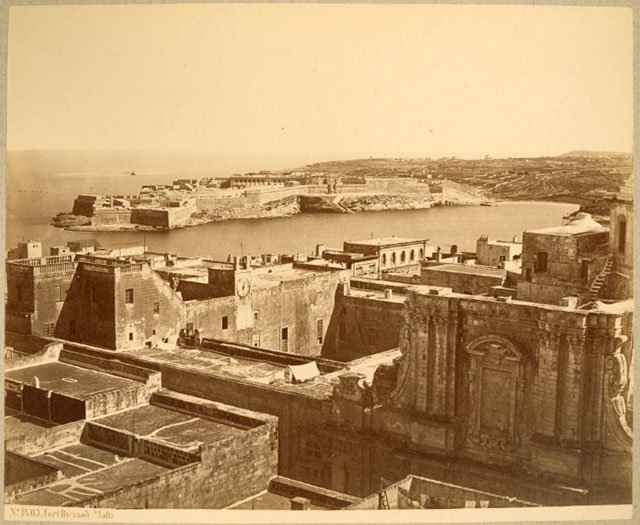
The first thing that hits you in Valletta, Malta, is the light—honey-colored limestone catching the Mediterranean sun until the whole city glows like a lantern. Then comes the sound: cannons firing at noon from 16th-century ramparts, their booms echoing across a harbor that once sheltered the Knights of St John and still feels like a movie set waiting for its close-up. In Europe's smallest capital—less than one square kilometer—every alley ends in salt-spray, every balcony hides a story, and every church doorway frames a Caravaggio.

Listen to audio guide — 47 min Open the map
Valletta, Malta
Valletta · Malta
25
attractions
3–4 days
days suggested
April–June & September–October
best season
EN · EN
narration

01 An introduction

synthesized from 240+ sources ·

VThe first thing that hits you in Valletta, Malta, is the light—honey-colored limestone catching the Mediterranean sun until the whole city glows like a lantern. Then comes the sound: cannons firing at noon from 16th-century ramparts, their booms echoing across a harbor that once sheltered the Knights of St John and still feels like a movie set waiting for its close-up. In Europe's smallest capital—less than one square kilometer—every alley ends in salt-spray, every balcony hides a story, and every church doorway frames a Caravaggio.

This is a city built for drama. After the Great Siege of 1565, the Knights carved Valletta from solid rock in just 15 years, creating a Baroque stage set where sea meets stone. Walk Republic Street at sunset and you'll pass 320 monuments in 800 meters—more density than Rome—while locals sip Kinnie and argue football scores under carved wooden balconies. The same stones that withstood Ottoman cannons now echo with jazz from converted bunkers and the clink of wine glasses in 400-year-old wine cellars.

What makes Valletta extraordinary isn't just its past—it's that the past refuses to stay past. Knights' hospitals become contemporary art museums; wartime tunnels host opera performances; noble families still live in 16th-century palaces where they'll show you their private WWII shelters for the price of a pastizz. In a continent crowded with museum-cities, Valletta remains stubbornly alive: 6,000 residents, two working harbors, and a culture that remixes Arab, Italian, and British influences into something uniquely Maltese.

Photography Hotspot Budget Friendly Family Friendly

02 Why Valletta.

What makes this place worth slowing down for.

Baroque in Stone

320 monuments cram a peninsula barely 800 m long. St John’s Co-Cathedral hides Caravaggio’s only signed canvas beneath a vault painted by his student; the marble floor is a mosaic of 400 tombstones of Knights who once ruled the Mediterranean from this exact spot.

Harbour Theatre

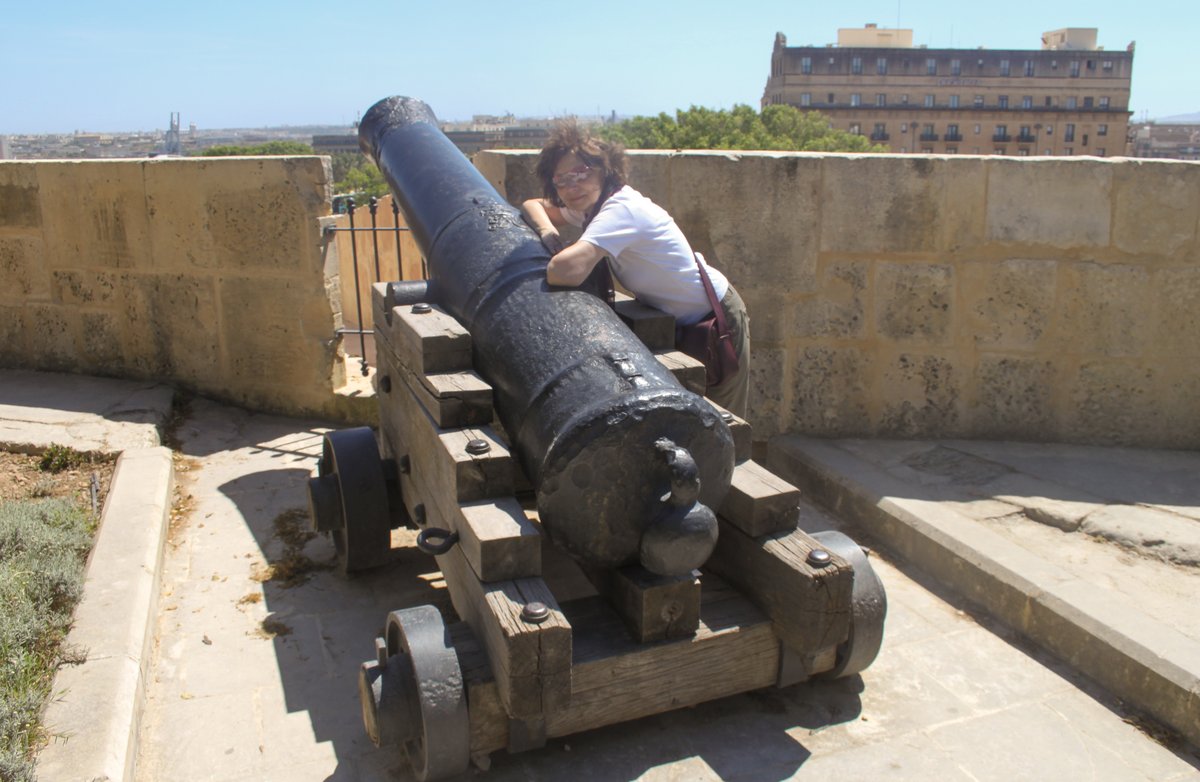
At noon the cannons of the Saluting Battery fire across Grand Harbour, the same 24-pounders that greeted Nelson’s fleet. Watch from Upper Barrakka’s terrace, then ride the 70-second glass lift down to sea level and catch a traditional luzzo across to the Three Cities for €1.50.

A Renzo Piano Cut

The new City Gate is not an arch but a raw slice through 16th-century bastions, purpose-built to reveal the violence of the original cut. In the ditch below, bombed opera-house fragments now serve as an open-air stage—Mediterranean ruins performing themselves.

Strait Street’s Second Act

Once the navy’s ‘Gut’ of bars and brothels, the narrowest main street in Europe now echoes with jazz drifting from wine cellars. Candle-lit vaults serve Kinnie-and-rum while 200-year-old balconies drip bougainvillea onto 2 a.m. passeggiata.


03 Places to Visit.

Not every monument, just the ones we'd walk you past ourselves.

St. John'S Co-Cathedral
Editor's pick
01 · Place

St. John'S Co-Cathedral

Nestled in the heart of Valletta, Malta’s fortified capital, St.

St. John'S Co-Cathedral
02 Place

St. John'S Co-Cathedral

Nestled in the heart of Valletta, Malta’s fortified capital, St.

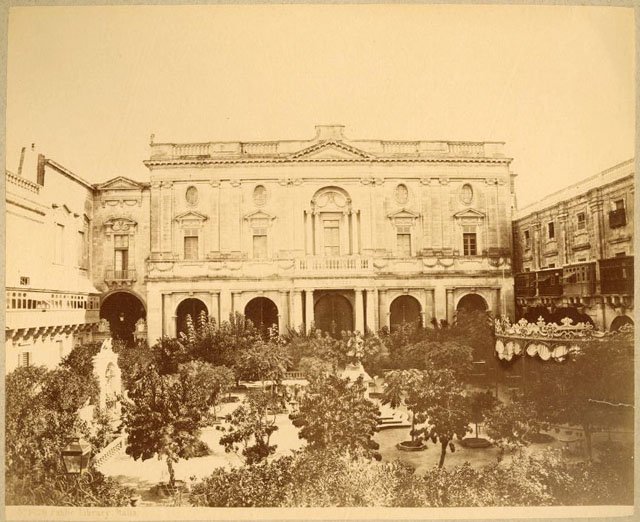
National Library of Malta
03 Place

National Library of Malta

Nestled in the heart of Valletta, the National Library of Malta, also known as the Bibliotheca, stands as a beacon of Malta’s rich cultural and intellectual…

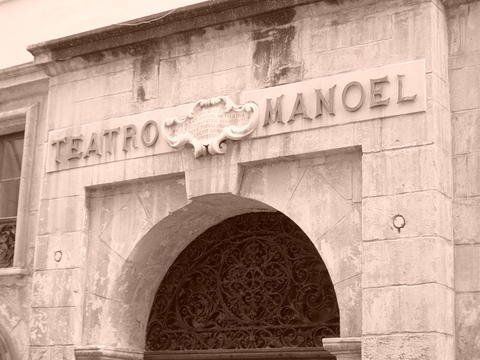
Manoel Theatre
04 Place

Manoel Theatre

Nestled in the historic heart of Valletta, Malta’s UNESCO World Heritage capital, the Manoel Theatre stands as a remarkable testament to over three centuries…

Royal Opera House
05 Place

Royal Opera House

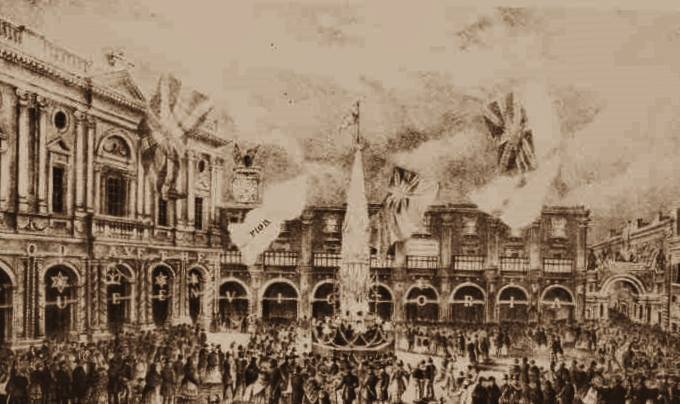
Nestled at the heart of Malta’s capital city, the Royal Opera House Valletta, locally known as Pjazza Teatru Rjal, stands as a remarkable emblem of the…

06 Place

National Museum of Archaeology

Nestled in the heart of Valletta, the National Museum of Archaeology stands as a beacon of Malta’s rich prehistoric and ancient heritage, drawing visitors…

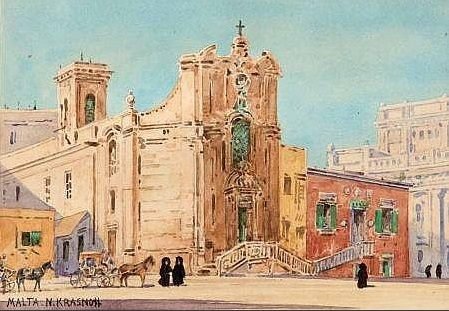
Our Lady of Victory Church
07 Place

Our Lady of Victory Church

Our Lady of Victory Church in Valletta, Malta, stands as a remarkable emblem of Maltese history, faith, and artistry.

All 105 places in Valletta

04 Neighborhoods.

Where to wander, by quarter — each with its own rhythm.

01

Republic Street Spine

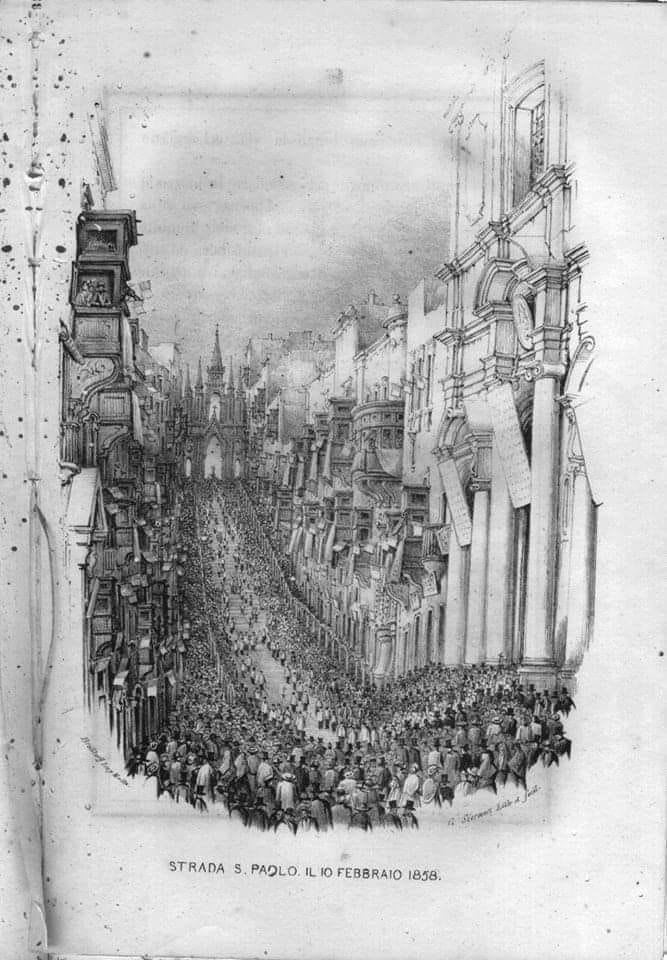
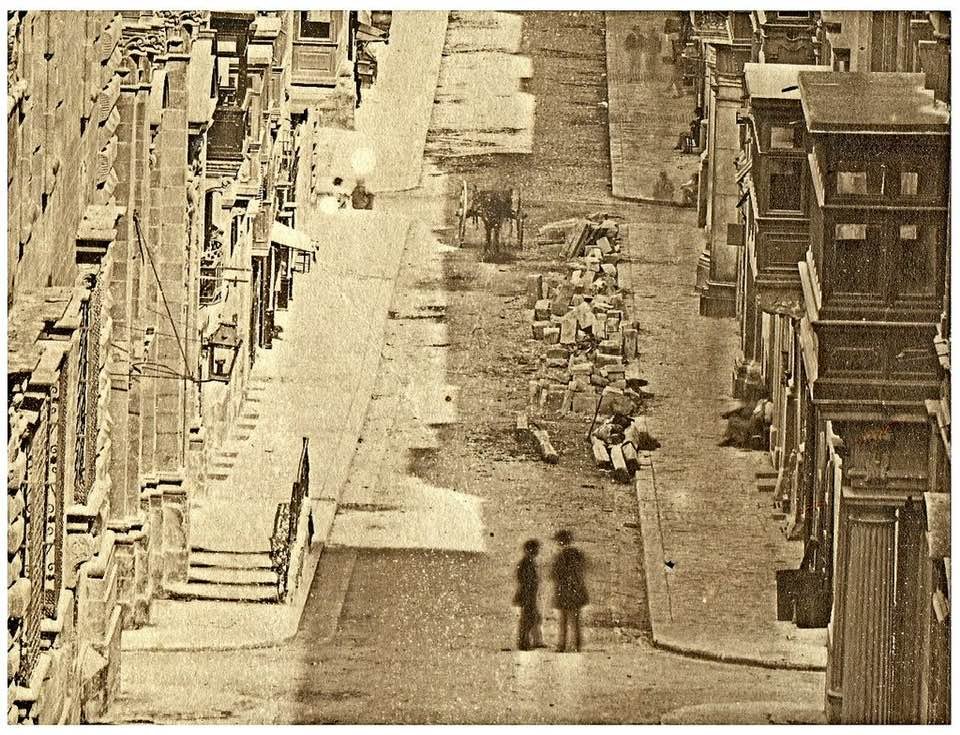
The city's marble artery runs arrow-straight from City Gate to Fort St Elmo, changing personality every 200 meters. Near the gate: selfie sticks and €1.50 pastizzi at Crystal Palace. Midway: Caffe Cordina's chandeliers and marble, where judges in robes debate cases over espresso. By the cathedral end: goldsmiths' shops smell of solder and secrets, while the 11:45 am queue at St John's forms before the Caravaggio crowd arrives. The street narrows to a canyon of honey-stone where shadows move like sundials—follow them at 6 pm when office workers create Malta's most civilized rush hour.

02

Strait Street Quarter

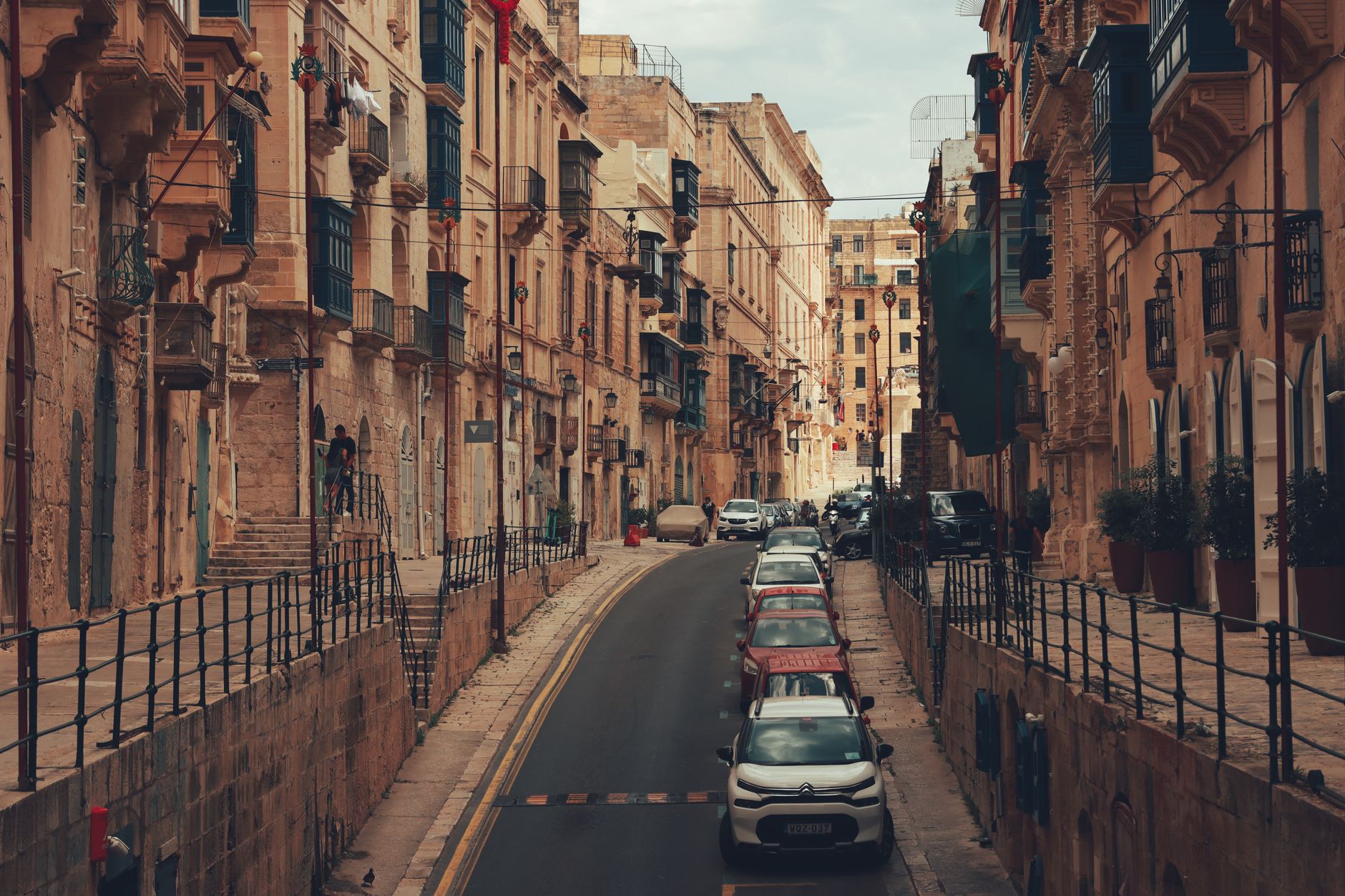
Once the 'Gut'—a notorious sailor's playground of bars and brothels—this 4-meter-wide canyon now hosts Valletta's after-dark personality transplant. Daytime reveals peeling Baroque facades and cats sunning on wrought-iron balconies. After 9 pm, jazz spills from Trabuxu's vaulted cellar where natural-wine converts nurse Meridiana vintages. The street's original neon signs flicker above craft-beer converts and octogenarian regulars who remember when 'ladies of the night' leaned from these same windows. Order a Kinnie with lemon at Yard 32 and watch 400 years of sin and redemption negotiate closing time.

03

Grand Harbour Edge

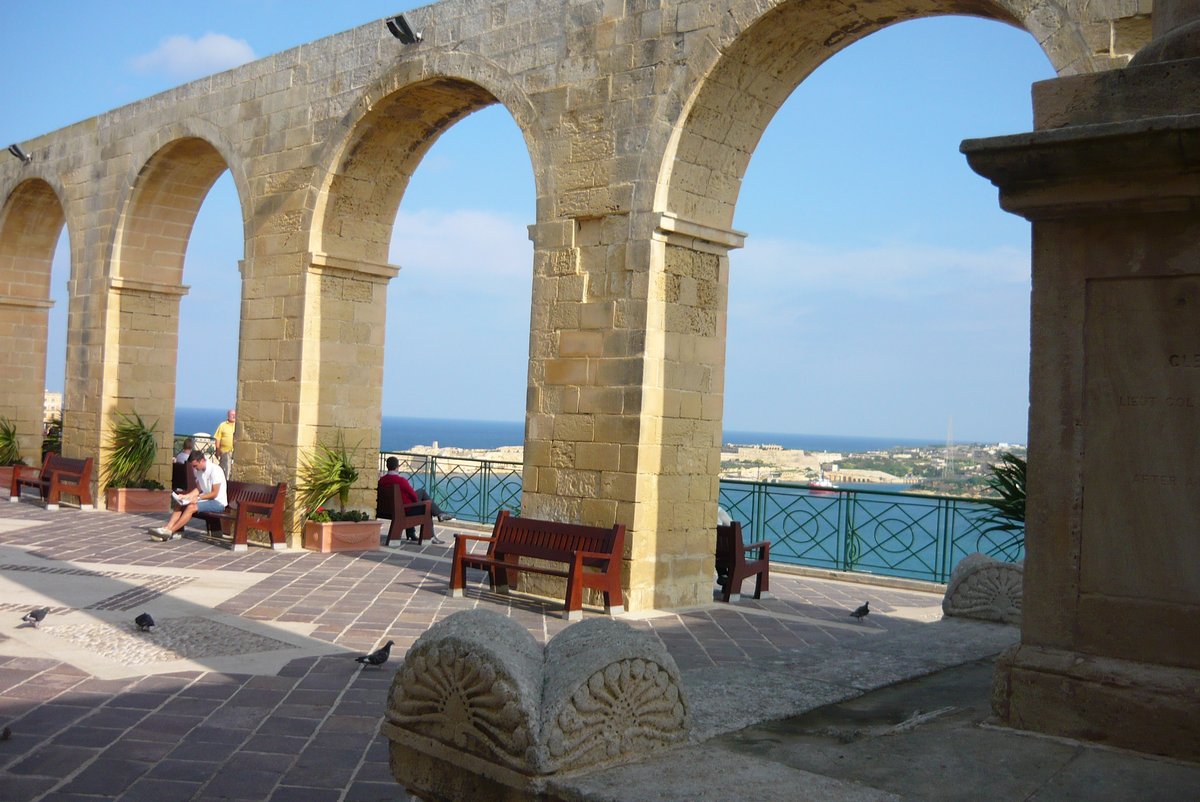
Where Valletta drops into the sea—literally. The Upper Barrakka Gardens deliver Europe's most theatrical lunch spot: cannons fire at noon while cruise ships glide beneath your feet through harbors the Knights defended with chains and fire. Descend via the 58-second Barrakka Lift (€1) to 18th-century warehouses converted to seafood restaurants, where lampuki arrives off boats named after saints. Walk the breakwater at St Elmo's point: Mediterranean on three sides, fortifications rising like stone waves behind you. The light here at golden hour makes photographers weep—something about limestone and salt air that no filter can fake.

04

Merchants Street Markets

Parallel to Republic but centuries away—this is where Maltese housewives haggle over ġbejna cheese while architects photograph Victorian ironwork. The covered market (Is-Suq tal-Belt) hides three floors of food culture: ground-level fishmongers call prices in Maltese while octopus tentacles curl on marble slabs. Upstairs: rooftop bars where natural wine flows past cast-iron columns. Sunday antiques market stretches toward the harbor—find British military buttons next to 1960s Maltese movie posters. Auberge de Castille's Baroque facade watches over it all, now housing politicians instead of Knights.

05

Three Cities View

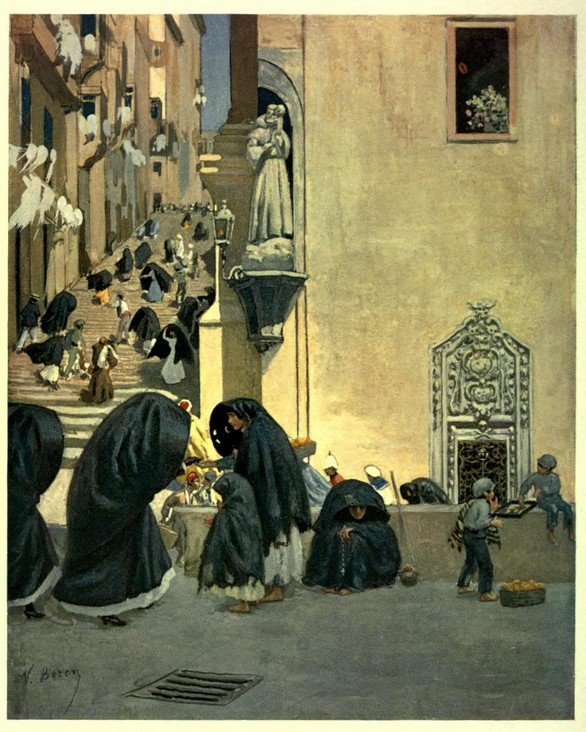
Technically across the harbor, but Valletta's best view is actually *from* here—Vittoriosa's medieval streets and Senglea's Gardjola watchtower create the postcard shot everyone wants. Reachable by traditional dghajsa boat (€2, negotiate) or the 19-minute ferry ride that feels like time travel. In Vittoriosa, the Inquisitor's Palace shows where heretics were interrogated while cannons pointed at Valletta. Senglea's narrow lanes host grandmothers hanging laundry above tiny shrines—no tourist infrastructure means you witness actual Maltese life. The view back to Valletta's walls from Senglea's point is the money shot: honey-stone ramparts rising from blue water like a fortress dreamed by Renaissance princes.

Historical Timeline

A Fortress Raised from Siege and Stone

From barren ridge to Baroque capital in 450 years

Knights' Rule
1530

Knights Anchor in Grand Harbour

The Knights of St John sail into Malta's Grand Harbour after seven years stateless. They rent the islands from Emperor Charles V for one falcon a year, set up court in Birgu and start turning the empty ridge of Xebb ir-Ras into a gun platform. The harbour's limestone cliffs echo with pick-hammers within weeks.

1565

The Great Siege Tests the Rock

40,000 Ottomans land and hammer Fort St Elmo for a month; every defender dies, but the delay costs the attackers 6,000 men and their best admiral, Dragut. The siege breaks on 11 September, leaving the peninsula scorched and sacred. Europe hears the news in church bells.

1566

De Valette Lays First Stone

Grand Master Jean Parisot de Valette, 71, plants the foundation stone of a new city on the siege ground. Laparelli's plan: a grid of straight streets angled to catch the breeze, every corner covered by cannon. Workers live in tents; stone arrives by boat from quarries across the harbour.

1571

Palace Rises above Dust

Cassar's masons hoist the first blocks of the Grand Master's Palace. Inside, courtyards cool the air; outside, austere walls hide staterooms lined with Gobelin tapestries. The bronze clock in the courtyard will tick through 250 years of pageants and panics.

1577

St John's Consecrated

The Co-Cathedral opens: plain limestone outside, riot inside. Marble tombstones of 400 Knights pave the floor; the vaulted ceiling waits for Preti's brush. The church becomes the Order's spiritual engine-room, echoing to Latin chant and the clank of armour.

1607

Caravaggio Flees to Malta

Rome's most wanted painter steps off a felucca with blood on his hands and a price on his head. Wignacourt gives him lodgings in the Auberge d'Italie. In a ground-floor workshop Caravaggio stretches a canvas three metres wide and paints murder in chiaroscuro.

1615

Water Finally Climbs the Hill

The Wignacourt Aqueduct completes its 15-kilometre march from Rabat. Arches stride across valleys; water gushes into fountains at the Upper Barrakka. For the first time residents stop rationing barrels and start washing stone dust from their streets.

1666

Preti Gilds the Cathedral

Mattia Preti climbs scaffolding inside St John's and doesn't come down for two years. With ground lapis and gold leaf he turns bare stone into a writhing heaven of saints. Knights kneel beneath their own skeletons, reminded that glory is temporary, stone eternal.

1731

Manoel Theatre Opens

Grand Master Vilhena converts a 17th-century riding school into a jewel-box theatre: 600 seats, three tiers of boxes painted Pompeian red. Candles flicker; Vivaldi is heard. The stage is still wood from 1731, creaking under every modern performance.

French Occupation
1798

Napoleon Takes the Keys

Napoleon demands water for his Egypt fleet; Grand Master Hompesch hesitates, then folds in two days. French tricolour flies over the Palace. Napoleon abolishes slavery, seizes church silver, and is gone in six days, leaving a garrison that will loot until the Maltese revolt.

British Period
1800

British Flag over Fort Angelo

After a two-year siege of Valletta by Maltese rebels and British ships, General Vaubois marches out. Captain Alexander Ball raises the Union Jack. Malta's language shifts from Italian to English street by street, shop by shop.

1866

Opera House Burns on Opening Night

Barry's neo-classical Royal Opera House, just completed, catches fire during its first performance. Flames leap across Republic Street; the roof collapses onto velvet seats. The shell will wait 140 years before Renzo Piano turns it into parliament.

1919

Sette Giugno Blood on Strada

Post-war hunger sparks riots; British troops fire into a crowd outside the Palace. Four Maltese fall dead on Palace Square. The date becomes a national day, and the first stone toward self-government is prised loose.

April 1942

George Cross for the Island

After 154 consecutive bombing days King George VI awards Malta the George Cross for collective bravery. The medal arrives by plane; the citation is read from the Palace balcony while sirens still wail. The cross stays on the flag long after the dust settles.

September 1943

Italian Fleet Surrenders

The Italian battle fleet steams into Grand Harbour and drops anchor beneath Fort St Angelo, exactly where the Knights once faced Ottoman galleys. Eisenhower accepts the armistice in the Lascaris War Rooms. Valletta's cannons, silent since 1800, fire a 21-gun salute.

Independent Malta
1964

Midnight Flag Swap

At midnight on 21 September the Union Jack is lowered and the Maltese flag raised over the Palace. Fireworks bounce off limestone walls; church bells compete with ships' horns. Independence is granted, but British ships still fill the harbour at dawn.

1979

Last British Ship Departs

HMS London sails out at sunset, ending 179 years of Royal Navy presence. Maltese soldiers lower the British naval ensign from Fort St Angelo and raise the George Cross banner. Dom Mintoff declares Freedom Day; the dockyard falls silent for the first time since Nelson.

1980

UNESCO Engraves the City

UNESCO lists Valletta as a World Heritage Site, citing 'one of the most concentrated historic areas in the world.' The decision saves crumbling facades from developers and starts a slow restoration of golden stone that will take decades.

2018

Capital of Culture Ignites

Valletta stages 400 events in 365 days: a pianola concert in the dark tunnels of the cisterns, dancers on the bastion walls, Caravaggio's brushstrocks projected onto the cathedral floor. Tourist numbers jump 25%; Airbnb spreads into 16th-century houses.

2021

State Admits Complicity

A public inquiry finds Malta's government created a 'climate of impunity' that led to journalist Daphne Caruana Galizia's 2017 assassination. The report is presented in the law courts facing the Palace; protesters place candles on the steps where Sette Giugno blood once dried.

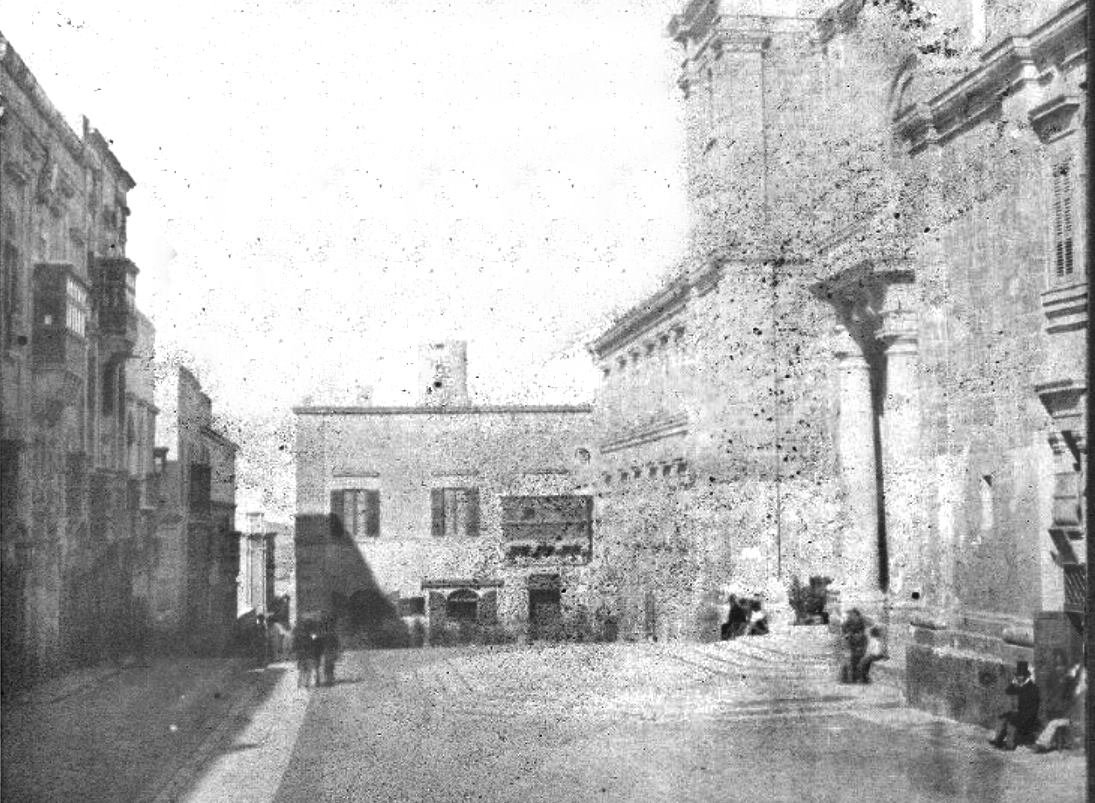
Present Day

08 Where to Eat.

Where locals actually book dinner — not the tourist menus.

Is-Suq Tal-Belt - Valletta Food Market Is-Suq Tal-Belt - Valletta Food Market
Market €€

Is-Suq Tal-Belt - Valletta Food Market

4.3 View
Caffe Cordina Caffe Cordina
Cafe €€

Caffe Cordina

4.1 View
Sotto Pinsa Romana Valletta Sotto Pinsa Romana Valletta
Local favorite €€

Sotto Pinsa Romana Valletta

4.7 View
67 Kapitali 67 Kapitali
Local favorite €€

67 Kapitali

4.7 View
Lot 61 Coffee Roasters Lot 61 Coffee Roasters
Cafe

Lot 61 Coffee Roasters

4.7 View
Amorino Gelato - Valletta Amorino Gelato - Valletta
Quick bite €€

Amorino Gelato - Valletta

4.6 View

09 Insider tips.

Small things that change how the city treats you.

Book St John's Ahead

Timed tickets for St John's Co-Cathedral sell out on cruise-ship days; reserve online 2-3 days ahead to secure your slot.

Ride the Dghajsa

Skip the bus and take the traditional luzzu water taxi (€1.50) from Valletta waterfront to Vittoriosa — it's faster and infinitely more atmospheric.

Eat Pastizzi at 2 a.m.

Crystal Palace on Republic Street stays open until 02:00; queue with locals for ricotta pastizzi at 30 ¢ each — the ultimate late-night fuel.

Hear the Hypogeum Hum

Only 80 visitors per day enter the 5,000-year-old Hypogeum; the inner chamber resonates a bass voice at 111 Hz — book weeks ahead.
Sunset from Hastings

Most tourists stop at Upper Barrakka; walk another five minutes to Hastings Gardens for west-facing golden light over the city walls without the crowds.
Get the Tallinja Card

A €2 reloadable Tallinja card drops bus fares to €1.50 (winter) and caps daily spend at €6 — it pays for itself after two rides.

12 Frequently Asked

Is Valletta worth visiting?

Absolutely — Valletta packs 320 baroque monuments into 0.8 km², plus Caravaggio’s only signed painting and Renzo Piano’s raw-limestone parliament. You can walk the entire peninsula in 20 minutes yet spend days peeling back layers from 1566 Knights' streets to 1942 bomb shelters.

How many days in Valletta do you need?

Base yourself for three full days: one for the city’s cathedrals, palaces and gardens; one for the Three Cities ferry loop and Vittoriosa’s Inquisitor Palace; one for Mdina and the Hypogeum (book ahead). Add an extra night if you want a Gozo or temple side-trip without rushing.

What is the cheapest way from Malta airport to Valletta?

Bus X4 costs €2 with a Tallinja card and takes 30–45 minutes depending on traffic. It departs every 30 minutes right outside arrivals and drops you at Valletta’s City Gate terminus — a five-minute flat walk to Republic Street.

Is Valletta safe at night?

Yes — Malta ranks among Europe’s safest countries and Valletta’s narrow streets stay well-lit and populated until bars close. The only real risk is pickpocketing on cruise-ship days around Republic Street; standard vigilance is plenty.

Can you do Valletta on a day trip from Sliema?

Easily: the ferry from Sliema waterfront takes 10 minutes and runs until midnight. You’ll have eight hours to cover St John’s, the Upper Barrakka noon cannon, Casa Rocca Piccola and Strait Street bars before sailing back at sunset — but you’ll miss the Hypogeum and evening jazz sessions.

Ready to book?

13Before you go

Practical Information

Flight

Getting There

Malta International Airport (MLA) sits 8 km south; the X4 express bus reaches City Gate in 30 min for €2 with a Tallinja card. No rail network exists—road links are via Triq il-Kordin (artery to the airport) and the coast-hugging Regional Road that rings the island.

Directions transit

Getting Around

Valletta itself is pedestrian-only; buses radiate from the underground terminus at Triton Fountain. A Tallinja card gives unlimited rides for €6/day or €21/week on 80+ routes covering every temple and fishing village. Ferries to Sliema and the Three Cities run every 30 min from Pinto Wharf.

Thermostat

Climate & Best Time

Spring (Apr–May) hovers 20–24 °C with 20 mm rain—wildflowers on the bastions and pre-cruise calm. Summer peaks at 33 °C in August but the sea stays bath-warm into October, when crowds thin and thermometers still read 24 °C. Winter is mild (15 °C) and quiet, perfect for cathedral interiors without timed tickets.

Payments

Money & Passes

Euro is king; contactless works everywhere. Heritage Malta’s 5-site pass (€30) bundles St John’s Co-Cathedral, Ħaġar Qim temples and Fort St Elmo—book Hypogeum separately weeks ahead, capped at 80 visitors per day.

Shield

Safety

One of Europe’s lowest crime rates (Numbeo index 28/100). The only real hazard is Maltese driving—look both ways even on pedestrian lanes. Night-time in Strait Street is relaxed; Paceville clubs 10 min away in St Julian’s see occasional pickpocketing at 3 a.m. closing time.

Take Valletta with you

47 minutes of Valletta,
downloaded once.

105 places, one continuous walking route. Free with your first city.

Get this guide on the app Open in browser

All Places to Visit.

105 places to discover

St. John'S Co-Cathedral
Place

St. John'S Co-Cathedral

St. John'S Co-Cathedral
Place

St. John'S Co-Cathedral

National Library of Malta
Place

National Library of Malta

Manoel Theatre
Place

Manoel Theatre

Royal Opera House
Place

Royal Opera House

Place

National Museum of Archaeology

Our Lady of Victory Church
Place

Our Lady of Victory Church

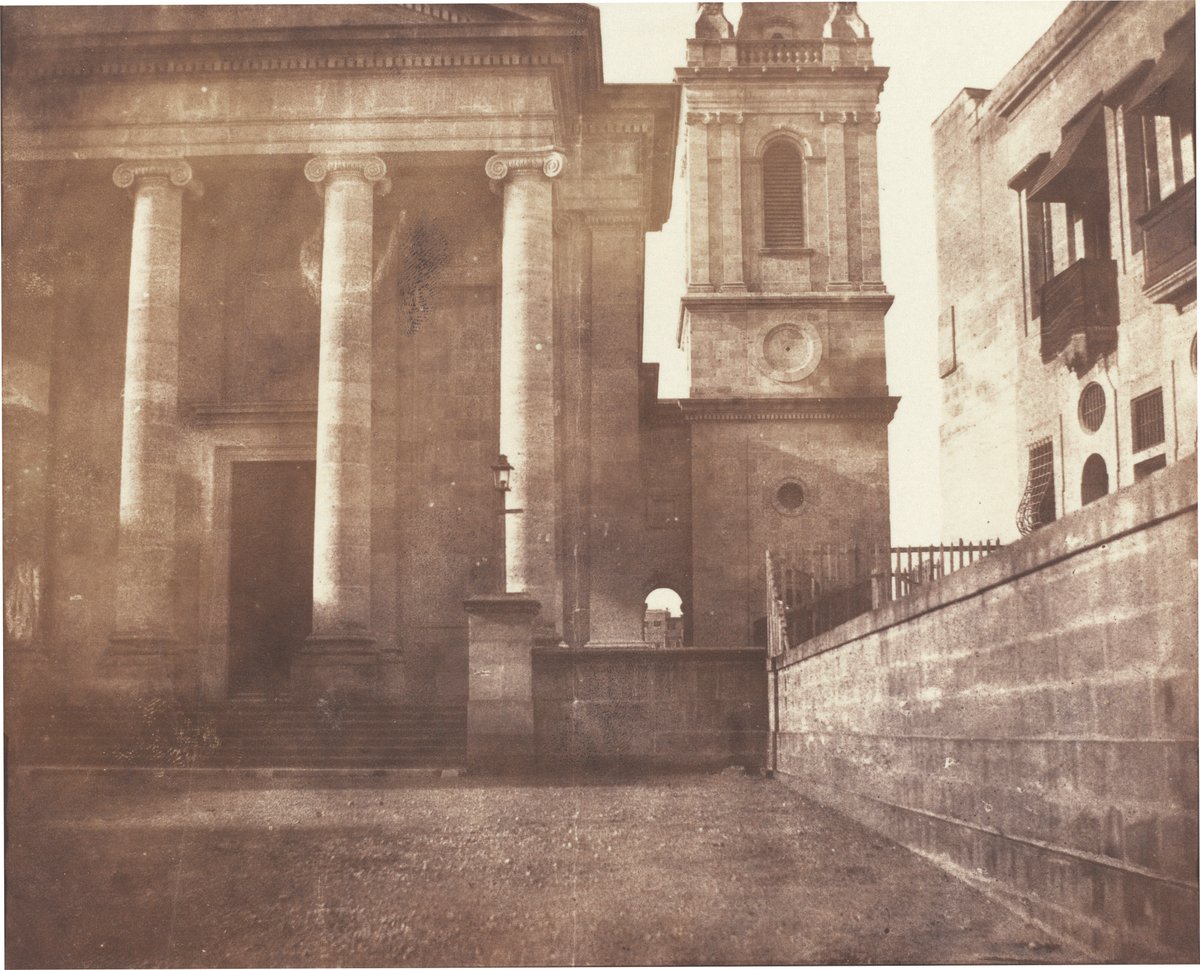
St Paul'S Pro-Cathedral
Place

St Paul'S Pro-Cathedral

St Paul'S Pro-Cathedral
Place

St Paul'S Pro-Cathedral

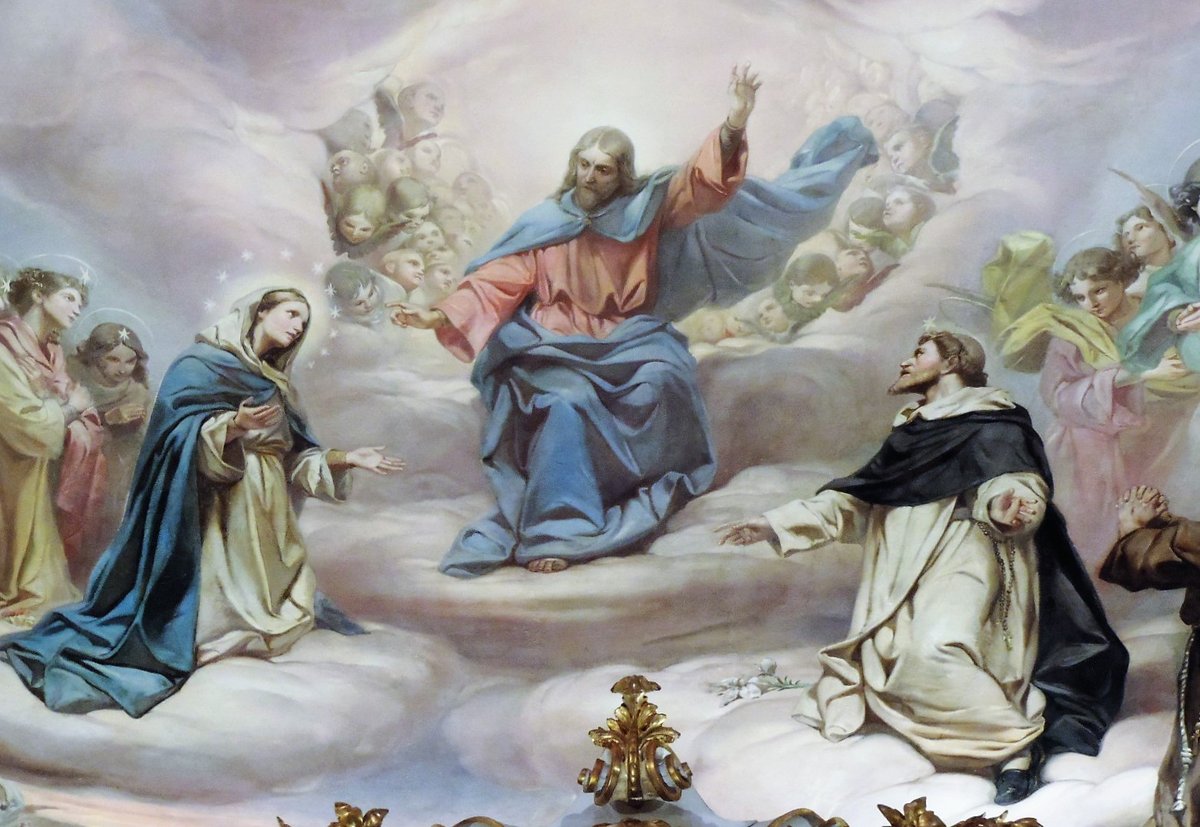
Basilica of St Dominic
Place

Basilica of St Dominic

Upper Barrakka Gardens
Place

Upper Barrakka Gardens

Church of St Catherine of Italy, Valletta
Place

Church of St Catherine of Italy, Valletta

Place

Church of St Barbara

Place

National War Museum

Basilica of Our Lady of Mount Carmel
Place

Basilica of Our Lady of Mount Carmel

Lower Barrakka Gardens
Place

Lower Barrakka Gardens

Place

Church of Our Lady of Pilar, Valletta

Church of Our Lady of Liesse
Place

Church of Our Lady of Liesse

Church of the Jesuits
Place

Church of the Jesuits

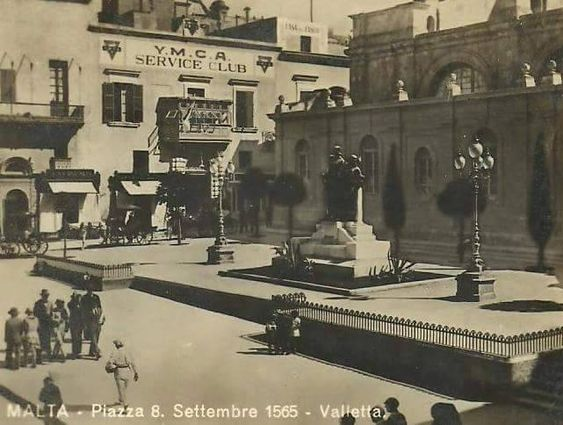
Republic Square
Place

Republic Square

Collegiate Parish Church of St Paul'S Shipwreck
Place

Collegiate Parish Church of St Paul'S Shipwreck

Collegiate Parish Church of St Paul'S Shipwreck
Place

Collegiate Parish Church of St Paul'S Shipwreck

Place

St Augustine Church

Place

Malta Postal Museum

Franciscan Church of St Mary of Jesus
Place

Franciscan Church of St Mary of Jesus

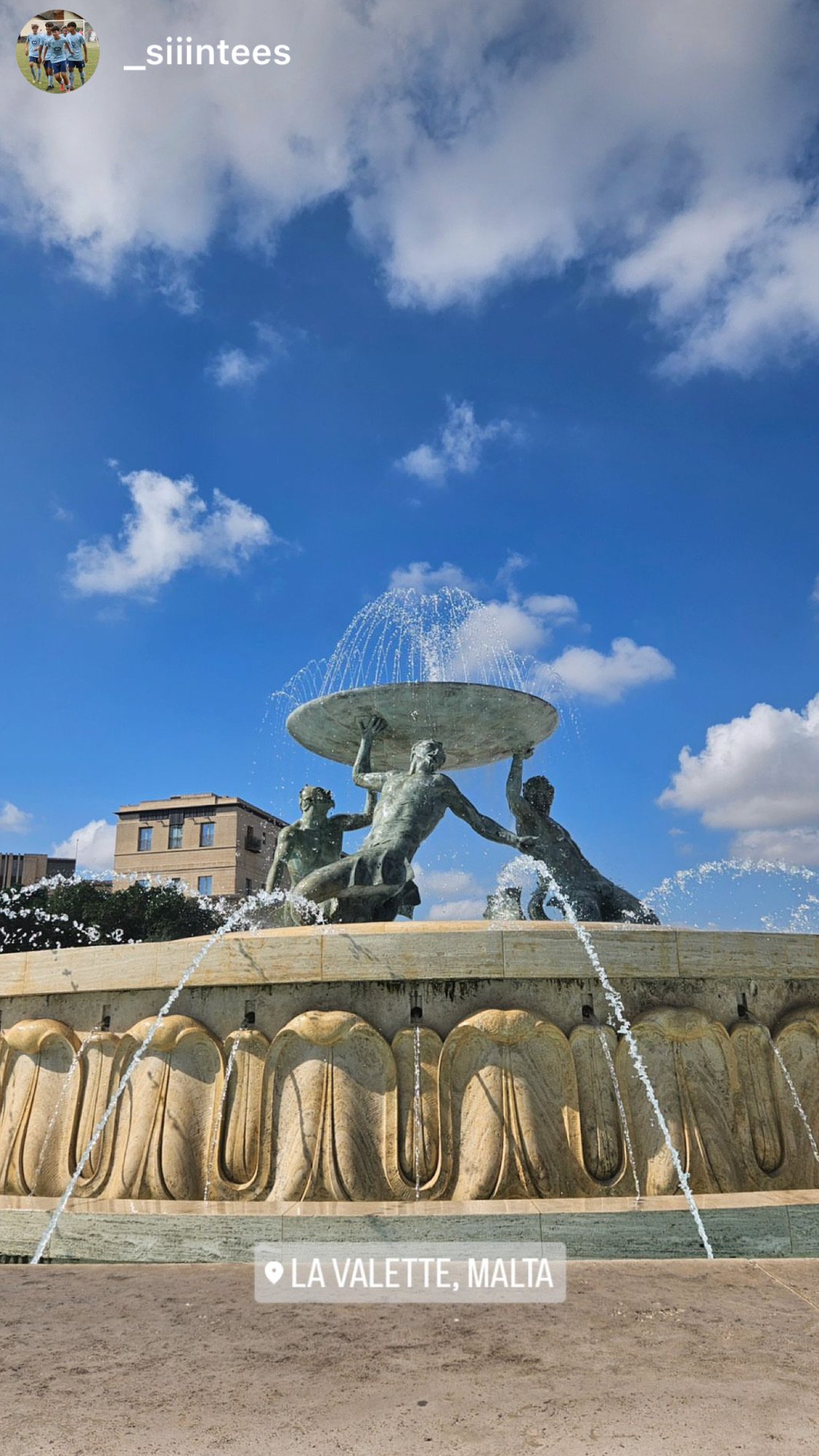
Triton Fountain
Place

Triton Fountain

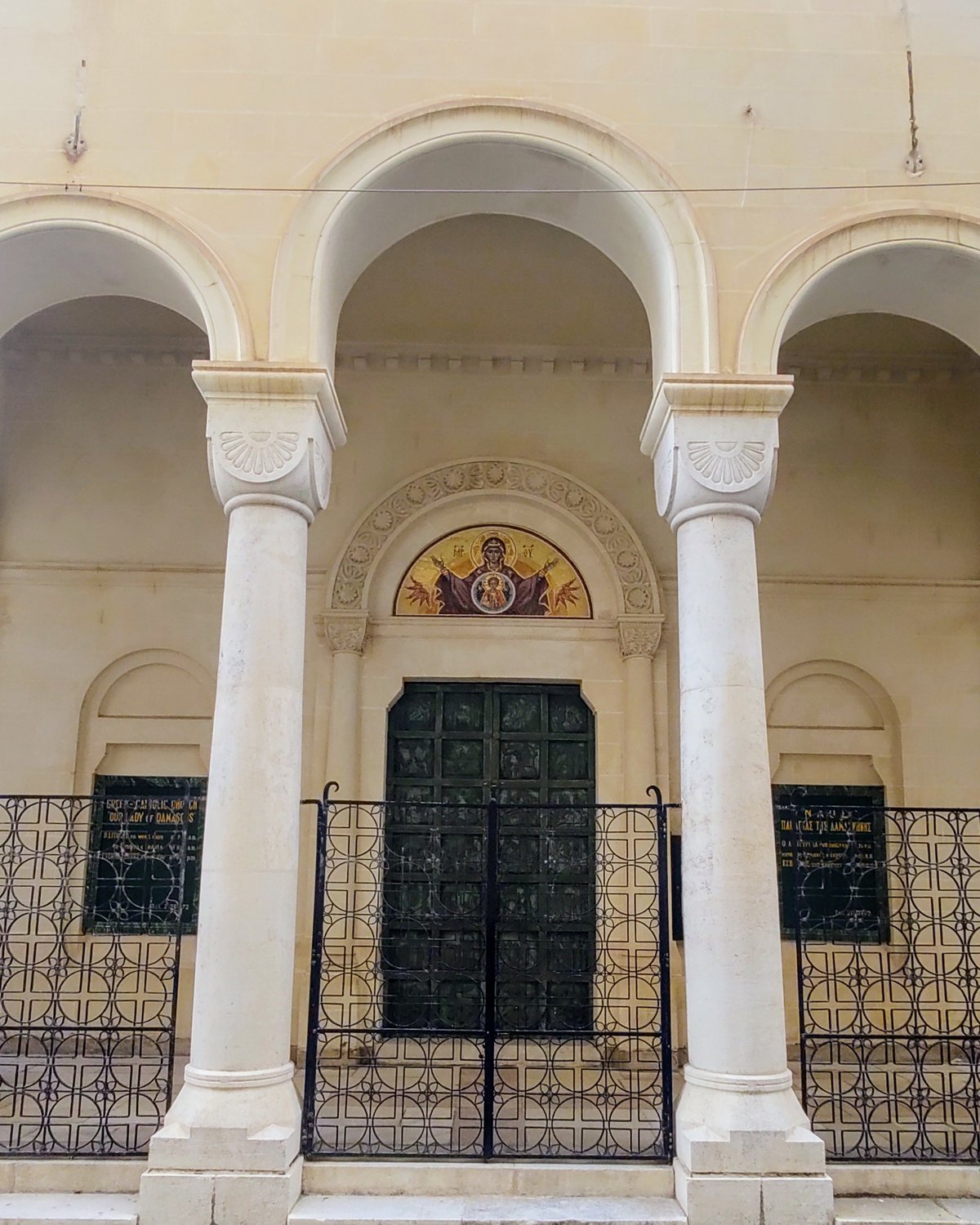
Church of Our Lady of Damascus, Valletta
Place

Church of Our Lady of Damascus, Valletta

Hastings Gardens
Place

Hastings Gardens

Place

Spinola Palace

Place

St. Elmo Bridge

Place

St Francis of Assisi Church

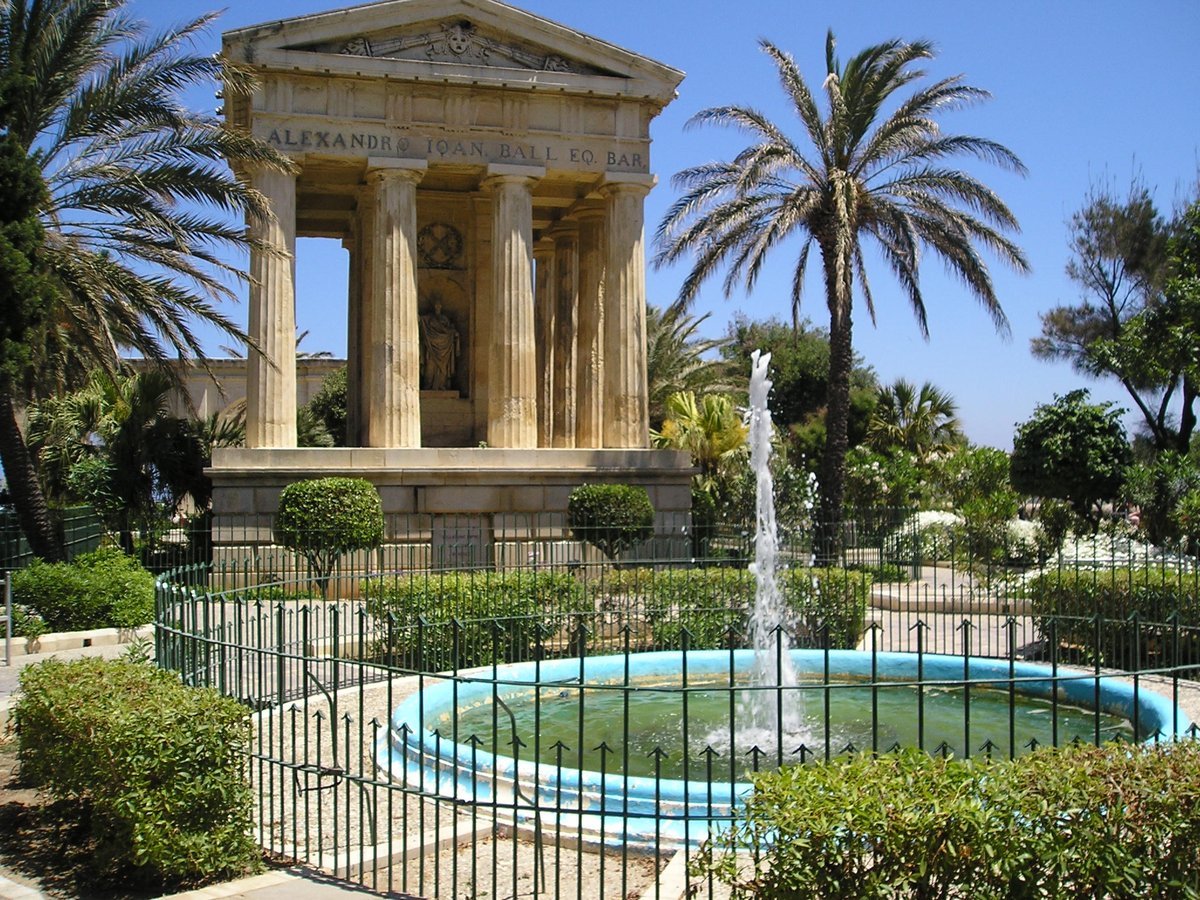
Monument to Sir Alexander Ball
Place

Monument to Sir Alexander Ball

Place

Christ the Redeemer Church

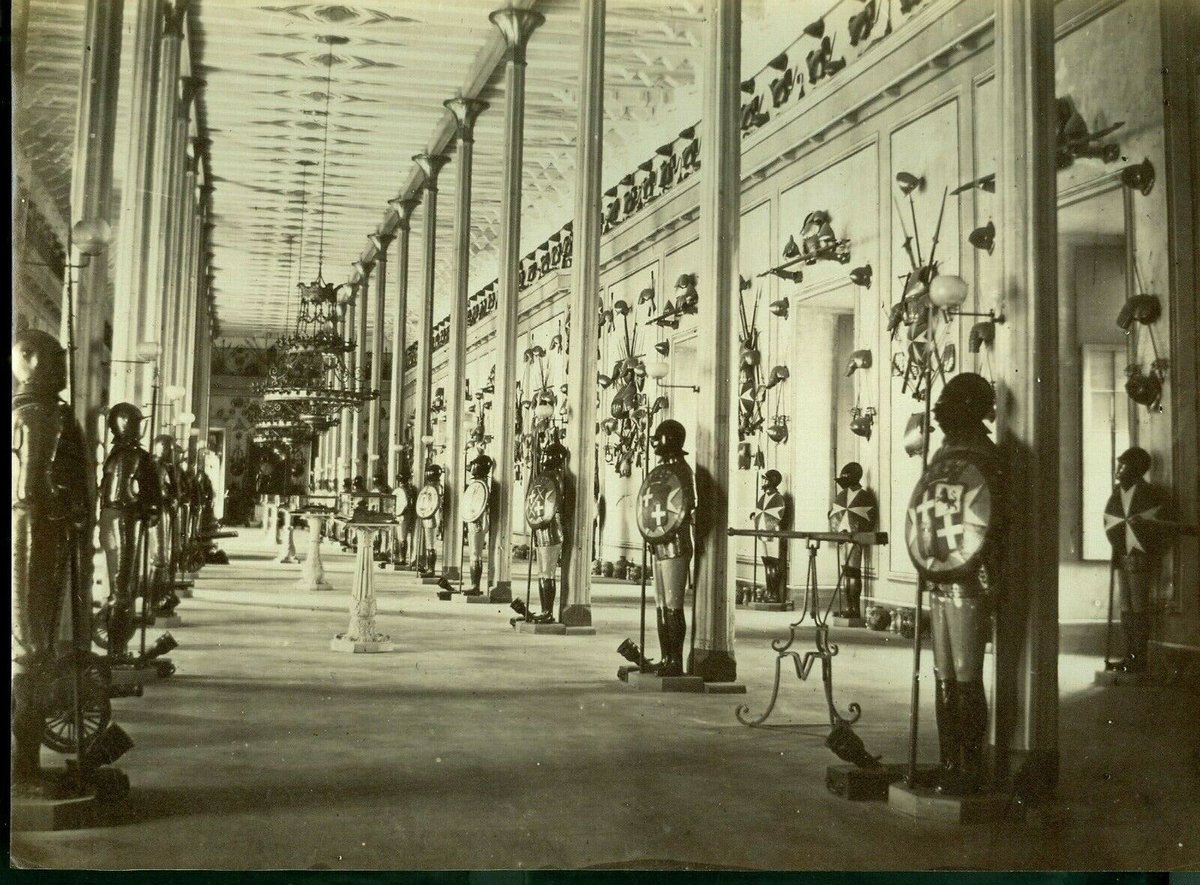
Palace Armoury
Place

Palace Armoury

Place

St. Andrew'S Scots Church, Malta

Place

St. Andrew'S Scots Church, Malta

Church of St James, Valletta
Place

Church of St James, Valletta

Great Siege Monument
Place

Great Siege Monument

Church of St Nicholas, Valletta
Place

Church of St Nicholas, Valletta

Place

Church of St Lucy

Place

Church of St George, Valletta

St John'S Square
Place

St John'S Square

St John'S Square
Place

St John'S Square

Place

St Roque'S Church, Valletta

Place

St Roque'S Church, Valletta

Place

Archbishop'S Palace, Valletta

Place

Archbishop'S Palace, Valletta

Place

Church of St Mary Magdalene, Valletta

Showing 48 of 105 — search any place to jump straight there.