Plan and listen to St. Paul'S Bay with Audiala.
Audio guide in your pocket, itinerary in your browser. Built for the way you actually visit.
Introduction
Triq Rumana and Triq Il-Pellegrini, situated in the heart of Gżira, Malta, are iconic streets that offer a splendid blend of historical significance and modern-day attractions. Gżira, which translates to 'island' in Maltese, owes its name to the nearby Manoel Island (carlomanche.com). Over the years, these streets have evolved from simple pathways into vibrant urban areas filled with cultural landmarks and bustling activity. This guide aims to provide a comprehensive overview of Triq Rumana and Triq Il-Pellegrini, delving into their rich histories, architectural marvels, and the modern attractions that make them a must-visit for anyone exploring Malta.
The development of Gżira began in the mid-19th century and has been heavily influenced by various historical events and cultural shifts. From the construction of a villa by Chevalier Jacob Tagliaferro to the British naval base during World War II, the area is steeped in history (malta.com). These streets also serve as gateways to understanding the social fabric of Gżira, highlighted by events such as the 1902 incident involving British sailors and the shrine of Our Lady of Mount Carmel (en.wikipedia.org).
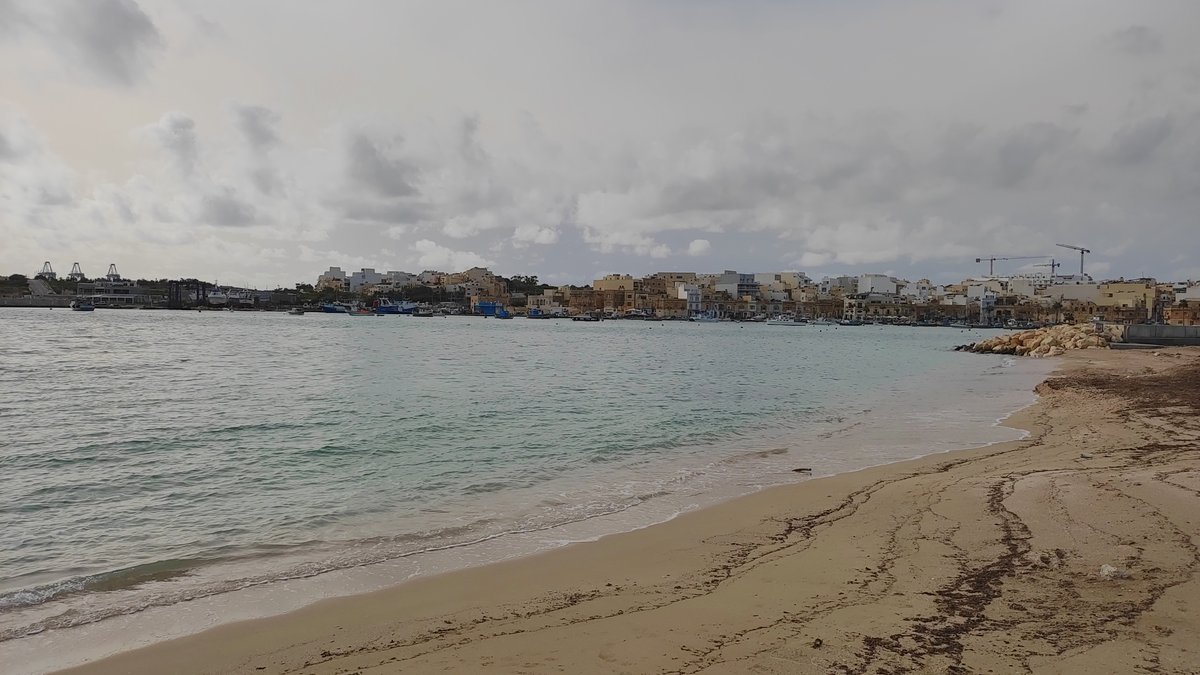
Today, Gżira is a vibrant town that offers beautiful views of Valletta and Marsamxett Harbour, a yacht marina, and a seafront public garden. Its central location makes it an ideal base for exploring neighboring attractions, making it a popular destination for both tourists and locals alike (maltaholidays.mt).

Historical Background
Early Development and Naming
Gżira, meaning "island" in Maltese, derives its name from Manoel Island. The development of Gżira began in the mid-19th century when Chevalier Jacob Tagliaferro built a villa, marking its transformation into a working-class suburb of Sliema (carlomanche.com).
The Incident of 1902
On July 10, 1902, British sailors William Walls, Charles Thurbull, and John Packhun caused a disturbance that led to a significant event involving a shrine of Our Lady of Mount Carmel. This incident is a notable part of Gżira's history (en.wikipedia.org).
Manoel Island and Its Historical Significance
In 1634, Grandmaster Jean Paul Lascaris built a quarantine hospital on Manoel Island to prevent the spread of plague and cholera. During World War II, it served as a British naval base. The island has undergone significant restoration (malta.com).
The British Influence and Economic Shifts
The British presence influenced Gżira's development, with numerous bars serving British servicemen until 1979. The economic activity in these bars declined after the British Service left Malta (carlomanche.com).
Architectural Evolution
Over the past decade, many old houses in Gżira have been replaced with luxurious flats, though some traditional Maltese houses with balconies remain (malta.com).
Religious and Cultural Landmarks
The Roman Catholic parish church, known locally as tal-Ġebla, is a significant landmark referencing the 1902 incident. Cultural landmarks play a vital role in the community's life (en.wikipedia.org).
Modern Gżira and Its Attractions
Gżira boasts beautiful views of Valletta and Marsamxett Harbour, a yacht marina, and a seafront public garden. The town's central location makes it an ideal base for exploring neighboring attractions (maltaholidays.mt).
Visitor Tips for Exploring Triq Rumana / Triq Il-Pellegrini
- Walking the Promenade: Enjoy stunning views of Valletta's skyline along Marsamxett Harbour's promenade, especially during sunset (travel2malta.com).
- Exploring Manoel Island: Manoel Island offers car-free zones, a rocky beach, and panoramic views of Valletta (malta.com).
- Admiring the Marina: The yacht marina near Ta’ Xbiex is perfect for admiring boats and enjoying the serene environment (travel2malta.com).
- Relaxing in Public Gardens: Gżira's public gardens provide a peaceful retreat (travel2malta.com).
- Dining and Nightlife: Gżira offers a diverse dining scene with local and international cuisine (maltaholidays.mt).
Accommodation Options
- Gzira's Seashore Stayaway: Offers sea views, air conditioning, and free WiFi (booking.com).
- Marina Suites & Apartments: Features self-catering units with amenities and an airport shuttle service (booking.com).
Safety and Multicultural Environment
Gżira is known for its low crime rate and multicultural environment, contributing to its vibrant atmosphere (carlomanche.com).
FAQs
Q: What are the visiting hours for Triq Rumana? A: Triq Rumana is a public street and can be visited any time.
Q: Are there any entrance fees for Triq Rumana and Triq Il-Pellegrini? A: No, both streets are open to the public without any entrance fees.
Q: Is Manoel Island accessible to visitors? A: Yes, Manoel Island is accessible to visitors, though certain areas may have restricted access.
Q: Are there guided tours available for these streets? A: Yes, guided tours are available and can be booked through local tour operators.
Listen to the full story in the app
The whole St. Paul'S Bay,
told well.
Listen to sourced travel stories with local history and practical context — ready offline.
Verified, and shown.
Researched and written by the Audiala editorial team from historical records, architectural archives, and local expertise.
Gżira. Retrieved from
Retrieved from
Retrieved from
Retrieved from
Retrieved from
Retrieved from
Built from cited sources · see the method · How we make our guides →