Bamako
Mali Updated Apr 2026
The Niger River smells of diesel and tilapia at dusk, but when the call to prayer rolls across Bamako's hills, even the taxi drivers kill their engines. Mali's capital isn't pretty—it's kinetic, a city where a single alley can contain a griot's kora, a Saudi-funded mosque, and a teenager welding Chinese motorbikes into art.
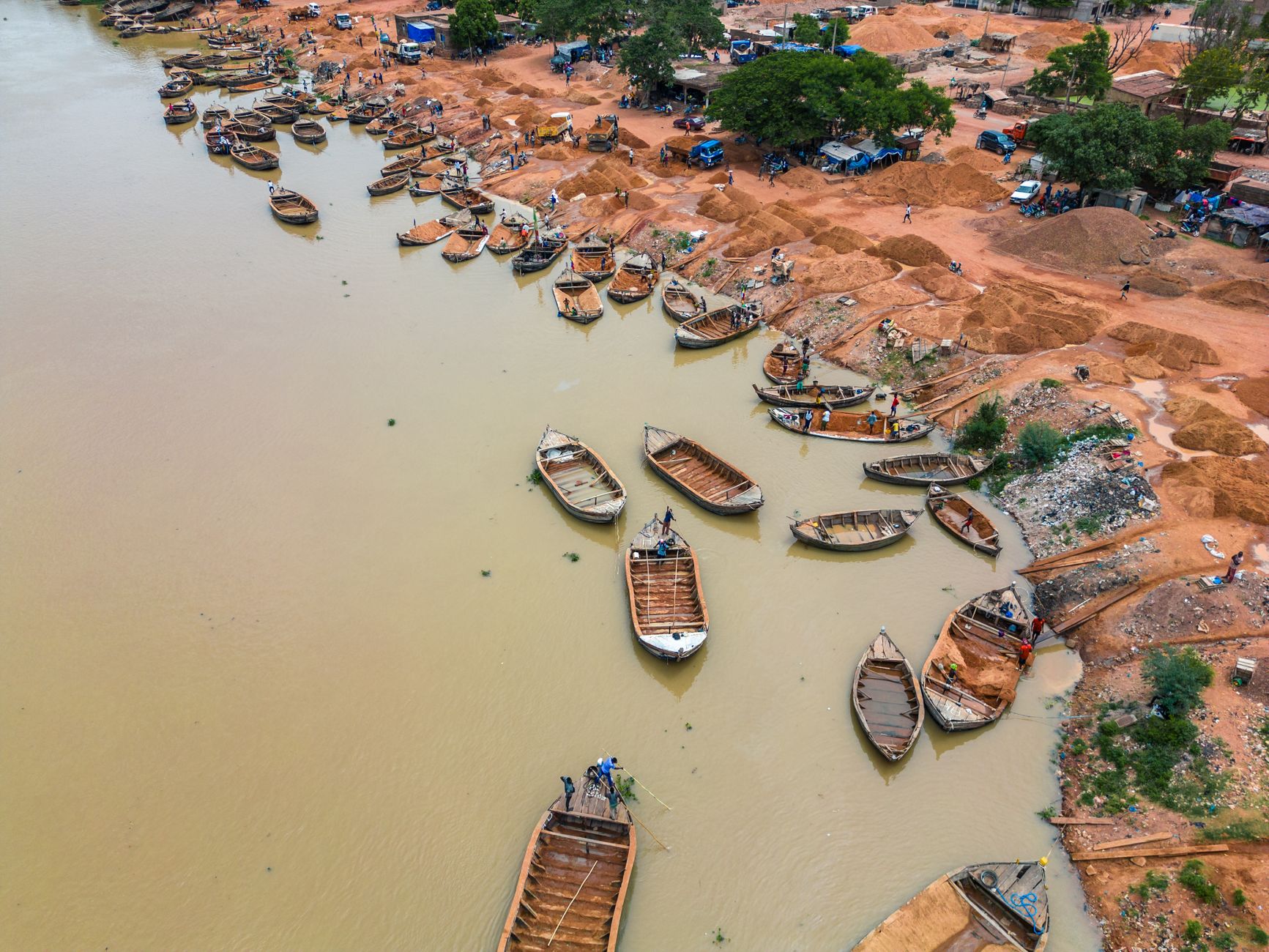 Photo: Fatih Turan / Pexels
- Attractions
- 8
- Trip length
- 3–5 days
- Best season
- mid-December to early February
Why Bamako
Built from cited sources · see the method · How we make our guides →
Bambara for "crocodile river," Bamako grew from a fishing village to 2.3 million people faster than anyone could pave the roads. The result is a collision: Sudano-Sahelian mud-brick compounds shoulder 1970s concrete ministries painted the color of dried blood. Money changes hands in CFA francs, bitcoin, and sometimes kola nuts. Nothing feels provisional; everything feels alive.
Music leaks from courtyards here. Not background music—argumentative, urgent sound that explains why Ali Farka Touré left his day job as a radio engineer. Follow three notes down a side street and you'll find a rehearsal: kora strings made from bicycle brake cables, a calabash bass, lyrics that recount the 1237 Battle of Kirina like it happened last week. They'll pause, offer you the one chair, and resume as if you'd always lived two doors down.
The city rewards climbers. Scale Point G at 5:45 pm and Bamako reveals its logic: the Niger bending like beaten brass, smoke from brochette stalls rising to meet it, and everywhere red earth exposed by construction—evidence that the place is still inventing itself. Stay after dark. The lights don't twinkle; they flicker, stubborn. Same word in Bambara for "light" and "life."
Sudano-Sahelian Art Hub
The National Museum of Mali hides 11th-century textiles and Timbuktu manuscripts inside mud-brick galleries that echo the buildings' own walls. Its garden workshops let you watch weavers reproduce strip-cloth patterns once traded for salt across the Sahara.Live Blues in the Courtyards
Bamako’s night air carries kora strings and Ali Farka-style guitar from unnamed courtyards near the river. Ask any taxi driver for ‘soirée’ and you’ll be dropped at a compound where 200 CFA gets you a plastic chair and a set that lasts until the generator dies.Prehistoric Skyline
Climb Point G at dusk: the cliffs drop 60 m straight to the Niger and the caves hold ochre cattle paintings older than the city itself. Sunset turns the river into polished bronze while call-to-prayer echoes up from the Grande Mosquée’s 55 m minarets.Market Lunch for 500 CFA
Follow the smoke at Marché de Medina: women ladle riz au gras from cast-iron pots, the rice stained orange with reduced tomato and bone marrow. Eat standing, wash your hands from a kettledrum basin, leave with greasy fingers and change from a dollar.
Neighborhoods
Where to wander, by quarter — each with its own rhythm.
Aci 2000
Built on a former rice field, this grid of embassies and iced-coffee lounges feels like Accra crashed into Bamako. Glass banks reflect mud-walled compounds; Lebanese bakers sell pistachio ma'amoul next to women frying tô at 6 am. Come for the ATM that actually works, stay for the open-air rooftop where DJs spin coupé-décalé until the power cuts.Bamako-Coura
The old administrative heart still smells of photocopy toner and grilled river fish. Colonial balconies sag above print shops that duplicate passports by candlelight during outages. After dark, community theatre groups project satirical sketches onto whitewashed walls—politicians become hyenas, the audience votes by whistle.Hamdallaye ACI
Nighttime belongs to the maquis here: open-air bars serving 33 Export beer under neem trees. Plastic chairs fill fast when Orchestra Baobab leaks from a cracked amplifier. Food is capitaine sangha—Nile perch glazed with chili, plated with sweet plantains that caramelize in diesel-scented air.Quartier du Fleuve
Riverfront warren where Bozo fishermen mend nets beside pirogues painted Coca-Cola red. At 5 pm the banks become living rooms: rugs unrolled, kettles for ataya tea balanced on charcoal, kids diving for coins tossed by ferry passengers. Sunrise reveals plastic bottles transformed into toy boats, each named after a Bamako rapper.Ouolofobougou
Named for the Senegalese traders who settled here, its sand streets echo with Wolof and Bambara haggling over second-hand sneakers. Friday goat market smells of blood and mint tea; vendors hack meat while recounting Dakar football scores. Behind the stalls, a single projector screen shows Nigerian soaps powered by a car battery.Sogoniko
Hill district where French expats planted jacarandas that now drop purple petals into storm drains. Artisans occupy former railway warehouses: welders forge kora tuning pegs from scrap, painters stretch canvas on disassembled bed frames. Visit at noon when light slices through corrugated roofs and every weld sparks like a tiny star.
Plan your trip
Before you go
- Getting There
- Bamako-Sénou International Airport (BKO) is 13 km south-east; no rail link. Shared taxis charge 10 000–15 000 XOF to downtown—fix the price before you leave the terminal. Overland: RN7 from Dakar (paved, 24 h), RN6 from Abidjan (check security before departure).
- Getting Around
- No metro, no tram. Bright-green SOTRAMA minibuses ply set routes for 150–250 XOF but signage is in Bambara and they’re packed solid. Tourists rely on yellow ’taxi-moto’ (negotiate 500–1 000 XOF for inner-city hops) or hotel cars; no integrated day-pass exists.
- Climate & Best Time
- Dry season Nov–Feb: 32 °C days, 17 °C nights, zero rain. Mar–May climbs to 40 °C before the June storms break. Peak wet July–Sep: 260 mm monthly, 85 % humidity, washed-out roads. Visit mid-Dec–early Feb for dust-free skies and river level high enough for sunset pinasse cruises.
- Language & Currency
- French is official but Bambara is what gets you the real price. Greetings matter: ‘I ni ce’ (hello) drops the taxi fare faster than any haggle. Currency is West African CFA (XOF); €1 = 656 XOF. ATMs work most days—carry small notes because no one breaks 10 000.
- Safety
- Avoid the Radisson Blu perimeter after dark; the 2015 attack still shapes security drills. Register with your embassy, carry copies of your passport, and don’t photograph bridges or military checkpoints. Riverfront markets are fine by day, empty after 21:00.
Where the Niger Bent and Time Unraveled
From crocodile camps to Sahel megacity in five centuries
- c. 600 BCE
River Traders Arrive
Gold dust glints in leather pouches as Soninke caravans reach the wide bend of the Niger. They find crocodiles basking on sandbanks and decide the place needs a name: Bamako, "crocodile river". Within two generations the first mud-brick granaries rise above the flood plain.
- c. 400 BCE
Rock Artists at Point G
On the basalt cliffs above the river, unknown hands paint hunters chasing antelope with spears tipped in red ochre. The figures are barely palm-sized yet still catch late-day sun like dried blood. Locals will later swear they hear drums echo from those caves during harmattan winds.
- c. 1650
Niaré Dynasty Begins
Hunter-chief Seribadian Niaré plants his spear at the confluence and claims the fishing rights "from rock to river mouth". His descendants will rule these banks for 230 years. The first palace is just four rooms of sun-baked clay, but it smells always of smoked capitaine and kola nuts.
- 1806
Mungo Park Counts the City
The Scottish explorer arrives during millet harvest and estimates 6,000 souls. Women pound grain to the rhythm of blacksmith hammers, creating the percussive heartbeat that will one day conquer airwaves from Paris to Tokyo. Park notes "the inhabitants appear more civilized here than any I have seen in Africa".
- 1883
French Fort Rises
Commander Borgnis-Desbordes lands 300 tirailleurs at dawn. Within weeks they've erected a square fort of laterite blocks overlooking the river. The first telegraph pole goes up on what will become Avenue de l'Indépendance, carrying messages that reach Dakar in 36 hours.
- 1908
Capital on the Move
Governor Clozel signs the order transferring the capital from Kayes to Bamako. Overnight,, mud huts give way to corrugated iron roofs and bougainvillea. The population triples in five years as clerks, interpreters, and railway engineers arrive with their folding camp beds and gramophones.
Show the full timeline (20 moments)
- 1923
Dakar-Niger Railway Opens
The first locomotive whistles across the new steel bridge at 7:15 AM sharp. Now Bamako's peanuts reach Liverpool docks in 21 days instead of six months by donkey caravan. The station café serves croissants that taste faintly of diesel and river dust.
- 1942
Modibo Keïta Returns
The young schoolteacher steps off the train with a suitcase full of banned pamphlets and a head full of socialist dreams. Within two decades he'll transform these colonial boulevards into boulevards named after Lumumba and Nkrumah. His spectacles will become as iconic as any monument.
- 1960
Independence Declared
At midnight on September 22nd, the French tricolor is lowered for the last time. The new flag—green, gold, red—snaps in the harmattan wind above the Grand Marché. By morning, the colonial governor's residence has become the presidential palace, complete with leaking roof and revolutionary guards wearing ill-fitting uniforms.
- 1968
Traoré's Midnight Coup
Lieutenant Moussa Traoré's soldiers surround the palace at 3 AM. Keïta, arrested in his pajamas, will spend the rest of his life under house arrest. The radio plays nothing but martial music for 72 hours straight, creating the longest dance party Bamako has ever seen.
- 1970
Grand Mosque Reborn
Saudi architects clad the 1907 prayer hall in white marble and add twin minarets that shoot 52 meters skyward. The call to prayer now carries across the Niger, joining the dawn chorus of muezzins and market criers. Non-Muslims can only glimpse the courtyard through cedar doors carved with verses.
- 1973
National Museum Opens
Inside a new Sudano-Sahelian building of banco and teak, 3,000 years of Malian history come alive. A 13th-century terracotta horseman stands guard beside manuscripts from Timbuktu whose ink still smells of desert myrrh. The air conditioning breaks during the opening ceremony.
- 1976
Salif Keïta's Golden Year
The Bamako-born striker wins African Footballer of the Year, then returns home to find his childhood street renamed after him. Kids kick tin cans between puddles shouting "Keïta! Keïta!" like prayers. He buys them real leather balls and sets up the first youth academy in an abandoned colonial warehouse.
- 1980
Amadou & Mariam's First Song
Two students at Bamako's Institute for Young Blind meet at the Braille music class. Their voices blend over a battered guitar in the courtyard almond tree. They'll marry four years later and create the "Bamako Sound" that will fill stadiums worldwide, always carrying the scent of that first dusty rehearsal room.
- March 1991
Massacre at the Monument
300 bodies lie on Place de l'Indépendance after soldiers open fire on democracy protesters. The blood stains the independence monument red for weeks. Four days later, Traoré falls. Soldiers weep as they remove their berets for the first free elections in 23 years.
- 2006
Ali Farka Touré Dies
The guitarist who taught the world that the blues was born in Mali passes away in his Bamako home. Crowds line the streets as his coffin, draped in kente cloth, passes the Niger's edge where he once fished with bare hands. The river itself seems to hush for the first time in centuries.
- 2011
Third Bridge Opens
Chinese engineers unveil a 1.4-kilometer ribbon of concrete that finally unclogs the city's arteries. The ceremony features both Malian drummers and Chinese dragon dancers, a marriage of rhythms that lasts until the first traffic jam forms at noon. Rush hour now sounds like an orchestra tuning.
- November 2015
Radisson Blu Siege
Gunmen storm the luxury hotel at breakfast, turning the omelet station into a battlefield. After seven hours, 21 bodies lie among scattered croissants and coffee cups. The city checks guest lists for months, discovering it has been hosting the world without really knowing it.
- August 2019
Niger Overflows
Sixteen residents drown overnight as the river reclaims its ancient floodplain. The water reaches second-story balconies in Niamakoro, carrying plastic bags and ancestral grudges alike. By morning, children are paddling canoes down what used to be Rue 230.
- September 2024
Airport Attack
Gunfire rattles the tarmac at Modibo Keïta International as flames consume aircraft fuselages. 77 bodies mark the first jihadist strike on the capital since 2016. The duty-free shop, still selling "I ❤️ Bamako" t-shirts, becomes an improvised triage center.
Who lived here
-
Blues guitarist · 1939–2006
Ali Farka Touré
Born here
He traded a riverboat childhood for Grammy gold by proving the Mississippi Delta started in the Niger bend. Today his monument watches fishermen cast nets to the same hypnotic groove he bottled on vinyl.
-
Footballer · born 1942
Salif Keita
Born here
From Real Bamako’s dusty pitch to Saint-Étienne’s floodlights, he became the first African to claim Europe’s footballer-of-the-year crown. Ask any kid near the Independence monument—he still defines Bamako swagger.
-
Musicians · born 1954 & 1958
Amadou & Mariam
Born here
The blind couple met at Bamako’s Institute for the Young Blind, turned love songs into global Afro-blues anthems and still record in the city’s courtyard studios—proof the best collaborations start where the lights don’t reach.
Where to Eat
Where locals actually book dinner — not the tourist menus.
-
Riz au Gras
Mali’s comfort staple—short-grain rice simmered in tomato, onion and meat stock until it absorbs a glossy red sheen. Vendors add a chunk of goat or beef marrow for an extra 100 XOF; eat it hot before the fat solidifies.
-
Poulet Yassa
Chicken marinated overnight in lemon, mustard and onions, then grilled and caramelised in its own juices. The best stalls set up outside Modibo Keita stadium on Friday nights—look for the blue oil-drum grill and the line of taxi drivers.
-
Tô
Fermented millet porridge, stiff enough to roll into a ball and dip into okra or baobab-leaf sauce. It’s vegan, filling, costs 200 CFA a portion, and doubles as edible cutlery.
-
Brochet de Niger
Nile perch caught at dawn, gutted on the riverbank and grilled within the hour. Served simply—lime, chilli, salt—at open-air spots in Koulikoro port, 45 min downstream from Bamako.
-
Sweet Café Touba
Spiced coffee from Guinea laced with selim-pepper and cloves; the aroma drifts from enamel kettles on every street corner. Order ‘avec lait’ and watch the vendor scorch the milk foam with a red-hot spoon.
-
Gâteau de Miel
Dense sesame-honey bars sold by women in wax-print headwraps outside the Grand Mosque after evening prayer. One square, wrapped in newspaper, costs 50 CFA and sticks to your teeth like Malian halva.
Insider tips
Small things that change how the city treats you.
Cash Only City
Cards work at perhaps three hotels; every museum, taxi and street stall wants CFA francs. Withdraw at Ecobank before Friday—ATMs sometimes sleep all weekend.Taxi Fare Haggle
Drivers open at 25 000 XOF from the airport—laugh politely and settle on 12 000. Agree before you sit; meters don’t exist.Eat With Right Hand
Communal bowls of tô appear at lunch; only the right hand touches food, and you stay in your wedge. Left-handers practise dexterity or sit hungry.No Indoor Photos
National Museum guards will stop you—store cameras in the free locker and sketch instead; the gardens outside are fair game.Visit Dec–Feb
Humidity drops to 20 % and nights hit 17 °C—perfect for sunset boat rides without the August steam bath.Skip Radisson Blu Block
Security checkpoints every 50 m since the 2015 attack—fine to pass through, but loitering draws polite rifles.
Gallery
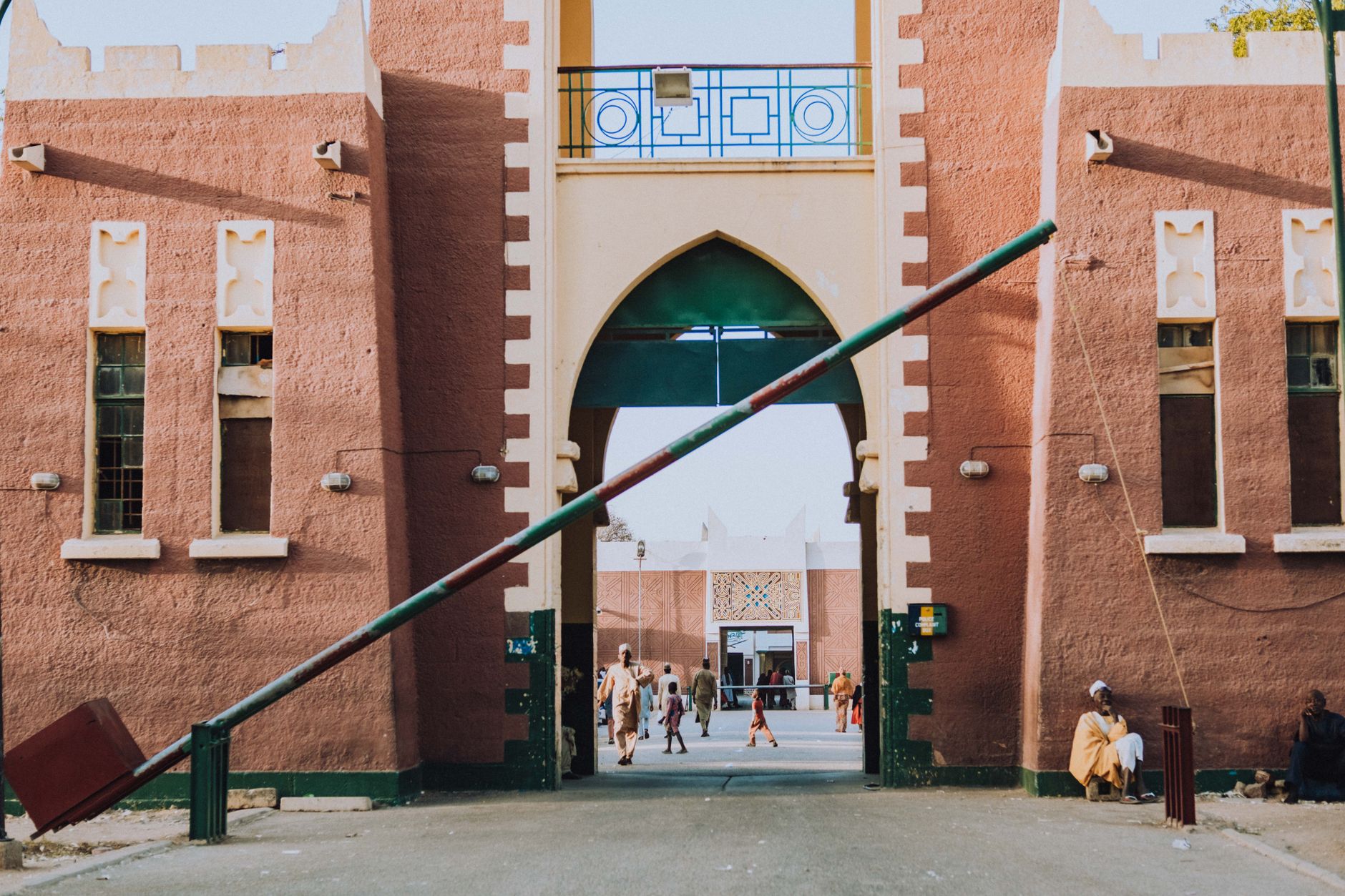
The city, as it actually looks.


Frequently asked
Is Bamako worth visiting?
Yes—West Africa’s most alive music scene, a world-class photography biennale and river sunsets that look like copper engravings. You come for the sound of koras at 2 a.m., not for polished monuments.
How many days in Bamako?
Three full days covers the museum, hilltop caves, zoo, river cruise and one late-night gig. Add two more if you want to hunt down griot sessions or the next biennale openings.
Is Bamako safe for tourists?
Generally safe by day with registered taxis; avoid the Radisson Blu perimeter and any street protests. Register with your embassy and be back indoors by midnight—risks rise fast after dark.
What does Bamako mean?
"Crocodile River" in Bambara, a reminder that Nile crocodiles once lounged where fishermen now cast nets—look for the reptile motif in local wood-carvings.
Can I drink alcohol in Bamako?
Yes, but discreetly. Most neighbourhoods hide maquis (open-air bars) behind walls—ask your taxi driver for "un endroit avec bière" and he’ll know.
How do I cross the Niger River?
Bright pirogues act as water buses for 200–500 XOF; they run dawn-to-dusk and drop you at fishing villages where kids sell fresh capitaine grilled over coals.
Pick up where you left off
Saved and recently read places — kept on this device only.
Photo credits (4)
- Fatih Turan — Pexels License (https://www.pexels.com/license/) — Source: https://www.pexels.com/photo/17676147/
- SINAL Multimédia — Pexels License (https://www.pexels.com/license/) — Source: https://www.pexels.com/photo/30652610/
- Faruk Tokluoğlu — Pexels License (https://www.pexels.com/license/) — Source: https://www.pexels.com/photo/17527657/
- Iklima Babangida — Pexels License (https://www.pexels.com/license/) — Source: https://www.pexels.com/photo/27935638/
Photos may have been resized or cropped.