Mali

Mali

Mali

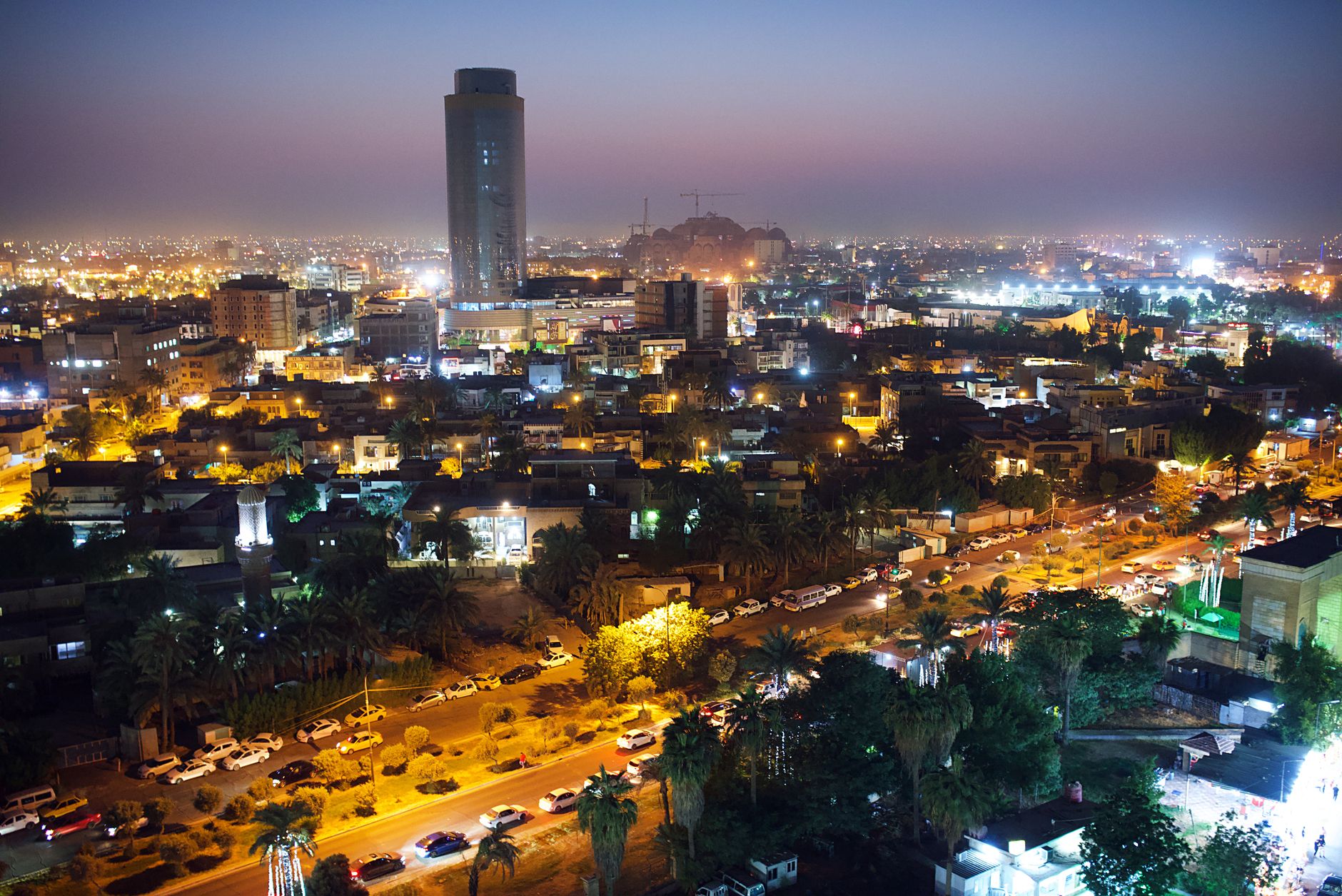
Mali travel guide to Timbuktu, Djenné, Bamako and the Niger River. Plan routes, seasons, visas, safety context, history and practical facts before you go.

location_city

Capital

Bamako

translate

Language

Bambara, Fulfulde, Songhai, French (working language)

payments

Currency

West African CFA franc (XOF)

calendar_month

Best season

Cool dry season (November-February)

schedule

Trip length

7-10 days

badge

EntryVisa required; Schengen visa not valid; U.S. visas suspended as of January 1, 2026.

Introduction

Mali travel guide starts with a hard truth: the country’s greatest sights rise from river mud, desert trade, and scholarship, not easy holiday logistics.

Mali makes sense when you read it through the Niger River. The country’s most powerful names are not beach escapes but cities built by trade, scholarship, and mud architecture: Timbuktu for manuscript culture, Djenné for its old earthen skyline, Gao for Songhai memory. Between the 13th and 16th centuries, rulers here controlled the salt-and-gold routes that linked West Africa to Cairo and Mecca, and Mansa Musa’s 1324 pilgrimage advertised that wealth across the Mediterranean world. That history still shapes the map. Rivers, caravan paths, and mosque towers matter more than borders drawn later.

Start in Bamako, where daily life is loud, improvised, and grounded in the Niger rather than in polished capital-city ceremony. Move northeast in your imagination to Ségou and Mopti, where river traffic, fishing, and floodplain geography explain more about Mali than any slogan could. Then come Djenné, whose Great Mosque looks sculpted rather than built, and Bandiagara, where the escarpment turns geology into settlement. This is a country of exact textures: banco walls after rain, tea poured in three rounds, greetings that take their time, and market bowls built around millet, peanut sauce, leaves, and river fish.

A Mali travel guide in 2026 also has to say the plain part first: this is a high-risk destination under severe Western travel advisories, so security and entry rules matter as much as weather or monuments. That does not erase the country’s importance. It changes how you read it. Use this page to understand what Mali contains before you decide how, when, or whether to go, and to place Bamako, Timbuktu, Djenné, Gao, and Mopti inside a story far older than the current crisis.

A History Told Through Its Eras

The Serpent, the Gold, and the Two Cities of Power

Wagadu and the Sahelian Courts, c. 800-1235

Picture a royal court somewhere north of present-day Kayes: horses draped in embroidered cloth, dogs wearing collars of gold and silver, and a king so protected by ceremony that most visitors never heard his voice directly. Arab travelers described this world in the 10th and 11th centuries when the Ghana Empire, known in Soninke memory as Wagadu, controlled the trade that carried gold north and salt south. This was not fairy tale wealth. It was logistics turned into majesty.

Ce que l'on ignore souvent, c'est que the founding story of Wagadu is also a warning. A sacred serpent named Bida demanded one young woman each year in exchange for prosperity, until a lover killed the creature and broke the pact. Gold disappeared, drought followed, and the empire's luck turned. Legend, yes. But legends in the Sahel often preserve the shape of political truth: power rests on bargains, and somebody always pays.

The great city of Koumbi Saleh seems to have lived in two registers at once. One quarter was Muslim and mercantile, with mosques, scribes, and caravans counting profits from Bambuk and Bure gold. The royal quarter, set apart, kept older ritual forms and staged authority with exquisite discipline. Mali's history begins here, in that tension between commerce and sovereignty, faith and protocol, openness and distance.

Then came the Almoravid shock in 1076, or rather what later memory turned into a shock. Whether it was a single conquest or a slower strangling of trade, the effect was the same: an empire built on trans-Saharan arteries began to fray. The caravan routes did not vanish, but the center of gravity shifted south and east. And from that weakening, the stage opened for a crippled prince who would one day stand up and change everything.

Bida, though legendary, matters because Mali's first political lesson comes wrapped in myth: prosperity is never free.

Some Arabic accounts describe the Ghana king's dogs wearing gold and silver collars while petitioners had to speak through an intermediary.

Sundiata Rises, and the Empire Learns to Walk

The Keita Founding, 1235-1312

The scene belongs in an epic, which is precisely why Mali never forgot it: a child mocked for not walking, a mother humiliated at court, an iron rod bent by small hands, and then the first upright steps of Sundiata Keita. Whether every detail happened as the griots sing it is almost beside the point. A dynasty wanted posterity to remember that its founder began in weakness, under ridicule, and answered with force.

His enemy, Sumanguru Kanté of Sosso, was the sort of rival history adores because he sounds half king, half nightmare. The oral tradition gives him sorcery, a forbidden balafon, and a fatal weakness discovered through intrigue at court. At the Battle of Kirina in 1235, Sundiata defeated him and gathered the Mande world into a new imperial order. Ce que l'on ignore souvent, c'est que Mali's birth was not just a military victory. It was also an act of political editing, turning rival clans into a hierarchy that could last.

After Kirina came the Kouroukan Fouga, remembered as a charter of laws, ranks, duties, and protections. Scholars still argue over its exact wording and whether any single original text ever existed. But the memory of it matters enormously, because Mali chose to imagine its beginning not as pure conquest but as a negotiated order. That says a great deal about the society that carried the story forward for seven centuries.

From the southern goldfields to the desert edge, the new empire learned to command distance. Salt from Taghaza, gold from Bure, and river routes that would later make places like Djenné and Timbuktu glitter with consequence all fed the same machine. Sundiata, who may have died by drowning in the Niger, left behind something stranger than simple victory: an empire whose founding myth still keeps one foot in grief and the other in statecraft.

Sundiata Keita is not memorable because he was flawless, but because the man at the center of the legend knew humiliation before he knew command.

Several traditions say Sundiata did not die in battle at all, but drowned during a ceremony on the Niger River.

Mansa Musa's Gold and the Scholar Cities of the Niger

Imperial Zenith, 1312-1591

Imagine Cairo in 1324: the dust of a vast caravan, the glint of gold staffs, the murmur spreading ahead of an emperor from the western Sudan who seemed to carry a treasury on the move. Mansa Musa's pilgrimage to Mecca made Mali famous far beyond Africa, and famous in the most theatrical way possible. He gave so lavishly in Egypt that the gold market staggered for years afterward. Royal piety, certainly. Royal display, even more so.

Yet Musa's real genius was not only to dazzle. He anchored prestige in cities. Timbuktu grew into a center of learning, manuscript culture, and debate; Djenné prospered through trade and river traffic; Gao, farther east, became another pole of power on the Niger bend. Ce que l'on ignore souvent, c'est que these places were never just romantic desert names. They were working cities of jurists, boatmen, brokers, students, and tax collectors.

The age that followed Musa carried splendor and strain in equal measure. Mosques rose in earth and timber, scholars crossed the Sahara, and imperial authority stretched across astonishing distances. But long-distance empires always contain their own fatigue. Rival successions, ambitious provincial elites, and the sheer difficulty of ruling caravan routes and floodplains from a single center slowly loosened the knots.

Then power shifted toward Songhai. Gao emerged not as a provincial afterthought but as the seat of an empire that would surpass Mali in territorial reach, especially under Askia Mohammad I after 1493. His tomb still stands in Gao, rising in packed earth with all the proud severity of Sahelian statecraft. And so one golden age opened directly into another, because the Niger does not care for tidy endings; it carries power downstream, city by city.

Mansa Musa remains dazzling because behind the gold legend stood a ruler who understood that schools, mosques, and reputation could travel farther than armies.

On the 1375 Catalan Atlas, Musa appears seated with a gold nugget in hand, as if Europe itself could not resist turning him into an emblem of wealth.

From Moroccan Guns to Bamako's Independence Dawn

Conquest, Colony, and the Republic, 1591-1968

The crack came in 1591 with firearms and audacity. A Moroccan force crossed the Sahara and defeated Songhai at Tondibi, where imperial cavalry and infantry faced arquebuses with terrible results. One can almost hear the disbelief: an empire of river cities and caravan wealth undone by a smaller army that had mastered a different weapon. After that, the great Sahelian states did not vanish overnight, but the old imperial coherence was broken.

What followed was not emptiness. It was a crowded, contested century upon century of regional powers, trading towns, clerical movements, and war leaders. Ségou rose under the Bamana kingdoms with a courtly life of its own, while Mopti and Djenné worked the river routes that still made the Inner Niger Delta a living map rather than a blank one. In the 19th century, El Hadj Umar Tall and then Samory Touré fought to build states and resist encroaching French power, each in his own style, each leaving admiration and wreckage behind.

French conquest remade the map under the name French Sudan. Bamako, once a smaller settlement on the Niger, became an administrative capital because empire prefers railheads, offices, and controllable geometry. Ce que l'on ignore souvent, c'est que colonial rule did not only impose itself through soldiers. It worked through taxation, forced labor, command over movement, and the slow habit of paperwork.

Independence came in 1960 with Modibo Keïta, carrying the moral fire of anti-colonial politics and the burden of inventing a state from inherited lines. The republic spoke the language of sovereignty, planning, and African dignity, but governing Mali was never a matter of slogans alone. Drought, uneven development, and fragile institutions pressed hard. Then, in 1968, a coup ended the first republic and began another chapter in which the promise of freedom would keep colliding with the machinery of power.

Modibo Keïta enters history as a teacher turned statesman, one of those men who believed a flag could also be a social program.

Bamako's rise was not inevitable; it became central because colonial transport and administration made it useful before nationalism made it symbolic.

The Republic Under Pressure, from Sahelian Hope to Fractured Sovereignty

Republics, Rebellions, and the Present Strain, 1968-present

Post-independence Mali has the drama of a house whose foundations are noble and whose rooms keep being shaken. Moussa Traoré's coup in 1968 replaced revolutionary idealism with military rule, and for more than two decades the state endured through repression, patronage, and fatigue. Then came 1991: protests, blood in the streets of Bamako, and the fall of Traoré. Democratic hope entered the scene not as abstraction, but as a crowd willing to risk being shot.

The Third Republic brought elections, newspapers, musicians with global audiences, and moments when Mali seemed to offer West Africa a more graceful political script. Amadou Hampâté Bâ's famous warning about oral tradition sounded newly urgent in a country where memory itself was part of the national archive. Ali Farka Touré made the Niger sound like both local inheritance and world music revelation. And yet the north remained restless, with repeated Tuareg rebellions showing how incomplete the national settlement still was.

Then the 2012 crisis tore the curtain. A military coup in Bamako, jihadist expansion in the north, and the occupation of places whose names carry immense historical weight, especially Timbuktu and Gao, shocked the country and the wider world. Manuscripts had to be smuggled out in secret. Mausoleums were attacked. Ce que l'on ignore souvent, c'est that this was not only a security crisis. It was also an assault on memory, on the idea that Mali's past could remain physically intact.

Since 2020, with fresh coups, postponed political transitions, and a hardening regional climate, Mali has lived in a tense present where sovereignty is asserted loudly because it is under strain. Bandiagara, Mopti, Gao, Kidal, and Timbuktu do not sit in the same emotional weather, and no honest history should pretend otherwise. But the deeper thread remains astonishingly consistent: from the serpent of Wagadu to the manuscripts of Timbuktu, Mali keeps returning to one question. Who guards the inheritance, and at what price?

The modern Malian citizen, more than any single ruler, is the true protagonist here: patient, politically alert, and far too acquainted with broken promises.

During the 2012 occupation of the north, thousands of Timbuktu manuscripts were secretly moved in trunks and metal chests to keep them from destruction.

The Cultural Soul

A Greeting Longer Than the Road

In Mali, speech does not begin where an impatient person thinks it begins. It begins before the subject, before the request, before the reason you stopped at the doorway. In Bamako, a morning can pass through "I ni sogoma," then through your mother, your sleep, your work, the heat, the children, the road, the peace of the house. Only then do words consent to become useful.

French runs the offices, the forms, the airport counters, the stamped page. Bamanankan runs the bloodstream. In the market, in a courtyard, in the shade of a motorbike repair stall, it carries warmth, rank, irony, and the exact distance between two people. Songhay belongs farther north, around Gao and Timbuktu. Fulfulde crosses herding worlds. Dogon languages hold their ground near Bandiagara. Mali does not speak with one mouth. It speaks with a choir that knows when to change key.

A few terms contain entire moral systems. Sanankuya, the joking-cousin bond, gives people permission to tease one another without drawing blood. Jatigi means host, but the word feels heavier than hospitality; it suggests responsibility, almost guardianship. And hɛrɛ dɔrɔn, "peace only," may be the finest answer to "How are you?" ever invented. Not happiness. Not success. Balance.

The Ceremony of Small Things

Malian etiquette has the elegance of something ancient enough to seem effortless. A younger person greets first. A visitor is not released at the threshold like a parcel; the host walks them out, often to the gate, sometimes farther. Questions that sound intrusive to a European ear, where are you going, when will you return, who is with you, often come from care rather than curiosity. Surveillance flatters itself by hiding. Care announces itself.

The right hand matters. So does patience. So does sitting long enough for the room to understand who you are. You do not seize the center of a shared platter. You eat from the part in front of you. You do not bark a need at a taxi window in Bamako as if urgency were a virtue. You begin with greeting because greeting is how you prove you are house-trained.

This politeness is not sugar. It has structure. It can absorb tension, rank, age, religion, fatigue, and still produce social grace, which is a more difficult art than charm. Europe often mistakes speed for intelligence. Mali knows better.

The Bowl That Makes a Family

A shared bowl is one of Mali's most serious institutions. Around it, hierarchy relaxes without vanishing, appetite becomes communal, and the hand learns discipline. Tô, made from millet or sorghum, arrives as a firm mound that yields only if you know what you are doing. You pinch, roll, dip, and take only from your section. Even hunger has manners.

The sauces deserve a religion. Tigadèguèna, the peanut sauce that appears in Bamako homes and roadside kitchens alike, carries tomato, onion, meat, and the slow authority of groundnuts cooked until they darken into depth. Fakoye, built from corchorus leaves, tastes dark, green, and slightly slippery, which is another way of saying alive. Sauce gombo asks you to stop fearing texture. Mali is impatient with timid mouths.

Then the river enters the meal. Capitaine from the Niger comes grilled or fried, bones and all, especially around Mopti and farther along the watery worlds that feed Djenné. Dégué cools the afternoon with millet and yogurt. Attaya, the green tea poured in rounds, turns bitterness into conversation. A country is a table set for strangers. Mali sets it in one bowl.

Strings Made of Dust and Memory

Malian music does not behave like entertainment. It behaves like inheritance. A kora is not merely plucked; it is persuaded. A ngoni can sound lean as bone. The balafon strikes wood and somehow releases weather. Behind these instruments stand griots, or jeliw in Mande worlds, hereditary historians who keep genealogies, rivalries, praise, and inconvenient truth in human memory rather than stone.

The great names travel far beyond Mali. Ali Farka Touré made the guitar sound as if the Niger River had decided to learn the blues and then remembered it had invented half the grammar already. Toumani Diabaté turned the kora into silk and mathematics. Salif Keita sings like a man wrestling with both destiny and his own bloodline. Listen long enough and you hear that praise, grief, satire, and counsel occupy the same room.

Music also organizes ordinary time. A wedding in Bamako, a naming ceremony in Ségou, a festival memory from the desert edge near Timbuktu: drums announce social fact before anyone explains it. Rhythm here is not background. It is evidence that a community exists.

Mud That Refuses to Apologize

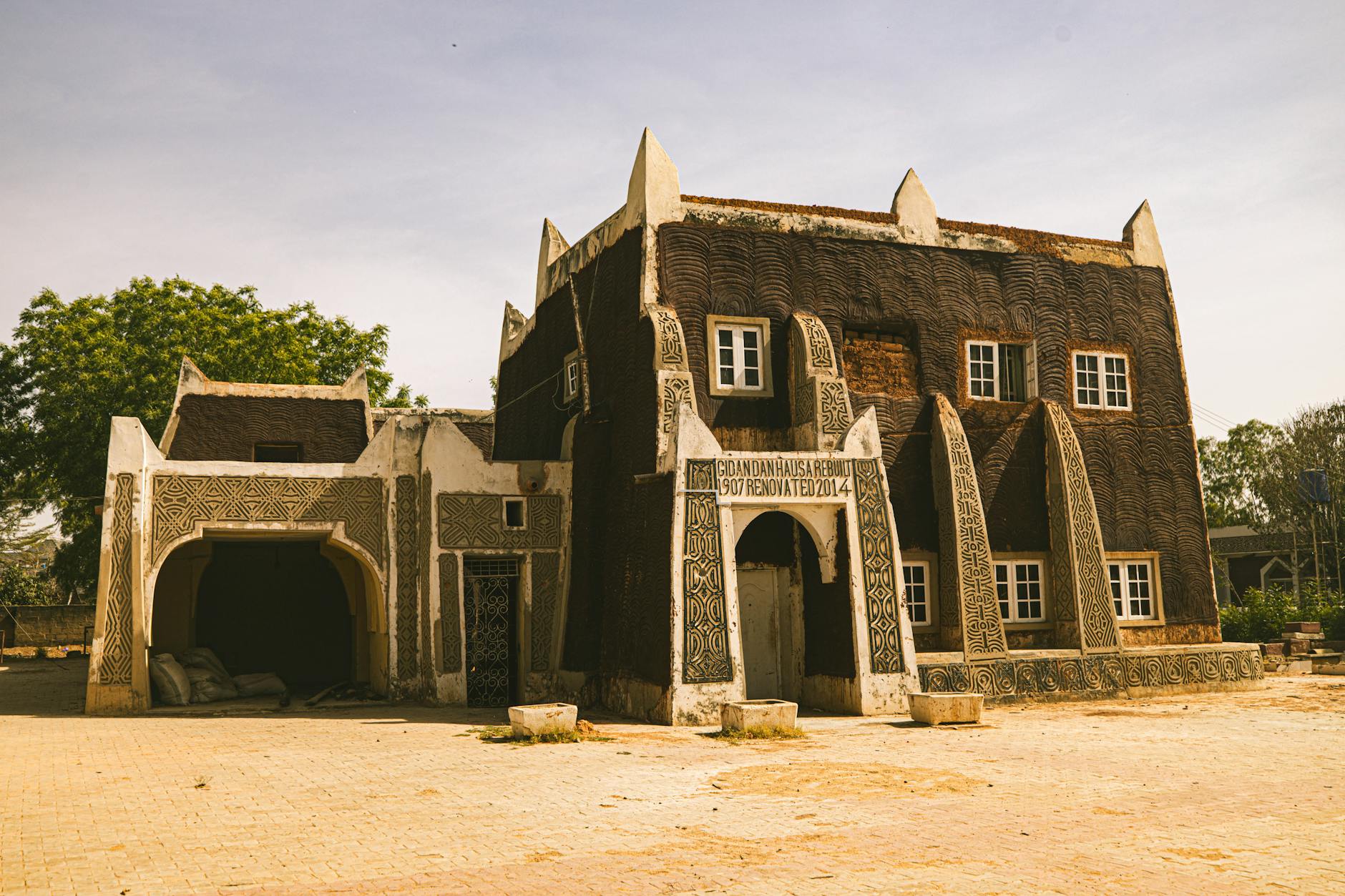
Mali understands a truth that glass towers keep forgetting: earth is a noble material. In Djenné, banco architecture rises from mud, straw, timber, and annual labor, and the miracle is not that it looks ancient. The miracle is that it looks exact. The Great Mosque, with its toron beams jutting from the walls like a score for birds, is less a building than a pact between climate, faith, and maintenance.

The same intelligence shapes the Sudano-Sahelian forms seen elsewhere: the Tomb of Askia in Gao with its pyramidal thrust, old compounds around Mopti, village structures along the routes toward Bandiagara where walls, courtyards, granaries, and shade answer the heat with method rather than complaint. Mud brick is not poverty masquerading as style. Concrete often ages worse.

What moves me most is the annual replastering in Djenné, when the town repairs the mosque together. Imagine a cathedral whose upkeep still requires the bodies of the faithful, hands in wet earth, ladders, jokes, shouted orders, children underfoot. Architecture in Mali is not frozen prestige. It sweats.

Faith in the Hour Before Heat

Islam shapes Mali with immense delicacy and immense force. The call to prayer threads through Bamako traffic, through market dust, through the pale dawn over Timbuktu, and the sound changes the air even for anyone who does not answer it. Most Malians are Muslim, but faith here has long lived beside older practices, local saints, family rites, protective formulas, and the stubborn memory of place. Orthodoxy likes clean lines. Human beings do not.

Timbuktu became famous for scholarship, manuscripts, jurists, and mosques whose names still carry weight far beyond the Sahara. Yet religion in Mali is not only library and law. It is ablution water in a basin. It is Qur'anic verse on a wooden tablet. It is amulets sewn into leather. It is a marabout consulted for blessing, healing, or protection when life becomes less theoretical than a sermon.

This coexistence of text and talisman unsettles people who prefer their beliefs sorted into proper boxes. Mali declines the box. In a country shaped by caravan routes, empires, drought, flood, and migration, religion had to become practical enough to travel and tender enough to remain.

History Kept in a Human Throat

Mali's first great library was the trained memory of a person standing up to speak. Before the page came the voice, and before the archive came the griot, carrying dynasties, battles, betrayals, births, and praise across centuries with nothing but breath, formula, and astonishing discipline. The Epic of Sundiata survives because generation after generation refused to let it die. Paper is less romantic than memory. It is not always stronger.

And yet Timbuktu did fill with manuscripts: law, astronomy, theology, grammar, commerce, medicine, letters copied in careful hands that expected the future to be interested. The old fantasy imagines the Sahara as emptiness. Manuscript culture in Timbuktu answers with ink. A desert can store more thought than a capital city.

Modern Malian writing inherits both lineages, the spoken and the written, the performance and the page. You hear it in the way a story often arrives carrying proverb, rhythm, and witness at once. Mali does not separate literature from memory as neatly as Europe does. That separation may be Europe's loss.

What Makes Mali Unmissable

menu_book

Cities of Manuscripts

Timbuktu still carries the weight of a name that reached medieval Europe through gold, law, and scholarship. Its libraries and mosque cityscape belong to a chapter of African intellectual history that most travelers were never taught properly.

architecture

Earthen Architecture

Djenné is one of the world’s great mud-built urban ensembles, and the Great Mosque remains the country’s single strongest architectural image. These buildings are not rustic curiosities; they are engineered for climate, repair, and communal labor.

water

Niger River Axis

The Niger is the line that makes Mali legible, from Bamako through Ségou and Mopti toward the desert edge. It feeds farms, carries fish, shapes settlement, and explains why so much of the country’s history happened where it did.

landscape

Dogon Escarpment

Around Bandiagara, the land breaks into cliff, plateau, and old settlement sites that feel designed for both defense and ceremony. The escarpment is one of Mali’s clearest cases of geology driving culture rather than merely decorating it.

history_edu

Empire Memory

Gao, Timbuktu, and the trade routes between them hold the afterimage of the Mali and Songhai empires. Salt, gold, pilgrimage, and court politics once tied this interior country to Cairo, Mecca, and the wider Mediterranean economy.

Cities

Cities in Mali

Bamako

"A city of seven million where the Niger bends south and the sound of kora music leaks from iron-gated compounds into streets thick with motorbike exhaust and grilled lamb smoke."

Timbuktu

"Once the address where 25,000 students studied astronomy and law in the 14th century, now a desert town whose crumbling mud libraries still hold 700-year-old manuscripts in private family chests."

Djenné

"Built entirely of banco — sun-dried mud reinforced with rice husks — its Great Mosque requires replastering by hand every year after the rains, a collective act the whole town performs in a single day."

Mopti

"The city where the Niger and Bani rivers meet, its harbor stacked with long wooden pinasses ferrying dried fish, onions, and livestock between the Sahel and the Inner Niger Delta."

Ségou

"Capital of the 18th-century Bambara kingdom, its riverside boulevard still lined with colonial-era buildings where weavers work bogolanfini mud-cloth on outdoor looms in the same patterns their great-grandparents used."

Gao

"The former capital of the Songhai Empire, where Askia the Great built a stepped pyramid tomb in 1495 that still stands on the edge of the desert like a ziggurat that missed its continent."

Kayes

"Mali's hottest city — regularly recording Africa's highest temperatures above 48°C — and the western railhead that French colonial engineers chose as the starting point for a line meant to connect the Senegal River to th"

Sikasso

"The southern city that held out against French conquest longer than anywhere else in Mali, its 19th-century earthen tata walls still partially visible around a town now better known for mangoes and shea."

San

"A quiet Bobo and Bambara market town in the dead center of the country where the Monday market draws traders from three language groups and the local mosque is one of the least-photographed pieces of Sudano-Sahelian arch"

Bandiagara

"The gateway town to the Dogon escarpment, a 150-kilometer sandstone cliff face where villages have been built into the rock face since the 15th century, their granaries stacked like honeycombs above a 500-meter drop."

Kidal

"A Tuareg town in the Adrar des Ifoghas massif near the Algerian border, historically the cultural center of Tamasheq-speaking nomads and the epicenter of every armed rebellion Mali has experienced since independence in 1"

Koulikoro

"Forty kilometers downriver from Bamako, this Niger River port is where the colonial-era river steamers once departed for Timbuktu and where the river widens enough that you can watch fishermen cast nets from dugouts at d"

Regions

Bamako

Bamako and the Upper Niger

Southern Mali moves to the rhythm of the Niger River and the capital's constant improvisation. Bamako is where ministries, music, traffic, and market life collide, while Koulikoro and Ségou show how the river keeps pulling settlement eastward. This is the country's most practical entry zone and still the place where daily Mali feels least abstract.

placeBamako placeKoulikoro placeSégou placeNiger River waterfronts placeartisan and produce markets

Kayes

Western Gateways

Western Mali is shaped by the Senegal River basin, old migration routes, and the transport logic that once tied the interior to Atlantic ports. Kayes is hot, tough, and often treated as a transit point, which misses the point a little: this is where you see how rail dreams, river crossings, and remittance economies changed the country.

placeKayes placeSenegal River corridor placerail-era quarters placemarket streets placeregional roadside towns

Sikasso

The Southern Agricultural Belt

Around Sikasso, the landscape softens, the rain is more reliable, and the economy tilts toward farming rather than pure Sahel survival. Cotton, fruit, grain, and cross-border trade matter here, and the shift in vegetation is obvious after the dustier center. If you want the part of Mali that feels most connected to the wider Sudanic belt, start here.

placeSikasso placeKoutiala trade axis placesouthern markets placefarm country roads placeseasonal fruit stalls

Mopti

The Inner Niger Delta and Earthen Cities

Central Mali is where water, mud architecture, fishing, and floodplain trade all meet. Mopti, Djenné, and San sit inside a world shaped by river height and dry-season retreat, while Bandiagara rises nearby as the land suddenly stops being flat. This is the strongest single region for understanding how geography built urban life in Mali.

placeMopti placeDjenné placeSan placeBandiagara placeInner Niger Delta

Gao

Northern Sahara and Songhai Country

North of the delta, Mali turns severe and historically immense. Gao, Timbuktu, and Kidal belong to caravan routes, manuscript culture, imperial memory, and desert logistics, not easy tourism; the distances are huge, and the names carry more historical weight than comfort. Still, this is where the country's global legend was made.

placeGao placeTimbuktu placeKidal placeTomb of Askia placedesert-edge caravan routes

Suggested Itineraries

3 days

3 Days: Bamako and the Niger Bend

This is the shortest route that still gives you a feel for southern Mali: the capital's noise, the river, and the quieter satellite towns that historically fed it. It suits travelers whose movement is tightly constrained and who need to keep every overnight close to Bamako and Koulikoro.

BamakoKoulikoro

Best for: short stays, research trips, travelers limiting overland time

7 days

7 Days: Western Railhead to the Cotton Country

This west-to-south route links old transport corridors and market towns rather than the headline monuments people expect from Mali. Kayes gives you the Senegal River gateway, then the road swings southeast toward Sikasso, where the greener south feels like a different country from the Sahel farther north.

KayesSikasso

Best for: repeat West Africa travelers, trade-route history, south-focused trips

10 days

10 Days: Floodplain Cities and the Dogon Edge

This is the classic central arc when conditions allow: river towns, market cities, and the earthen architecture belt around Djenné and Mopti, ending near the escarpment around Bandiagara. Distances are manageable on paper, but road and security conditions decide whether the route is possible in real life.

SégouSanDjennéMoptiBandiagara

Best for: architecture, river landscapes, cultural history

14 days

14 Days: Sahara Manuscripts and the Songhai North

Northern Mali has the country's grandest historical names and the hardest practical reality. If travel ever becomes feasible with serious local support, this route connects Timbuktu and Gao, then pushes toward Kidal for a stark Sahel-to-Sahara progression shaped by caravan history rather than comfort.

TimbuktuGaoKidal

Best for: Sahel-Sahara history, manuscript culture, travelers with specialist local logistics

Notable Figures

Sundiata Keita

c. 1217-1255 · Founder of the Mali Empire
Founded the empire that gave Mali its name

He enters memory first as a child who could not walk and only later as a conqueror, which tells you exactly how Mali likes to imagine greatness: tested before it is triumphant. After Kirina in 1235, Sundiata turned exile and humiliation into an imperial beginning, and the griots made sure nobody forgot the insult that came before the crown.

Mansa Musa

c. 1280-1337 · Emperor of Mali
Ruled Mali at its height and made Timbuktu famous across the Mediterranean world

Musa did not merely possess gold; he staged power with it so extravagantly on his 1324 pilgrimage that Cairo's economy felt the aftershock. His deeper legacy lies in the cities he elevated, especially Timbuktu, where prestige, scholarship, and commerce learned to speak the same language.

Askia Mohammad I

c. 1443-1538 · Emperor of Songhai
Ruled from Gao and made the Niger bend the center of a vast Sahelian empire

He seized power after a coup and then governed with the conviction of a reformer, which is often a dangerous combination. Under Askia Mohammad, Gao became the nerve center of Songhai, and the empire's administrative reach grew as impressive as its military force.

Babemba Traoré

c. 1845-1898 · King of Kénédougou
Defended Sikasso against French conquest

Babemba Traoré is remembered in Sikasso not for surrender, but for refusing it. When French forces closed in during 1898, tradition holds that he chose death over capture, giving southern Mali one of its most tragic anti-colonial scenes.

Samory Touré

c. 1830-1900 · Empire-builder and anti-colonial war leader
Fought in the wider region that included southern Mali and shaped its 19th-century political landscape

He built a state while retreating, bargaining, and fighting, which is a very Sahelian form of resilience. In the Malian story, Samory appears as the man who made French conquest expensive, prolonged, and deeply personal.

Modibo Keïta

1915-1977 · First President of independent Mali
Led Mali to independence in 1960 from Bamako

A schoolteacher became the voice of sovereignty, and that is already a novel in miniature. From Bamako, Modibo Keïta tried to turn independence into social transformation, but the ideals of the first republic soon ran into shortages, dissent, and the hard arithmetic of state power.

Moussa Traoré

1936-2020 · Military ruler of Mali
Seized power in 1968 and dominated the country for over two decades

Traoré belongs to that long African gallery of officers who arrived promising order and stayed to police discontent. His fall in 1991, after deadly protests in Bamako, mattered because it reminded Mali that military durability is not the same thing as legitimacy.

Amadou Hampâté Bâ

1901-1991 · Writer and guardian of oral tradition
Born in Bandiagara and became one of Mali's great voices of memory

He understood before many others that a spoken civilization can be as precise as an archive if one listens properly. Born in Bandiagara, Hampâté Bâ gave Mali one of its most quoted truths: when an old person dies in Africa, a library burns.

Ali Farka Touré

1939-2006 · Musician
Born in central Mali and turned the sound world of the Niger into a global language

His guitar never sounded imported. It sounded as though the river itself had found steel strings. Ali Farka Touré linked village memory, desert cadence, and international fame without sanding away any of the dust.

Practical Information

badge

Visa

Mali has its own visa rules; a Schengen visa does not cover entry. UK, EU, Canadian, and Australian travelers generally need a visa in advance, and U.S. guidance says visas for U.S. citizens were suspended by Mali from January 1, 2026. A yellow fever certificate is required, and six months of passport validity is the safer minimum even when some consular pages use looser wording.

payments

Currency

Mali uses the West African CFA franc, or XOF, on a fixed euro peg of 1 EUR = 655.957 XOF. Cash still runs daily life, especially outside Bamako, while cards are mostly limited to bigger hotels and a few formal businesses. A cautious planning range is CFA 20,000 to 35,000 a day on a tight budget, CFA 40,000 to 70,000 mid-range, and far more once private transport or security logistics enter the picture.

flight

Getting There

The practical international gateway is Bamako-Senou, officially Modibo Keita International Airport, in Bamako. Current schedules connect it to cities such as Dakar, Abidjan, Casablanca, Addis Ababa, Istanbul, Tunis, and Paris-Orly, but frequencies shift. Do not build a plan around rail arrivals or overland border crossings unless you have current local confirmation.

directions_car

Getting Around

Inside Mali, distance is not the main problem; security, checkpoints, fuel shortages, and road conditions are. In Bamako, taxis work if you agree the fare before getting in. For any movement beyond the capital, a vetted local driver arranged through a trusted operator or hotel is the only realistic option, and domestic flights need close reconfirmation.

wb_sunny

Climate

Weather is most workable in the cooler dry season from roughly November to February, when Bamako, Ségou, Mopti, Djenné, Timbuktu, and Gao are at their least punishing. March to May brings the fiercest heat, with Bamako often pushing past 38 C. Rains usually run from June into September in the south and center, which can turn road planning into guesswork.

wifi

Connectivity

Mobile data is useful in Bamako and patchier the farther you get from the main southern corridor. WhatsApp is the tool people actually use for transport, hotel contact, and day-to-day logistics, while offline maps matter because coverage can drop without warning. Do not count on stable card networks, constant power, or always-on hotel Wi-Fi outside the top end.

health_and_safety

Safety

Mali is currently a high-risk destination, not a standard leisure trip. As of April 2026, the U.S. lists Mali at Level 4: Do Not Travel, while the UK and Canada advise against travel because of terrorism, kidnapping, armed banditry, unrest, and shortages. Any trip planning has to start with security advice, evacuation cover, local contacts, and the possibility that routes close after you arrive.

Taste the Country

restaurantTô with sauce gombo

Millet dough. Right hand. Pinch, dip, eat from one section of the bowl. Lunch, family, silence, then talk.

restaurantTigadèguèna

Peanut sauce, rice, beef or chicken. Shared platter. Noon meal, house courtyard, guests and cousins.

restaurantFakoye

Leaf sauce, meat, rice. Spoon or hand. Evening meal, slow eating, long conversation.

restaurantCapitaine du Niger

River fish, grill, lemon, fingers. Bones demand attention. Mopti tables, river towns, late lunch.

restaurantDégué

Millet grains, yogurt, sugar. Bowl or glass. Afternoon heat, market break, children and adults.

restaurantAttaya

Green tea, three rounds, small glasses. One person pours, everyone waits. Courtyard ritual, dusk, gossip, patience.

restaurantRiz au gras

Rice, tomato, meat, one pot. Serving dish in the middle. Ceremonies, Sundays, hungry tables.

Tips for Visitors

euro
Carry More Cash

Bring more cash than you think you need, in clean euro notes if possible, then change selectively in Bamako. ATMs can fail, card acceptance is narrow, and fuel or transport disruptions can force expensive last-minute fixes.

hotel
Book Drivers Early

Reserve a vetted car and driver before you land if you need to move beyond Bamako. The cheapest transport is often the least predictable, and in Mali unpredictability can become a security problem fast.

train
Skip Train Plans

Do not build an itinerary around passenger rail. Old maps make it look plausible; current travel reality does not.

wifi
Download Offline Maps

Load Google Maps offline or Organic Maps before arrival and pin your hotel, embassy contacts, and airport. Data coverage can thin out quickly once you leave Bamako, Mopti, or other larger centers.

restaurant
Eat the Main Meal at Lunch

Lunch usually gives you the best value and the fullest menu, especially for rice dishes and fish. In smaller towns, late arrivals can leave you with whatever is still on the stove, which may be very little.

payments
Agree Fares First

In Bamako, settle the taxi price before the car moves. This saves time, avoids post-ride theater, and matters even more at the airport or after dark.

volunteer_activism
Greet Before Asking

A quick transactional approach lands badly in Mali. Start with greetings, ask after health, and only then move to the request; it is basic courtesy, not wasted time.

Explore Mali with a personal guide in your pocket

Your Personal Curator, in Your Pocket.

Audio guides for 1,100+ cities across 96 countries. History, stories, and local insight — offline ready.

smartphone

Audiala App

Available on iOS & Android

download Download Now

Join 50k+ Curators

Frequently Asked

Is Mali safe to visit right now? add

For most travelers, no. As of April 2026, major foreign ministries advise against travel because of terrorism, kidnapping, banditry, unrest, and shortages, so Mali should be treated as a high-risk destination rather than a normal holiday choice.

Do I need a visa for Mali in 2026? add

Probably yes, unless a Malian embassy tells you otherwise in writing. EU, UK, Canadian, and Australian travelers generally need a visa in advance, and U.S. government guidance says Mali suspended visas for U.S. citizens from January 1, 2026.

Can U.S. citizens travel to Mali now? add

Not under normal assumptions. The U.S. State Department says the Malian government suspended visas to U.S. citizens from January 1, 2026, so you should treat entry as unavailable unless the nearest Malian mission confirms a current exception.

What is the best month to visit Mali? add

January is the easiest weather month on paper. November to February is the cooler dry season, which works best for Bamako, Ségou, Mopti, Djenné, Timbuktu, and Gao, though security conditions matter far more than weather in 2026.

Can you travel overland between Bamako and Timbuktu? add

You should not assume that route is viable. Distance is only part of the problem; the bigger issues are security, checkpoints, fuel, road quality, and sudden closures, so any northbound movement needs current local confirmation.

Is Bamako worth visiting if you are not going farther north? add

Yes, if you want to understand modern Mali without pretending the rest of the country is easily accessible. Bamako has the strongest transport links, the broadest hotel choice, active markets, and the Niger River running through the middle of daily life.

How much cash should I bring to Mali? add

More than you would for a comparable trip in Senegal or Ghana. Mali is still strongly cash-based, ATMs are not something to trust blindly, and any disruption to fuel or transport can push costs well above your neat spreadsheet.

Can you use credit cards in Mali? add

Sometimes in bigger hotels and a handful of formal businesses in Bamako, but not as a countrywide payment strategy. Outside the capital and upper-end properties, cash is the working system.

What language should I use in Mali as a traveler? add

French is the practical starting point for borders, hotels, and formal paperwork. In daily life, especially in Bamako and the south, Bambara carries huge weight, and even a few greetings will take you further than English.

Sources

Last reviewed: