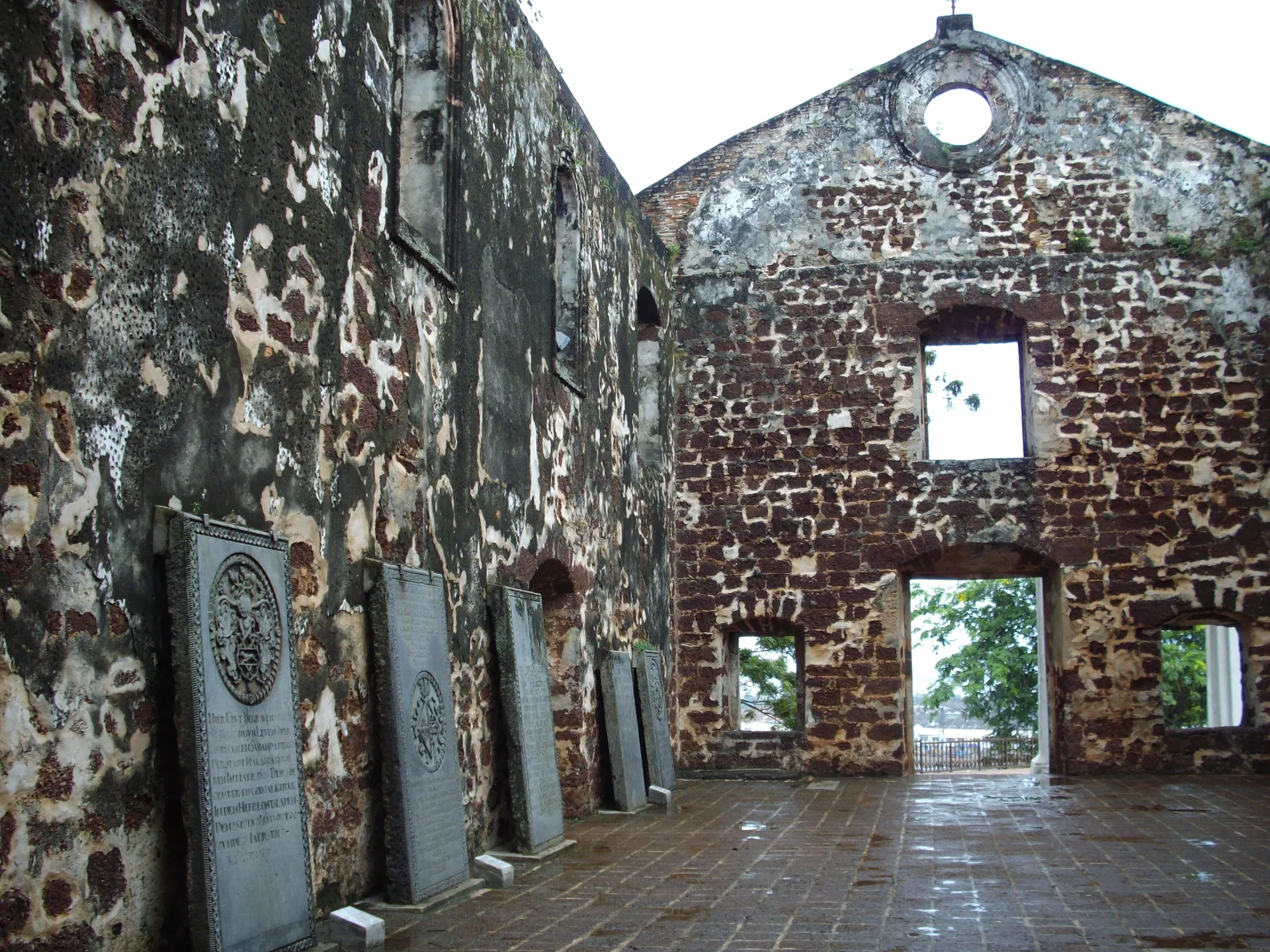
Portuguese Era and Foundations (16th Century)
St. Paul’s Church was established in 1521, shortly after the Portuguese conquest of Melaka in 1511. It was constructed by Duarte Coelho as a Catholic chapel named Nossa Senhora da Annunciada, serving the spiritual needs of the Portuguese settlers and missionaries. The church’s hilltop location was chosen for its defensive advantages and visibility over the Straits of Malacca, underscoring the city’s role as a commercial and religious hub (The Poor Traveler; The Untold Path).
Jesuit Influence and St. Francis Xavier
In 1548, the chapel was deeded to the Society of Jesus (Jesuits), marking a new chapter in its history. St. Francis Xavier, a prominent Jesuit missionary, used the church as a base for his missions throughout Southeast Asia. The Jesuits expanded the structure, adding a second level and bell tower. After St. Francis Xavier’s death in 1552, his body was temporarily interred at St. Paul’s Church before being moved to Goa, making the site a destination for pilgrimage (The Poor Traveler; The Untold Path).
Dutch Occupation and Transformation (17th–18th Centuries)
The Dutch captured Melaka in 1641 and re-consecrated the church for Protestant worship, renaming it St. Paul’s Church. The Dutch added distinctive gravestones and inscriptions, and the church served the community until the construction of Christ Church Melaka in 1753. The site continued to function as a burial ground, with gravestones reflecting Melaka’s rich multicultural heritage (The Poor Traveler).
British Period and Decline (19th Century)
Under British rule, the church was deconsecrated and repurposed for military storage, leading to gradual decline. The original roof and much of the interior were lost, but the walls, bell tower, and tombstones remain as powerful reminders of Melaka’s layered history (The Untold Path).
Archaeological and Preservation Efforts (20th Century)
Archaeological excavations in the early 20th century uncovered burial vaults and tombstones, now preserved within the site. The Malacca Historical Society has contributed to ongoing preservation, and a statue of St. Francis Xavier was erected in 1952 to commemorate his legacy (The Poor Traveler).
Architectural Features
St. Paul’s Church exemplifies a blend of Portuguese and Dutch colonial architecture. The robust laterite stone walls and simple lines reflect Portuguese origins, while Dutch modifications include gravestones and inscriptions in Latin, Dutch, and Portuguese. The church’s open nave, arched windows, and chancel evoke a sense of solemnity, while its elevated site offers panoramic views of the city and sea (The Untold Path).
Cultural and Religious Significance
St. Paul’s Church is deeply intertwined with Melaka’s religious history. It remains a symbol of Catholicism’s introduction to the region and later, the spread of Protestantism under the Dutch. The church’s association with St. Francis Xavier, whose statue stands at the entrance, continues to draw pilgrims—especially during the annual mass held each December in his honor (Wikipedia; The Rakyat Post).
The site also reflects Malaysia’s tradition of interfaith harmony. Its location near Melaka’s “Harmony Street,” where places of worship from different faiths coexist, highlights the city’s multicultural legacy (The Simple Travel).
Visiting Hours, Tickets, and Essential Information
- Opening Hours Daily, 9:00 AM – 6:00 PM. While there are no gates, visiting during daylight is safest and offers the best views.
- Tickets Entry is free; donations for preservation are welcome.
- Guided Tours Available through local operators and the Melaka Museum Complex.
- Accessibility The site is accessed via a moderate uphill climb with stone steps and handrails. The terrain is uneven and may be challenging for visitors with mobility issues.
- Facilities Public restrooms and refreshment vendors are available at the base of the hill. There are no facilities at the summit.
- Suggested Attire Dress modestly and wear comfortable footwear suitable for walking and climbing.
- Photography The church’s ruins and panoramic views are ideal for photography, especially at sunrise or sunset.
For additional details, refer to the Melaka Tourism Office and Melaka Museum Complex.
How to Get There
- By Car/Taxi Taxis and ride-hailing services like Grab are convenient options.
- By Bus Local buses serve Tanjung Kling and central Melaka, but check schedules in advance.
- On Foot The church is walking distance from Dutch Square and Jonker Street; the ascent takes 5–10 minutes (agoda.com; travelandleisureasia.com).
Safety, Etiquette, and Sustainable Tourism
- Safety The site is generally safe, but steps can be slippery after rain. Watch belongings in crowded areas.
- Etiquette Dress respectfully, take care around tombstones, and help preserve the site by not touching fragile structures.
- Sustainability Support local guides and vendors, and dispose of waste responsibly.
Nearby Attractions and Suggested Itinerary
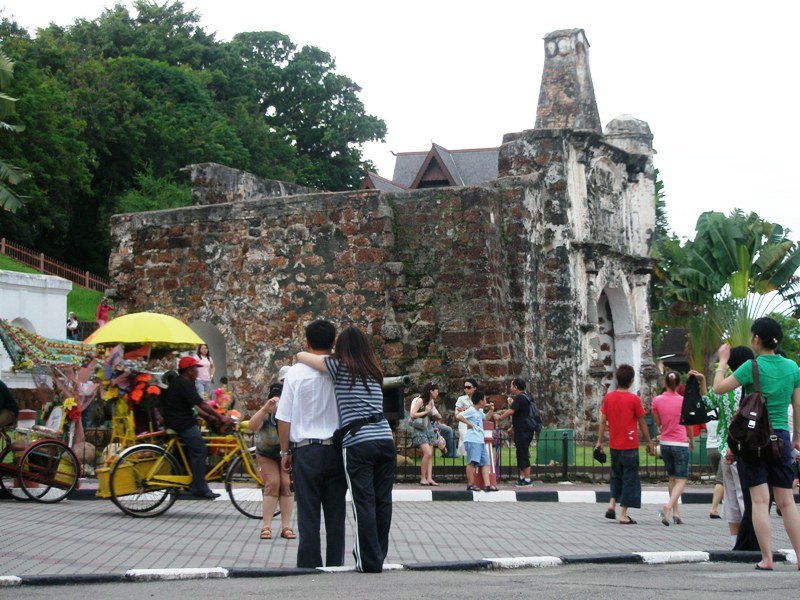
- A Famosa Fort The remains of the Portuguese fortress are at the base of St. Paul’s Hill.
- Christ Church and Dutch Square Iconic red buildings and colonial landmarks nearby.
- Jonker Street Famous for its night market and local delicacies.
- Museums Including the Maritime Museum and Baba & Nyonya Heritage Museum.
For a deeper exploration, combine your visit to St. Paul’s Church with these sites for a full day of heritage discovery (sgmytrips.com).
Seasonal Events and Best Times to Visit
- Best Season March to October (dry season) for clear weather and optimal views.
- Festivals Visit during Malacca’s heritage festivals or the feast day of St. Francis Xavier in December for special events.
- Timing Early morning or late afternoon visits offer cooler temperatures and softer light.
Frequently Asked Questions (FAQ)
Q: What are the visiting hours for St. Paul’s Church?
A: Daily, 9:00 AM – 6:00 PM. Daylight hours are recommended.
Q: Is there an entrance fee?
A: No, entrance is free.
Q: Are guided tours available?
A: Yes, through local operators and the Melaka Museum Complex.
Q: Is the site wheelchair accessible?
A: No; the climb involves uneven stone steps and may be challenging for those with mobility issues.
Q: Are there restrooms on-site?
A: Restrooms are available at the base of the hill, not at the summit.
Q: What is the best time to visit?
A: Early morning or late afternoon, especially during the dry season.
Summary and Recommendations
St. Paul’s Church Melaka is more than a hilltop ruin; it is a vibrant testament to Malaysia’s history of colonial encounters, religious evolution, and multicultural coexistence. Visitors can explore centuries-old tombstones, panoramic vistas, and the enduring legacy of St. Francis Xavier. The site’s UNESCO status underscores its global importance and ongoing preservation.
Visitor Tips:
- Arrive early or late to avoid crowds and heat.
- Wear suitable clothing and footwear.
- Bring water and sun protection.
- Respect the historical and religious significance of the site.
For the latest updates, guided tour options, and digital resources, visit the official Melaka tourism website or download the Audiala app for curated guides and local insights.