Plan and listen to Kek Lok Si with Audiala.
Audio guide in your pocket, itinerary in your browser. Built for the way you actually visit.
Introduction
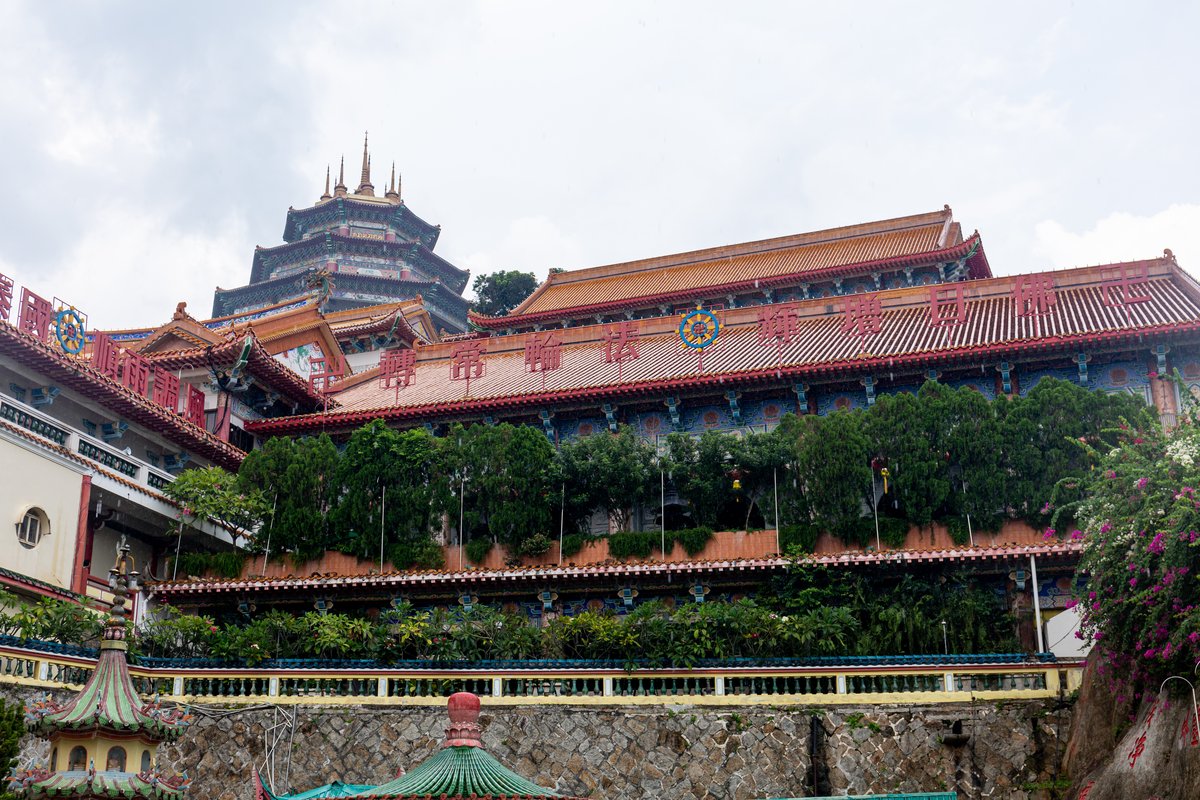
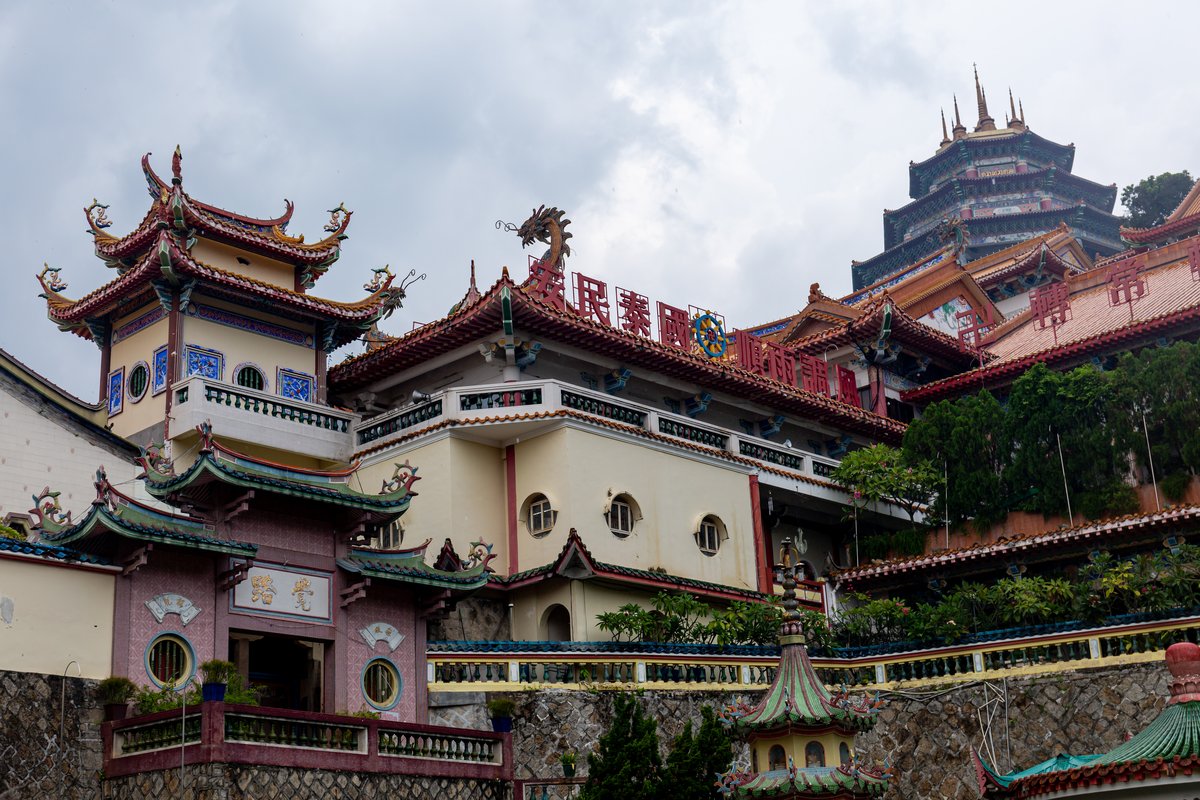
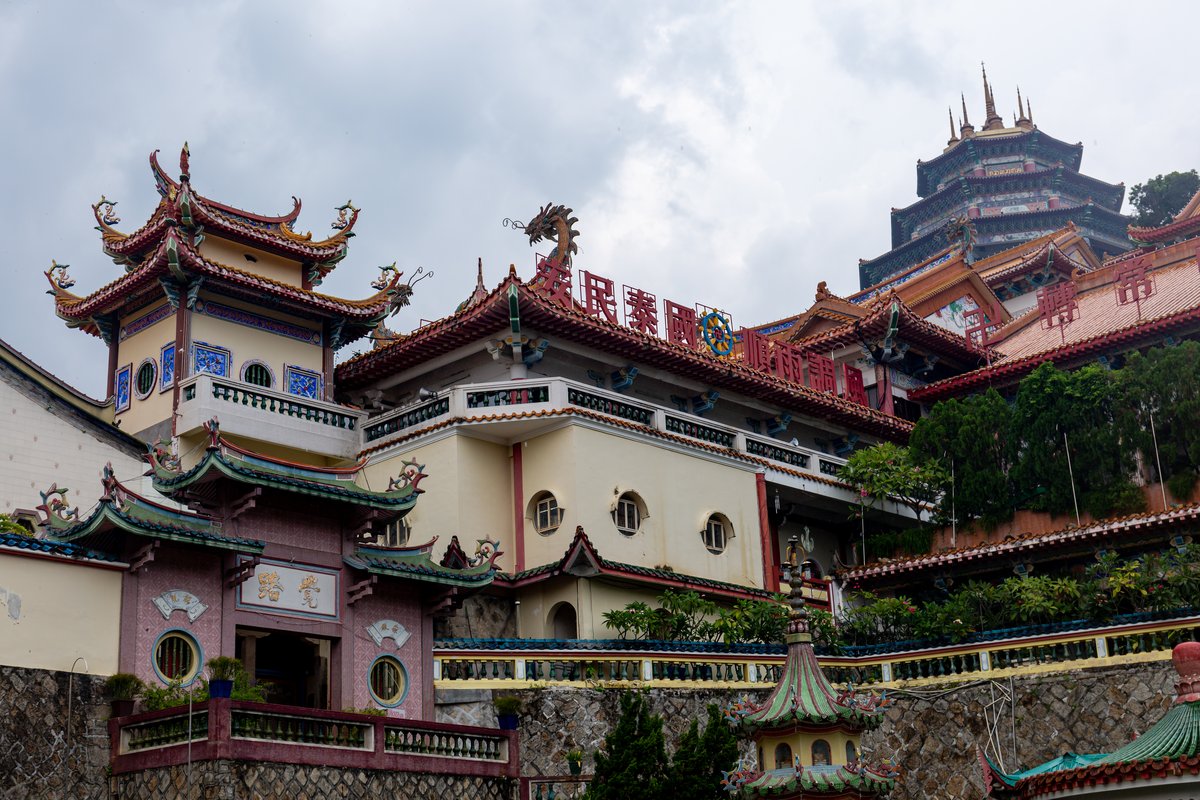
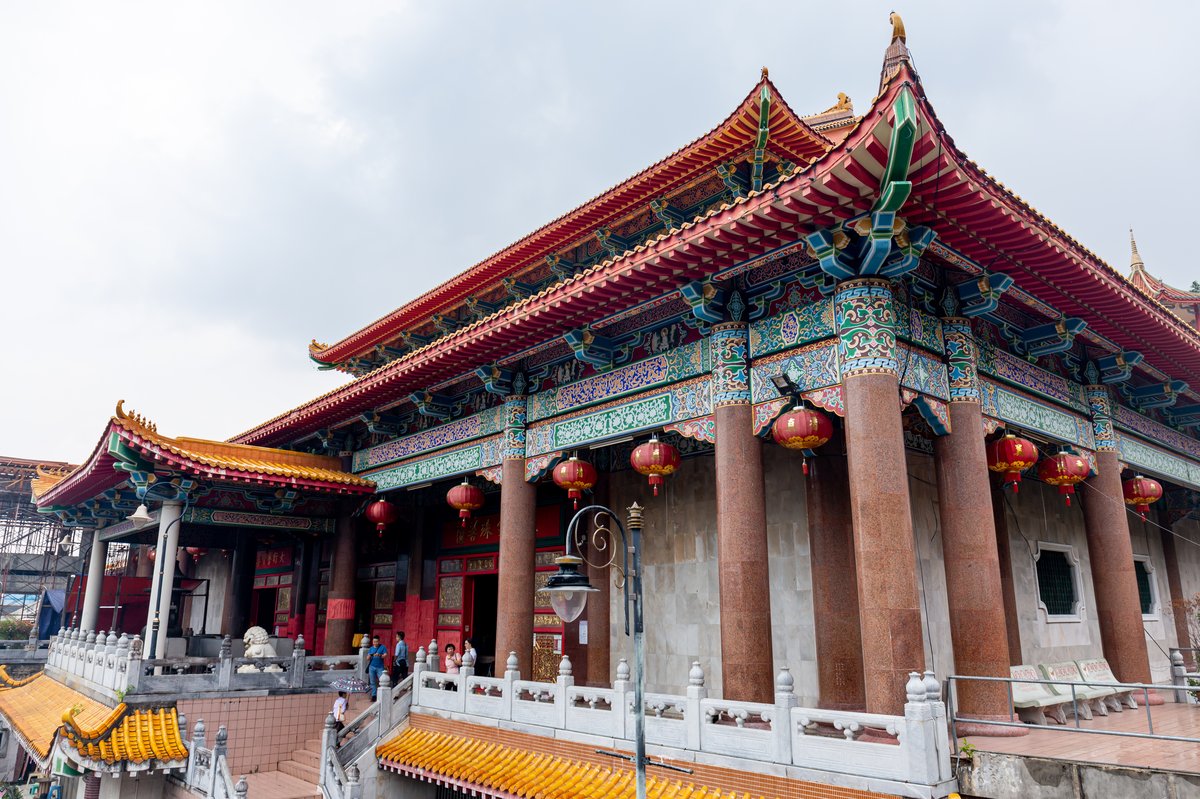
Nestled in the hills of Air Itam, Penang, Kek Lok Si Temple stands as Malaysia's largest Buddhist temple complex and a testament to multicultural harmony and spiritual devotion. Known as the "Temple of Supreme Bliss," it is celebrated for its fusion of Chinese, Thai, and Burmese architectural styles, its vibrant festivals, and its deep significance for local and international visitors (adriancheah.com; thesmartlocal.my). This guide provides an in-depth look at Kek Lok Si's history, visitor information, must-see highlights, travel tips, and nearby attractions—ensuring you have all you need for a memorable Penang adventure.

Historical Background and Significance
Kek Lok Si was founded in the late 19th century by Venerable Beow Lean, a monk from Fujian, China. Initially arriving in Penang to seek donations for a monastery in Fuzhou, he was later inspired by the local Chinese Buddhist community and the auspicious landscape of Crane Hill to establish a grand temple (adriancheah.com; penangsentral.com). Construction began in 1891, with major support from five prominent local benefactors, and the first phase was completed in 1905.
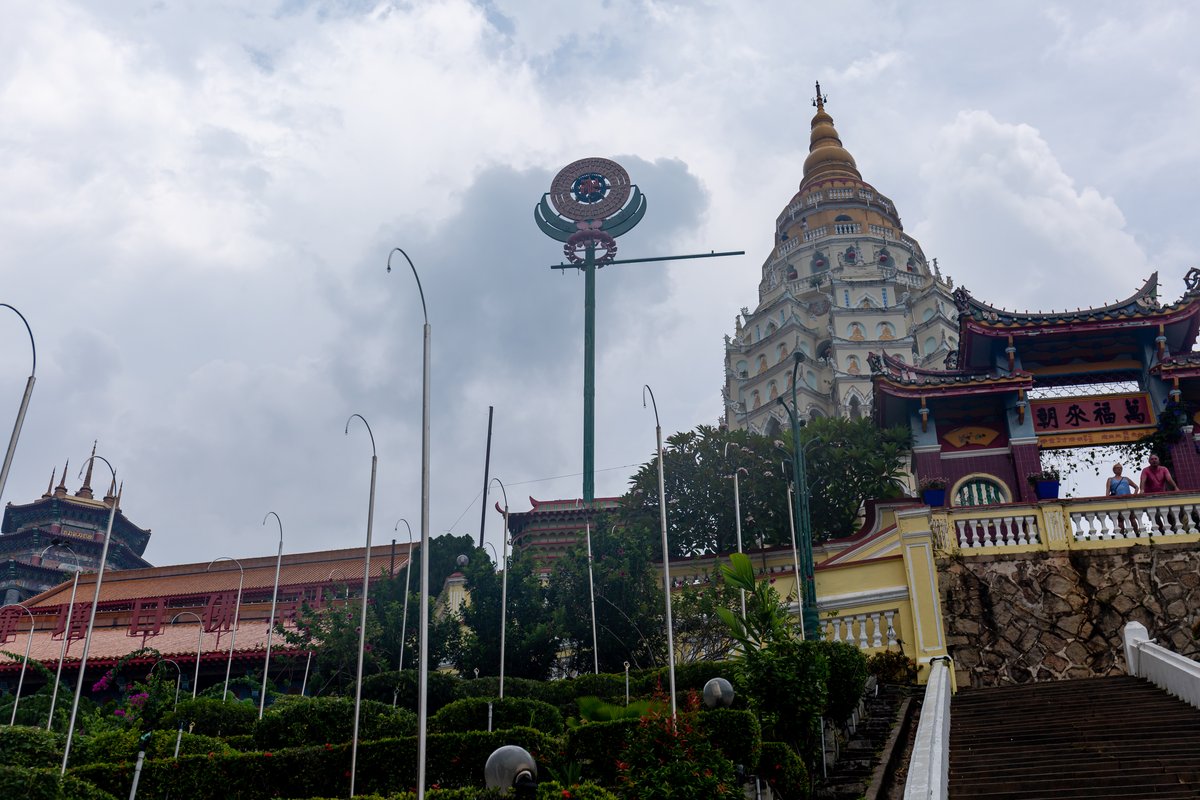
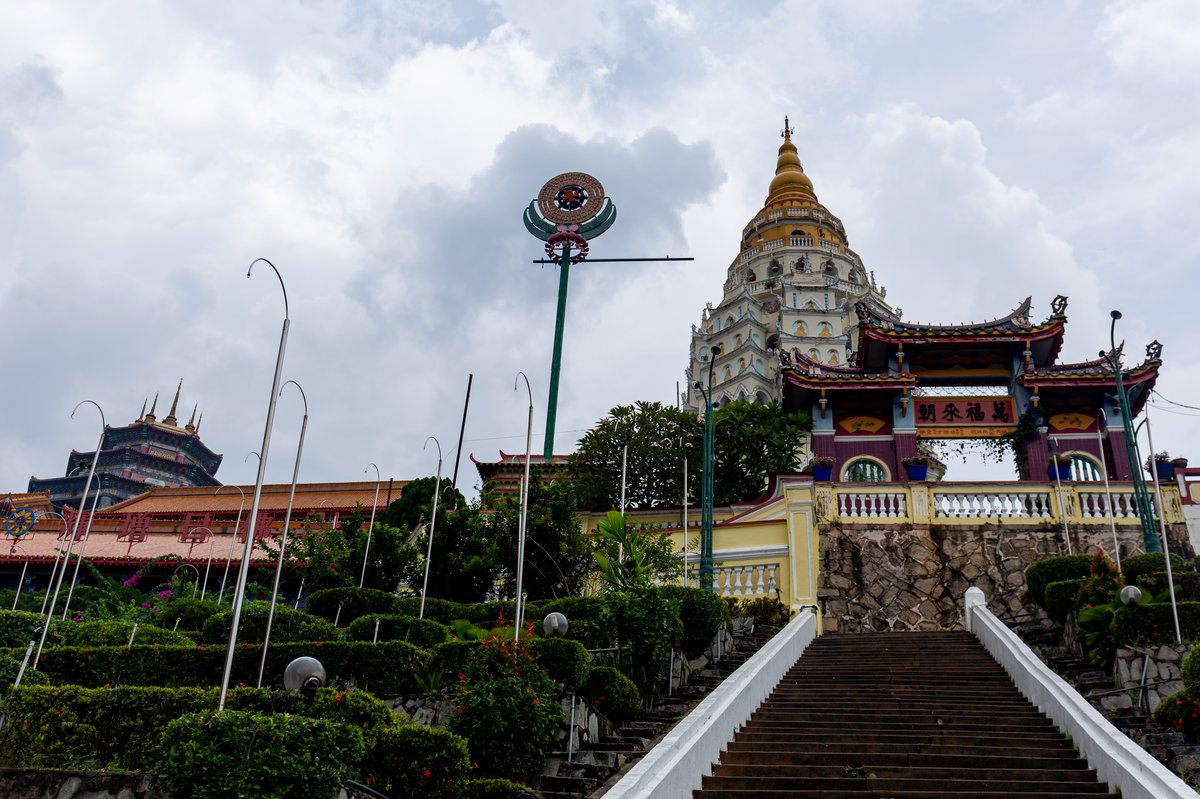
Over time, the site expanded with additional halls, pavilions, and gardens. The seven-storey Pagoda of Ten Thousand Buddhas (completed in 1930) and the towering bronze Kuan Yin statue (finished in 2002) became icons of Penang’s religious and architectural landscape (thesmartlocal.my; blog.alandotchin.com). Today, Kek Lok Si is both a major pilgrimage site and a cultural center, renowned for its Chinese New Year and Wesak Day celebrations, when thousands of lanterns illuminate the temple (thesmartlocal.my).
Architectural Highlights and Key Structures
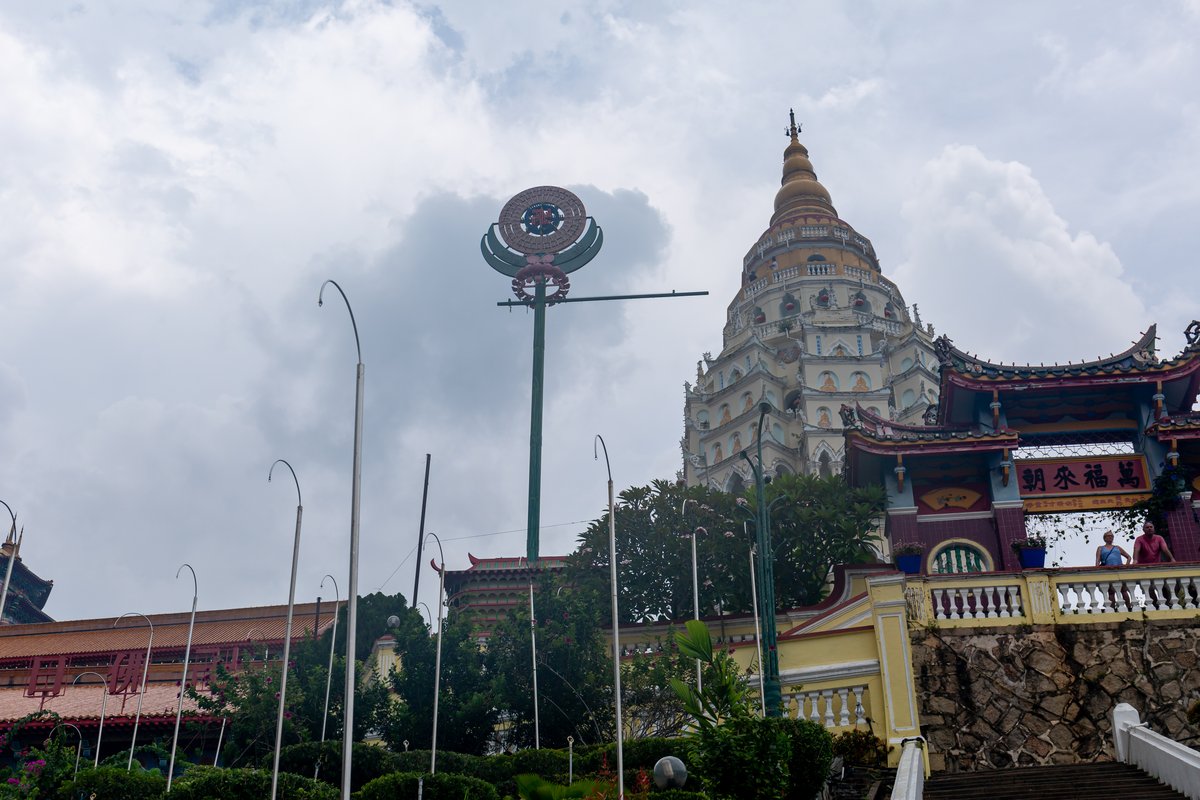
Pagoda of Ten Thousand Buddhas (Ban Pho Tar)
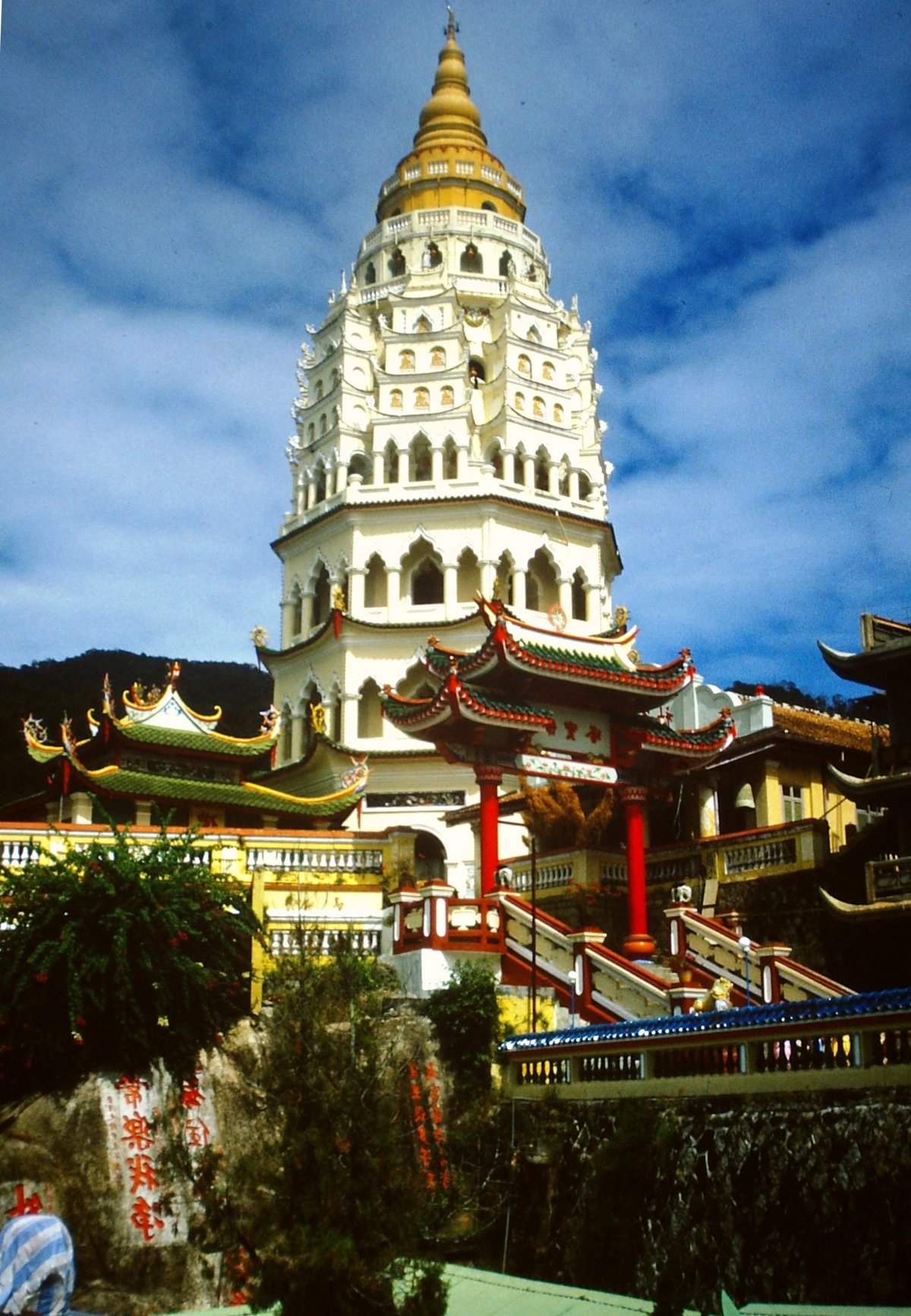
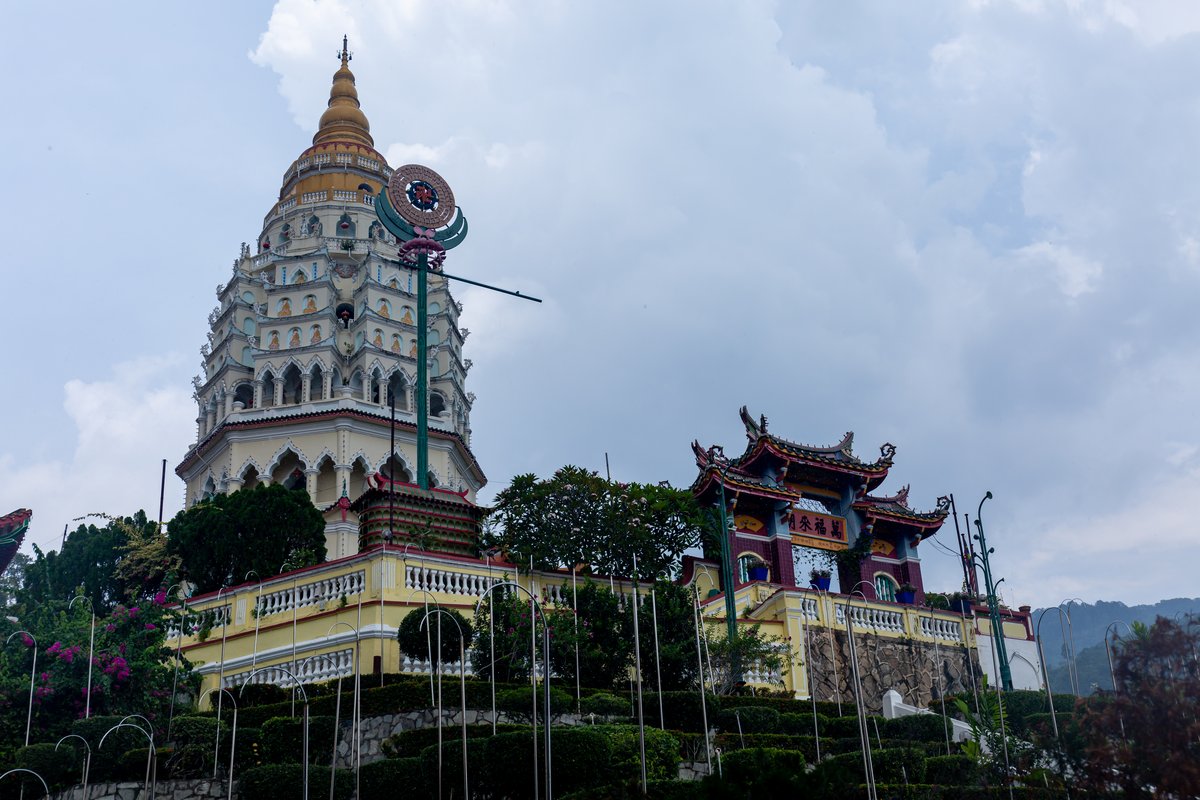
This seven-storey pagoda seamlessly blends Chinese, Thai, and Burmese architectural styles—a Chinese octagonal base, Thai middle tiers, and a Burmese crown—symbolizing Buddhist unity. Inside are thousands of Buddha statues, and visitors can climb to the top for panoramic views (small fee applies) (trip101.com).
Kuan Yin Statue (Goddess of Mercy)
The 36.57-meter bronze statue of Kuan Yin is the largest of its kind in Malaysia. It stands atop the complex, sheltered by a grand pavilion supported by 16 granite pillars, overlooking George Town and the Straits of Malacca. The statue is accessible via a funicular lift or a steep path (penangsentral.com).
Main Prayer Hall (Hall of Mahavira) and Other Halls
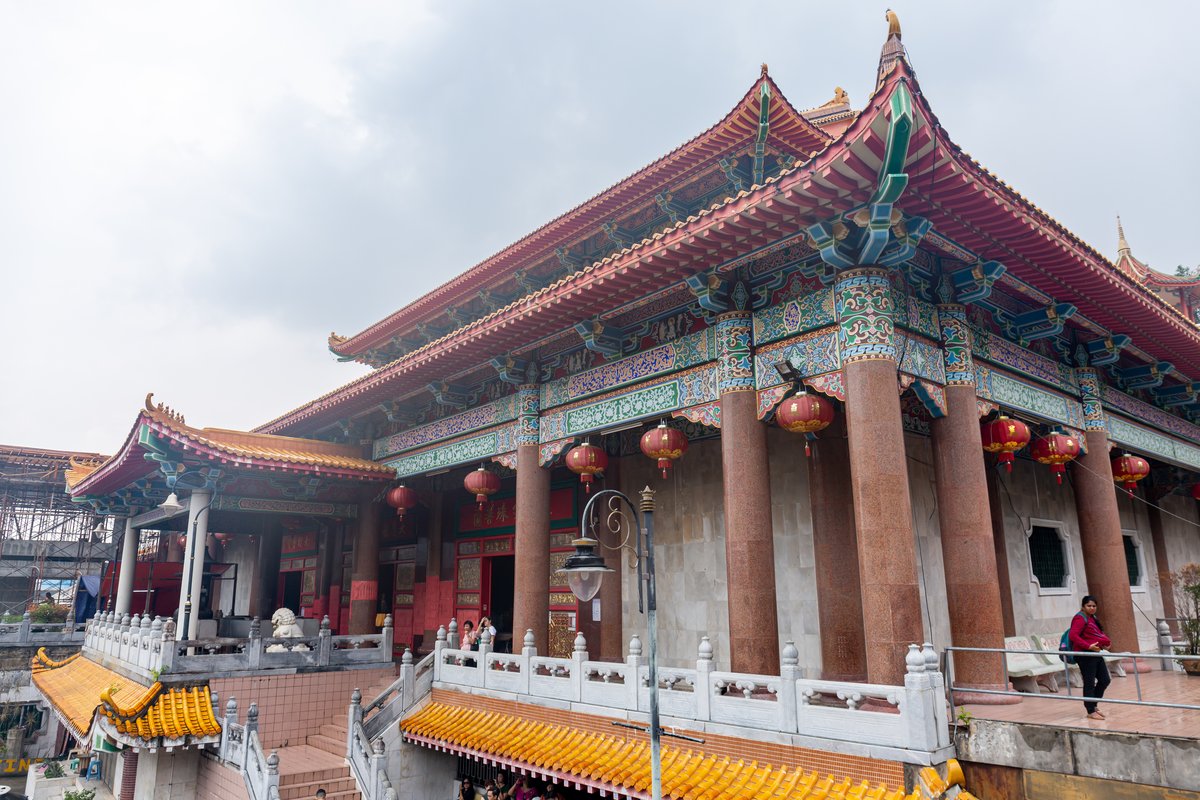
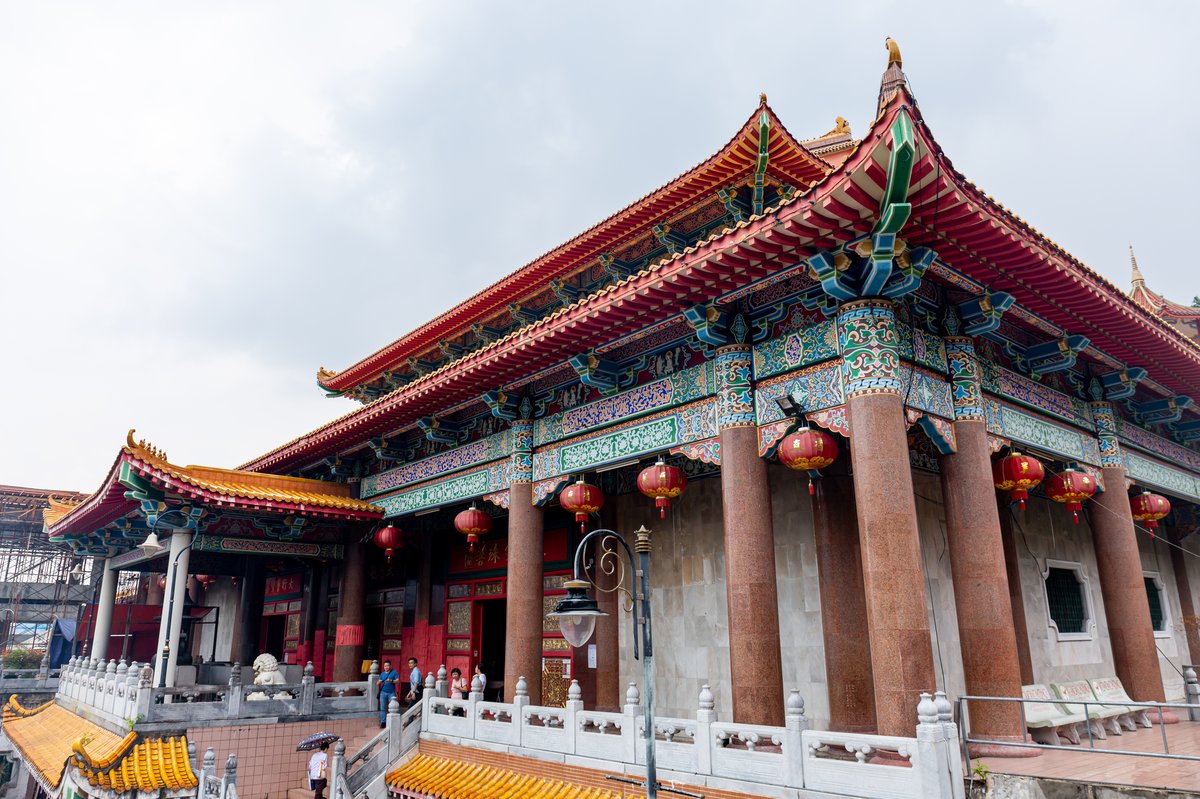
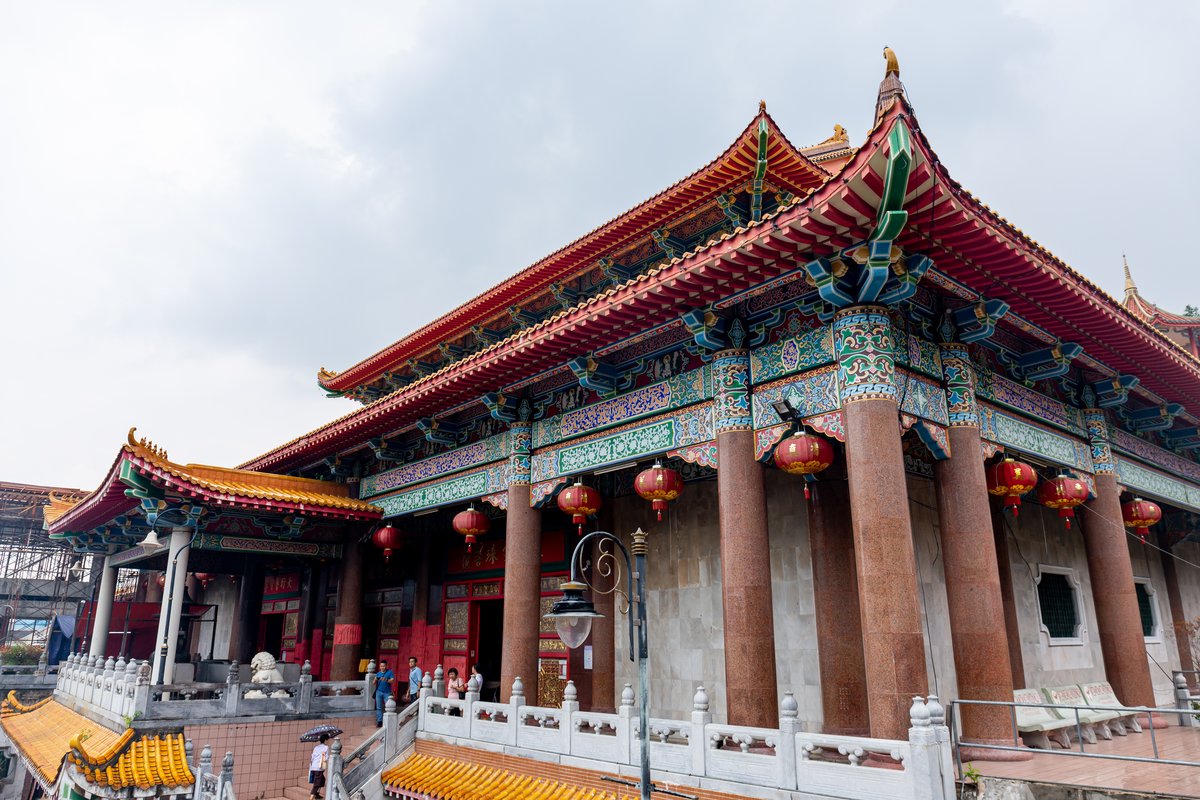
The main prayer hall houses imposing gilded buddha statues, vibrant murals, and intricate woodwork. Other notable spaces include the Hall of the Laughing Buddha, Hall of Bodhisattvas, Hall of Devas, and the Tower of Sacred Books containing rare scriptures (blog.alandotchin.com).
Liberation Pond (Turtle Pond)
A tranquil pond filled with turtles, symbolizing longevity and spiritual liberation. Feeding turtles here is considered merit-making (penangsentral.com).
Gardens and Zodiac Park
Beautifully landscaped gardens, including a Zodiac Garden with statues of the twelve Chinese zodiac animals, provide serenity and great photo opportunities.
Visitor Information
Opening Hours
- Daily: 9:00 AM – 6:00 PM (travel-penang-malaysia.com)
Entry and Ticketing
- Temple Grounds: Free entry
- Pagoda of Ten Thousand Buddhas: RM 2 per person
- Inclined Lift to Kuan Yin Statue: RM 2 each way per person
Some areas may request donations for maintenance; carry small denominations of Malaysian Ringgit.
Accessibility
- The temple is partially accessible to those with mobility challenges. Main halls and the inclined lift are accessible, but some areas have steep steps or uneven paths.
- Assistance is available on request, and upper-level parking is recommended for those needing easier access.
Getting There and Travel Tips
By Public Transport
- Buses: Rapid Penang routes 201, 203, and 204 from George Town stop near the temple.
- By Taxi/Ride-hailing: Approximately 15–40 minutes from George Town or Penang International Airport, depending on traffic (TravelSetu).
By Car/Motorbike
- Ample parking near the upper entrance; suitable for visitors with mobility needs.
By Train
- The nearest train station is Butterworth (on the mainland). Take the ferry to George Town, then bus or taxi to Air Itam (TravelSetu).
Best Time to Visit
- Early morning or late afternoon for cooler temperatures and fewer crowds. Chinese New Year offers a spectacular lantern festival but is very busy (thesmartlocal.my).
Special Events and Festivals
- Chinese New Year: The temple is adorned with thousands of lanterns and lights, drawing huge crowds and offering a unique experience.
- Wesak Day: Features processions, prayers, and charitable activities (trip101.com).
Nearby Attractions and Itinerary Suggestions
- Penang Hill: Reachable by bus 204, offering panoramic views and cool breezes.
- Air Itam Market: Local food and vibrant market experience.
- Penang Botanic Gardens, Clan Jetties, Fort Cornwallis: Extend your itinerary to explore more of Penang’s heritage.
Visitor Etiquette and Practical Tips
- Dress modestly (shoulders and knees covered).
- Remove shoes before entering prayer halls.
- Speak softly and respect ongoing worship.
- Photography is allowed outdoors; ask permission inside halls.
- Wear comfortable footwear for walking and climbing stairs.
Facilities include restrooms, vegetarian restaurants, and souvenir shops. The temple is generally safe, but keep an eye on personal belongings during busy festivals.
Frequently Asked Questions (FAQs)
Q: What are Kek Lok Si’s opening hours?
A: 9:00 AM to 6:00 PM daily.
Q: Is there an entrance fee?
A: Entry to the temple grounds is free; small fees apply for the pagoda and inclined lift.
Q: How do I get to Kek Lok Si from Penang International Airport?
A: By taxi or ride-hailing (30–40 minutes), or by bus to Air Itam.
Q: Are there facilities for visitors with mobility issues?
A: Yes. Upper-level parking and the inclined lift provide easier access.
Q: When is the best time to visit?
A: Weekday mornings for tranquility; Chinese New Year for festivities.
Q: Are guided tours available?
A: Yes, through local agencies or the temple office.
Listen to the full story in the app
The whole Kek Lok Si,
told well.
Audio guides for 1,100+ cities across 96 countries. History, stories, and local insight — offline ready.
Verified, and shown.
Researched and written by the Audiala editorial team from historical records, architectural archives, and local expertise.
Researched from Wikidata, Wikipedia & official sources · fact-checked · How we make our guides →