
Why Visit the Stadthuys?
The Stadthuys is one of Melaka’s most significant historical sites, offering a compelling window into the city’s past. As Southeast Asia’s oldest Dutch building, it is central to understanding the city’s colonial administration and evolving urban identity. Its position as a focal point in Dutch Square makes it an excellent hub for exploring other notable Melaka sites.
Dutch Origins and Construction (1641–1660)
Following the Dutch East India Company's conquest of Melaka from the Portuguese in 1641, the Stadthuys was constructed as the official residence and administrative center for the Dutch governor and his deputy. Erected on the site of a former Portuguese fort, construction was completed between 1650 and 1660. The building represented Dutch authority and was designed to withstand both the tropical climate and potential military threats.
Architectural Features and Dutch Influence
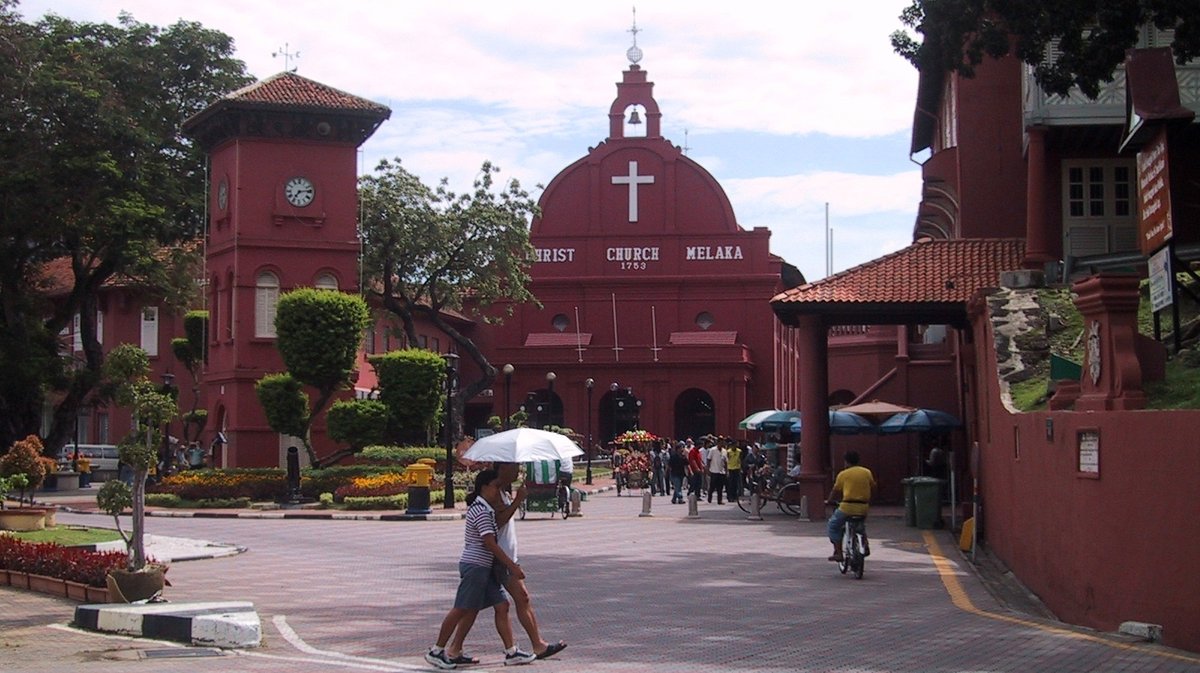
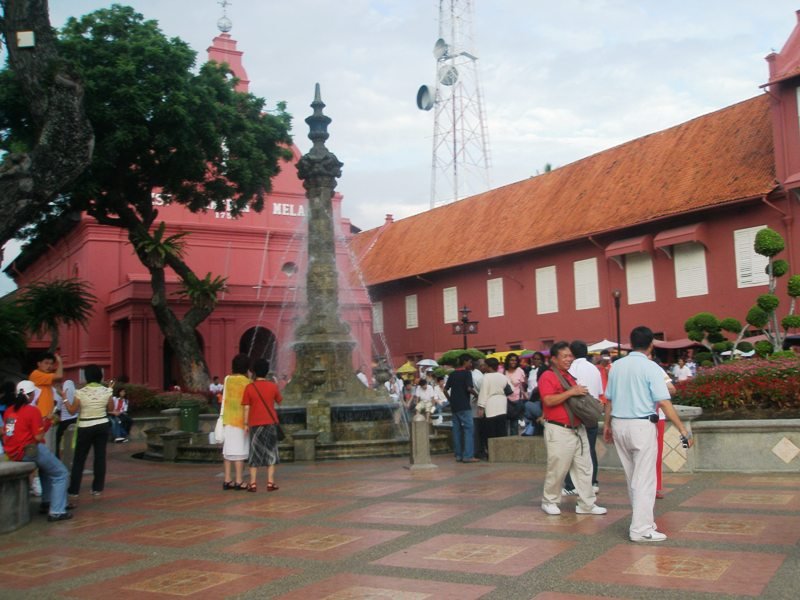
The Stadthuys exemplifies classic Dutch colonial architecture, with thick brick walls, louvred windows, and heavy timber doors. Its distinctive red color, later adopted by other buildings in Dutch Square, has become synonymous with Melaka’s historical core. The complex originally included the governor’s residence, administrative offices, council chambers, and additional living quarters. These robust features ensured durability and influenced subsequent colonial architecture in the region.
Role During the Dutch and British Colonial Periods
For nearly 150 years, the Stadthuys was the epicenter of Dutch administration in Melaka, overseeing trade, legal affairs, and local governance. Its strategic location near the Melaka River emphasized its role in maritime commerce and regional control. After the Anglo-Dutch Treaty of 1824, Melaka was ceded to the British, who continued to use the Stadthuys as the administrative headquarters, adapting the structure for new governmental functions while preserving its architectural integrity.
The Stadthuys Today: Museum and Cultural Site
After Malaysia’s independence, the Stadthuys continued to serve government roles until 1980. Since 1982, it has been home to the History and Ethnography Museum, which chronicles Malacca’s development from a sultanate through the colonial period. The museum showcases period furniture, weaponry, costumes, traditional crafts, and documents representing the city’s multicultural communities. The building’s continued use as a museum underscores Melaka’s dedication to conserving and celebrating its layered heritage.
Visitor Information
Visiting Hours
- Open daily: 9:00 AM to 5:00 PM (last entry at 4:30 PM)
- Closed on some public holidays; check ahead for special schedules (Tourism Melaka, Malaysia Traveller).
Ticket Prices
- Adults: RM10
- Children/Seniors: RM5
- Disabled visitors: Free
- Tickets are available on-site; group and guided tour bookings can be arranged in advance.
Accessibility
- Wheelchair ramps and accessible restrooms are available.
- Some upper floors may be less accessible due to historical design.
Travel Tips
- Visit on weekday mornings for fewer crowds and optimal photography conditions.
- Guided tours (available in multiple languages) offer deeper insight into the exhibits.
- The red façade is a favorite photo spot, especially in the morning or late afternoon.
- Comfortable footwear is recommended due to extensive walking and stairs.
Getting There
- Centrally located in Dutch Square at Bandar Hilir, 75000 Melaka.
- Accessible by car/taxi (parking nearby), local buses, or trishaws.
Facilities
- Restrooms, café, and gift shop on-site.
Nearby Attractions
- Christ Church Melaka Adjacent Dutch-era church, the oldest Protestant church in Malaysia.
- Jonker Street Vibrant night market and antique shops.
- St. Paul’s Hill Historical ruins with panoramic city views.
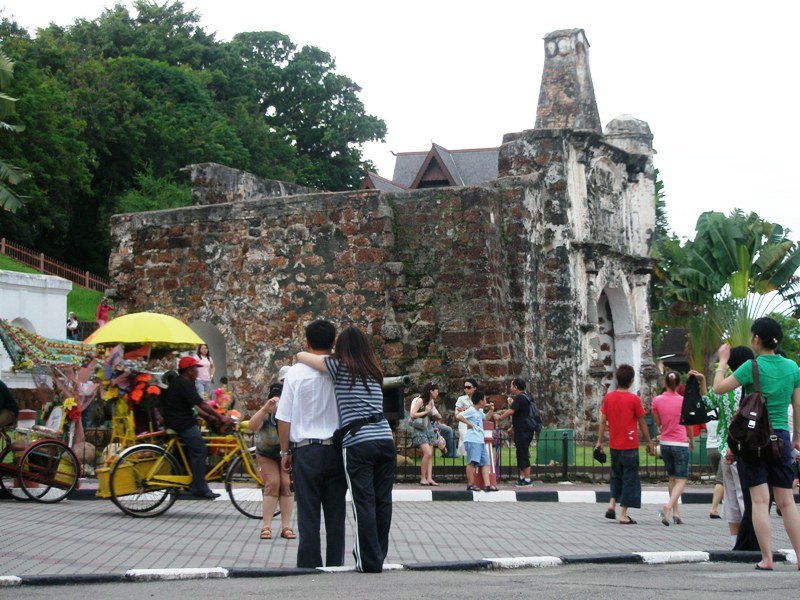
- A Famosa Fortress Remnants of Portuguese fortifications.
- Baba & Nyonya Heritage Museum A short walk away, showcasing Peranakan culture.
UNESCO World Heritage Status
In 2008, Melaka’s historic center—including the Stadthuys—was designated a UNESCO World Heritage Site, highlighting its global cultural significance. Preservation and adaptive reuse efforts ensure that the Stadthuys remains integral to Melaka’s identity and accessible to present and future generations.
Frequently Asked Questions (FAQ)
Q: What are the Stadthuys visiting hours?
A: Open daily, 9:00 AM to 5:00 PM, with last entry at 4:30 PM.
Q: How much do tickets cost?
A: RM10 for adults, RM5 for children and seniors, free for disabled visitors.
Q: Are guided tours available?
A: Yes, they can be booked on-site or via local operators.
Q: Is the Stadthuys wheelchair accessible?
A: The ground floor is accessible; some upper galleries may be less so due to historic architecture.
Q: What else is nearby?
A: Jonker Street, St. Paul’s Hill, Christ Church, A Famosa, and the Baba & Nyonya Heritage Museum.
Summary of Key Dates and Facts
- 1641–1660 Stadthuys constructed by the Dutch on the site of a Portuguese fort.
- 1824 Melaka ceded to the British; Stadthuys continues as key administrative center.
- 1982 Converted into a museum complex.
- 2008 Recognized as part of UNESCO World Heritage Site.