
Historical Background and Significance
Early Maritime Influence
The history of Tanjung Kling dates back to the Malacca Sultanate, a powerful maritime empire that flourished between the 15th and 17th centuries. Commanding the vital Straits of Malacca, the sultanate thrived on trade, attracting merchants from China, India, the Middle East, and Europe. Tanjung Kling, with its strategic location, served as a crucial outpost for the sultanate, playing a vital role in maintaining its economic and military dominance.
The Age of Exploration and Colonialism
The arrival of European powers in the 16th century marked a turning point in the region's maritime history. The Portuguese, followed by the Dutch and the British, sought control of the lucrative spice trade, leading to conflicts and shifting alliances. Tanjung Kling, due to its strategic importance, witnessed the rise and fall of these colonial powers, each leaving their mark on the area's cultural and architectural landscape.
The Museum's Inception
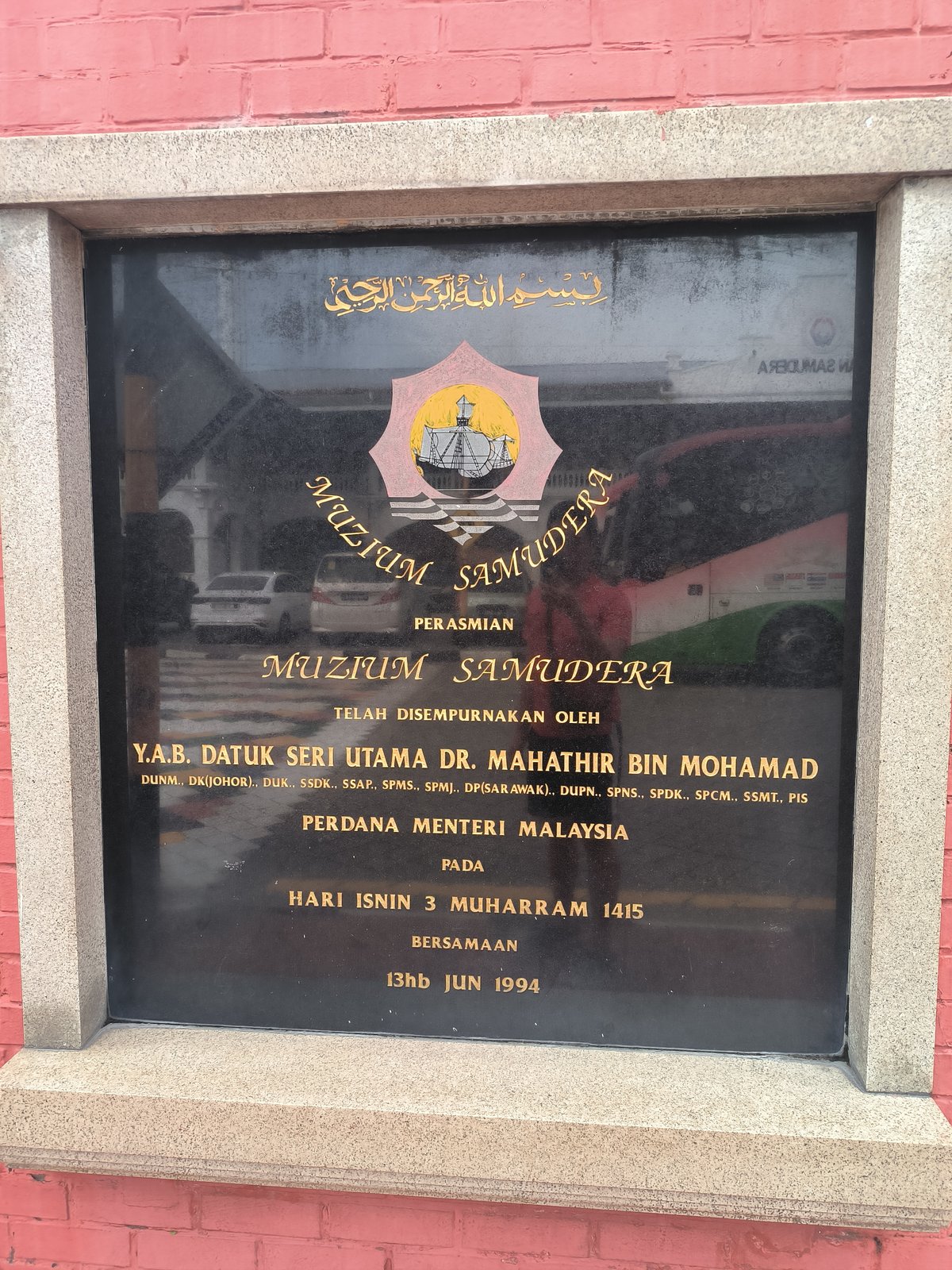
Recognizing the need to preserve and showcase this rich maritime legacy, the idea for a maritime museum in Tanjung Kling was conceived. The museum, inaugurated on [Insert Date if available], aims to serve as a repository of artifacts, documents, and stories that narrate the region's maritime past.
Visitor Information
Ticket Prices and Purchasing Information
Tickets for the Maritime Museum in Tanjung Kling can be purchased at the entrance or online through the museum's official website. Pricing is as follows:
- Adults: [Insert Price]
- Children (ages 6-12): [Insert Price]
- Seniors: [Insert Price]
- Family Packages: [Insert Price]
Visiting Hours and Best Times to Visit
The museum is open from [Insert Opening Hours] daily. The best times to visit are during weekdays to avoid the weekend crowds. Special events and guided tours may also affect visiting hours, so it is advisable to check the museum's schedule in advance.
Travel Tips and How to Get to the Museum
The museum is easily accessible by public transportation, car, or taxi. Here are some travel tips:
- By Bus: [Insert Bus Information]
- By Car: Parking is available on-site.
- By Taxi: Taxis are readily available and can drop you off directly at the entrance.
Nearby Attractions and Other Points of Interest
After visiting the Maritime Museum, consider exploring other nearby attractions:
- Tanjung Kling Beach
- Historical Malacca City Center
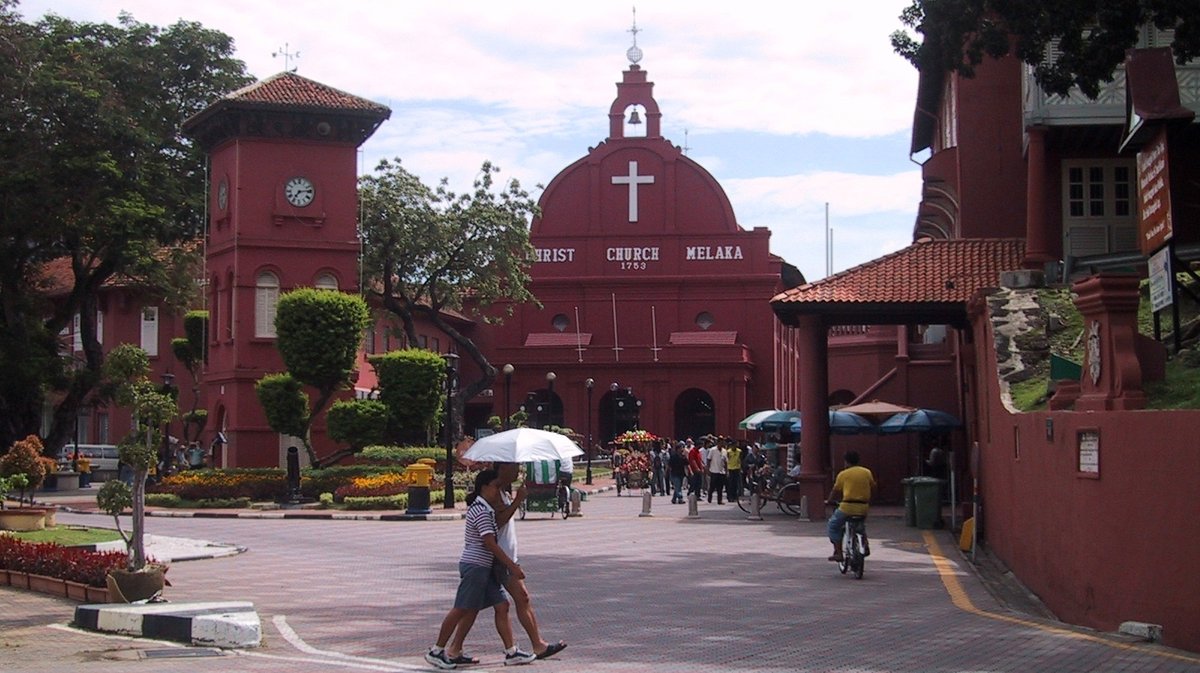
- The Dutch Square
Accessibility Information
The museum is wheelchair accessible and provides facilities for visitors with disabilities. Please contact the museum in advance for specific accessibility needs.
Special Events, Guided Tours, and Photographic Spots
The Maritime Museum offers guided tours, special events, and workshops throughout the year. Notable photographic spots include the museum's entrance, the replica ships, and the panoramic views of the Straits of Malacca.
Collections and Exhibits
The Replica of the Flor de la Mar
The museum's centerpiece is the imposing replica of the Flor de la Mar, a Portuguese ship that met its demise off the coast of Melaka in 1511. This seven-deck vessel, meticulously reconstructed to scale, offers visitors a tangible connection to the era of European exploration and the spice trade. Inside the ship, visitors can explore various compartments, including the captain's cabin, the crew's quarters, and the cargo hold, each offering insights into the ship's functionality and the lives of those who sailed on it.
Maritime History Exhibits
Beyond the Flor de la Mar, the museum houses a rich collection of exhibits that delve deeper into Melaka's maritime history. These exhibits showcase:
- Ancient Maritime Trade This section highlights Melaka's strategic location along the ancient maritime Silk Road, showcasing artifacts like pottery, ceramics, and other trading goods from China, India, and the Middle East, illustrating the city's role as a melting pot of cultures.
- The Rise and Fall of Melaka Sultanate This exhibit chronicles the golden age of the Melaka Sultanate, its dominance in regional trade, and its eventual fall to the Portuguese. Visitors can view historical maps, manuscripts, and weaponry from this era.
- Colonial Influences This section explores the impact of Portuguese, Dutch, and British colonization on Melaka's maritime activities. Exhibits include models of colonial ships, navigational instruments, and documents highlighting the evolution of shipbuilding and seafaring techniques.
- Traditional Boats and Fishing Techniques Recognizing the importance of fishing to the local communities, the museum dedicates a section to traditional Malay boats and fishing techniques. Visitors can observe intricate models of boats like the 'perahu kolek,' 'jong,' and 'pencalang,' each uniquely adapted to the local waters and fishing practices.
Interactive Displays and Multimedia Presentations
To enhance the visitor experience, the museum incorporates interactive displays and multimedia presentations. These engaging elements bring history to life, allowing visitors to:
- Navigate the Straits of Melaka Interactive maps and simulations allow visitors to retrace ancient trade routes, understand the challenges of navigating the Straits of Melaka, and appreciate the region's strategic importance.
- Experience Life on Board a Ship Multimedia presentations and dioramas recreate the sights and sounds of life on board a historical ship, offering a glimpse into the daily routines, challenges, and triumphs of sailors.
- Discover Underwater Archaeology Exhibits dedicated to underwater archaeology showcase artifacts recovered from shipwrecks off the coast of Melaka, providing insights into the region's rich maritime past and the ongoing efforts to preserve it.
Architectural Style
The Balai Influence
The museum's architecture incorporates several key elements of the 'balai' style, including:
- Elevated Structure Like traditional 'balai' structures, the museum stands on stilts, symbolizing status and providing a vantage point. This design element also serves a practical purpose in Melaka's tropical climate, allowing for ventilation and protection from floods.
- Gabled Roof The museum features a distinctive gabled roof adorned with intricate carvings, a hallmark of traditional Malay architecture. The roof's steep slopes facilitate rainwater runoff, essential in a region with high rainfall.
- Open Layout The museum's interior follows an open layout, with spacious halls and interconnected rooms, reminiscent of the airy and welcoming design of traditional 'balai' structures. This design allows for a natural flow of light and air, creating a comfortable environment for visitors.
Modern Touches
While the museum's design draws heavily from traditional Malay architecture, it seamlessly blends these elements with modern architectural features, creating a harmonious balance between the past and present. These modern touches include:
- Large Windows Expansive windows throughout the museum offer panoramic views of the surrounding area, including the Straits of Melaka, connecting the museum's exhibits to the maritime environment they represent.
- Open Terraces The museum features open terraces that provide visitors with spaces to relax and enjoy the scenic views, further enhancing the visitor experience.
- Accessibility Features The museum incorporates modern accessibility features, such as ramps and elevators, ensuring that all visitors can comfortably explore the exhibits and appreciate Melaka's maritime heritage.
Frequently Asked Questions
Q: What are the Maritime Museum Tanjung Kling visiting hours?
A: The museum is open from [Insert Opening Hours] daily. It is best to check the official website for any changes in schedule.
Q: How much are the Maritime Museum Tanjung Kling tickets?
A: Ticket prices vary depending on age and group size. Please refer to the 'Ticket Prices and Purchasing Information' section for detailed pricing.
Q: How do I get to the Maritime Museum in Tanjung Kling?
A: The museum is accessible by bus, car, and taxi. See the 'Travel Tips and How to Get to the Museum' section for more details.
Q: Are there guided tours available at the Maritime Museum?
A: Yes, guided tours are available upon request.
Q: Is the museum accessible for visitors with disabilities?
A: Yes, the museum is wheelchair accessible, with ramps and elevators to accommodate all visitors.