Plan and listen to Cheng Hoon Teng with Audiala.
Audio guide in your pocket, itinerary in your browser. Built for the way you actually visit.
Introduction
Cheng Hoon Teng Temple, situated in the historic city of Malacca, Malaysia, is a profound symbol of the rich cultural heritage of the Chinese community. Recognized as a UNESCO World Heritage Site, the temple is not merely a religious landmark but a vibrant hub that has withstood the test of time, reflecting the diverse and enduring legacy of Chinese architecture, art, and cultural practices.
Cheng Hoon Teng Temple, often referred to as the 'Temple of Green Clouds,' dates back to the early 17th century. Its establishment is attributed to Li King Long, a prominent Kapitan China during the Dutch colonial era. The temple's historical significance is further enriched by subsequent contributions from notable figures such as Kapitan China Tay Kie Ki, who expanded and renovated the temple in 1801. This temple stands as a testament to the enduring legacy of the Chinese community in Malaysia, offering an unparalleled glimpse into their traditions, beliefs, and social practices.
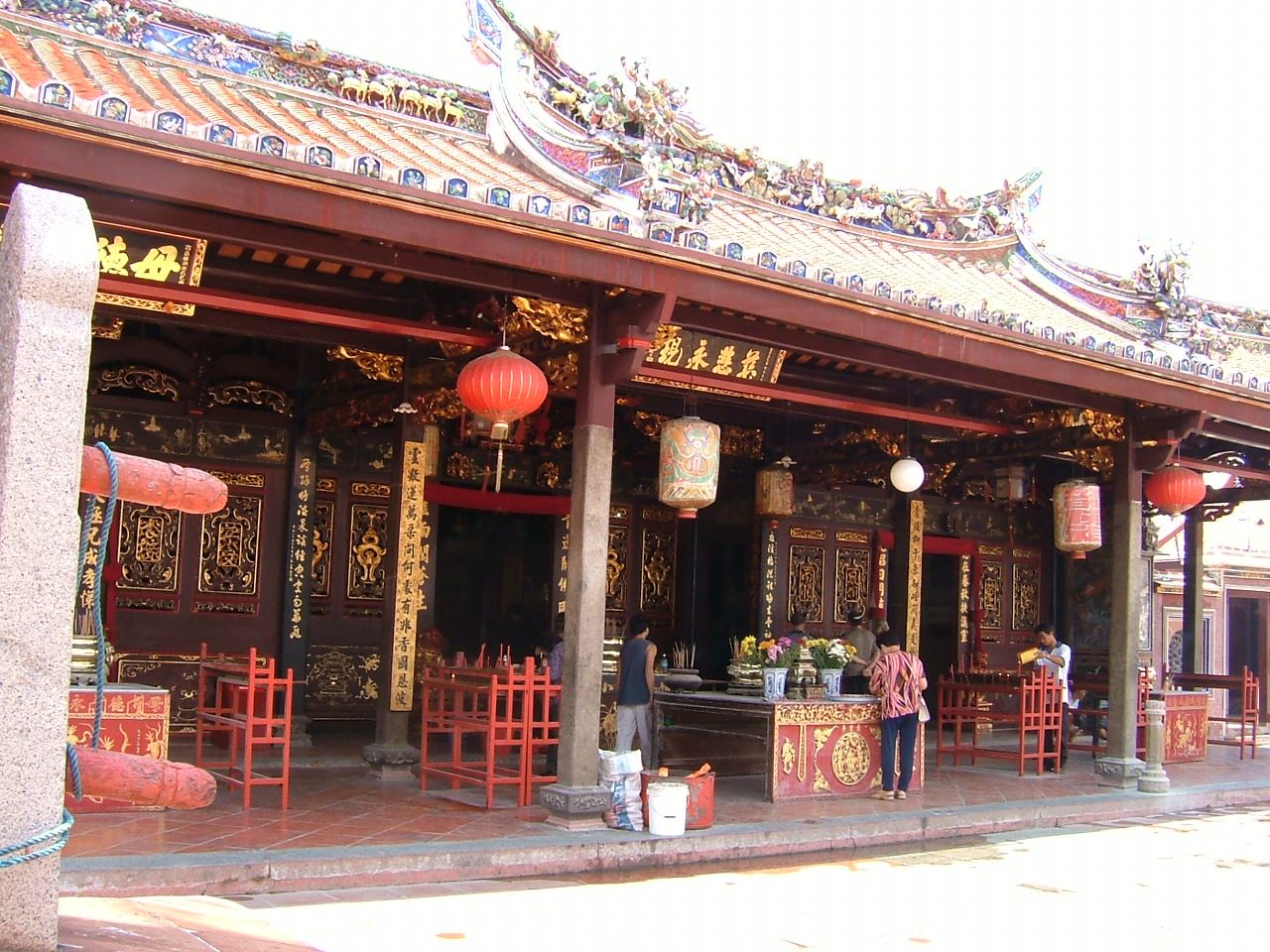
The architectural splendor of Cheng Hoon Teng is characterized by its blend of traditional Chinese styles, influenced by craftsmen from China, and local Malay craftsmanship. The temple's design, which includes a courtyard house with three main halls dedicated to different deities, showcases intricate carvings and decorations, including Nanmu wood imported from China. Over the centuries, Cheng Hoon Teng has evolved into a community hub, serving not only as a place of worship but also as a center for education and social welfare. Its role in community affairs and education highlights its importance in preserving Chinese customs and traditions.
Visitors to Cheng Hoon Teng Temple can immerse themselves in its vibrant cultural activities and festivals, such as the Birthday of the Goddess of Mercy and the Hungry Ghost Festival, which offer a unique insight into the living traditions of the Chinese community in Malacca. Whether you are a history enthusiast, architecture aficionado, or simply a curious traveler, Cheng Hoon Teng Temple promises an enriching experience that bridges the past and present. For more information on visiting hours, ticket prices, and nearby attractions, refer to the detailed sections below.
Historical Background
Early Beginnings and Notable Patronage
Cheng Hoon Teng Temple's history dates back to the early 17th century and is often attributed to Li King Long, a prominent Kapitan China (Chinese leader) during the Dutch colonial era. Although the exact founding year is debated, with suggestions ranging from 1645 to the early 1700s, the temple's significance is undeniable. Li King Long's influence is reflected in the temple's early development. Subsequent contributions from figures like Kapitan China Tay Kie Ki expanded and renovated the temple in 1801.
Architectural Evolution and Cultural Fusion
The architecture of Cheng Hoon Teng showcases a blend of traditional Chinese styles, influenced by craftsmen from China. The temple is designed as a courtyard house with three main halls dedicated to different deities. The main hall, dedicated to Guanyin, the Goddess of Mercy, features intricate carvings and decorations, including Nanmu wood imported from China. Renovations over the centuries have incorporated elements of local Malay craftsmanship, highlighting the cultural fusion in Malacca's history.
Cheng Hoon Teng as a Community Hub
Cheng Hoon Teng has served as a vital center for the Chinese community in Malacca, acting as a court of justice during the Dutch colonial period and housing educational institutions. The temple's role in community affairs and education underscores its importance in preserving Chinese customs and traditions.
Cultural Significance
A Tapestry of Chinese Sub-Ethnicities
One of the most remarkable aspects of Cheng Hoon Teng is its role as a unifying force for different Chinese sub-ethnic groups in Malacca. The temple's construction was a collaborative effort, reflecting the architectural styles and religious practices of the Hokkien, Teochew, Cantonese, Hakka, and Hainanese communities. This fusion of styles is evident in the temple's intricate carvings, colorful deities, and multilingual inscriptions.
Living Traditions and Festivals
Cheng Hoon Teng remains a vibrant hub of cultural activity, hosting numerous festivals and celebrations throughout the year. These events offer a glimpse into the rich tapestry of Chinese traditions and beliefs:
Chinese New Year
The temple comes alive with vibrant decorations, lion and dragon dances, and offerings to deities for good fortune in the coming year.
Wesak Day
While primarily a Buddhist celebration, the temple also marks Wesak Day, honoring the birth, enlightenment, and death of Gautama Buddha.
Hungry Ghost Festival
This festival honors ancestors and provides for the less fortunate, with offerings of food and performances held at the temple.
Mid-Autumn Festival
Families gather at the temple to celebrate the autumn harvest, light lanterns, and enjoy mooncakes.
These festivals not only preserve cultural practices but also foster a sense of community and shared identity among the Chinese diaspora in Malacca.
Ancestral Veneration and Lineage Continuity
Cheng Hoon Teng plays a crucial role in ancestral veneration, a cornerstone of Chinese culture. The temple houses ancestral tablets, allowing descendants to pay respects and seek guidance from their forefathers. This practice reinforces familial bonds and emphasizes the importance of lineage continuity.
Traditional Arts and Craftsmanship
The temple itself is a masterpiece of traditional Chinese art and craftsmanship. The intricate woodcarvings, colorful murals, and ornate decorations showcase the skills of master artisans from bygone eras. These artistic elements often depict scenes from Chinese mythology, history, and folklore, serving as visual narratives that transmit cultural values and beliefs.
A Center for Chinese Education and Social Welfare
Historically, Cheng Hoon Teng served as a center for Chinese education and social welfare. The temple housed a school that provided education in Chinese language, culture, and Confucian values. It also played a role in supporting the community through charitable activities, providing assistance to the less fortunate.
Cultural Exchange and Tourism
Today, Cheng Hoon Teng welcomes visitors from all walks of life, offering a window into the rich cultural heritage of the Chinese community in Malacca. The temple's historical significance, architectural beauty, and vibrant cultural activities make it a popular tourist destination, fostering cultural exchange and understanding.
Visitor Information
Visiting Hours
Cheng Hoon Teng Temple is open daily from 7:00 AM to 7:00 PM. Visitors are advised to check for any changes in operating hours during special events or public holidays.
Tickets
Entrance to Cheng Hoon Teng Temple is free. However, donations are welcomed to help maintain the temple and its activities.
Travel Tips
- Accessibility: The temple is located at 25, Jalan Tokong, 75200 Malacca, Malaysia. It is easily accessible by car, taxi, or on foot from the Jonker Street area.
- Guided Tours: Guided tours are available and can provide deeper insights into the temple's history and cultural significance.
- Photography: Visitors are welcome to take photographs, but it is advisable to be respectful of worshippers and avoid using flash during ceremonies.
Nearby Attractions
While visiting Cheng Hoon Teng, consider exploring other nearby historical sites such as the Jonker Street Night Market, St. Paul's Hill, and the A Famosa Fortress. These attractions offer a broader understanding of Malacca's rich history and cultural diversity.
Preservation and Continuity
Over the centuries, Cheng Hoon Teng Temple has undergone several renovations and restorations to preserve its architectural splendor. These efforts, often funded by the local community and devotees, ensure that future generations can continue to marvel at this architectural gem. The temple stands as a testament to the enduring legacy of Chinese culture and craftsmanship in Malaysia.
FAQ
What are the Cheng Hoon Teng Temple visiting hours?
The temple is open daily from 7:00 AM to 7:00 PM.
How much are tickets for Cheng Hoon Teng Temple?
Entrance to the temple is free, but donations are welcomed.
What festivals are celebrated at Cheng Hoon Teng Temple?
The temple hosts numerous festivals, including Chinese New Year, Wesak Day, Hungry Ghost Festival, and Mid-Autumn Festival.
Tickets & tours.
These are guided options from our partners — same price as booking direct.
Prices are indicative — final pricing and availability are confirmed at checkout. Audiala may earn a commission from bookings made through these links.
Listen to the full story in the app
The whole Cheng Hoon Teng,
told well.
Audio guides for 1,100+ cities across 96 countries. History, stories, and local insight — offline ready.

Verified, and shown.
Researched and written by the Audiala editorial team from historical records, architectural archives, and local expertise.
Last reviewed
Researched from Wikidata, Wikipedia & official sources · fact-checked · How we make our guides →


