Plan and listen to University Of Malaya with Audiala.
Audio guide in your pocket, itinerary in your browser. Built for the way you actually visit.
Introduction
The University of Malaya (UM), situated in Kuala Lumpur, is Malaysia’s oldest and most esteemed university. Since its establishment in 1949, UM has developed into a globally recognized institution, known for its academic excellence, vibrant multicultural campus, and significant role in nation-building (History of Malaysian Education System; collegedunia.com). This guide provides an in-depth overview of UM’s history, visitor information, campus attractions, and practical tips—serving prospective students, tourists, and anyone interested in Malaysia’s higher education landscape.


Origins and Early Development
UM was founded in 1949 following the merger of King Edward VII College of Medicine (est. 1905) and Raffles College (est. 1928), both originally in Singapore. This merger was a response to the increasing demand for higher education in British Malaya and Singapore in the post-World War II era, aimed at cultivating a local professional class to support regional development (History of Malaysian Education System).
Expansion and Kuala Lumpur Campus
While the university initially operated from both Singapore and Kuala Lumpur, the need for a distinct Malaysian campus led to the establishment of the Kuala Lumpur campus in 1959. By 1962, UM Kuala Lumpur became an independent national university, separate from what would become the National University of Singapore (collegedunia.com). This transition marked UM’s emergence as Malaysia’s flagship university, embodying national aspirations after independence in 1957.
Growth and Academic Evolution
Post-Independence Transformation
UM expanded its academic programs and faculties throughout the 1960s and beyond, aligning with Malaysia’s education reforms such as the Razak Report (1956) and the Education Ordinance (1957). The university’s curricula were designed to produce graduates equipped to drive economic growth and nation-building (History of Malaysian Education System).
Institutional Milestones
- 1962: Independence of the Kuala Lumpur campus as University of Malaya.
- 1970s–1980s: Rapid expansion of faculties, research centers, and student enrolment.
- 1990s–2000s: Emphasis on research, international collaboration, and global rankings.
Today, UM ranks among Asia’s top universities and continues to be Malaysia’s leading research institution (QS World University Rankings).
Significance in Malaysian Education and Society
Academic Excellence and Rankings
UM consistently ranks as the #1 university in Malaysia and is placed 60th globally in the 2025 QS World University Rankings. The university offers over 150 programs across 14 faculties, with strong subject-specific rankings in 41 disciplines (collegedunia.com; QS World University Rankings).
Nation-Building and Cultural Impact
Over the decades, UM has nurtured generations of Malaysian leaders, intellectuals, and professionals. Its research addresses national priorities including public health, economic development, and cultural preservation. The university also serves as a cultural hub, with museums, galleries, and outreach programs promoting intercultural understanding.
Modern Developments and Internationalization
Research and Innovation
UM is home to numerous centers of excellence in biotechnology, engineering, medicine, and social sciences. Its research initiatives align with Malaysia’s national development goals and the United Nations Sustainable Development Goals (SDGs) (QS World University Rankings). International partnerships and academic exchange programs further enhance UM’s global reputation.
Student Life and Accessibility
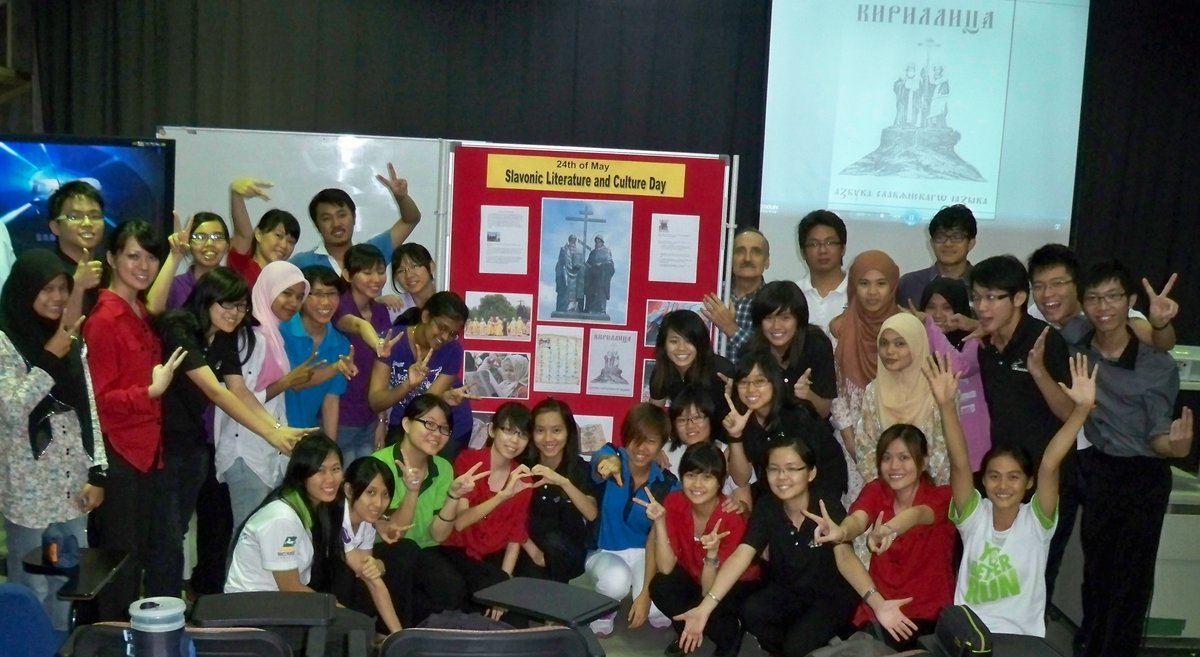
The campus blends historic landmarks with modern facilities and libraries. With students from over 80 countries, UM offers a vibrant and inclusive environment. The university maintains a competitive acceptance rate of about 34%, with tuition fees varying by program and nationality (collegedunia.com).
Visitor Information
Visiting Hours and Entry
- Campus Hours: 8:00 AM to 6:00 PM daily
- Entry: Free for general visitors; some exhibitions or special events may charge admission (University of Malaya Visiting Hours, Tickets, and Visitor Guide)
COVID-19 Protocols (as of June 2025)
- All visitors must be fully vaccinated.
- Complete a Health Declaration Form via the UM Touch app (Apple version).
- Undergo temperature screening and QR code check-in at campus entrances.
- Notify the university at [email protected] if you test positive or become a close contact post-visit (UM FAQ Visitors).
Guided Tours
UM offers both physical and virtual guided tours. Group tours for prospective students or visitors must be booked in advance via the Visit Request Form. Check the UM website for schedules and availability.
Accessibility and Travel Tips
- The campus is fully wheelchair accessible, with ramps, elevators, and accessible restrooms.
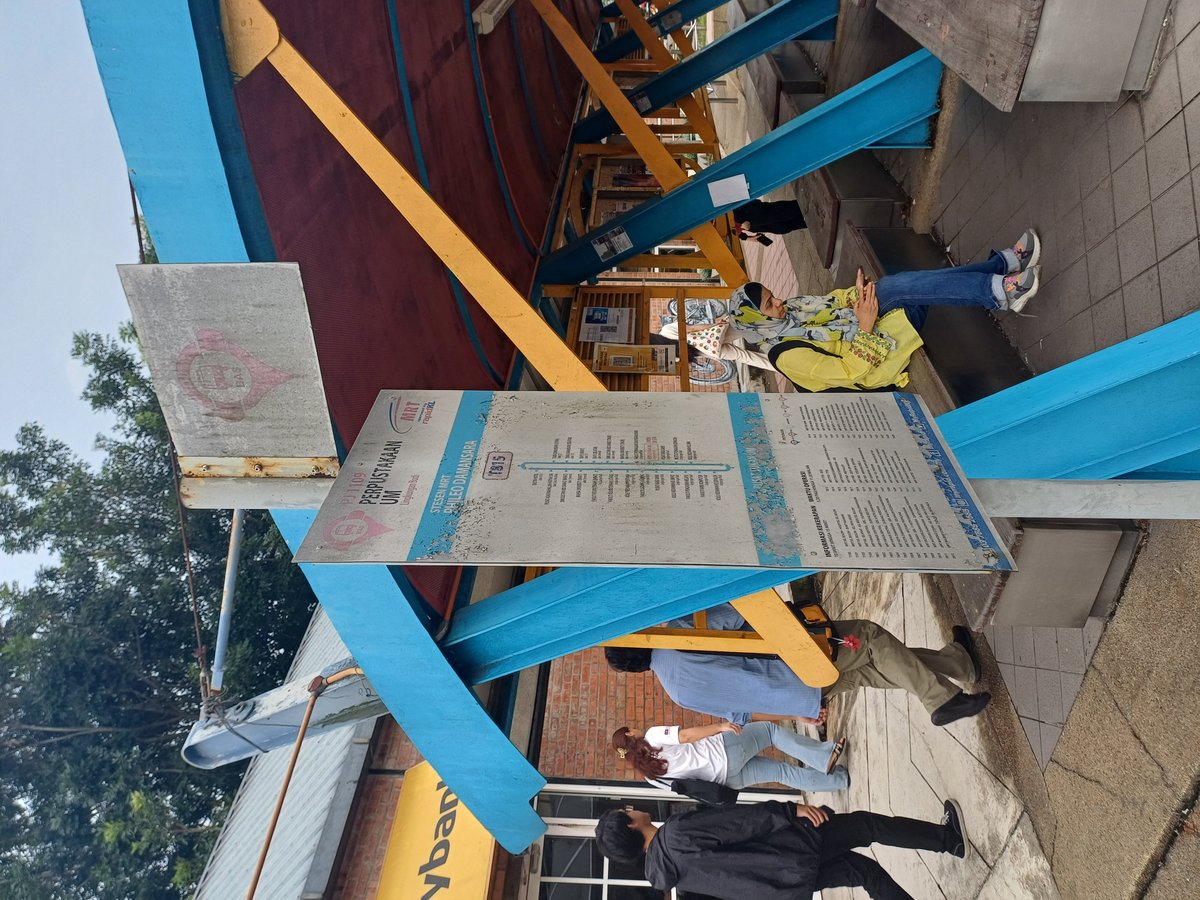
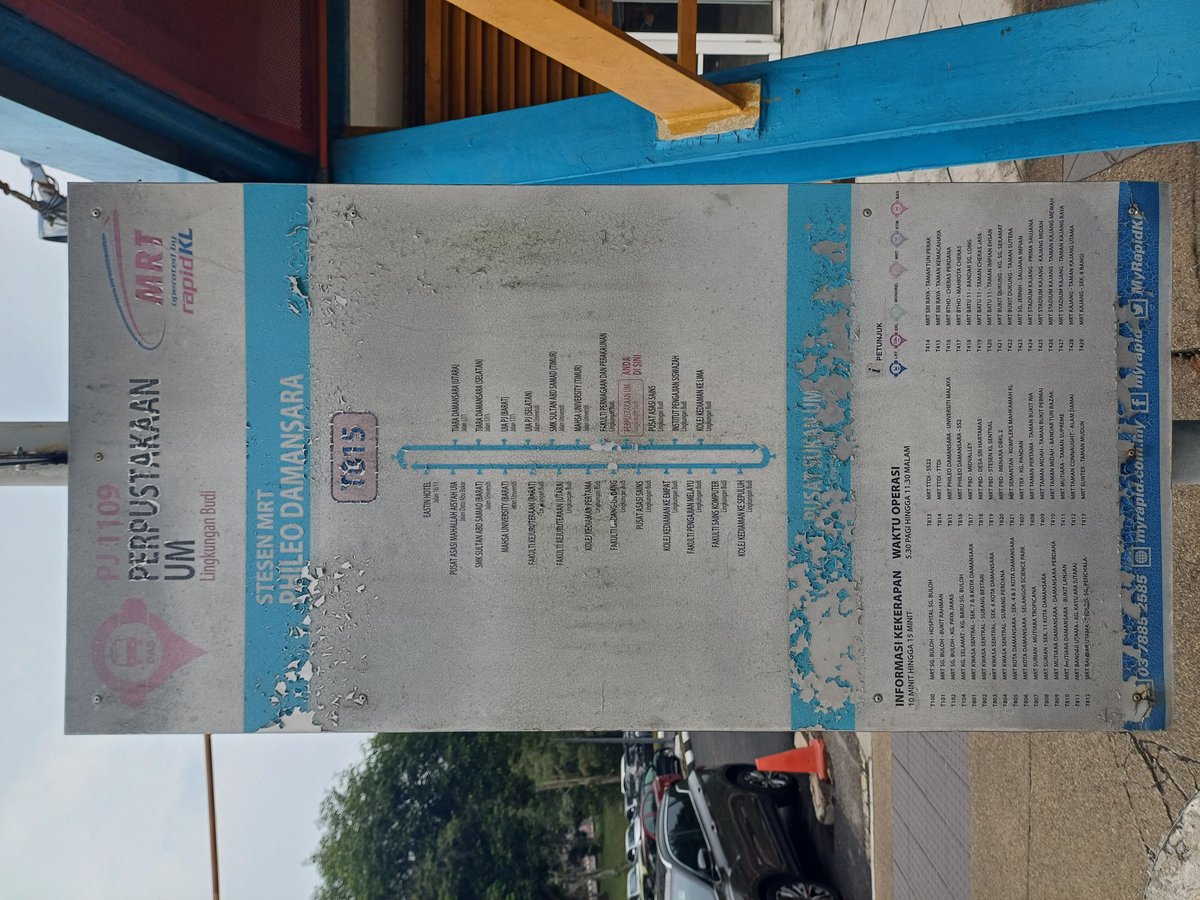
- Public transport is recommended: the Universiti LRT station and RapidKL buses serve the campus (UM International Students).
- On-campus shuttle and pedestrian paths facilitate easy navigation.
Campus Highlights
- Museum of Asian Art: Over 2,000 artifacts from across Asia. Open Monday–Friday, 9:00 AM–5:00 PM, free entry.
- Rimba Ilmu Botanical Gardens: 80 hectares of tropical plant conservation, open daily 8:00 AM–6:00 PM, free entry.
- Varsity Lake: Recreational area for jogging, picnics, and kayaking (tickets for kayaking available on-site).
- Sultan Suleiman Library: Iconic architecture, open Monday–Friday, 8:00 AM–10:00 PM.
- Dining: Cafeterias and stalls serve a range of Malaysian and international cuisines.
- Sports: Facilities include an Olympic-sized pool, courts, and jogging/cycling paths; bookings via UM Point portal.
- Essential Services: ATMs, post office, bookstores, and IT support are available.
Frequently Asked Questions (FAQ)
Q: Do I need tickets to enter UM or its attractions?
A: General campus entry is free; guided tours and special events may require tickets (University of Malaya Visiting Hours, Tickets, and Visitor Guide).
Q: Is the campus wheelchair accessible?
A: Yes, most facilities are accessible, with additional assistance available upon request.
Q: How do I arrange a guided tour?
A: Submit a request via the Visit Request Form or contact the university directly.
Q: Are the botanical gardens and Museum of Asian Art open to visitors?
A: Yes, both are open to the public during specified hours and offer free entry.
Q: What are the public transport options?
A: The Universiti LRT station and RapidKL buses (T789, T790) connect UM to the city.
Q: What health protocols are in place?
A: Full vaccination, health declaration via UM Touch app, and QR scanning at entry are required (UM FAQ Visitors).
Listen to the full story in the app
The whole University Of Malaya,
told well.
Audio guides for 1,100+ cities across 96 countries. History, stories, and local insight — offline ready.
Verified, and shown.
Researched and written by the Audiala editorial team from historical records, architectural archives, and local expertise.
Researched from Wikidata, Wikipedia & official sources · fact-checked · How we make our guides →