Plan and listen to National Monument with Audiala.
Audio guide in your pocket, itinerary in your browser. Built for the way you actually visit.
Introduction
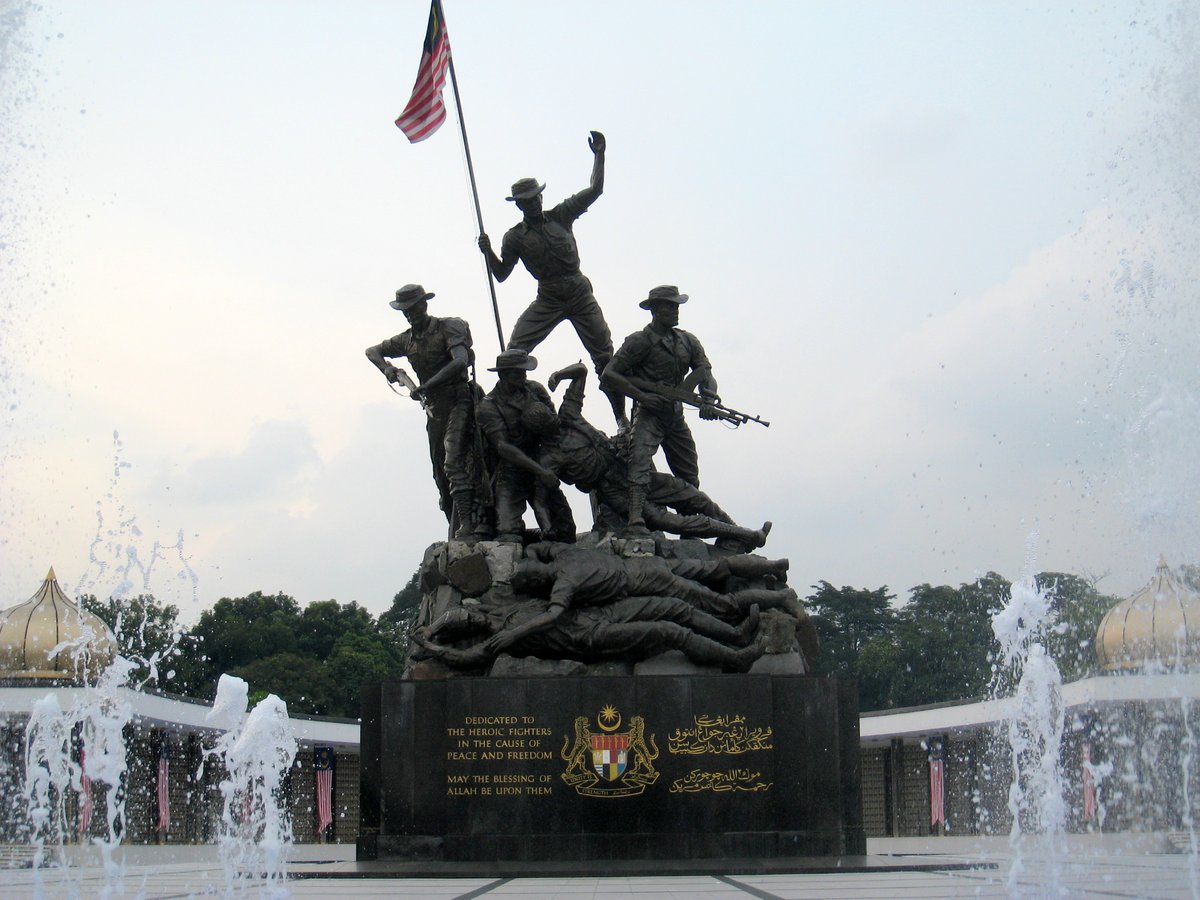
The National Monument (Tugu Negara) in Kuala Lumpur is a moving tribute to Malaysia’s resilience, unity, and the sacrifices made throughout the country’s road to independence. Designed by renowned sculptor Felix de Weldon, the monument stands 15 meters tall within the tranquil grounds of Perdana Botanical Gardens, serving both as a solemn site of remembrance and a popular destination for locals and tourists. This guide provides a detailed overview of the monument’s history, symbolism, visiting hours, ticketing, accessibility, nearby attractions, and practical travel tips to help you make the most of your visit (everything-kuala-lumpur.com, Tourism Malaysia, Malaysia Traveller).
- Introduction
- History and Cultural Significance
- Visiting the National Monument
- Site Layout and Facilities
- Getting There & Nearby Attractions
- Preservation and Public Engagement
- Frequently Asked Questions (FAQ)
- Key Dates and Milestones
- Conclusion
- Visual Resources and Related Articles
- References

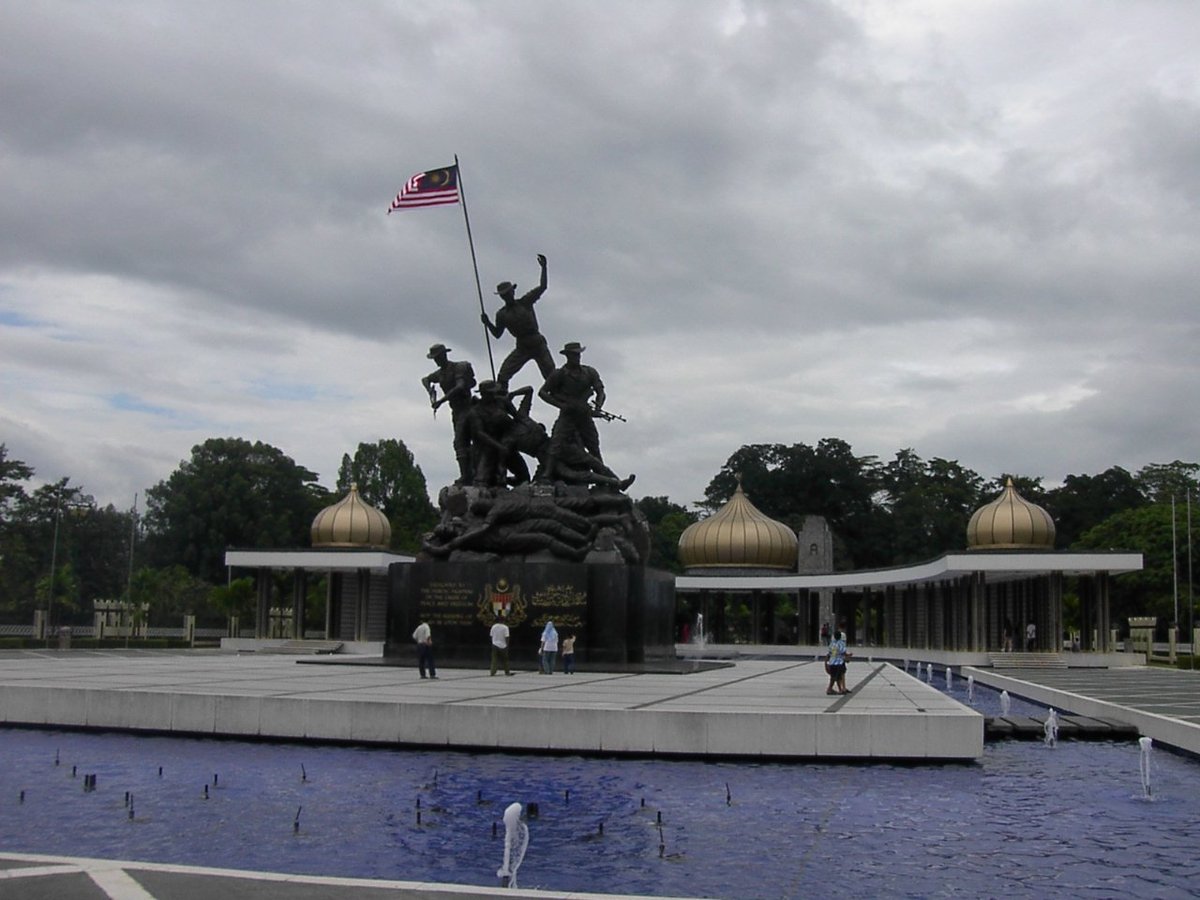
History and Cultural Significance
Origins and Commissioning
The National Monument was commissioned after Malaysia’s independence to honor those who sacrificed their lives during pivotal conflicts, including the Japanese Occupation (1941–1945) and the Malayan Emergency (1948–1960). Malaysia’s first Prime Minister, Tunku Abdul Rahman, envisioned a powerful symbol of unity and remembrance for the nation. The monument’s designer, Felix de Weldon, was also responsible for the Iwo Jima Memorial in the United States. Construction began in 1963, and the monument was officially unveiled on February 8, 1966.
Symbolism and Design
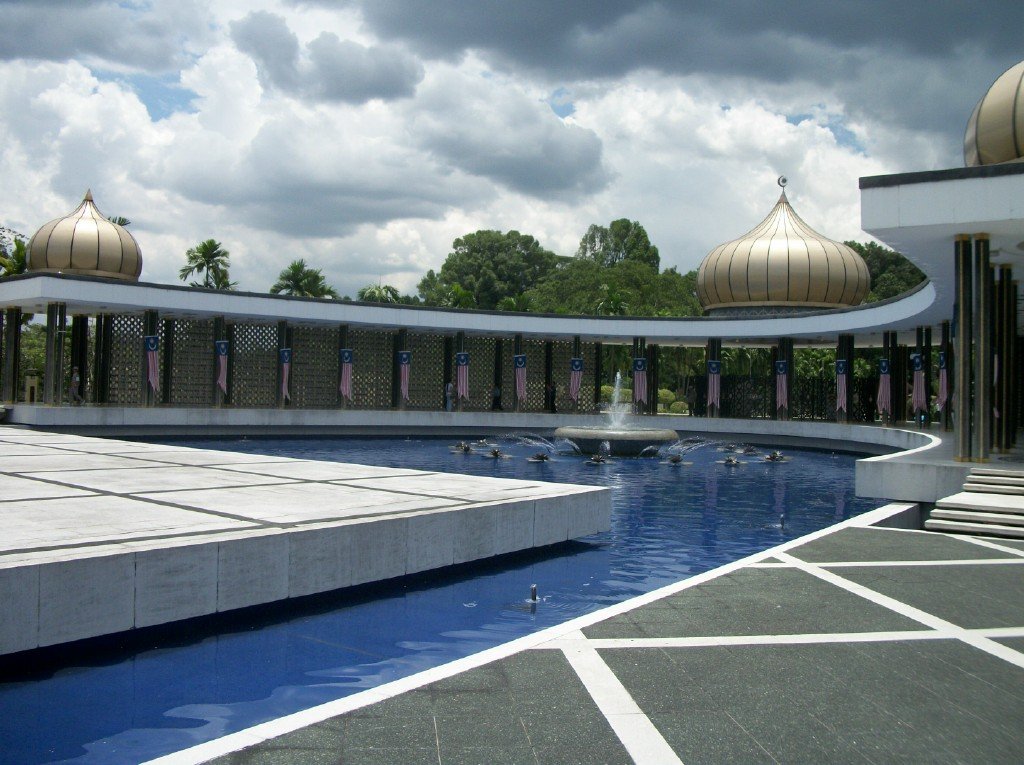
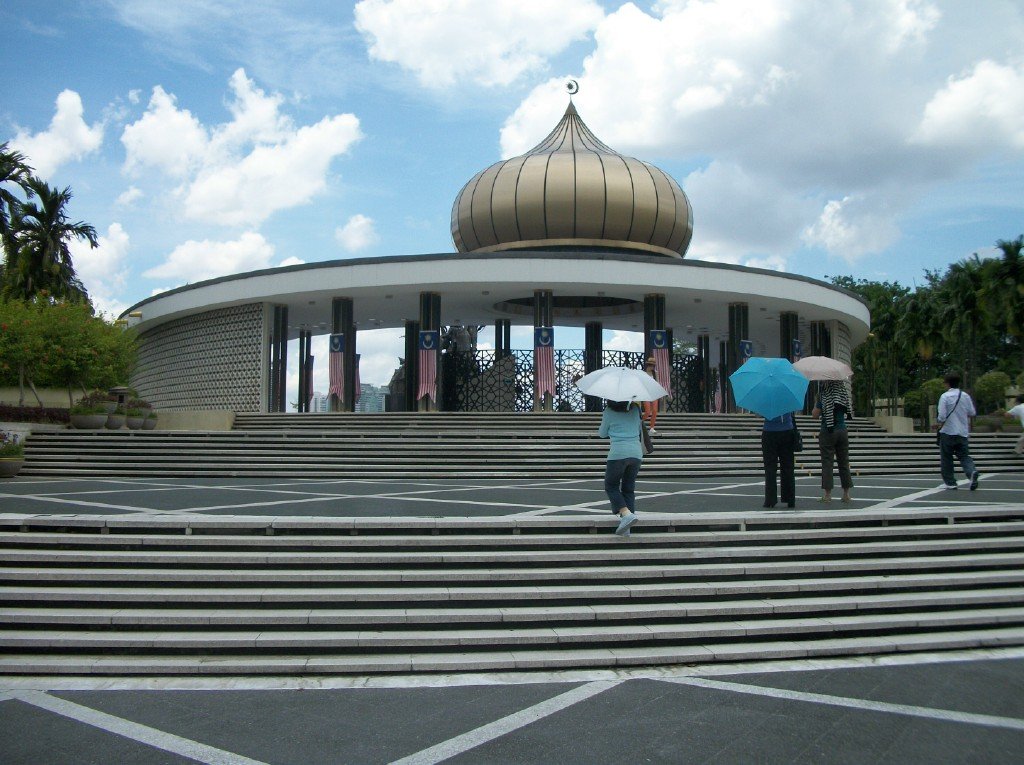
Standing at 15 meters, the monument is among the world’s tallest freestanding bronze sculptures. It features seven figures symbolizing leadership, unity, strength, vigilance, suffering, courage, and sacrifice. The central figure triumphantly raises the Malaysian flag, representing national pride. The monument’s base bears inscriptions in Malay and English, fostering inclusivity. Its landscaped surroundings, reflecting pools, and a crescent-shaped pavilion create a peaceful setting for reflection (Attractions in Malaysia).
Historical Context: WWII and Malayan Emergency
- Japanese Occupation (1941–1945): Malaya endured hardship and resistance under Japanese rule, leading to eventual liberation.
- Malayan Emergency (1948–1960): Marked by guerrilla conflict between Commonwealth forces and communist insurgents, this era saw significant loss and ultimately contributed to Malaya’s independence in 1957 (everything-kuala-lumpur.com).
Visiting the National Monument
Opening Hours & Admission
- Hours: Open daily from 7:00 AM to 7:00 PM.
- Admission: Free for all visitors.
Accessibility
The site is wheelchair-accessible, with paved paths and ramps for ease of movement. Some areas may have steps or uneven surfaces, but the main monument and surrounding gardens are generally accessible.
Guided Tours & Special Events
Guided tours are occasionally available, especially during national commemorations like Warriors’ Day (Hari Pahlawan) on July 31. For self-guided experiences, visitors can use informational plaques or mobile apps. Special ceremonies, particularly on Warriors’ Day, feature wreath-laying and draw dignitaries and the public for national remembrance.
Photography & Visitor Tips
- Early mornings and late afternoons offer the best lighting for photography and a more peaceful atmosphere.
- Dress modestly and behave respectfully, especially during ceremonies.
- The monument’s elevation provides panoramic views of the city.
Site Layout and Facilities
- Main Monument: A 15-meter bronze sculpture group, with seven soldiers symbolizing key national values.
- Reflecting Pools & Fountains: Enhance the tranquil setting and photographic opportunities.
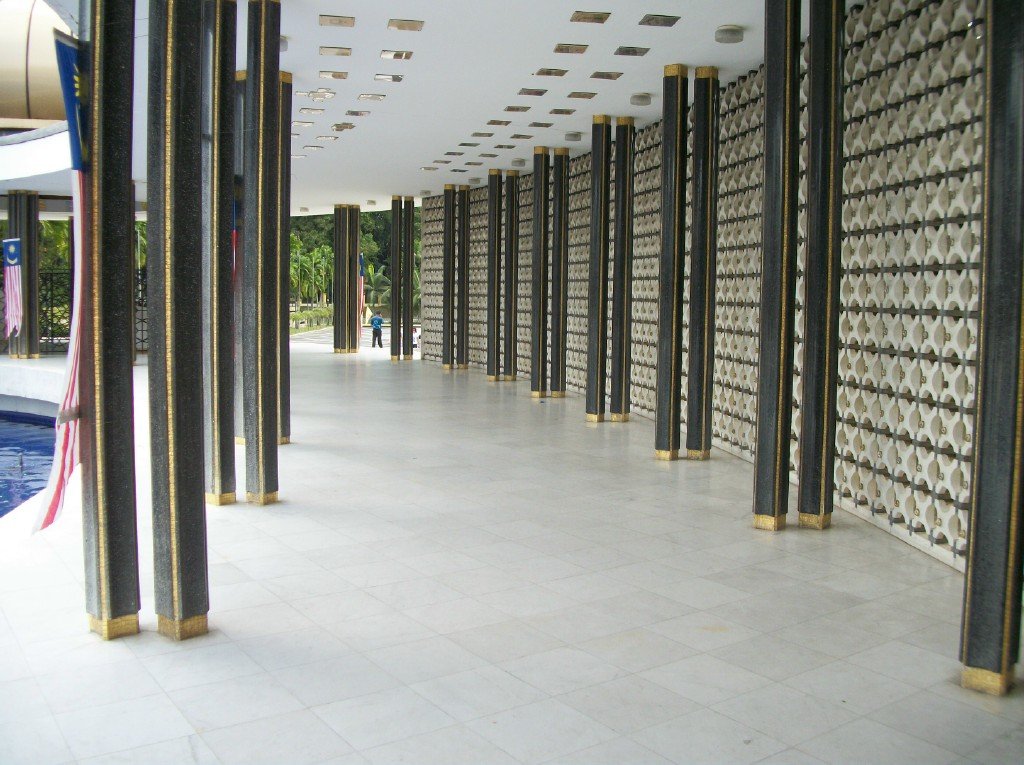
- Crescent Pavilion: Provides shade and educational displays.
- Landscaped Gardens: Ideal for leisurely walks and contemplation.
- Kuala Lumpur Cenotaph: Located behind the monument, this older memorial honors servicemen lost in World Wars and the Malayan Emergency (Malaysia Traveller).
- Amenities: Restrooms, benches, and shaded areas are available throughout the grounds.
Getting There & Nearby Attractions
Location
- Address: Tugu Negara, Jalan Parlimen, 50480 Kuala Lumpur, Wilayah Persekutuan Kuala Lumpur, Malaysia
- Coordinates: 3°08'57.7"N 101°41'01.7"E (Malaysia Traveller)
Access
- By Taxi/Grab: Widely available and convenient.
- By Public Transport: Nearest LRT station is Bank Negara (KTM Komuter), about a 20-minute walk or a short taxi ride.
- By Car: Parking is available but limited during peak times and major events.
Nearby Attractions
- Perdana Botanical Gardens: Adjacent green space for relaxation.
- Merdeka Square: Historic site of Malaysia’s independence.
- National Mosque (Masjid Negara): Landmark religious site.
- National Museum: Offers a deeper dive into Malaysia’s history.
- Kuala Lumpur Bird Park and Islamic Arts Museum: Also within close proximity.
Preservation and Public Engagement
The National Monument is managed by the Malaysian government, with ongoing restoration and maintenance—particularly following the 1975 bombing and subsequent reopening in 1977 (Malaysia Traveller). Free entry and an open-air setting encourage widespread public engagement and education.
Frequently Asked Questions (FAQ)
Q: What are the National Monument’s visiting hours?
A: Daily, 7:00 AM to 7:00 PM.
Q: Is there an entrance fee?
A: No, admission is free.
Q: Are guided tours available?
A: Guided tours are occasionally offered, particularly during special events. Informational plaques are available on-site.
Q: How do I get there via public transport?
A: Use the Bank Negara station (KTM Komuter) or Masjid Jamek (LRT), then walk or take a taxi.
Q: Is the site wheelchair accessible?
A: Yes, but be mindful of some uneven areas.
Q: Is photography allowed?
A: Yes, but please respect the monument and ceremonies.
Q: When is the best time to visit?
A: Early morning or late afternoon for cooler weather and the flag ceremonies; July 31 (Warriors’ Day) for special events.
Key Dates and Milestones
- 1941–1945: Japanese Occupation
- 1948–1960: Malayan Emergency
- 1963: Construction begins
- 1966: Official unveiling on February 8
- 1975: Bombing and subsequent restoration
- Annual: Warriors’ Day (Hari Pahlawan) on July 31
Tickets & tours.
These are guided options from our partners — same price as booking direct.
Prices are indicative — final pricing and availability are confirmed at checkout. Audiala may earn a commission from bookings made through these links.
Listen to the full story in the app
The whole National Monument,
told well.
Audio guides for 1,100+ cities across 96 countries. History, stories, and local insight — offline ready.
Verified, and shown.
Researched and written by the Audiala editorial team from historical records, architectural archives, and local expertise.
Researched from Wikidata, Wikipedia & official sources · fact-checked · How we make our guides →